The demand for Brushless DC Motors is on the rise in various industries. These motors offer unique advantages that appeal to engineers and manufacturers worldwide. Their efficiency, reliability, and low maintenance requirements make them an ideal choice for many applications.
In 2026, as technology evolves, understanding the best Brushless DC Motor options becomes crucial for global buyers. Factors such as performance, size, and cost must be carefully considered. The right motor can enhance product efficiency while minimizing operational challenges.
However, the market is saturated with options. Selecting a suitable brushless motor can feel overwhelming. It requires careful research and a clear understanding of specific needs. Buyers must be aware of both the promising innovations and potential pitfalls in this rapidly changing field. Identifying quality manufacturers is vital to avoid unreliable products. In this guide, we will explore the best Brushless DC Motor options available, to help you make informed decisions.
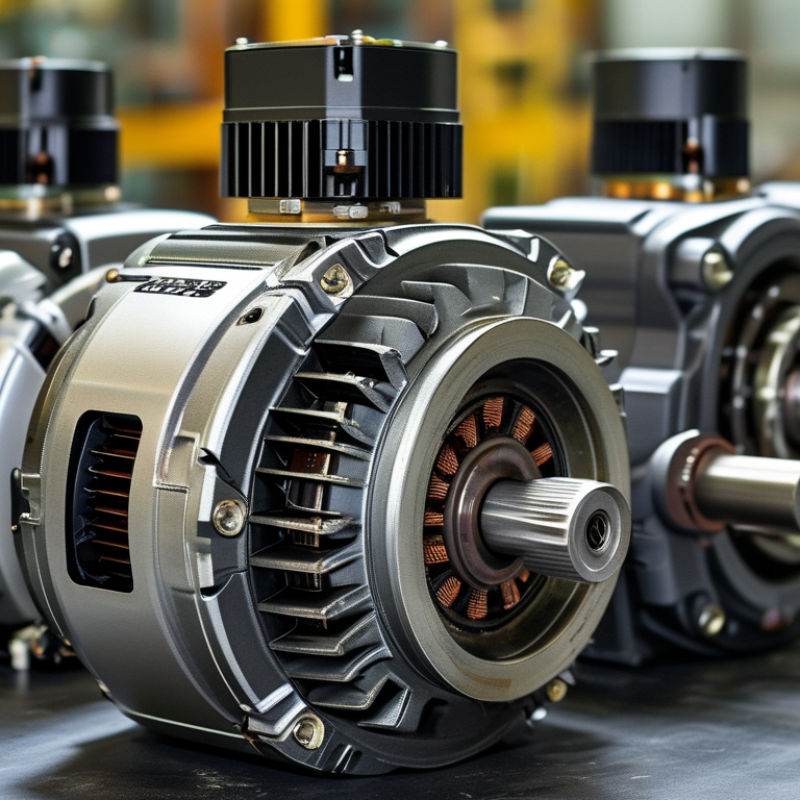
Brushless DC (BLDC) motors are efficient and reliable, making them popular in various applications. Their design eliminates brushes that wear out, resulting in lower maintenance. Understanding the types of BLDC motors is essential for making the right choice. The most common types include inner rotor and outer rotor configurations. Inner rotor motors have the rotor inside the stator and are compact, making them suitable for applications with limited space. Outer rotor motors offer greater torque and are often found in larger industrial machines.
Tips: When choosing a motor, consider the power requirements and application needs. Assess the size and weight constraints, as this will influence your decision. Remember that not all applications require the highest specs; sometimes, a more basic model may suffice.
BLDC motors also come with various control methodologies. Sensor-based systems use feedback from position sensors for precise control. On the other hand, sensorless systems rely on back electromotive force for operation. Each method has its advantages. However, using sensorless systems may lead to performance issues in certain conditions, requiring careful evaluation.
Tips: Review your application for specific control needs. If efficiency is key, sensorless may eat into your performance. Ultimately, thorough research is needed to find the right fit. Always consider the trade-offs between cost, performance, and reliability.
| Motor Type | Rated Power (W) | Voltage (V) | Efficiency (%) | Max RPM | Application |
|---|---|---|---|---|---|
| Sensorless BLDC Motor | 750 | 48 | 90 | 20000 | Drones |
| Brushless DC Hub Motor | 500 | 36 | 85 | 3500 | Electric Bicycles |
| Inrunner BLDC Motor | 1000 | 48 | 92 | 15000 | Robotics |
| Outrunner BLDC Motor | 1200 | 48 | 88 | 18000 | Electric Vehicles |
| High Torque BLDC Motor | 1500 | 60 | 90 | 5000 | Industrial Machinery |
Choosing the right brushless DC motor requires careful consideration of several key factors. Efficiency stands out as a primary concern. A motor with high efficiency can save energy, which reduces operational costs. Look for specified efficiency ratings in product documentation. This can help gauge performance under varying loads.
Next, consider the motor's torque and speed characteristics. These traits significantly impact the application. A high-torque motor may be ideal for heavy-load tasks, while a high-speed variant suits applications like fan drives. Pay attention to the motor's specifications to match these characteristics with your operational needs.
Cooling options are often overlooked but play a crucial role. Adequate cooling prevents overheating and prolongs motor life. Ventilation or heat sinks may be necessary, especially in continuous operations. Finally, compatibility with your existing systems is vital. Ensure the motor's dimensions and power requirements align with your setup. This will help avoid costly modifications down the line. Balancing these factors can be complex, but attention to detail will lead to better choices.
The brushless DC motor market is witnessing significant growth, projected to reach $22 billion by 2026. This expansion reflects advancements in technology and increasing demand across various industries. A recent industry report highlights that automotive applications alone will account for nearly 40% of the total demand. The adoption of electrification in vehicles drives this trend.
Leading manufacturers focus on improving efficiency and reducing noise. Many prioritize the development of compact models for consumer electronics. Industry analysis suggests that the rise of automation in manufacturing contributes to the growth of more efficient brushless motors. However, supply chain disruptions have posed challenges to some producers, affecting delivery schedules.
While concerns about raw material sourcing linger, several companies are innovating. They explore alternative materials that could enhance performance. The focus remains on creating reliable products with longer life spans. Despite the challenges, the future looks promising for both manufacturers and buyers seeking advanced solutions.
Brushless DC motors are increasingly vital across various sectors. In the automotive industry, these motors are often employed in electric vehicles (EVs). According to a recent report by Research Nester, the global electric vehicle market is anticipated to grow at a CAGR of 22% from 2022 to 2031. This surge directly enhances the demand for brushless DC motors due to their efficiency and durability. EVs benefit from these motors by achieving extended battery life and higher speed performance.
Healthcare equipment is another sector that thrives thanks to brushless DC technology. Medical devices require reliable and precise motion control. A study published by Grand View Research suggests that the global medical device market will exceed $600 billion by 2024. Brushless DC motors contribute to advancements in imaging devices and surgical tools, ensuring performance under strict regulations. They offer benefits like quieter operation, which is crucial in clinical settings.
Manufacturing automation also relies heavily on brushless DC motors. According to the International Federation of Robotics, global sales of industrial robots are projected to reach 500,000 units annually by 2025. This continuous growth reflects the need for efficient production processes. Brushless DC motors play a key role in robotic arms and conveyor systems, addressing complexities in modern manufacturing that require real-time adjustments. However, the integration of such technology necessitates ongoing education and adaptation in the workforce.
Maintaining brushless DC motors is crucial for optimal performance. Regular maintenance not only extends the motor's lifespan but also enhances its efficiency. Reports indicate that proper maintenance can boost motor efficiency by up to 15%. Therefore, understanding effective maintenance practices is vital for users.
One critical tip is to keep the motor clean. Dust and debris can accumulate, hindering performance. Ensure that the ventilation openings remain unclogged. Regularly check these areas for blockages. Another important aspect is monitoring temperature levels. Operating above the recommended temperature range can lead to overheating and eventual failure. Use thermal sensors to keep track of this vital parameter.
Lubrication is essential too. Brushless motors typically require less frequent lubrication than brushed ones, but it's not neglectable. Periodically inspect bearings and gears for wear. If they show signs of deterioration, replacing them promptly can prevent further damage. Staying proactive about these details can significantly reduce repair costs.
: Look for specified efficiency ratings to gauge performance under various loads.
High-torque motors are ideal for heavy loads, while high-speed variants fit applications like fans.
Adequate cooling prevents overheating and extends motor life, especially during continuous operations.
Ensure the motor’s dimensions and power requirements match your existing systems to avoid modifications.
Automotive, healthcare, and manufacturing sectors largely rely on these motors for efficiency and precision.
Keep the motor clean, monitor temperature levels, and lubricate parts as needed to enhance performance.
It extends the motor’s lifespan and can boost efficiency by up to 15%. Regular checks are important.
Accumulated dust can hinder performance, so regularly check and clean ventilation openings.
Although brushless motors need less frequent lubrication, periodic inspection of components is still necessary.
The article titled "2026 Best Brushless DC Motor for Global Buyers Guide" explores the essential aspects of Brushless DC Motors, detailing their technology and various types. It emphasizes the importance of understanding the key factors when selecting a Brushless DC Motor, such as efficiency, size, and application suitability.
Additionally, the guide highlights the leading brands and manufacturers in the market for 2026, offering insights into their reputation and product offerings. Various industries that benefit from Brushless DC Motors, including automotive, robotics, and consumer electronics, are discussed, showcasing the versatility of these motors. Finally, the article provides maintenance tips that ensure optimal performance, making it a valuable resource for buyers looking to make informed decisions in their motor selection.
