When exploring the world of motors, the AC Shaded Pole Gear Motor stands out for its unique design and functionality. This motor type is widely recognized for its simplicity and reliable performance. Buyers need to understand its advantages to make informed decisions.
One notable feature is its low production cost. This makes the AC Shaded Pole Gear Motor an attractive choice for consumers on a budget. Its ease of use is another advantage. Installation does not require specialized skills, making it accessible for various applications. However, potential buyers must consider that while it is efficient, it may not provide the same torque as other motor types.
Moreover, this motor is known for its quiet operation. In many settings, noise reduction is crucial, making this motor a favorable option. Understanding these benefits helps buyers appreciate the AC Shaded Pole Gear Motor. With careful consideration, one can leverage its strengths for optimal use in diverse applications.
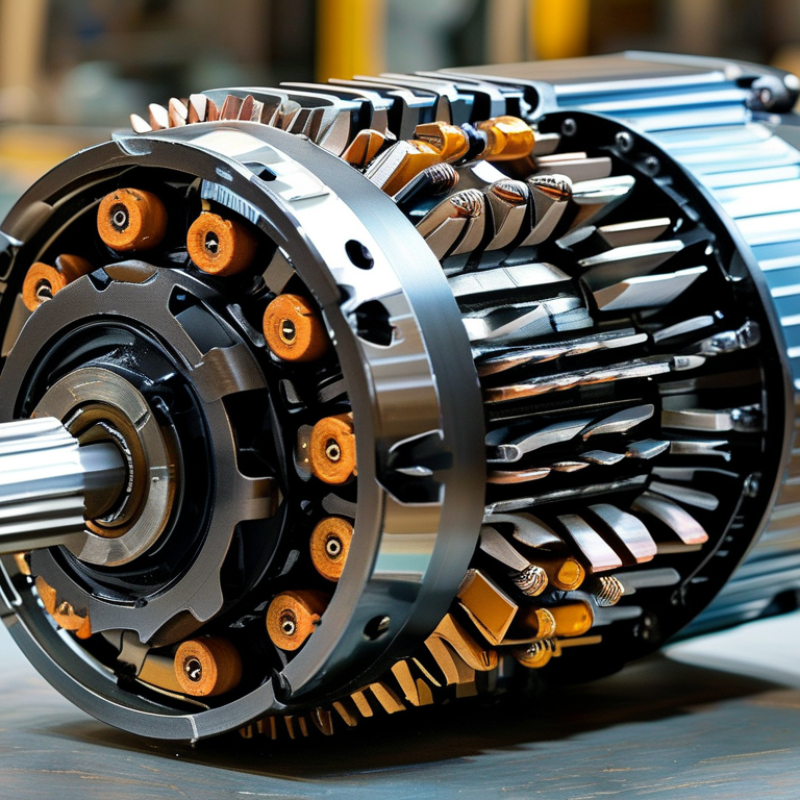
AC shaded pole gear motors are known for their unique design and energy efficiency. These motors often require less electrical power, making them a cost-effective choice. According to industry reports, they can achieve energy savings of up to 30% compared to other motor types. This efficiency is particularly valuable in applications where motors run continuously.
Tips for buyers: Consider the motor's energy consumption rating. Many shaded pole gear motors come with energy-efficient labels, indicating their performance.
Another advantage is their simplicity. AC shaded pole motors have fewer mechanical parts. This results in lower maintenance costs and increased reliability. Reports indicate that these motors can last over 20,000 hours with minimal wear and tear. However, users should be aware that their torque might not be sufficient for high-demand applications.
Tips: Always assess the torque needs of your application. You might face issues if the motor is undersized for heavy loads.
Overall, the energy efficiency of AC shaded pole gear motors presents a compelling reason for buyers. Weighing their efficiency against performance requirements can lead to informed purchasing decisions.
Shaded pole gear motors are gaining attention for their durability and longevity. These motors use a simple design, which often results in a longer operational life when compared to other types. According to industry reports, shaded pole motors typically last 10,000 to 20,000 hours under standard conditions. This is due to fewer mechanical components, reducing wear and tear over time.
Reliability is a key factor in various applications. Shaded pole gear motors can withstand harsh environments, making them suitable for industrial settings. Data indicates that these motors can operate effectively in temperature ranges from -10°C to 50°C. Their ability to maintain performance amidst challenging conditions highlights their robustness.
Investing in motors with higher durability metrics often translates to lower long-term costs for buyers. Reduced maintenance requirements and increased operational efficiency are significant advantages. Nevertheless, it’s essential to consider that these motors may not be as efficient as other types in high-load situations. Understanding your specific needs is crucial before making a decision.
Shaded pole gear motors are known for their low noise levels, making them an attractive choice for various applications. These motors operate quietly, which is essential in environments where sound can disrupt tasks or conversations. Offices, libraries, and hospitals benefit significantly from the acoustic advantages these motors provide.
The design of shaded pole motors allows for minimal vibration. This leads to reduced noise during operation. Users often appreciate the peaceful environment afforded by such motors. However, it’s important for buyers to assess the specific noise levels based on their needs. Not all shaded pole motors are equally quiet. Variations can occur based on the manufacturing process and installation quality.
While quieter operations are a key benefit, potential buyers should consider the efficiency of shaded pole gear motors. Some models may struggle with torque under heavier loads. Therefore, while they excel in low noise, torque might require careful evaluation. Feedback from users often highlights the balance between noise reduction and motor performance.
When considering gear motors, cost-effectiveness is crucial. Buyers often overlook total ownership costs. Initial prices can mislead purchasing decisions. Analyzing ongoing expenses ensures a more informed choice. For instance, energy consumption significantly impacts long-term costs. A shaded pole gear motor usually consumes less energy than alternatives. This factor alone can lead to substantial savings.
Maintenance needs also matter. Some gear motors require frequent upkeep, leading to higher costs. In contrast, shaded pole gear motors often feature simpler designs. This design choice reduces the chance of breakdowns and repairs. Additionally, their lifespan can be longer, but this varies. It's essential to examine each option carefully.
Furthermore, efficiency shapes total ownership expenses. A motor's reliability plays a vital role in productivity. Increased downtime for repairs can be costly for operations. Shaded pole gear motors, when properly used, can enhance efficiency. However, not every setup benefits equally. Buyers must assess their specific applications to maximize cost savings. Ultimately, understanding these factors clarifies the total investment.
Shaded pole motors have become vital across various industry sectors. They are especially useful in small household appliances, such as fans and blowers. These motors operate quietly, making them a fitting choice for environments where noise reduction is essential.
In the agricultural sector, shaded pole motors are found in ventilation systems. They help maintain optimal air circulation in livestock housing. Their simplicity and reliability make them ideal for such applications, ensuring minimal downtime. Manufacturing plants also benefit from these motors. They are often used to drive conveyor belts and smaller machinery.
While offering numerous advantages, shaded pole motors have their limitations. They are suitable for low power applications, but may not meet the needs of high-demand equipment. Users should assess specific requirements before settling on a motor type. There’s always room for improvement. Exploring innovative designs could enhance the efficiency and capabilities of shaded pole motors.
: They are recognized for their durability and longevity. Their simple design contributes to a longer operational life.
They generally last between 10,000 to 20,000 hours under standard conditions.
These motors can perform well in temperatures ranging from -10°C to 50°C.
Higher durability can lead to lower long-term costs and reduced maintenance needs.
They may not be as efficient in high-load situations. Understanding your needs is important.
They are common in household appliances, agriculture, and manufacturing industries.
They operate quietly, making them suitable for noise-sensitive environments.
They are best for low power applications and may not suit high-demand equipment.
They support ventilation systems, ensuring optimal air circulation with minimal downtime.
Exploring innovative designs may enhance their efficiency and functionalities.
The "Top 5 AC Shaded Pole Gear Motor Advantages for Buyers" highlights several key benefits that make these motors an attractive choice for various applications. One major advantage is their energy efficiency, which can lead to significant savings on electricity costs over time. Additionally, AC Shaded Pole Gear Motors are known for their durability and longevity, ensuring reliable performance in demanding environments.
Moreover, these motors operate at low noise levels, making them suitable for applications where acoustic comfort is essential. Their cost-effectiveness is evident when analyzing total ownership costs, as they typically require less maintenance and have a longer lifespan. Lastly, their versatility allows them to be utilized across different industry sectors, from consumer appliances to industrial machinery, showcasing their widespread applicability and utility in modern technology.
