Top 10 Benefits of High Torque Motors for Industrial Use

Time:2026-08-28 Author:Ethan
0%

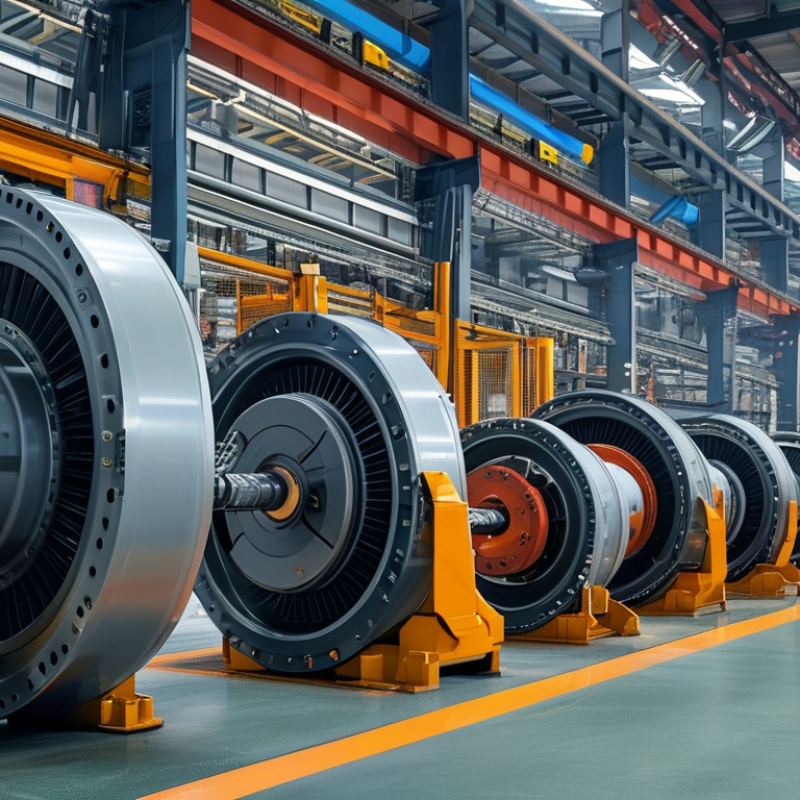
High Torque Motors are becoming essential in various industrial applications. Their ability to provide high torque at low speeds makes them suitable for demanding tasks. Industries like manufacturing, automotive, and robotics rely heavily on these motors.

The use of a High Torque Motor can transform operational efficiency. They deliver consistent power, ensuring smooth performance. These motors can handle heavier loads without compromising speed or reliability. They exhibit durability, reducing maintenance costs over time.

However, not all high torque motors are created equal. Selecting the right motor may require some reflection. The specific needs of each application must be considered carefully. This balance between power and efficiency can be challenging yet rewarding. Understanding the benefits of High Torque Motors is crucial for industries aiming to enhance productivity.
Top 10 Benefits of High Torque Motors for Industrial Use

High Torque Motors: An Overview of Their Importance in Industry

High torque motors play a crucial role in various industrial applications. Their ability to deliver significant power at low speeds makes them invaluable in processes requiring high precision. Industries such as manufacturing, transportation, and construction increasingly rely on these motors to optimize their operations. The design and functionality of high torque motors cater specifically to tasks that demand sustained torque, which is essential in heavy machinery and equipment.

One of the prominent advantages of high torque motors is their efficiency in moving heavy loads. They reduce the stress on mechanical components, prolonging their lifespan. However, not all applications may need such power. Inappropriately using these motors can lead to energy inefficiencies. Careful consideration is necessary to match motor specifications with the requirements of the task at hand. Understanding the load characteristics will enhance performance and productivity.

Moreover, maintaining a balance between power and control is critical. High torque can lead to challenges in controlling velocity, particularly during startup. Operators require training to handle the intricacies of these motors. Implementing proper control systems can mitigate these challenges, ensuring smooth operation. This highlights the importance of an informed approach in selecting and using high torque motors within various industrial contexts.

Enhanced Operational Efficiency Through Increased Torque Output

High torque motors are becoming essential in various industrial applications. Their ability to deliver greater torque output significantly enhances operational efficiency. According to a report by the International Energy Agency, high torque motors can reduce energy consumption by up to 30% in heavy machinery. This efficiency is crucial in industries that rely heavily on heavy loads and continuous operation.


Incorporating high torque motors can boost productivity by allowing machines to operate at optimal performance levels. The enhanced torque output enables faster acceleration and improved responsiveness. For example, studies have shown that industrial robots equipped with high torque motors can increase cycle times by 25%, optimizing production lines while maintaining precision.


However, the shift to high torque motors isn’t without challenges. Properly sizing motors to match specific applications is critical. Oversizing can lead to inefficiencies, while undersizing may cause performance issues. Regular maintenance is also essential to ensure that torque output remains consistent over time, as wear and tear can significantly impact motor efficiency. By addressing these concerns, industries can fully leverage the benefits of high torque motors.

Cost Savings from Reduced Energy Consumption and Maintenance Needs

High torque motors are increasingly recognized in industrial applications for their significant cost-saving advantages. One of the primary benefits is reduced energy consumption. According to a study by the Department of Energy, high-efficiency motors can save up to 30% in energy expenditures. This statistic is crucial for industries aiming to lower operational costs. The energy efficiency of high torque motors directly translates to reduced utility bills, benefiting the bottom line.

In terms of maintenance needs, high torque motors often require less frequent servicing than traditional motors. A report from the Electric Power Research Institute indicates that these motors can extend life cycles by 20 to 50% with proper usage. This advantage minimizes downtime and repair costs. Switching to high torque motors can lead to fewer breakdowns and operational interruptions, promoting smoother workflow in manufacturing and processing environments. While the initial investment may appear higher, the long-term savings in energy and maintenance make them a wise financial choice.

Top 10 Benefits of High Torque Motors for Industrial Use - Cost Savings from Reduced Energy Consumption and Maintenance Needs

Benefit Description Estimated Cost Savings (%)
Improved Energy Efficiency High torque motors can operate at lower speeds while maintaining high performance, leading to lower energy usage. 15%
Reduced Maintenance Costs Fewer moving parts lead to less wear and tear, resulting in lower maintenance requirements. 20%
Longer Lifespan High torque motors are designed for durability, which extends their operational lifespan. 25%
Higher Productivity These motors can handle heavier loads effectively, improving throughput in industrial applications. 10%
Versatile Applications High torque motors can be used in a variety of applications across different industries. None
Quieter Operation These motors produce less noise, contributing to a better working environment. 5%
Reduced Vibration Minimized vibration translates to less mechanical stress and increased component life. 10%
Lower Cooling Requirements High efficiency reduces heat generation, lowering the need for cooling systems. 15%
Easier Integration These motors can be easily integrated into existing systems and controls. None
Tax Incentives Investing in energy-efficient motors may qualify for government tax incentives. Varies

Improved Load Handling Capabilities in Heavy-Duty Applications

High torque motors are essential for heavy-duty applications. These motors excel in managing substantial loads, making them ideal for industries like construction and manufacturing. With a higher torque output, they can easily start and accelerate heavy machinery without compromising performance. Their design enables efficient power transfer, allowing for smoother operations even under intense conditions.

Another advantage of high torque motors is their ability to handle sudden load changes. In dynamic environments, where the load can fluctuate rapidly, these motors perform reliably. They maintain stability while reacting promptly to varying demands. This capability reduces the risk of mechanical failure, enhancing overall system reliability. Observations show that industries utilizing high torque motors often experience fewer downtimes, indicating their effectiveness.

However, it's crucial to assess whether high torque motors are suitable for specific applications. They can be more expensive upfront compared to standard motors. Additionally, their installation may require specialized knowledge. If not properly fitted, there could be issues with efficiency. Thus, thorough evaluation is key before integrating these motors into an operation. The benefits are clear, yet careful consideration can lead to optimized usage.

Versatile Applications Across Various Industrial Sectors and Equipment

High torque motors offer unique advantages across various industrial applications. These motors excel in situations requiring high starting torque, like conveyor systems and heavy lifting equipment. According to a report by the International Society of Automation, industries utilizing high torque motors can see efficiency improvements of up to 30%. This is crucial in sectors like manufacturing and logistics, where downtime must be minimized.

Versatile applications span sectors such as agriculture, mining, and construction. For example, in agriculture, high torque motors drive machinery that handles large loads, improving productivity. In mining, these motors power equipment needed for heavy-duty tasks. The U.S. Department of Energy highlights that motors account for about 64% of the electricity consumed in industrial applications. Thus, optimizing motor efficiency can lead to significant cost savings.

However, challenges remain. Proper maintenance is often overlooked, which can translate to reduced performance. Industries need to prioritize training to ensure correct usage. Additionally, the upfront investment in high torque motors can be considerable. While the benefits are clear, the balance between cost and performance requires careful consideration.

FAQS

: What are the main advantages of high torque motors in industrial applications?

: High torque motors enhance operational efficiency, reduce energy consumption, and improve productivity. They are essential in handling heavy loads.

How much energy can high torque motors save?

They can save up to 30% in energy consumption, which is crucial for reducing operational costs.

Do high torque motors require more maintenance than traditional motors?

No, they often require less frequent servicing and can extend life cycles by 20 to 50% with proper usage.

What is the impact of high torque motors on production cycles?

They can increase cycle times by 25%, optimizing production lines while maintaining precision.

Are there any challenges when switching to high torque motors?

Yes, proper sizing is critical. Oversizing can cause inefficiencies, while undersizing may lead to performance issues.

How do high torque motors handle sudden load changes?

They perform reliably and maintain stability, reducing the risk of mechanical failure in dynamic environments.

What should be considered before installing high torque motors?

Assessing suitability for specific applications is crucial. The installation may need specialized knowledge for optimal efficiency.

What impact do high torque motors have on operational downtime?

Industries using high torque motors often experience fewer downtimes due to their efficient performance under heavy conditions.

How can high torque motors affect cost over time?

Although the initial investment may be higher, long-term savings in energy and maintenance make them a wise financial choice.

Why is regular maintenance important for high torque motors?

Maintenance ensures consistent torque output and helps address wear and tear, which can significantly impact efficiency.

Conclusion

High torque motors are becoming increasingly essential in various industrial applications due to their ability to enhance operational efficiency significantly. With an increased torque output, these motors improve the handling of heavy loads, making them ideal for heavy-duty tasks across multiple sectors. Their robust design supports smoother operation, which in turn minimizes downtime and reduces maintenance needs.

Additionally, high torque motors contribute to cost savings through lower energy consumption, making them a more sustainable choice for industries striving for efficiency and productivity. Their versatility allows them to be employed in a wide range of equipment and applications, further solidifying their role as critical components in modern industrial setups. Overall, the adoption of high torque motors not only boosts performance but also drives long-term operational improvements.

Ethan

Ethan

Ethan is a seasoned marketing professional with a deep expertise in our company's innovative product line. With a passion for sharing knowledge and insights, he takes the lead in regularly updating our corporate blog, where he explores industry trends, product features, and effective marketing......