2026 How to Choose the Best Planetary Gear Motor for Your Needs?

Time:2026-07-08 Author:Ethan
0%

Choosing the right Planetary Gear Motor for your application can be challenging. With so many options available, it’s crucial to understand specific needs and requirements. Expert John Smith, a well-known figure in the robotics industry, states, “The right gear motor can significantly enhance your system's efficiency.” His insight underscores the importance of making an informed choice.

When selecting a Planetary Gear Motor, consider factors like torque, speed, and size. Each application's demands vary, creating a unique set of challenges. It’s important to analyze performance metrics alongside potential limitations. Sometimes, even a small oversight can lead to inefficiencies down the line.

In this evolving field, not every choice will be perfect. Engineers often encounter unexpected hurdles that require ongoing adjustments. That’s the nature of innovation and design. Developing a reliable solution involves continuous learning and adapting, making expertise essential in this domain. The process is not just about picking a motor; it’s about understanding your project’s dynamics.
2026 How to Choose the Best Planetary Gear Motor for Your Needs?

Understanding Planetary Gear Motors: Key Features and Design Elements

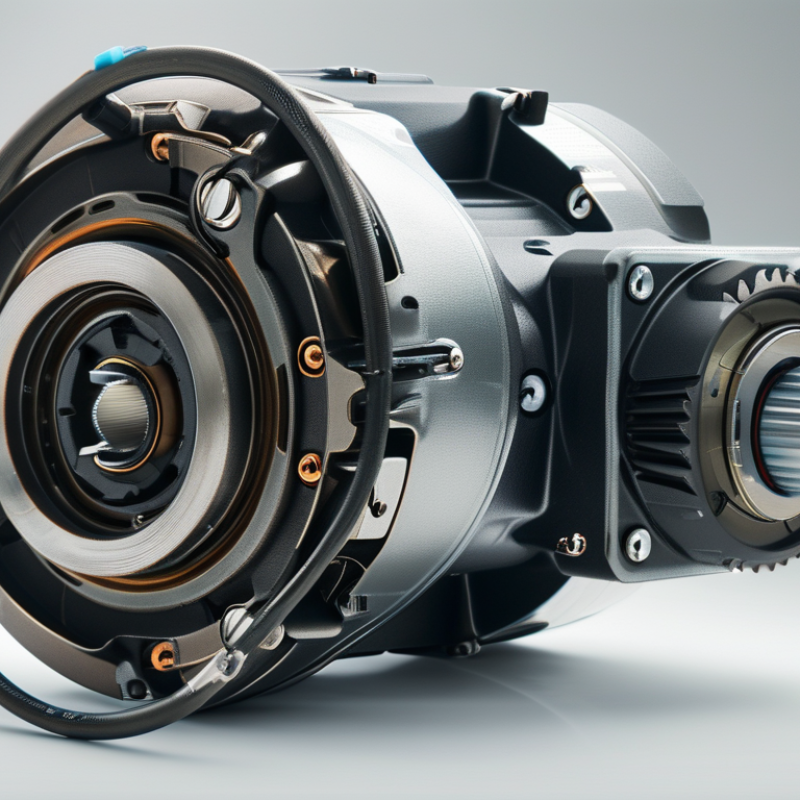
Understanding planetary gear motors requires careful consideration of their key features and design elements. These components play crucial roles in performance. Planetary gear motors consist of a sun gear, planet gears, and a ring gear. This setup provides high torque in a compact design. Their efficiency is often superior due to minimal friction.

When choosing a planetary gear motor, consider load requirements. A higher load demands a robust design. Analyze the motor's power density, as this affects overall size and weight. It's essential to match the motor's specifications with your application's needs.

Tips: Always assess the operating environment. Factors like temperature and exposure to dust can affect performance. Make room for adjustments in your design, as not all indicated specifications will suit every scenario perfectly. Reflect on your choices, as sometimes the strongest option isn't the best fit for your specific use case.

Evaluating Load Capacity: How to Match Motor Torque to Your Application Needs

Choosing the right planetary gear motor requires careful evaluation of load capacity. It's vital to match motor torque to your specific application needs. Understanding the load your project will impose on the motor is fundamental to ensure optimal performance.

When assessing load capacity, consider both the static and dynamic loads. Static loads refer to the weight the motor will lift, while dynamic loads include movement and acceleration forces. Make a detailed analysis of your application’s requirements. The ideal gear motor will balance speed and torque effectively.

**Tips:** Always calculate the required torque. A motor with insufficient torque can easily lead to failure. Take note of safety margins to accommodate unexpected loads. Using a slightly higher torque rating can prevent costly breakdowns, but avoid over-specifying, which may increase costs unnecessarily.

Pay attention to how changes in your application might affect load requirements. As operations evolve, so may the demands on the motor. Regularly review your load calculations and motor performance to stay aligned with your needs. This ongoing assessment often reveals the need for adjustments, such as different gear ratios or motor sizes.

Torque vs Load Capacity of Different Planetary Gear Motors

This chart compares the torque and load capacity of different planetary gear motors. The data helps in selecting the most suitable motor based on the application's torque requirements and the load it needs to handle.

Efficiency Metrics: Analyzing Gearbox Efficiency Ratings and Their Impact

When selecting a planetary gear motor, efficiency should be a primary consideration. Gearbox efficiency ratings influence performance and energy consumption. A higher efficiency rating typically leads to reduced energy loss during operation. This impacts not only the motor's operational cost but also its longevity. A well-optimized motor can operate at peak efficiency, minimizing unnecessary wear and tear.

Understanding the metrics behind gearbox efficiency is crucial. These ratings often reflect the ratio of output power to input power. Losses occur due to friction and heat generation. It's essential to consult detailed efficiency charts to compare different models. Not all manufacturers provide comprehensive data, which can lead to confusion. DIY assessments, while beneficial, may lack precision. The pursuit of a motor with the best efficiency rating requires meticulous evaluation.

However, claims of efficiency can be misleading. Some manufacturers overstate figures, leading to potential disappointment. Pay attention to real-world performance versus lab testing conditions. Research user reviews to gain insights into actual efficiency. Consider factors like load conditions and operational environment. A perfect solution may not exist for every scenario. Balancing efficiency with cost and application requirements is vital in the decision-making process.

2026 How to Choose the Best Planetary Gear Motor for Your Needs?

Motor Type Gear Ratio Torque (Nm) Efficiency (%) Weight (kg)
Planetary Gear Motor A 3:1 10 85 3.5
Planetary Gear Motor B 5:1 15 87 4.2
Planetary Gear Motor C 10:1 25 90 5.5
Planetary Gear Motor D 15:1 30 88 6.0

Selecting the Right Gear Ratio: Balancing Speed and Torque for Optimal Performance

When selecting a planetary gear motor, choosing the right gear ratio is crucial. The gear ratio dictates how speed and torque are balanced, impacting the system's overall performance. A higher gear ratio generally increases torque but decreases speed. Conversely, a lower gear ratio boosts speed but reduces torque. Consider your application's specific needs; understanding these trade-offs is essential.

Tips: When determining your gear ratio, calculate the required output speed. Determine the torque needed for your application. These calculations can guide your selection process effectively.

Test various gear ratios in real-world applications. Sometimes, theoretical calculations may not reflect practical outcomes. Observing the performance can reveal unexpected challenges. Fine-tuning a gear ratio may feel tedious. However, this step is vital for achieving optimal efficiency in your machinery. Balancing speed and torque should align with your operation goals.

Tips: Pay attention to load conditions and operational environments. These factors may influence how your chosen gear ratio performs under stress. Reflect on past experiences where a gear ratio misalignment led to inefficiency. Learning from such instances can strengthen your decision-making process.

Durability Considerations: Material Choices and Environmental Factors in Gear Motors

When selecting a planetary gear motor, durability is crucial. Material choices directly impact the motor's lifespan. Common materials include steel, aluminum, and plastic. Steel offers strength and resistance to wear. Aluminum is lighter and resists corrosion. Plastic is cost-effective but might not handle heavy loads well.

Environmental factors also play a significant role. Motors exposed to extreme temperatures require specialized coatings. Humidity can lead to rust and degradation. Operating in dust-prone areas calls for sealed designs to protect internal components.

Choosing the right motor involves trade-offs. Weigh the benefits of materials against environmental challenges. Sometimes, a motor that excels in one area may falter in another. Make sure to consult experts when in doubt. They can provide insights based on years of experience. Their guidance can help you avoid costly mistakes.

FAQS

: How do I evaluate the load capacity of a motor?

: Assess both static and dynamic loads for your application. Static loads are the weight, while dynamic loads involve movement forces.

What is static load?

Static load refers to the weight that the motor will lift without movement.

What factors should I consider for dynamic loads?

Consider the movement and acceleration forces that the motor will experience during operation.

Why is calculating required torque important?

Insufficient torque can lead to motor failure. Always ensure your torque calculations match application needs.

How can safety margins impact motor performance?

Safety margins accommodate unexpected loads and prevent breakdowns, but avoid oversizing to keep costs in check.

How do environmental factors affect motor choice?

Extreme temperatures and humidity affect motor materials. Use specialized coatings for protection in challenging environments.

What are the common materials used in gear motors?

Common materials include steel, aluminum, and plastic. Each has its strengths and weaknesses for durability.

How can I ensure motor durability?

Regularly review motor performance and make adjustments as needed, such as changing gear ratios or motor sizes.

When should I consult an expert?

Consult an expert if you are unsure about material choices or environmental factors impacting your motor.

Can motor requirements change over time?

Yes, as operations evolve, so may load demands on the motor, necessitating ongoing assessments.

Conclusion

When selecting a Planetary Gear Motor, it's essential to understand its key features and design elements. These motors excel in providing high torque output and compact size, making them suitable for various applications. Evaluating load capacity is crucial; matching the motor torque to your specific needs ensures optimal performance. Additionally, analyzing gearbox efficiency ratings helps gauge the motor's effectiveness and energy consumption.

Another critical aspect is selecting the appropriate gear ratio, which balances speed and torque for the desired outcome. Finally, considerations regarding durability should not be overlooked; choosing the right materials and accounting for environmental factors can significantly influence the lifespan of the gear motor. By taking these factors into account, you can make an informed decision to choose the best Planetary Gear Motor for your requirements.

Ethan

Ethan

Ethan is a seasoned marketing professional with a deep expertise in our company's innovative product line. With a passion for sharing knowledge and insights, he takes the lead in regularly updating our corporate blog, where he explores industry trends, product features, and effective marketing......