How to Choose the Right Motor for Lock Applications?

Time:2026-08-08 Author:Sophia
0%

In the emerging field of security technology, selecting the right motor for lock applications is crucial. Experts emphasize its importance. John Turner, a leading engineer in the Motor For Lock industry, states, "The integrity of a locking system begins with its motor." This insight resonates across various lock types, from residential doors to industrial security systems.

Choosing a motor for lock applications involves more than just specifications. It requires an understanding of the security needs and environmental conditions. For instance, a motor must endure varying temperatures and humidity levels in outdoor settings. Features like torque, speed, and voltage also play a critical role in ensuring reliability.

However, it's easy to overlook the nuances. Many overlook the significance of noise levels in a motor, especially in residential applications. A motor that operates quietly may seem unimportant, yet it greatly affects user experience. Careful consideration, therefore, is essential when selecting a Motor For Lock. Balancing performance with specific requirements shapes not only security but also convenience.
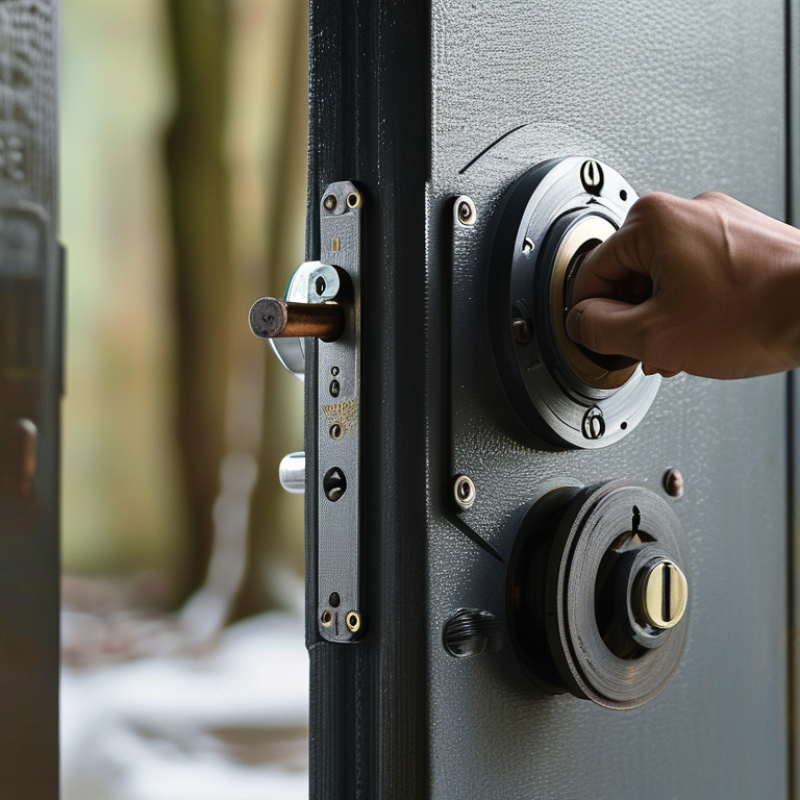
How to Choose the Right Motor for Lock Applications?

Understanding the Different Types of Motors for Lock Applications

When selecting a motor for lock applications, understanding the various types is crucial. The three primary motor types are DC motors, stepper motors, and servo motors. Each has distinct characteristics making them suitable for different operational needs. According to recent industry reports, DC motors offer simplicity and cost-effectiveness, often preferred in basic lock mechanisms. They typically operate efficiently within low torque requirements but may lack precision.

Stepper motors shine in applications needing precise control. Their design allows for incremental movements, which is ideal for locks that require accurate positioning. They are increasingly popular in high-tech locking systems. Industry experts indicate that stepper motors contribute to a 30% increase in responsive performance compared to traditional options. However, their complexity may lead to potential issues, especially in environments with variable loads.

Servo motors are known for their high efficiency and adaptability. They provide robust performance in demanding applications, which may involve integration with security systems. Research points out that while servo motors can be costlier, they often yield long-term savings due to their durability. Still, the initial investment might deter small manufacturers. Each motor type has strengths and weaknesses. Selecting the right motor depends heavily on the specific requirements and constraints of the lock application.

Evaluating Motor Specifications for Security and Efficiency

When selecting a motor for lock applications, understanding motor specifications is crucial for security and efficiency. The motor must be powerful enough to engage and disengage locks reliably. Look for motors with adequate torque ratings to handle various lock weights. Additionally, consider the speed of operation. A motor that moves too quickly may compromise security.

Tip: Evaluate the motor's energy consumption. Efficiency is key in optimizing performance while minimizing costs. Motors that consume less power reduce operational expenses and environmental impact.

Another aspect to assess is the motor's lifespan and durability. Locks are often exposed to harsh conditions. The motor should resist wear and tear, ensuring longevity. Choosing a motor with high-quality materials can prevent frequent replacements.

Tip: Check feedback and reviews from users. Real-world applications reveal motor performance insights. Understanding both successes and failures helps in making an informed choice.

Assessing Power Requirements for Locking Mechanisms

Choosing the right motor for lock applications is critical for reliability and efficiency. Assessing power requirements is the first step. Locking mechanisms vary in size and strength, so it’s essential to evaluate the force needed for operation. For instance, a heavy-duty lock will require a stronger motor compared to a simple latch mechanism.

**Tip:** Consider the torque ratings of different motors. They must exceed the demands of the locking system. Remember to account for any resistance from materials or environmental factors, which may impact performance.

Power supply is another crucial aspect. Motors can operate on AC or DC power, affecting efficiency and suitability. Determine what supply is available and how it impacts the motor's design. An improperly matched power source can lead to inconsistent operation.

**Tip:** Check the motor's duty cycle requirements. It should align with how often the lock operates. A motor that is overworked will have a shorter lifespan and higher failure rates.

Regular evaluation of motor performance should not be overlooked. Understanding the specific requirements for your locking mechanisms can lead to improved reliability. Monitor any changes in usage patterns, as they may necessitate a reevaluation of motor specifications.

Power Requirements for Locking Mechanisms

This chart illustrates the number of lock applications based on their power requirements. The categories are segmented into different power ranges, showcasing the distribution of applications across these ranges. This data can help in assessing which power levels are most commonly utilized in locking mechanisms.

Exploring Environmental Considerations in Motor Selection

When selecting motors for lock applications, environmental factors play a crucial role. Temperature extremes can affect motor performance. Motors in outdoor use face rain and dust exposure. A motor designed for such conditions must have proper sealing and robust materials. If these aspects are neglected, failures can occur.

Noise considerations are another important factor. Some environments require silent operation. This may lead to the selection of a quieter motor, despite a potential loss in efficiency. The trade-off must be deliberate and informed. Additionally, energy efficiency standards may differ by region. Ensure compliance to avoid penalties.

Delving into these factors isn't straightforward. Not every motor fits every application. Every project expects a unique blend of durability, efficiency, and noise control. Balancing these needs demands careful thought. Inadequate understanding can lead to mistakes that are costly and time-consuming. A thoughtful approach unlocks the potential for the best motor choice.

How to Choose the Right Motor for Lock Applications? - Exploring Environmental Considerations in Motor Selection

Motor Type Torque (Nm) Voltage (V) Efficiency (%) Temperature Range (°C) Environmental Rating
DC Motor 0.5 12 85 -20 to 60 IP54
Stepper Motor 1.2 24 75 0 to 50 IP40
Brushed DC Motor 2.0 12 90 -10 to 40 IP55
Servo Motor 3.5 48 95 -20 to 70 IP67

Comparing Cost and Maintenance of Various Motor Options

When selecting a motor for lock applications, cost and maintenance are critical factors. Electric motors vary widely in price. A basic DC motor may seem economical, but its lifespan could lead to higher maintenance costs. In contrast, stepper motors offer greater precision. However, they often require more complex controllers. Evaluating the initial investment against long-term performance is essential.

Maintenance also plays a significant role. Brushless motors typically need less upkeep than brushed ones. This can save time and resources over the years. Consider the environment where the motor operates. Dusty or wet conditions can affect motor longevity. Regular inspections will gauge performance and reveal potential issues.

Some users overlook the hidden costs. Installation expenses can vary based on motor type. Complex systems may require expert technicians. Ensuring you have budgeted for these factors is crucial. Careful evaluation of both cost and maintenance will lead to an informed decision. The right choice can significantly impact efficiency and reliability in lock applications.

FAQS

: What should I consider when selecting a motor for lock applications?

: Look for adequate torque ratings and speed of operation. High torque ensures reliability.

How does energy consumption affect motor selection?

Efficient motors reduce operational costs and environmental impact. Lower energy use is beneficial overall.

Why is the motor's durability important?

Motors face harsh conditions. A durable motor ensures a longer lifespan and fewer replacements.

How can I assess the power requirements for locking mechanisms?

Evaluate the force needed for the lock. Different locks require different motor strengths.

Why is the duty cycle important for motor selection?

A motor’s duty cycle should match how often the lock operates. Overworking a motor can shorten its lifespan.

What environmental factors should I consider?

Temperature extremes and exposure to elements affect performance. Choose motors with proper sealing for outdoor use.

How can noise level impact motor choice?

In some settings, silent operation may be necessary. This might mean selecting a quieter motor at the cost of efficiency.

How do I ensure compliance with energy efficiency standards?

Standards vary by region. Understanding these regulations helps avoid penalties and supports proper motor selection.

What should I do if performance issues arise?

Regularly evaluate motor performance. Changes in usage patterns may require reevaluation of your motor specifications.

Can user feedback help in motor selection?

Yes, insights from real-world applications reveal strengths and weaknesses. Learning from others aids in making informed choices.

Conclusion

When selecting the right motor for lock applications, it is essential to understand the various types of motors available and their suitability for different locking mechanisms. Evaluating motor specifications helps in ensuring both security and efficiency, which are critical in lock applications. Additionally, power requirements must be considered to guarantee that the motor can handle the demands of the locking system effectively.

Environmental factors also play a significant role in motor selection, as different conditions can affect performance and longevity. Finally, comparing the cost and maintenance needs of various motor options is crucial for making an informed decision. By carefully assessing these aspects, one can choose the ideal motor for lock systems that meets both operational requirements and budgetary constraints.

Sophia

Sophia

Sophia is a dedicated marketing professional with an exceptional depth of knowledge about her company's products and services. With a keen understanding of market trends and customer needs, she crafts insightful blog posts that not only inform but also engage readers, enriching the company’s online......