10 Tips to Choose the Right Industrial Gear Motor

Time:2026-09-07 Author:Amelia
0%

Choosing an Industrial Gear Motor is not simply a matter of matching horsepower to a catalog table. The correct choice begins with the machine’s real working conditions. Load weight, starting torque, speed, duty cycle, installation angle, and ambient temperature all matter. A conveyor moving warm, dusty materials needs different protection than a clean packaging line. Small details often decide service life.

Dr. Heinz P. Bloch, a respected machinery-reliability authority, states, “Reliability begins with correct application and selection.” That principle fits gear motor selection closely. A motor may appear powerful enough, yet still fail under repeated starts, shock loads, or poor lubrication. Rated torque alone does not tell the whole story. Look deeper.

This guide presents ten practical tips for choosing the right Industrial Gear Motor. It considers gearbox type, output speed, service factor, motor efficiency, mounting, brakes, sealing, noise, maintenance, and supplier support. Each point connects technical data with factory experience. Check the numbers twice. Assumptions can be expensive.

A useful selection process also leaves room for honest doubt. Application data may be incomplete. Future production changes may be unclear. Sometimes, the cheapest motor creates higher costs through overheating, downtime, or frequent replacement. A careful engineer asks uncomfortable questions before ordering. What happens during a jam? How often will the motor start? Will dust enter the housing? The answers create a more dependable decision.
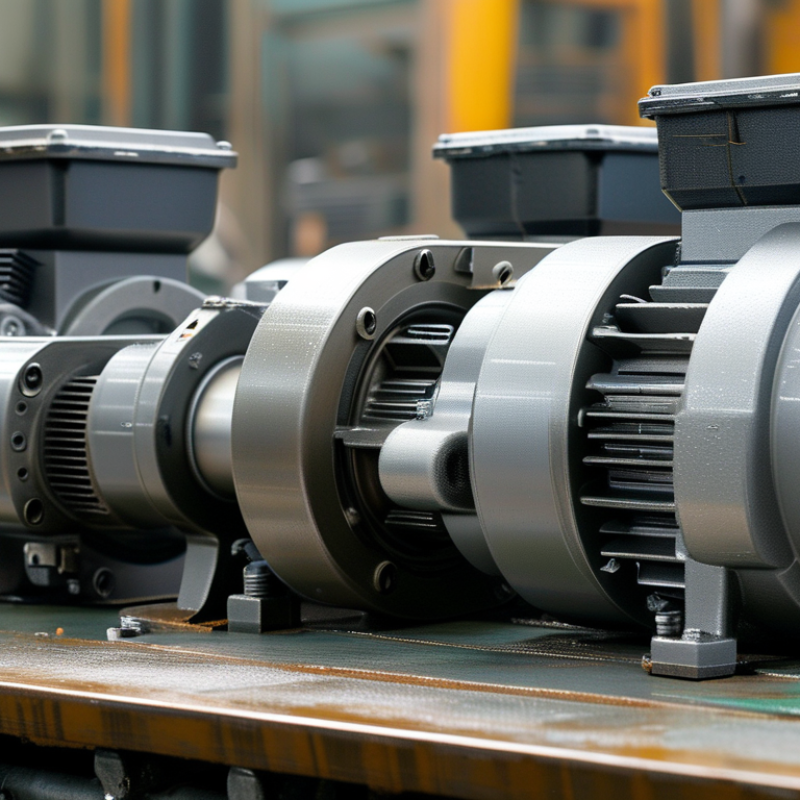
10 Tips to Choose the Right Industrial Gear Motor

Define the Application Requirements and Operating Conditions

Define the Application Requirements and Operating Conditions

Choosing an industrial gear motor starts with the machine, not the catalog. Record required output torque, speed, acceleration, and duty cycle. A conveyor moving 500 kilograms needs different performance from a mixer handling thick material. Measure the real load if possible. Estimates can hide costly surprises.

Check starting torque, shock loads, reversing frequency, and daily operating hours. A motor may run smoothly during testing but overheat during continuous production. Note ambient temperature, dust, moisture, washdown exposure, and installation altitude. Also confirm the mounting position, available space, shaft direction, and electrical supply. Small details matter.

I once reviewed a drive selected only by its rated power. The output speed was correct, but the starting torque was insufficient. The machine stalled whenever the hopper was full. That mistake taught me to examine the entire operating cycle, not just normal running conditions.

Leave a practical service margin, but avoid excessive oversizing. An oversized unit can cost more, waste energy, and perform poorly at light loads. Ask for documented torque curves, thermal limits, protection ratings, and maintenance requirements. Verify these details against actual site conditions. Even careful specifications can miss vibration, misalignment, or irregular loading. A short trial under realistic conditions often reveals more than a polished datasheet.

Match Motor Torque, Speed, and Power to the Driven Equipment

Choosing an industrial gear motor starts with the driven equipment, not the motor catalog. Identify the required output torque, operating speed, and power at the shaft. Conveyors, mixers, and lifting systems behave differently under load. Do not guess.

Calculate torque from power and speed, then allow for gearbox efficiency. A useful reference is T = 9550P/n, where T is torque in newton-metres, P is kilowatts, and n is revolutions per minute. Confirm the calculation with actual load data. A motor may reach the required speed but still stall during startup.

Check the full duty cycle. Note acceleration time, peak loads, reversing frequency, ambient temperature, and daily operating hours. A conveyor moving wet material may need much more starting torque than its running torque suggests. Include a suitable service factor, but avoid oversizing without reason. An oversized motor can cost more, waste energy, and respond poorly to frequent starts. Measure it when possible.

Gear ratio selection should match the required output speed closely. For example, reducing a 1,450-rpm motor to 50 rpm requires a ratio near 29:1, before considering slip and efficiency. Confirm the output shaft can handle radial and axial loads from chains, belts, or couplings. Mounting position also affects lubrication and heat release. Datasheets provide limits, but site conditions reveal problems they cannot predict. Leave room for reasonable overloads, while questioning every assumption before approval.

Industrial Gear Motor Selection: Torque Capacity by Application

Matching the gear motor to the driven equipment requires checking torque, speed, and power together. The recommended torque values below apply a 25% sizing margin above the estimated operating torque.

Operating power is calculated using P = T × 2π × n / 60, where T is torque in N·m and n is speed in rpm. Values are representative engineering reference points for preliminary selection; final sizing should also consider duty cycle, starts per hour, shock loading, service factor, braking requirements, and thermal limits.

Select the Appropriate Gearbox Type and Reduction Ratio

Choosing the right gearbox type begins with the load, not the catalog. Helical gearboxes suit continuous conveyors because they commonly deliver about 94–98% efficiency. Worm gearboxes may offer compact right-angle layouts, but efficiency can fall sharply at high reduction ratios. Planetary designs handle high torque density and low backlash, although their purchase cost and service requirements may be higher.

Calculate the reduction ratio from motor speed and required output speed. A 1,450 rpm motor driving a 29 rpm shaft needs approximately a 50:1 ratio. Do not guess. Check starting torque, peak torque, duty cycle, and shock loads. A gearbox rated only for average torque may fail during jams or frequent reversals. The U.S. Department of Energy’s motor-system assessments place motor-driven equipment near one-quarter of U.S. electricity use, so efficiency deserves more than a passing check. IEA energy-efficiency reports similarly identify motor systems as consuming roughly half of global electricity.

Confirm ten practical details: output speed, continuous torque, overload factor, mounting position, shaft direction, backlash, noise, ambient temperature, lubrication, and maintenance access. Select a service factor above the calculated load when impacts or long operating hours are expected. Enclosed helical or bevel-helical units often fit harsh industrial areas better than exposed mechanisms. A high ratio is not automatically better. It can increase losses, heat, and reflected inertia. Recheck the result against the actual machine cycle. Calculations can look precise and still describe the wrong machine.

Evaluate Efficiency, Duty Cycle, Mounting, and Environmental Protection

10 Tips to Choose the Right Industrial Gear Motor

Evaluate Efficiency, Duty Cycle, Mounting, and Environmental Protection

A gear motor should match the machine, not merely the catalog rating. The IEA reports that electric motor systems use about 53% of global electricity. Small efficiency losses can therefore become expensive over long operating hours. Check rated efficiency, gearbox losses, startup current, and part-load behavior. Measure the load. A motor running far below its efficient range may waste energy despite a high nameplate rating.

Duty cycle deserves equal attention. IEC 60034-1 classifies operating duties, including continuous, short-time, and intermittent operation. Record starts per hour, running time, braking events, and peak torque. A conveyor may appear lightly loaded, yet repeated acceleration can overheat its windings. Leave a realistic service margin, but avoid excessive oversizing. It increases cost and may reduce efficiency. This is where field experience matters.

Mounting errors can create noise, shaft stress, and premature bearing failure. Confirm flange dimensions, shaft orientation, backlash, and allowable radial loads before ordering. Then match protection to the site. IEC 60529 IP ratings address dust and water ingress, but they do not cover every chemical or washdown condition. IP65 may suit dust and water jets, while corrosive vapor needs material and seal review. A clean specification can still miss temperature, altitude, or cable-entry problems. Recheck the installation environment with actual measurements, not assumptions.

10 Tips to Choose the Right Industrial Gear Motor - Evaluate Efficiency, Duty Cycle, Mounting, and Environmental Protection

Tip Selection Dimension What to Evaluate Practical Guidance Example Specification or Check
1 Required Output Torque Determine the continuous torque, peak torque, output speed, and acceleration torque required by the driven load. Select a motor with sufficient continuous torque and an appropriate service factor for starting, shock, and overload conditions. For a conveyor requiring 120 N·m continuously and 180 N·m during startup, choose a unit whose allowable torque and starting capability exceed both values.
2 Efficiency and Energy Use Compare motor efficiency, gearbox efficiency, reduction ratio, operating load, and expected annual running hours. Use high-efficiency motor technology where the gear motor operates for long periods or at high load. Evaluate total system efficiency rather than motor efficiency alone. A helical or helical-bevel gearbox is generally more efficient than a worm gearbox at comparable conditions; verify the efficiency curve at the actual ratio and load.
3 Duty Cycle and Starts per Hour Check operating time, starts and stops per hour, reversing frequency, acceleration time, and intermittent peak loads. Match the gear motor to continuous duty or the required intermittent duty. Frequent starts increase thermal stress and may require a larger motor. A motor running 20 minutes per hour has a 33% duty cycle, but its starting frequency and peak load must also be checked before selection.
4 Operating Speed and Gear Ratio Define the required output speed, acceptable speed variation, ratio range, and whether variable-speed control is needed. Calculate the approximate ratio using input speed divided by desired output speed, then confirm the selected ratio does not exceed the gearbox limits. A 1,450 rpm motor driving a 50 rpm application requires an approximate reduction ratio of 29:1, subject to load and speed-control requirements.
5 Mounting Arrangement Confirm flange, foot, shaft, hollow-bore, face, and installation orientation requirements. Match the mounting form, shaft diameter, keyway, bolt pattern, and allowable overhung or axial loads to the machine design. For a hollow-shaft conveyor drive, verify bore size, key dimensions, torque arm requirements, shaft tolerance, and access for removal.
6 Environmental Protection Assess water, dust, washdown, humidity, chemicals, salt, outdoor exposure, and ambient temperature. Use an enclosure rating appropriate to the hazard. IP65 protects against dust ingress and water jets; higher protection may be required for immersion or severe washdown. For dusty indoor equipment, IP54 may be adequate. For wet food-processing areas, specify a suitable washdown design and confirm materials, seals, and cleaning chemicals.
7 Power Supply and Controls Verify voltage, phase, frequency, starting method, inverter compatibility, braking, feedback, and control-panel requirements. Confirm that the motor, drive, overload protection, and braking system are designed to operate together under the required speed range. A 400 V, three-phase, 50 Hz supply should be matched with the correct motor connection and protection settings; variable-frequency operation may require extra thermal protection.
8 Thermal Performance Review ambient temperature, altitude, ventilation, enclosure heat dissipation, oil temperature, and continuous-load heating. Apply derating when high ambient temperature, restricted airflow, high altitude, low speed, or unusually frequent cycling reduces cooling capacity. An enclosed motor operating at low speed with an inverter may need an independent cooling fan or a larger frame size to prevent overheating.
9 Noise, Vibration, and Backlash Identify acceptable noise level, torsional stiffness, positioning accuracy, vibration limits, and allowable output-shaft backlash. Choose the gearbox type according to motion requirements. Precision positioning generally needs lower backlash and greater mechanical stiffness than simple conveying. For indexing equipment, request a stated backlash value and test condition. For general conveyors, moderate backlash may be acceptable if positioning accuracy is not critical.
10 Serviceability and Total Cost Consider lubrication, bearing life, seal replacement, spare parts, inspection access, downtime cost, and expected operating life. Compare purchase price with energy consumption, maintenance, replacement intervals, and the financial impact of unplanned shutdowns. A gear motor with sealed-for-life lubrication may reduce routine maintenance, while an oil-filled design may offer serviceability for demanding continuous industrial operation.

Note: Final selection should be verified against the gear motor manufacturer's published torque, thermal, enclosure, mounting, duty-cycle, and service-factor ratings for the actual application.

Compare Materials, Maintenance Needs, Safety Features, and Total Cost

10 Tips to Choose the Right Industrial Gear Motor

Material selection affects service life more than many buyers expect. Steel gears handle heavy loads, while hardened alloys resist repeated shock. Aluminum housings reduce weight but may transfer vibration differently. Check shaft material, seals, and surface coatings against moisture, dust, and chemical exposure. A motor that looks powerful on paper can still fail in a hot, poorly ventilated workshop.

Maintenance needs should be measured before purchase. Ask how often oil changes, inspections, and seal replacements are required. Accessible inspection ports can save hours during a shutdown. Watch for unusual noise, rising temperature, or small oil leaks. These details often reveal misalignment or worn bearings early. In my experience, maintenance schedules are frequently too optimistic. Actual dust levels and operator habits may demand shorter intervals.

Safety features deserve equal attention. Thermal overload protection, enclosed guards, emergency stops, and secure mounting reduce practical risks. Confirm that the motor matches the machine’s voltage, duty cycle, load pattern, and operating environment. Total cost includes installation, energy use, spare parts, downtime, and disposal. A cheaper unit may consume more power or require frequent service. Request test data, maintenance records, and clear warranty terms from qualified suppliers. Numbers help, but field evidence matters more. Each factory behaves differently.

FAQS

: What information should I collect before choosing an industrial gear motor?

: Record torque, speed, acceleration, duty cycle, load weight, and daily operating hours. Measure the real load. Also check dust, moisture, temperature, mounting position, shaft direction, and available space.

Why is rated power alone not enough?

Rated power may match normal operation but fail during startup. A full hopper can demand much higher torque than an empty one. I have seen correct speed paired with insufficient starting torque. The machine stalled.

How can I calculate the required output torque?

Use T = 9550P/n. T means torque in newton-metres, P means kilowatts, and n means revolutions per minute. Include gearbox efficiency and confirm the result with actual load data.

How should I select the gear ratio?

Match the output speed closely to the machine requirement. Reducing 1,450 rpm to 50 rpm needs a ratio near 29:1. Allow for efficiency and possible speed variation.

What starting and operating conditions need special attention?

Check shock loads, acceleration time, reversing frequency, and repeated starts. A conveyor carrying wet material may need strong starting torque. Normal testing can hide overheating during continuous production.

What environmental details affect gear motor selection?

Review ambient heat, dust, moisture, chemical exposure, washdown, and installation altitude. A hot workshop with poor ventilation can shorten service life. Small details matter.

Which materials and protection features should I compare?

Steel gears suit heavy loads, while hardened alloys resist repeated shocks. Check shaft material, seals, coatings, housing strength, and thermal protection. Guards, secure mounting, and emergency stopping features also reduce practical risks.

How should I compare total cost and maintenance requirements?

Include installation, energy use, inspections, oil changes, spare parts, downtime, and disposal. Ask about seal replacement and inspection access. The cheapest unit may demand frequent service. Field conditions can prove the estimate wrong.

Conclusion

Choosing the right Industrial Gear Motor begins with a clear understanding of the application and operating environment. Define the required load, motion pattern, operating hours, temperature, moisture, dust, and available installation space. Then match the motor’s torque, speed, and power with the driven equipment to ensure reliable performance without overloading or wasting energy. Selecting the correct gearbox type and reduction ratio is equally important, as it affects output speed, torque multiplication, noise, and overall mechanical efficiency.

Before making a final decision, evaluate efficiency, duty cycle, mounting arrangement, and environmental protection requirements. Consider the materials used, expected maintenance, lubrication needs, safety features, and ease of service. A motor that meets the immediate technical specifications may still be unsuitable if it causes frequent downtime or high operating costs. Comparing total cost, including energy consumption, maintenance, installation, and service life, will help you choose a dependable and economical solution for long-term industrial use.

Amelia

Amelia

Amelia is a seasoned marketing professional with a wealth of expertise in our company’s core offerings. With an unwavering passion for driving growth and innovation, she plays a pivotal role in shaping our marketing strategies and enhancing brand visibility. A key aspect of her responsibilities......