What is a DC Micro Vibration Motor and How Does it Work?

Time:2026-08-18 Author:Oliver
0%

DC Micro Vibration Motors are essential components in many modern devices. They convert electrical energy into mechanical vibrations. This technology plays a significant role in enhancing user experience in smartphones, wearables, and gaming devices.

Understanding how the DC Micro Vibration Motor functions is crucial for designers and engineers. These motors are compact, making them ideal for small gadgets. Often, they create subtle feedback, improving user interactions in everyday tasks. The efficiency and effectiveness of these motors can vary. Manufacturers strive for better designs but face challenges with size and power consumption.

In exploring their functionality, it’s clear that developers must consider performance and reliability. Not all motors deliver the same results. Some may need adjustments for specific applications. As technology advances, the evolution of DC Micro Vibration Motors continues, pushing boundaries while necessitating ongoing reflection on their performance.
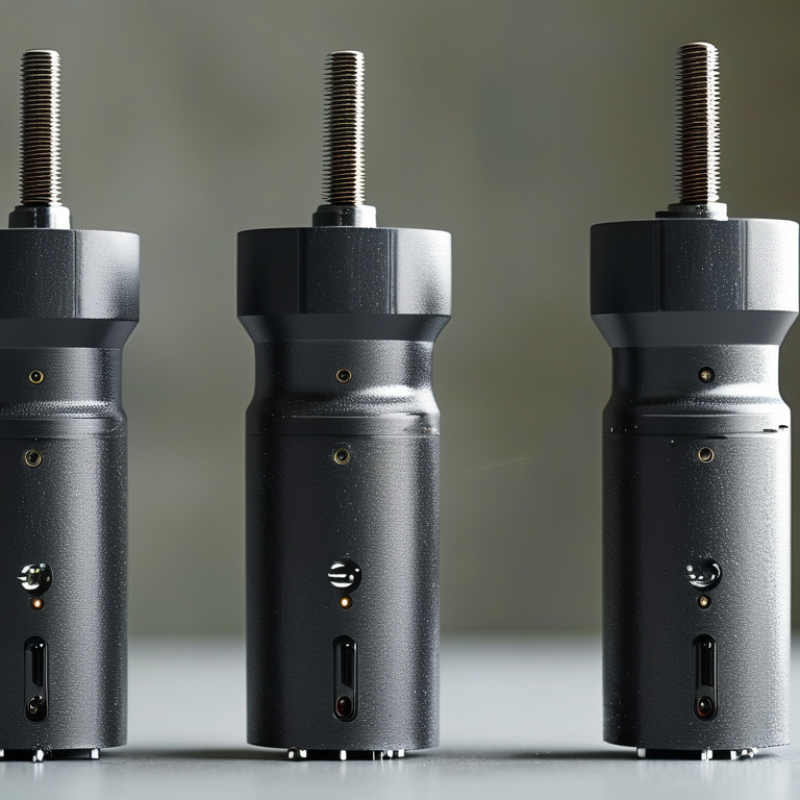
What is a DC Micro Vibration Motor and How Does it Work?

What is a DC Micro Vibration Motor?

A DC micro vibration motor is a compact device that converts electrical energy into mechanical motion. These motors are commonly used in mobile devices, wearables, and other small electronics. Their ability to produce vibrations makes them ideal for alerts, notifications, and haptic feedback. With their small size, they fit easily into space-restricted designs.

The working principle is based on the electromagnetic effect. When electrical current flows through a coil, it produces a magnetic field. This field interacts with a permanent magnet inside the motor. The result is rotational movement, which is translated into vibrations. Despite their effective design, manufacturing these motors comes with challenges. Achieving the right balance between size and power output can be difficult. Many designs struggle with durability and efficiency.

In various applications, using a DC micro vibration motor can enhance user experience. However, some may find the vibration strength insufficient. This can lead to uncertainty about their effectiveness. Users often seek stronger feedback for better interaction. Therefore, understanding the limitations of these motors is crucial for developers.

Key Components of DC Micro Vibration Motors

DC micro vibration motors are compact devices used in various applications. Their effectiveness lies in their simple yet efficient design. The key components include the rotor, stator, and an eccentric mass. These parts work together to create vibration.

The rotor spins within the stator, generating motion. This motion is not linear; it creates vibrations instead. The eccentric mass attached to the rotor plays a crucial role. As the rotor spins, the mass causes the motor to vibrate, providing the desired mechanical feedback.

Understanding these components is essential for optimizing performance. Maintenance can be tricky, as wear and tear may affect operation. Improper alignment can also lead to inefficiencies. Each of these factors must be monitored closely to ensure reliable function. The intricacies of design and assembly offer both challenges and opportunities for improvement.

How DC Micro Vibration Motors Work

DC micro vibration motors are compact devices that create vibrations through small rotational movements. These motors typically use direct current (DC) to operate. When electricity flows through the motor, it powers a small rotor. The rotor spins, producing vibrations that can be felt. This mechanism is essential in many applications, from mobile phones to gaming controllers.


Understanding how these motors work is crucial for effective integration into devices. The vibration intensity can vary based on the motor's design and the voltage applied. Higher voltage usually results in stronger vibrations. However, excessive voltage can cause overheating or damage. It's vital to balance the voltage for optimal performance without compromising durability.


Tip: Always check the specifications before integrating a micro vibration motor. A mismatch can lead to product failures or inefficiency. Consider testing the motor in a controlled setting to observe its performance and vibrations. This step helps in fine-tuning the device's functionality. Exploring different configurations can yield innovative solutions.

Applications of DC Micro Vibration Motors

DC micro vibration motors have become vital in various industries, thanks to their compact size and efficiency. They are primarily used in smartphones, wearables, and other portable devices. According to industry reports, the global market for vibration motors is projected to grow significantly, reaching an estimated $4 billion by 2025. This growth is driven by the increasing demand for haptic feedback in consumer electronics, enhancing user experience by providing tactile responses.

In healthcare, DC micro vibration motors offer innovative applications. They are used in medical devices for therapeutic purposes, such as muscle rehabilitation. These tiny motors can deliver controlled vibrations that aid in pain relief and stimulate blood circulation. A study published in the Journal of Medical Devices highlighted the positive impacts of vibration therapy on recovery times. However, the adoption of these motors in sensitive applications poses challenges, particularly in ensuring reliability and compatibility with medical standards.

The automotive industry also employs DC micro vibration motors for various applications. They assist in alert systems, enhancing driver safety and comfort. For instance, these motors can be integrated into seatbelt warnings or navigation systems. An increasing focus on vehicle safety is pushing manufacturers to explore advanced haptic feedback systems. Nonetheless, maintaining the right balance between performance and energy consumption remains a critical consideration.

What is a DC Micro Vibration Motor and How Does it Work? - Applications of DC Micro Vibration Motors

Motor Type Voltage (V) Size (mm) Vibration Frequency (Hz) Applications
Coin Type 3.0 12 200 Mobile Phones, Wearable Devices
Cylinder Type 5.0 10 150 Gaming Controllers, Robotics
Linear Type 3.7 20 300 Smartphones, Medical Devices
Spherical Type 2.8 8 250 Haptic Feedback, Consumer Electronics

Advantages of Using DC Micro Vibration Motors

DC micro vibration motors are small yet powerful devices commonly used in various applications, from consumer electronics to medical devices. Their compact size allows them to fit into tight spaces while delivering effective performance. One significant advantage is their low power consumption. According to a recent industry report, these motors typically consume less than 1 watt, making them highly efficient for battery-operated devices.

Another key benefit of DC micro vibration motors is their ability to provide tactile feedback. This feature enhances user interaction in smartphones and wearable technologies. The report indicates that devices with tactile feedback can improve user experience by up to 30%. This interaction becomes essential in gaming applications and virtual reality, where immersion is crucial.

However, it is important to note potential shortcomings. The vibration intensity can be limited compared to larger motors. Users may find that the feedback is insufficient for some applications. Exploring various designs and technologies can help address this issue. Balancing performance with size continues to be a challenge in the development of these motors.

FAQS

: What are DC micro vibration motors?

: DC micro vibration motors are compact devices used to generate vibrations in various applications.

What are the main components of these motors?

The main components include the rotor, stator, and an eccentric mass, all working together.

How does the rotor function within the motor?

The rotor spins inside the stator, creating non-linear motion that results in vibrations.

What role does the eccentric mass play?

The eccentric mass attached to the rotor is crucial for generating the vibrations desired in operation.

Where are DC micro vibration motors commonly used?

They are widely used in smartphones, wearables, and several portable devices for haptic feedback.

How are these motors beneficial in healthcare?

They assist in therapeutic devices, offering controlled vibrations for pain relief and blood circulation.

What challenges do these motors face in sensitive applications?

Ensuring reliability and compatibility with medical standards can be challenging during adoption.

How are these motors utilized in the automotive industry?

They help enhance safety by being integrated into alerts, such as seatbelt warnings or navigation systems.

What is a consideration for manufacturers in the automotive sector?

Balancing performance with energy consumption is a critical consideration in developing advanced haptic systems.

Is there potential for growth in the vibration motor market?

Yes, the global market is projected to reach around $4 billion by 2025 due to increased demand.

Conclusion

A DC Micro Vibration Motor is a compact device designed to generate vibrations through direct current. It consists of key components such as a rotor, stator, and an eccentric mass, which work together to produce the desired vibrating motion. The motor operates by converting electrical energy into mechanical motion, creating vibrations that can be finely tuned for various applications.

These motors are widely used in different fields, ranging from consumer electronics to medical devices, enhancing user experience through tactile feedback. The advantages of using DC Micro Vibration Motors include their small size, low power consumption, and customizable vibration patterns, making them ideal for applications in smartphones, wearables, and other portable devices. Overall, the utility and efficiency of DC Micro Vibration Motors continue to drive their popularity across multiple industries.

Oliver

Oliver

Oliver is a seasoned marketing professional with a wealth of expertise in driving brand awareness and engagement. With a deep understanding of our company's product offerings, he consistently delivers high-quality content that enriches our professional blog. His insights not only shed light on......