Choosing a reliable 12V DC Motor can be harder than comparing speed and price. Global buyers often face different load conditions, mounting standards, shipping requirements, and supplier practices. A motor that performs well on a workbench may struggle inside a compact machine. Heat builds quickly. Noise becomes noticeable.
This guide examines ten practical 12V DC motors for automation, robotics, pumps, fans, mobility equipment, and small industrial systems. Each option deserves attention for torque output, rated speed, stall current, duty cycle, shaft design, gearbox quality, and thermal behavior. We also consider supplier documentation, sample availability, production consistency, packaging, and technical support. These details matter when products cross borders and enter unfamiliar operating environments.
Real purchasing experience shows that the highest-rated motor is not always the best choice. Some datasheets provide excellent efficiency figures but omit continuous-load limitations. Others advertise impressive torque without explaining gearbox wear or current demand. That is where careful testing becomes essential. Measure current under load. Check vibration after extended operation. Confirm the connector and mounting dimensions before ordering large quantities.
The following selection is not absolute. Application requirements vary widely. However, it offers a practical starting point for buyers seeking dependable performance, clearer comparisons, and fewer costly surprises. Manufacturers should verify specifications with testing, not marketing claims alone. Reliable engineering begins with honest questions.
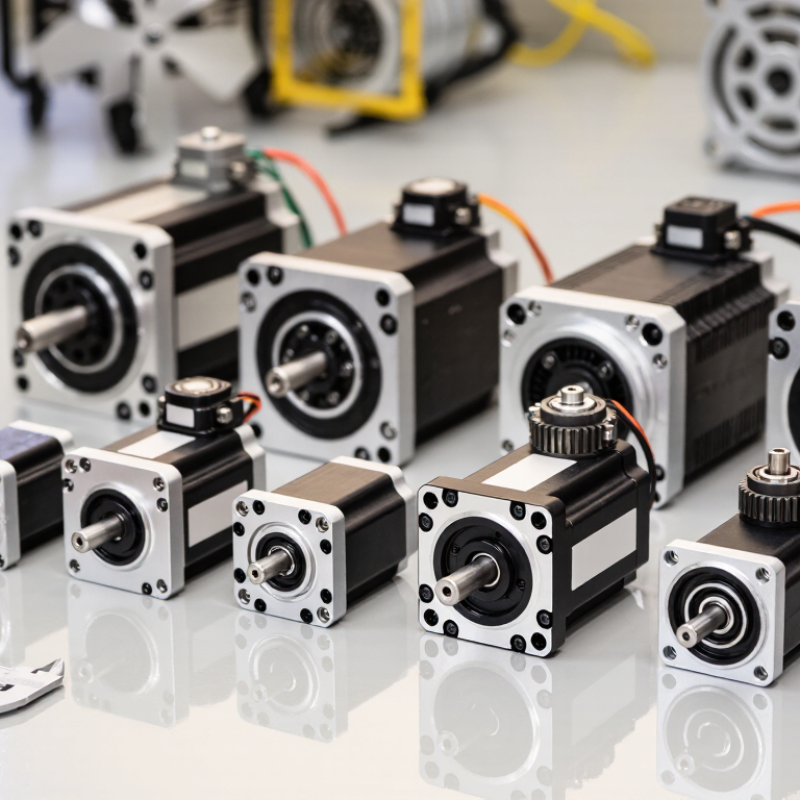
A 12V DC motor converts electrical energy from a 12-volt direct-current source into rotation. Its shaft can drive a wheel, fan, pump, or gear assembly, depending on the motor’s design. Some motors use brushes to transfer current; others use electronic control and have no brushes. That sounds simple. It isn’t always. Voltage alone does not tell buyers how fast a motor will turn or how much force it can deliver. Current rating, torque, operating speed, cooling, and duty cycle also matter. A motor running a small fan faces different demands from one lifting a loaded mechanism.
You’ll commonly find 12V DC motors in vehicle seat adjusters, window mechanisms, portable inflators, small pumps, and cooling fans. They also power mobile robots, hobby equipment, and compact appliances. In a workshop, a motor may turn a belt or move a lightweight platform. In a vehicle, it may need to start repeatedly despite vibration and temperature changes. Check the supply’s available current, not just its nominal voltage; startup can briefly draw more current than normal operation. Mounting dimensions and shaft shape matter too. A motor can fit electrically yet still fail to connect neatly to the driven part. Real applications are messier than catalog tables suggest.
A 12V label tells little about how a motor will perform under load. Compare its torque-speed curve, not just its advertised maximum speed. Check whether torque is continuous or a short-duration peak; a motor lifting a small gate repeatedly may overheat even when each lift looks easy. Small details matter.
Record no-load speed, rated current, stall current, and duty cycle. Stall current can be many times higher than running current, so the driver and wiring must handle startup safely. Heat changes everything. Compare thermal limits and test the motor inside its actual enclosure, where airflow may be poor. I still find that catalog torque figures can be hard to compare unless test conditions are stated.
The International Energy Agency’s 2011 report, Energy-Efficiency Policy Opportunities for Electric Motor-Driven Systems, estimates that motor-driven systems use about 46% of global electricity. That figure covers many motor types, not 12V units specifically, but it underscores why efficient matching matters. For procurement, also verify shaft size, mounting pattern, gearbox ratio, noise, and ingress protection. Ask for test data at the intended voltage and load; a neat specification sheet is not a substitute for a real operating test.
A practical comparison of common motor types and the specifications buyers should check.
| Motor Type | Typical Rated Power | Typical Output Speed | Typical Rated Torque | Typical Rated Current | Key Comparison Points | Common Applications |
|---|---|---|---|---|---|---|
| Small brushed permanent-magnet motor | 5–30 W | 3,000–10,000 rpm | 0.01–0.08 N·m | Approximately 0.5–3 A | Check shaft dimensions, rated speed, brush life, noise, and stall current. | Small pumps, fans, toys, and compact mechanisms |
| Medium brushed permanent-magnet motor | 30–100 W | 2,000–6,000 rpm | 0.05–0.45 N·m | Approximately 3–12 A | Compare continuous-duty rating, thermal limits, mounting details, and load current. | Appliances, small machinery, and general-purpose drives |
| High-power brushed permanent-magnet motor | 100–300 W | 1,500–5,000 rpm | 0.2–1.9 N·m | Approximately 10–35 A | Verify peak current, cooling requirements, duty cycle, and controller capacity. | Vehicle accessories, winches, and higher-load equipment |
| Brushed spur-geared motor | 10–100 W | 30–1,000 rpm | 0.2–15 N·m | Approximately 1–15 A | Compare gear ratio, backlash, output-shaft load limits, and gearbox life. | Conveyors, actuators, feeders, and positioning mechanisms |
| Brushed planetary-geared motor | 20–200 W | 20–1,500 rpm | 0.5–30 N·m | Approximately 2–25 A | Check continuous versus peak torque, gear material, backlash, and radial-load rating. | Robotics, compact drives, automation, and mobility equipment |
| Brushed worm-geared motor | 15–150 W | 10–300 rpm | 1–30 N·m | Approximately 2–20 A | Check gearbox efficiency, heat generation, permissible duty, and whether the output is self-locking; do not assume it is. | Gates, lifts, adjustable platforms, and low-speed mechanisms |
| Coreless brushed motor | 3–30 W | 5,000–20,000 rpm | 0.002–0.05 N·m | Approximately 0.5–5 A | Compare rotor inertia, speed range, brush life, and allowable continuous operation. | Portable devices, precision instruments, and compact actuators |
| Brushless DC (BLDC) motor | 20–300 W | 1,000–6,000 rpm | 0.03–1.5 N·m | Approximately 2–30 A | Check controller compatibility, sensor type, speed control range, and cooling needs. | Fans, pumps, e-mobility components, and long-life drive systems |
| Brushless DC geared motor | 20–200 W | 20–1,000 rpm | 0.3–25 N·m | Approximately 2–25 A | Compare controller requirements, gearbox ratio, rated output torque, and feedback options. | Automation, robotics, powered mechanisms, and commercial equipment |
| Brushed motor with encoder | 5–100 W | 30–6,000 rpm, depending on gearing | 0.02–10 N·m, depending on gearing | Approximately 1–12 A | Check encoder resolution, signal type, gearbox backlash, and controller input compatibility. | Closed-loop speed control, positioning, robotics, and laboratory equipment |
Important: Values are indicative ranges for common 12 V motor configurations, not specifications for individual models. Actual speed, torque, current, efficiency, and duty rating vary by design and operating conditions. Confirm continuous and peak ratings, stall current, voltage tolerance, dimensions, environmental protection, and applicable certifications against the specific manufacturer’s datasheet before selection.
A useful 12V DC motor ranking depends on the load, duty cycle, and available space. For raw torque, a permanent-magnet brushed motor suits compact drives and small pumps. High-speed brushed motors work well in fans and lightweight mechanisms. Add a gearbox, and output speed falls while usable torque rises. Fit matters.
Planetary gear motors offer strong torque in a compact package, while worm-geared designs can hold loads more firmly. Encoder-equipped motors provide feedback for positioning and speed control.
Coreless motors respond quickly, making them useful in instruments and small actuators. Brushless DC motors typically reduce brush wear, but require compatible electronic control. These designs overlap; a geared motor may also have an encoder.
For dusty or damp settings, a suitably sealed 12V motor may be a better choice than a more powerful open-frame unit. Low-noise motors suit indoor equipment, where vibration can travel through a thin panel and become surprisingly noticeable.
Check rated current, stall current, shaft dimensions, mounting pattern, and thermal limits against the actual application. A headline torque figure can mislead if it applies only briefly.
I would compare performance under the expected load, not just the bench specification. The best choice may look less impressive on paper.
For global buyers, a 12V label is only a starting point. Match the motor’s continuous torque, speed, duty cycle, shaft dimensions, mounting pattern, and polarity to the actual load. Check stall current too; a small motor can draw several times its running current when a mechanism jams. The IEA’s 2011 report, Energy-Efficiency Policy Opportunities for Electric Motor-Driven Systems, estimated that motor-driven systems use about 45% of global electricity. That figure covers many motor types, but it shows why performance claims deserve careful checking. Small details matter.
Request a test report tied to the exact model and rated voltage, then compare it with a sample under load. Measure current, speed, and temperature after a realistic operating period; a brief no-load spin proves little. The U.S. Department of Energy’s 2014 Improving Motor and Drive System Performance sourcebook estimates that motor systems account for about 68% of manufacturing electricity use. For safety, review insulation, wiring, thermal protection, and enclosure suitability against the destination’s requirements. IEC 60034-1 provides general rating and performance guidance for rotating electrical machines, while IEC 60529 defines enclosure IP ratings. Ask how production units are inspected, not just prototypes. Paperwork can still mislead. Test it warm, with the intended controller and supply, and record what changes. A neat datasheet cannot reveal every vibration, fit, or heat issue.
Top 10 12V DC Motors for Global Buyers?
Choosing a 12V DC motor starts with the job, not the label. Estimate the required torque, speed, operating hours, and load before comparing models. A motor that turns freely on a bench may stall under a real load. Check starting current, shaft dimensions, mounting holes, and whether the motor is brushed or brushless. Ask suppliers for a datasheet and sample testing when specifications are unclear. A low purchase price can be misleading.
Tips: Match the power supply to the motor’s voltage and current requirements. Disconnect power before installation. Secure the motor, align the coupling, and keep wires clear of moving parts. Use protection specified for the motor and power system. Small details matter.
After installation, test the motor first without a load, then under normal operating conditions. Measure current and check for unusual heat, vibration, or noise. Stop if anything seems wrong. Keep vents clear and inspect wiring, fasteners, and bearings at sensible intervals. Brushed motors may need brush inspection; maintenance needs vary by design. Even careful checks miss things, so record operating conditions and revisit the setup after a few weeks.
Compare common motor configurations when choosing a 12V DC motor. Speeds are representative examples, not universal specifications; actual performance varies by model, winding, and gear ratio.
Before purchasing, confirm the datasheet’s rated voltage, loaded speed, torque, current, and duty cycle. Use a compatible driver and power supply, and inspect connections and wear during maintenance.
It shows voltage, but not performance under load. Compare the torque-speed curve and rated operating conditions.
Record no-load speed, rated current, stall current, duty cycle, shaft size, and mounting pattern. Small details matter.
Stall current can greatly exceed running current. Make sure the driver and wiring can handle startup current.
Check its thermal limits and duty cycle. Test it inside the actual enclosure, where airflow may be poor.
Estimate the required torque, speed, operating hours, and load. A motor that spins freely on a bench may stall in use.
Request a datasheet and test data at your intended voltage and load. Sample testing can help when specifications are unclear.
Disconnect power, secure the motor, align the coupling, and keep wires clear of moving parts. Then test without a load first.
Measure current and check for unusual heat, vibration, or noise. Stop if anything seems wrong. Not always easy to judge.
Keep vents clear and inspect wiring, fasteners, and bearings at sensible intervals. Brushed designs may need brush checks.
No. Test conditions may differ or be missing, so published figures can be awkward to interpret. Recheck the setup after a few weeks.
This guide explains what a 12V DC Motor is, how it converts electrical power into motion, and where it is commonly used, from small appliances and hobby projects to automotive accessories and portable equipment. It outlines the key specifications buyers should compare, including voltage, speed, torque, current draw, motor size, operating conditions, and mounting requirements. The top ten options are considered by performance, design, and intended application, helping readers understand how different motor types may suit different needs.
For global buyers, the guide also describes practical ways to check product quality, safety information, electrical compatibility, and documentation before purchasing. It covers how to match a motor to a project, communicate requirements to suppliers, and plan for installation and routine maintenance. By considering the full process—from selection to ongoing care—readers can make a more informed choice and help ensure reliable operation.
