In the rapidly evolving world of automation, the significance of "DC Gear Motors" cannot be overstated. Experts like Dr. Alice Monroe, a leading authority in electromechanical systems, assert, “DC Gear Motors are crucial for achieving energy efficiency and precision.” As global industries seek versatile solutions, understanding various options in DC Gear Motors becomes essential.
These motors are integral to numerous applications, from robotics to automotive systems. They not only provide reliable performance but also enhance operational efficiency. Each option brings unique features that cater to different needs. Buyers must assess their requirements carefully. The market offers a range, but not all products meet high standards. Manufacturers often struggle with quality control and delivery timelines.
Choosing the right DC Gear Motor is not merely about price. It requires insight into technical specifications and supplier reliability. In 2026, buyers should reflect on their choices. Industry trends indicate a shift towards sustainable practices. However, challenges remain in balancing cost and quality. Decision-makers must remain vigilant and informed in this complex marketplace.
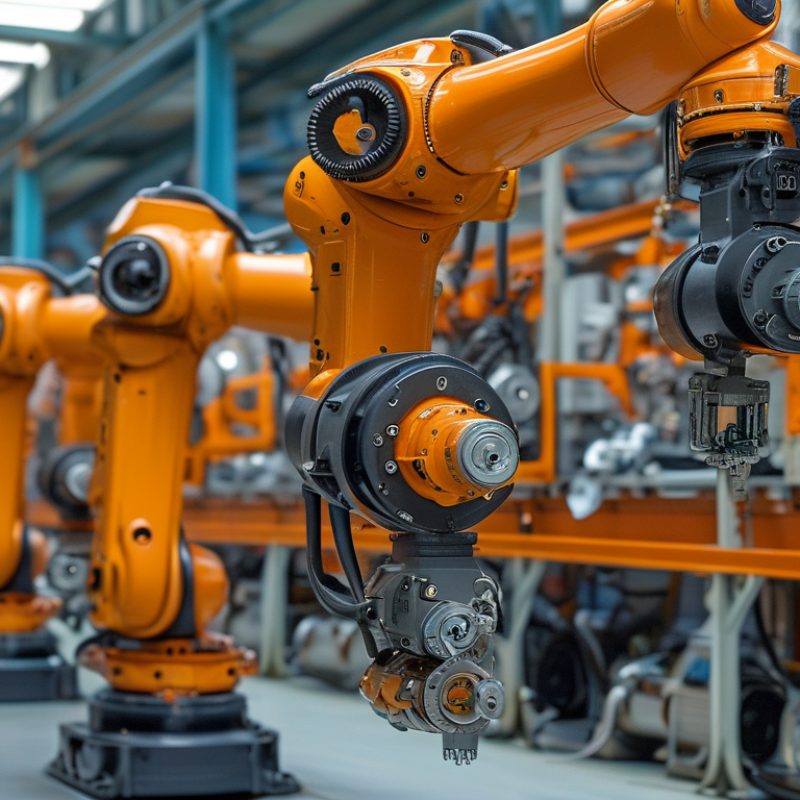
As we approach 2026, the landscape of DC gear motors is evolving rapidly. Emerging trends highlight a significant shift towards energy efficiency and smart technology integration. According to market research, the global DC gear motor market is projected to grow at a CAGR of over 8%. This surge reflects the increasing demand for automation across various industries, including robotics and automotive sectors.
Manufacturers are focusing on developing gear motors that are not only more efficient but also more compact. The integration of IoT allows for smarter systems that can be remotely monitored and controlled. Buyers are urged to consider these factors, ensuring they choose solutions that align with future technological advancements.
Tip: When selecting a DC gear motor, prioritize energy-efficient options to reduce long-term operational costs.
Another trend worth noting is the rise of customized solutions. Many manufacturers cater to specific applications, allowing for tailored gear ratios and torque outputs. While customization offers great flexibility, it can also lead to complexity in the supply chain. Buyers should weigh the benefits against potential delays and costs.
Tip: Evaluate the supply chain capabilities of manufacturers when considering custom solutions.
When selecting a DC gear motor, understanding your application environment is crucial. A recent industry report highlighted that roughly 45% of DC gear motor failures are linked to inadequate environmental considerations. These failures often stem from overheating and exposure to dust or moisture. Therefore, you should carefully assess the operating conditions in which the motor will function. Ensuring protection against harmful elements will enhance longevity and performance.
Another significant factor is the torque requirements of your application. A 2023 market analysis revealed that 60% of users underestimated their torque needs, leading to frequent downtime. Evaluating the load and calculating the necessary torque can prevent issues. Choosing a motor with too little torque may result in inefficiencies. It's common to overlook the importance of precision in this area, but it directly impacts the overall efficiency of your system. Keep in mind, sometimes, a slightly more powerful motor can save costs in the long run due to less maintenance.
Lastly, the gear ratio plays a vital role in determining performance. The right gear ratio can significantly influence output speed and torque. Miscalculating your gear ratio may lead to poor operational efficiency or even failures. A staggering 38% of users faced this issue in the past year alone. A thorough analysis of speed and torque requirements is essential. Balancing these elements will determine the success of your project.
| Model | Voltage (V) | Torque (Nm) | Speed (RPM) | Efficiency (%) | Weight (kg) |
|---|---|---|---|---|---|
| Model A | 12 | 1.5 | 200 | 85 | 0.8 |
| Model B | 24 | 2.0 | 150 | 88 | 0.9 |
| Model C | 36 | 2.5 | 100 | 90 | 1.0 |
| Model D | 48 | 3.0 | 75 | 87 | 1.2 |
| Model E | 12 | 1.2 | 300 | 84 | 0.7 |
| Model F | 24 | 1.8 | 180 | 89 | 0.85 |
| Model G | 36 | 2.2 | 120 | 91 | 1.05 |
| Model H | 48 | 3.5 | 60 | 86 | 1.3 |
| Model I | 12 | 1.0 | 400 | 83 | 0.6 |
| Model J | 24 | 2.0 | 180 | 92 | 0.75 |
In 2026, the DC gear motor market is predicted to reach $10 billion, according to industry research. Many global buyers seek reliable options for various applications. The efficiency of a DC gear motor is critical, impacting performance and energy consumption. Evaluating brands based on performance specifications can provide insights into their reliability and suitability for diverse projects.
Leading brands are consistently evaluated on torque, speed, and durability. The right choice can significantly enhance device efficiency and longevity. Reports suggest that motors with high torque ratings perform better under load, which is essential in demanding environments. Buyers should also consider the materials used in construction, as durability can affect long-term operation and maintenance costs.
Price doesn’t always indicate quality. Some budget options may perform surprisingly well, while premium brands sometimes underdeliver. Inconsistent performance can lead to operational setbacks. Understanding specifications deeply can help avoid these pitfalls. Buyers need to balance cost and efficiency for optimal results.
The landscape of DC gear motor design is rapidly evolving. Innovative technologies are leading the charge. Reports indicate that the $10 billion DC gear motor market is projected to reach by 2026. This growth is driven by advancements in efficiency and performance, crucial for various applications. The demand for more compact and powerful motors is increasing. This is especially important in automotive and robotics sectors.
Recent innovations include high-efficiency brushless designs. These motors reduce energy loss and extend operational life. Research shows that brushless DC motors can provide up to 90% efficiency. Additionally, the integration of smart technologies, such as IoT connectivity, is transforming how these motors are controlled. Users can now monitor performance in real-time. Such data enables better predictive maintenance. Yet, implementing these technologies requires careful consideration of system compatibility.
Challenges remain in material sourcing and production costs. As manufacturers develop lighter and more durable materials, costs may fluctuate. The need for sustainability is another pressing issue. Many consumers demand environmentally friendly options. Some manufacturers are hesitant to fully embrace these changes. Balancing performance and ecological impact is a complex task. The future may see a shift in how these motors are conceptualized and produced, as the industry seeks to meet global standards.
DC gear motors are set to revolutionize various industries in the coming years. These devices convert electrical energy into mechanical power with great efficiency. They are compact yet powerful, making them ideal for applications in robotics, automotive, and home automation. The rising demand for smart and automated solutions drives their popularity.
In robotics, DC gear motors enable precise control of movement. They help robots navigate complex environments, enhancing their functionalities. In the automotive industry, these motors provide essential functions like window control and seat adjustments. Their compact design allows for seamless integration into existing systems. Furthermore, as electric vehicles gain traction, the need for reliable DC motors will only increase.
Home automation could see even more innovative uses of DC gear motors. They make everyday tasks easier, from automatic curtains to smart locks. However, the challenge lies in maintaining reliability and minimizing energy consumption. Industry players must focus on sustainable technology to meet future demands. Balancing efficiency and durability will be key to success.
: The market is expected to reach $10 billion by 2026.
Efficiency impacts performance and energy consumption in various applications.
Buyers should evaluate torque, speed, and durability for reliable performance.
No, budget options can perform well, while expensive brands may underdeliver.
Brushless designs and IoT connectivity are transforming motor control and efficiency.
They provide precise movement control, crucial for navigating complex environments.
Material sourcing and production costs can fluctuate, impacting pricing.
They simplify tasks like automatic curtains and smart locks, enhancing convenience.
Balancing performance with sustainability will be essential in meeting consumer demands.
Minimizing energy consumption is key to maintaining reliability and efficiency in designs.
The article "Top 10 DC Gear Motor Options for Global Buyers in 2026" highlights significant trends and advancements in the DC Gear Motor market expected to shape the industry in the coming years. It discusses the key factors that buyers should consider when selecting DC Gear Motors, emphasizing aspects such as torque, efficiency, and design compatibility.
Moreover, it provides an overview of innovative technologies being integrated into DC Gear Motor design and manufacturing, paving the way for enhanced performance and reliability. The article also explores the future applications of DC Gear Motors across various industries, showcasing their versatility and importance in driving automation and improving operational efficiency in diverse settings.