Choosing the right Electric Gear Motor is crucial for various applications in industry. With the global electric motor market projected to reach $170 billion by 2026, the demand for efficient gear motors is growing rapidly. These devices are essential for converting electrical energy into mechanical motion, serving numerous sectors such as manufacturing and renewable energy.
When selecting an Electric Gear Motor, various factors come into play. Efficiency ratings, torque requirements, and size constraints are all critical considerations. Studies show that right-sizing gear motors can improve system efficiency by up to 20%. However, many users overlook the importance of matching a motor’s specifications to their specific needs, leading to performance issues down the line.
Investing in the wrong Electric Gear Motor can have costly repercussions. For instance, oversizing may lead to unnecessary energy consumption, while undersizing could result in inadequate power. Evaluating your operational needs and conditions is vital. Overall, informed decisions are essential to harness the true potential of gear motors in today's innovative landscape.
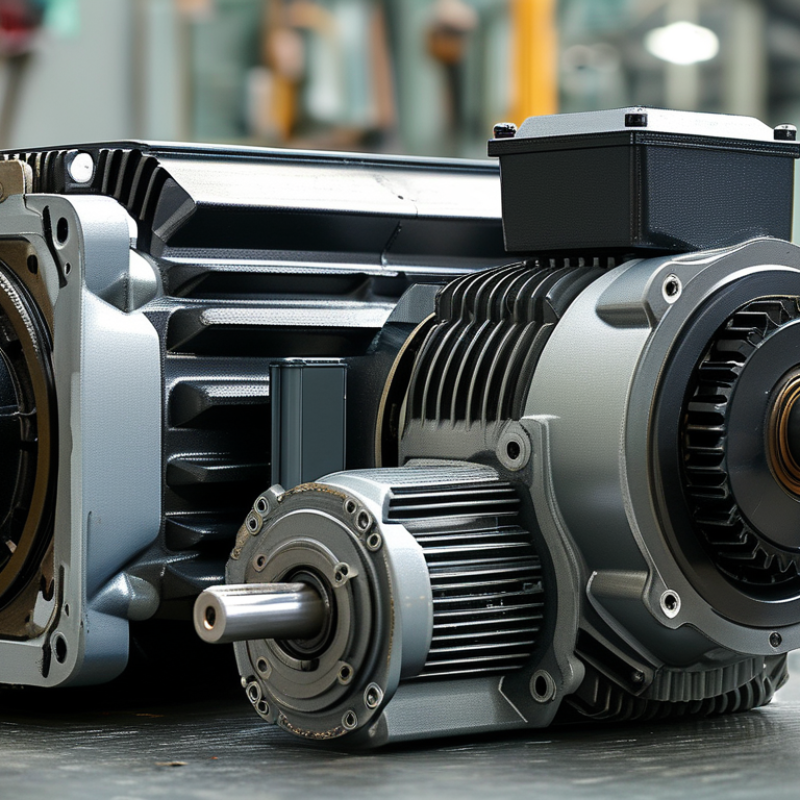
Electric gear motors play a vital role in various applications. They are commonly found in conveyor systems, robotics, and automotive industries. Understanding how these motors work is essential for selecting the right one. Essentially, an electric gear motor combines a standard electric motor with a gearbox. This combination helps increase torque while reducing speed, making it suitable for heavy-duty tasks.
When choosing an electric gear motor, it’s crucial to consider application requirements. Factors such as load type, size, and operational environment are key. For instance, a lightweight application might require a different motor than one intended for outdoor or high-temperature settings. Details like power rating and gear ratio also impact performance. Overlooking these aspects can lead to inefficient operation or even equipment failure.
Additionally, it's important to evaluate the availability of spare parts and support services. Working with reliable manufacturers ensures access to technical assistance when problems arise. However, not every brand will meet expectations. Some products may lack durability or experience frequent issues. Conducting thorough research can aid in avoiding such pitfalls. Knowing the specific needs and capabilities of your electric gear motor is key to optimizing performance and longevity.
| Criteria | Description | Considerations |
|---|---|---|
| Torque Requirement | Determine the torque needed for your application. | Select a motor with the appropriate torque ratings. |
| Speed | Identify the speed at which the motor needs to operate. | Consider variable speed options for flexibility. |
| Power Supply | Check if your application requires AC or DC power. | Ensure compatibility with existing systems. |
| Size and Weight | Consider the physical dimensions and weight constraints. | Choose a motor that fits your space limitations. |
| Environment | Evaluate operating conditions (e.g., temperature, humidity). | Look for motors with appropriate IP ratings for protection. |
| Budget | Determine your financial constraints for this purchase. | Weigh the initial cost against long-term savings. |
| Efficiency | Assess the energy efficiency ratings of the motor. | Opt for high-efficiency models to reduce energy costs. |
: An electric gear motor combines an electric motor and a gearbox. It increases torque while reducing speed.
They are found in conveyor systems, robotics, and automotive industries. Each application has unique demands.
Consider load type, size, and operational environment. These details affect performance and suitability significantly.
DC gear motors have high torque at low speeds. However, they may require regular maintenance to avoid wear.
AC gear motors provide consistent power and reliability, making them suitable for industrial settings. They may lack startup torque.
Reliable access to spare parts and support helps in resolving issues quickly. Not all manufacturers provide this.
Planetary gear systems are compact and efficient. They offer high output but can be more complex and expensive to maintain.
Yes, ignoring factors like power rating or gear ratio can result in inefficient operation and possible equipment failure.
Reflect on specific needs and operational contexts. Make informed choices to minimize future issues and performance problems.
Conduct thorough research on manufacturers for support services. Some products may lack durability and lead to frequent issues.
Choosing the right electric gear motor requires a comprehensive understanding of its functionalities and applications. Key factors to consider include power requirements such as torque, speed, and load capacity, which determine the motor's suitability for specific tasks. Additionally, it's essential to evaluate the different types of electric gear motors available, each offering distinct advantages and disadvantages based on their design and use case.
Maintenance plays a crucial role in the longevity and optimal performance of electric gear motors. Regular upkeep ensures that these motors operate efficiently over time. By focusing on these aspects, users can make informed decisions that align with their unique needs, ensuring the selection of an electric gear motor that not only meets performance specifications but also enhances reliability in various applications.

 Goaxis Pro