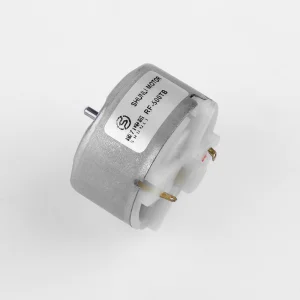
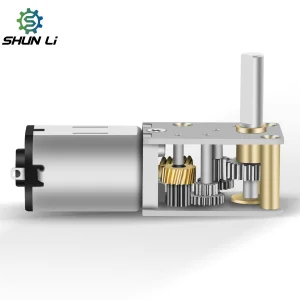
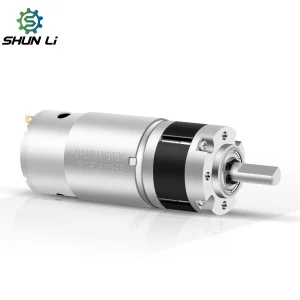
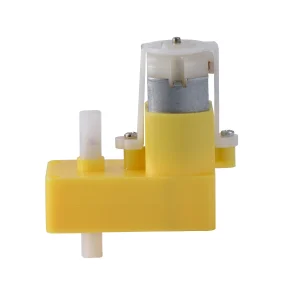
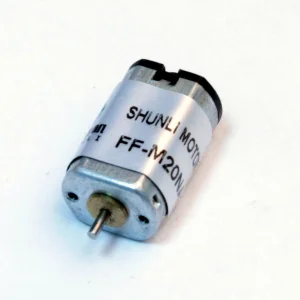
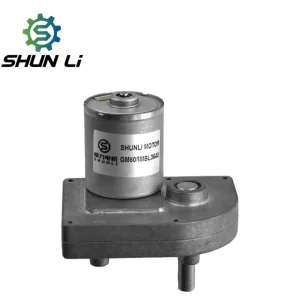
Explore our high-efficiency gear reduction units, optimized for diverse load dynamics, silent actuation, and compact integration. Select a product series below to view detailed specifications.
Years Manufacturing Experience
In-House Testing Validation
Field Defect Rate Threshold
Custom Gearhead Prototypes / Year
Direct-from-source precision gear reduction systems designed to eliminate middleman margins, translation discrepancies, and process fluctuations.
Deep expertise in design, material analysis, and process automation since 2006. Stable pipelines for large-scale production cycles.
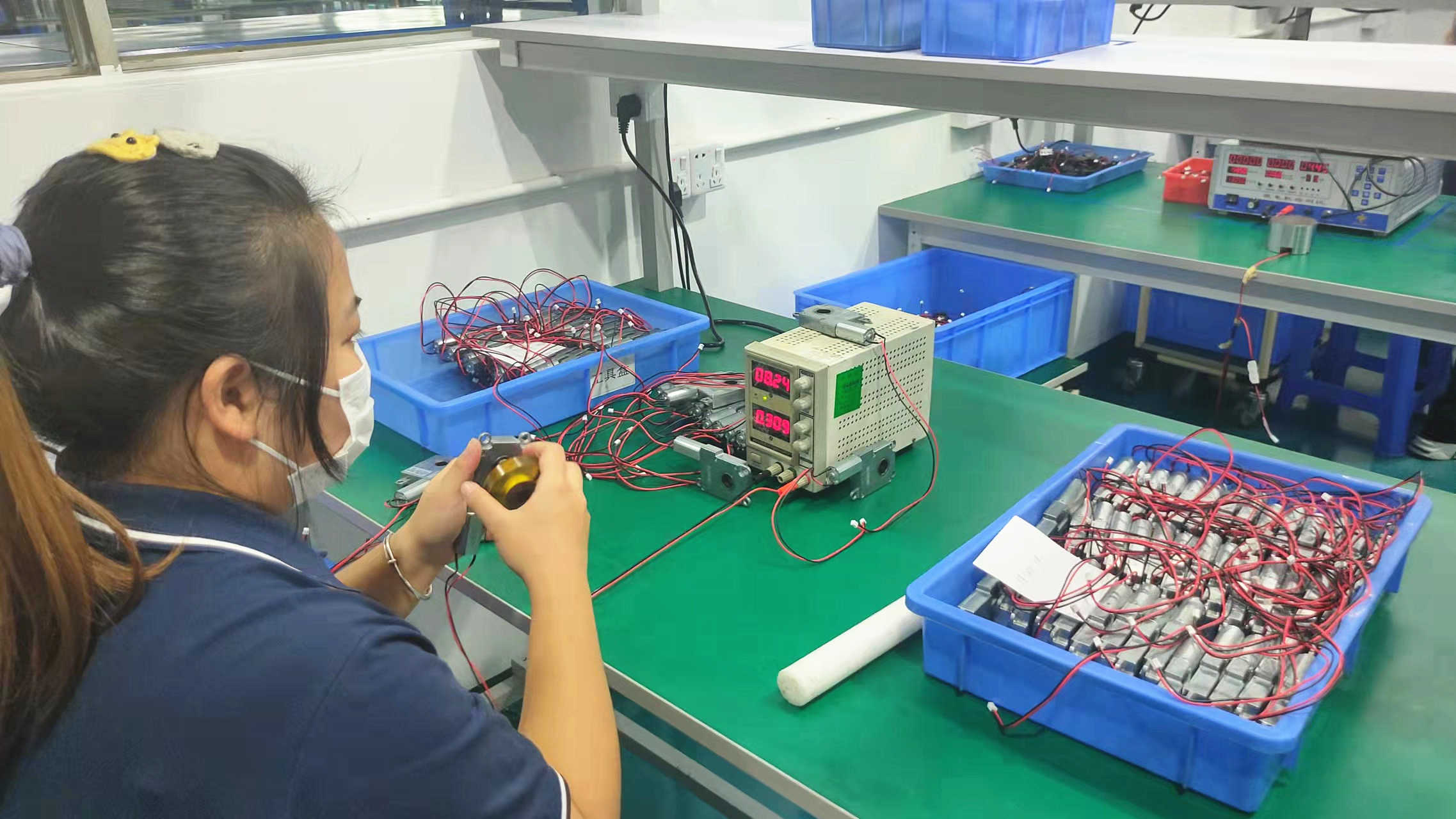
We execute rigorous dynamometer, balancing, and noise testing on every run under physical simulation limits before shipping.
Fast translation of custom shaft dimensions, dynamic encoder integration, and specialty planetary gear ratio designs.
Ensuring cross-border compliance. Products adhere strictly to CE, RoHS, REACH, and ISO 9001:2015 frameworks.
Deceleration systems are critical components in motion control, functioning to increase output torque while reducing operational shaft speeds.
By employing optimized gear reduction, smaller electric motors can perform mechanical tasks that would otherwise require bulkier direct-drive assemblies. The core design principles rely on the physical trade-off between rotational velocity and force transmission. As speed decreases via the gear ratio, the available continuous and peak torque increases proportionally, minus the thermal losses generated within the gear mesh itself.
For custom OEM design, choosing the correct gear configuration is critical. Planetary gear systems are suited for high-density power requirements in narrow form factors due to their shared load pathways. Worm gear drives excel in perpendicular transmissions where self-locking capability is needed for safety. Spur gearheads remain the preferred option for high-volume, cost-effective consumer devices.
Comparing common gear types across key metrics. This guide helps engineers select the optimal drive type for custom applications.
| Gear Reduction Architecture | Efficiency Range | Typical Backlash Limits | Peak Torque Density | Primary Industrial Applications |
|---|---|---|---|---|
| Planetary Gearbox | 80% – 95% | < 15 arc-min (Precision class) | High | Robotics, CNC, Aerospace, Medical Pumps |
| Worm Gear Reducer | 40% – 75% | > 30 arc-min | Medium-High | Vending Machines, Automated Gates, Material Handling |
| Spur Gearhead | 60% – 90% | > 20 arc-min | Low-Medium | Toy Motors, Domestic Appliances, Consumer Electronics |
| Helical Gear System | 85% – 97% | < 10 arc-min | Medium | Automotive Actuators, Continuous Industrial Conveyors |
Every step of our process—from raw material analysis to final precision assembly—is managed in-house to guarantee quality and reliability.

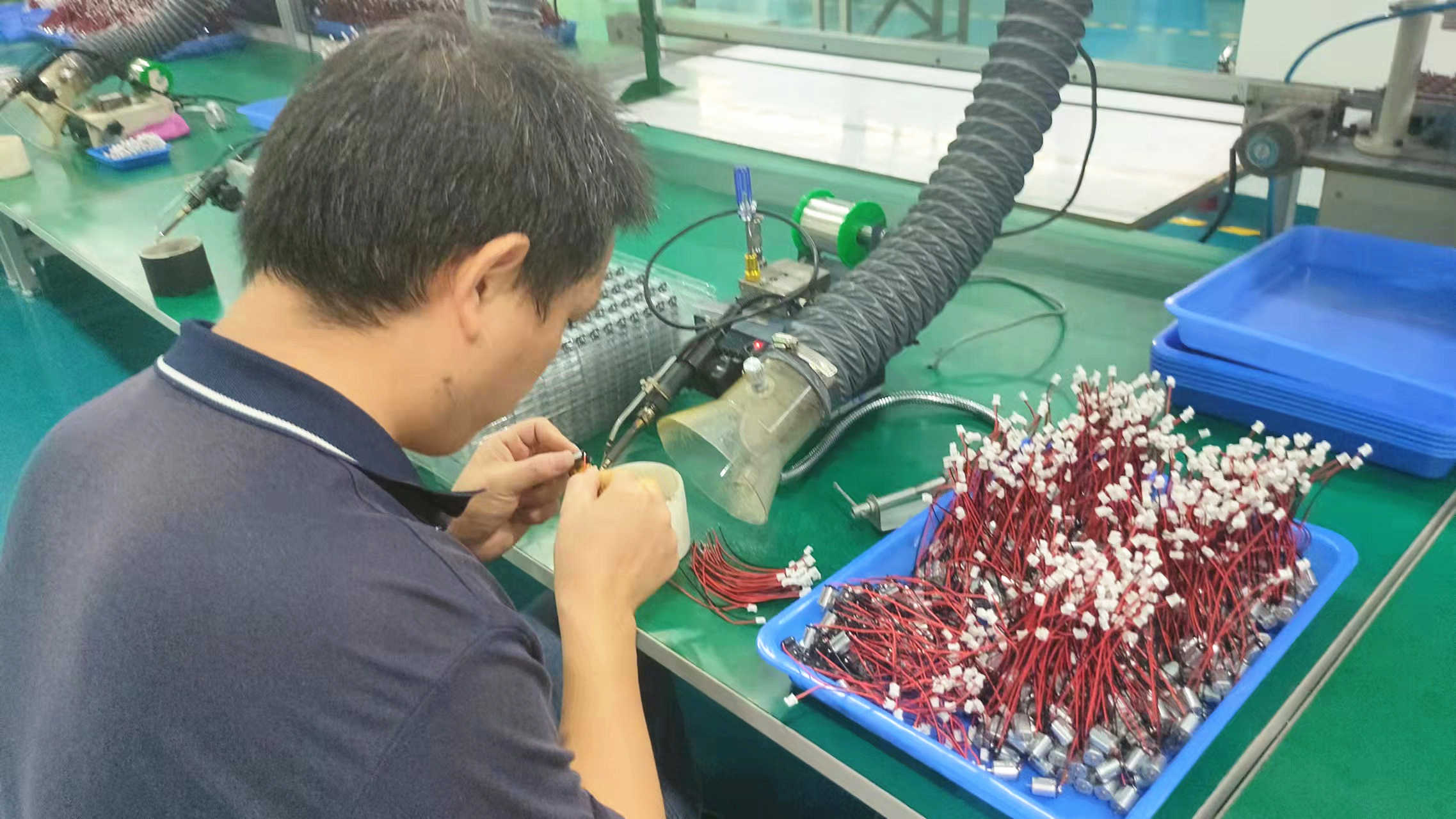
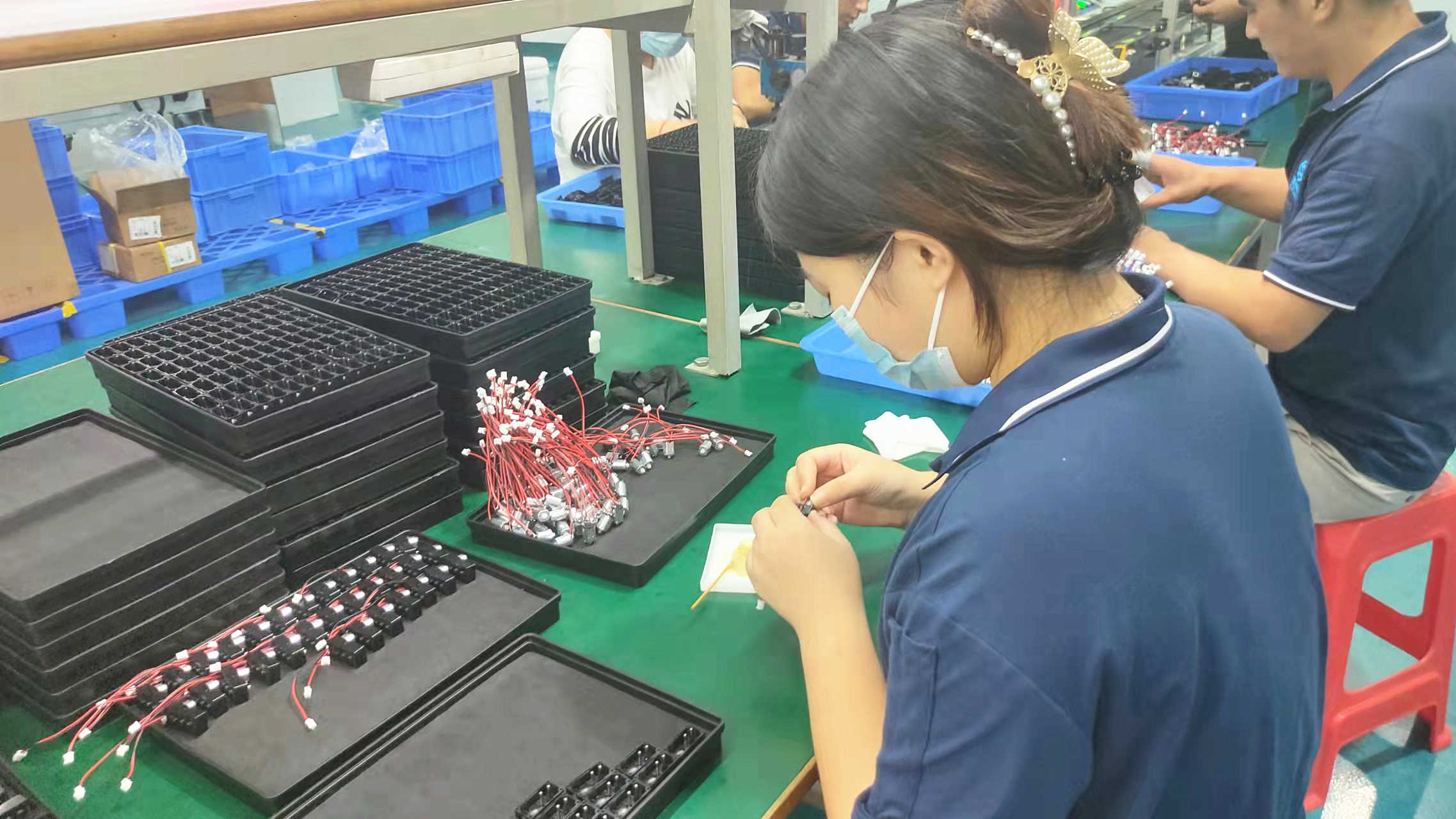
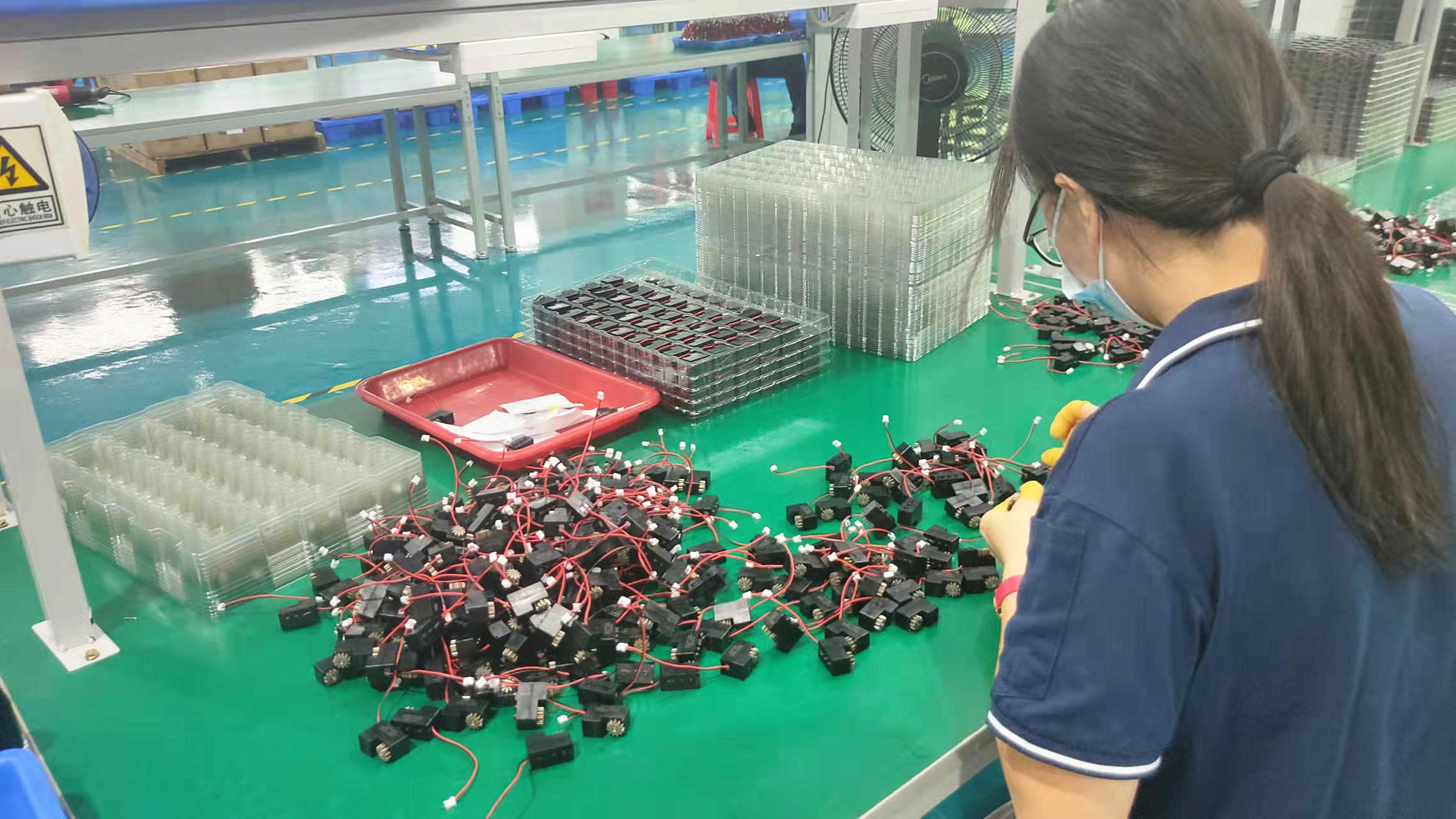
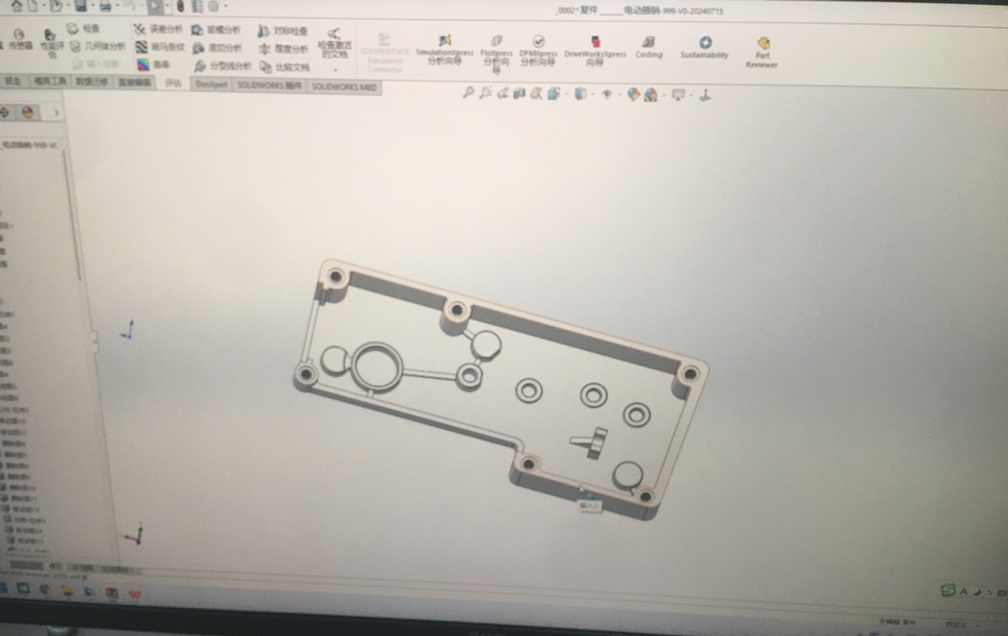
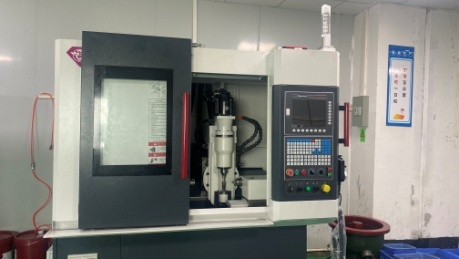
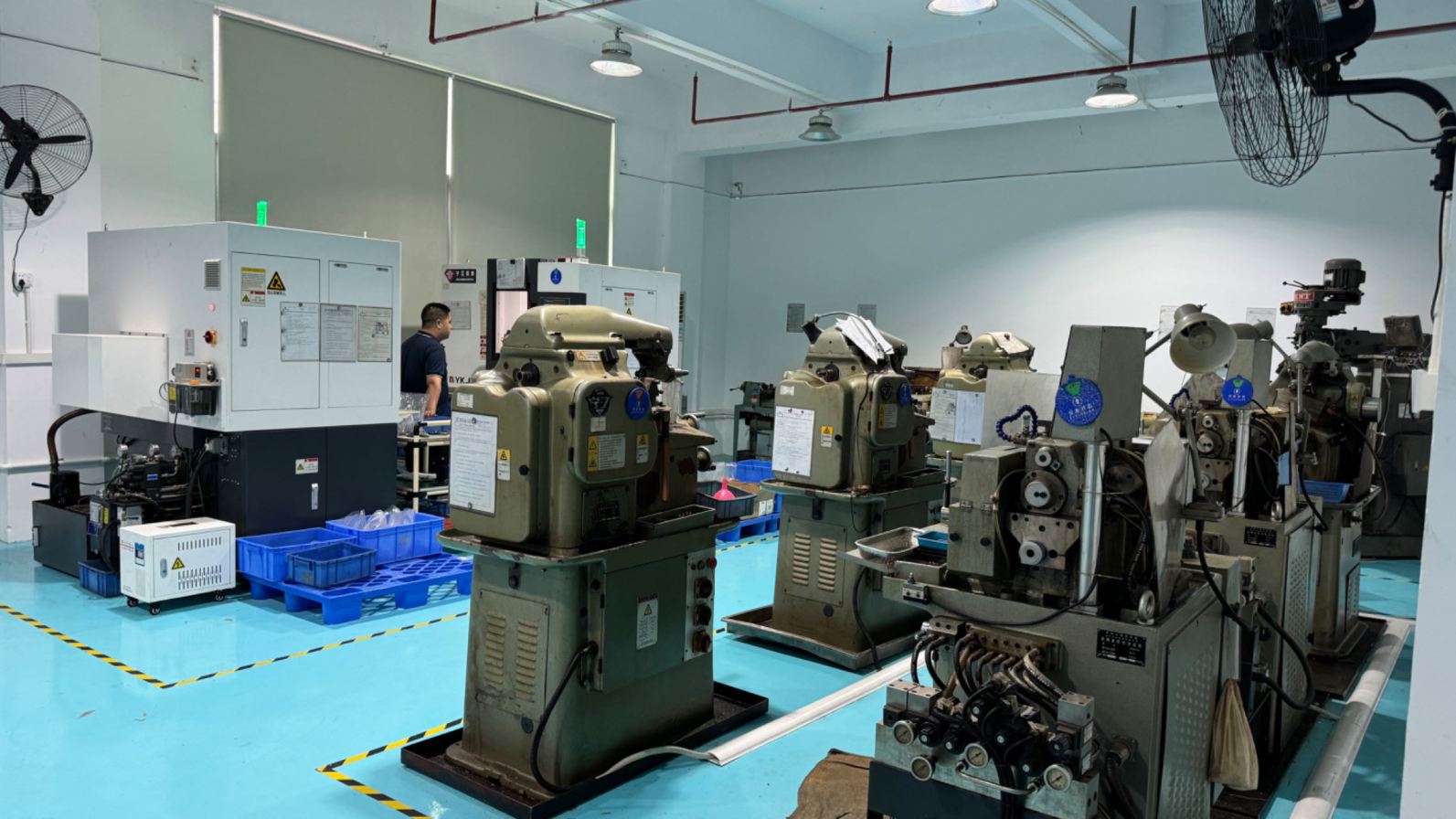
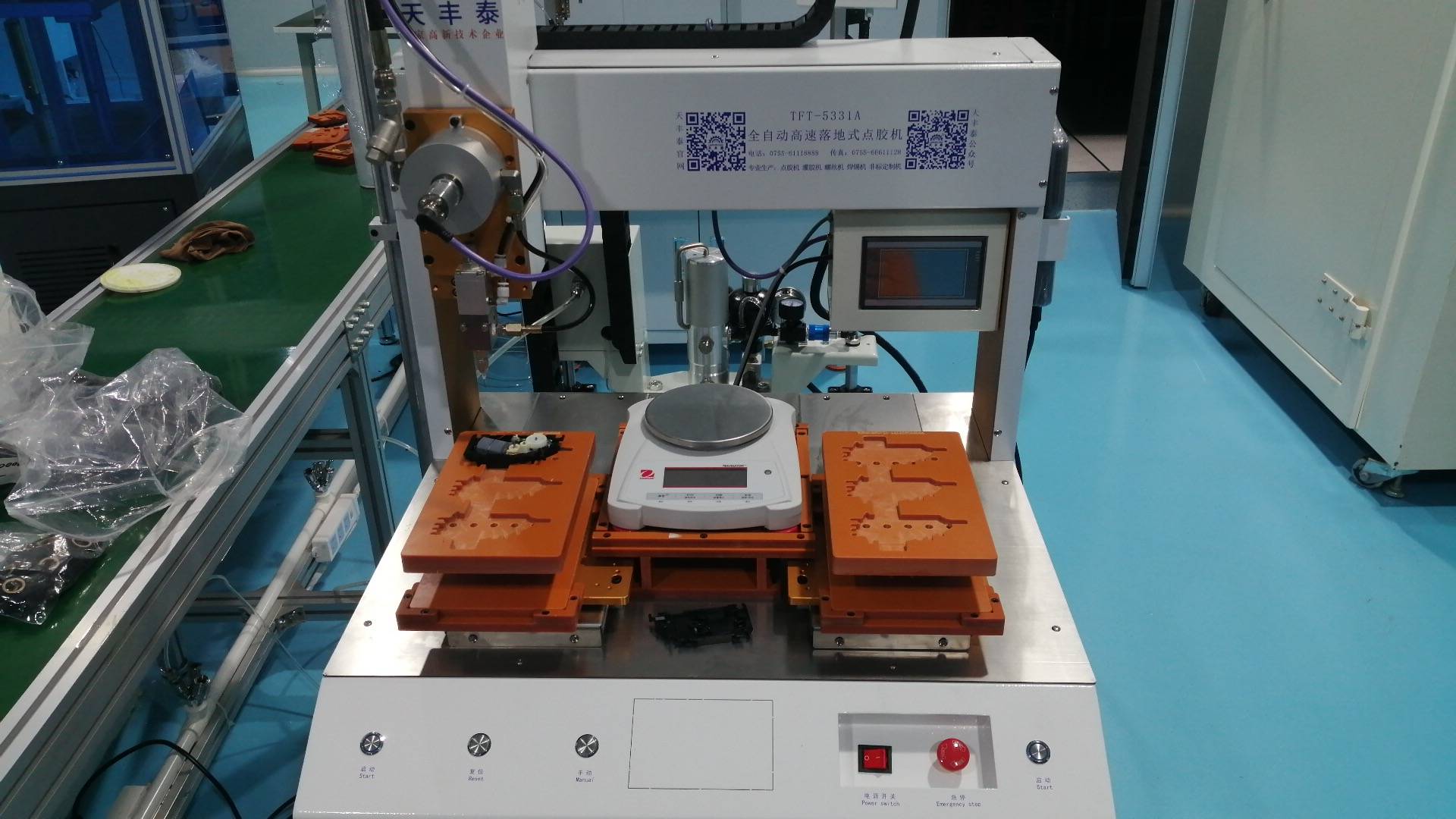
Our tooling workshop features precision CNC, EDM, and hobbing systems to ensure micro-dimensional accuracy across high-volume production runs.
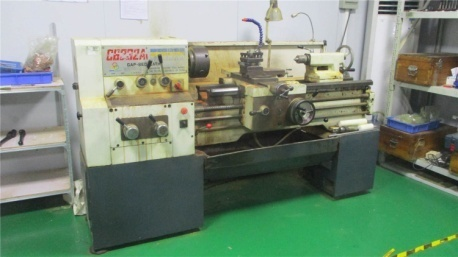
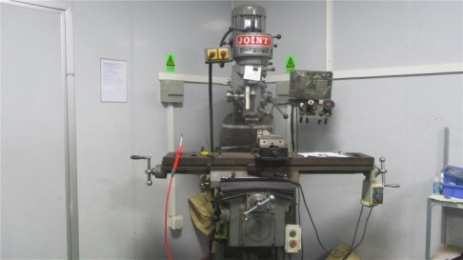
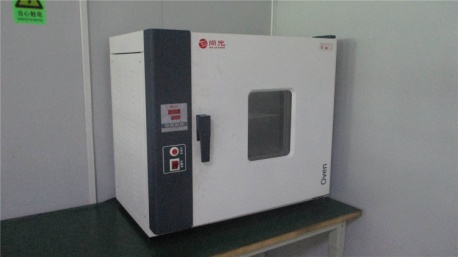
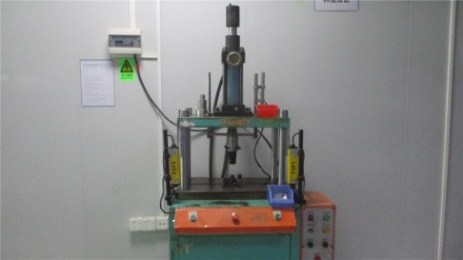
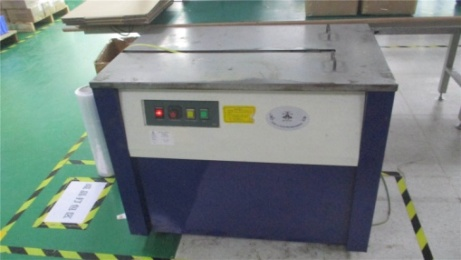
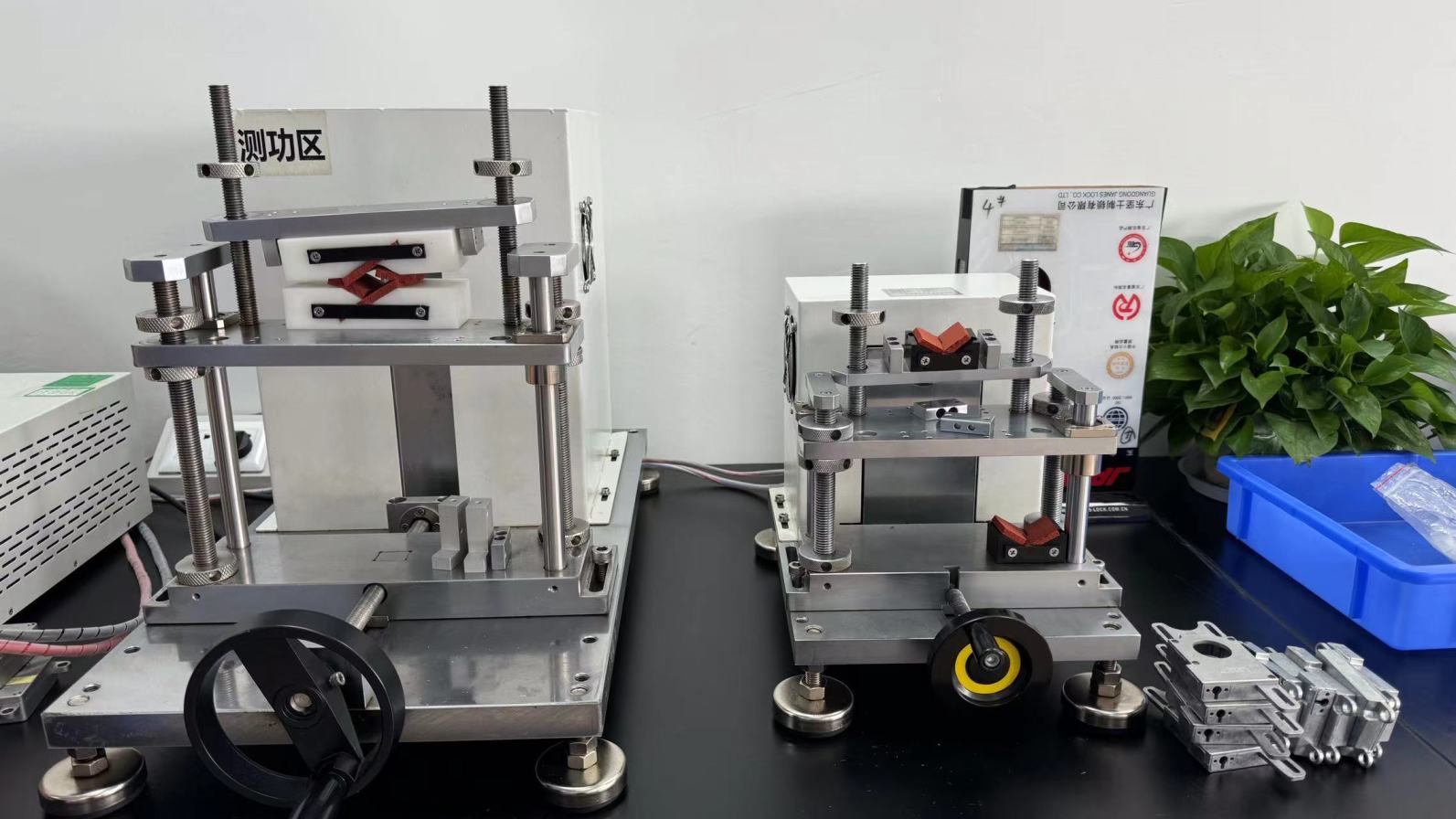
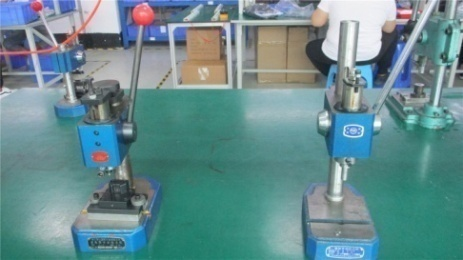
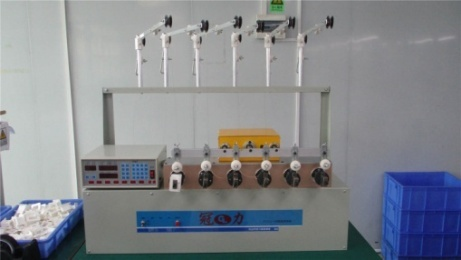
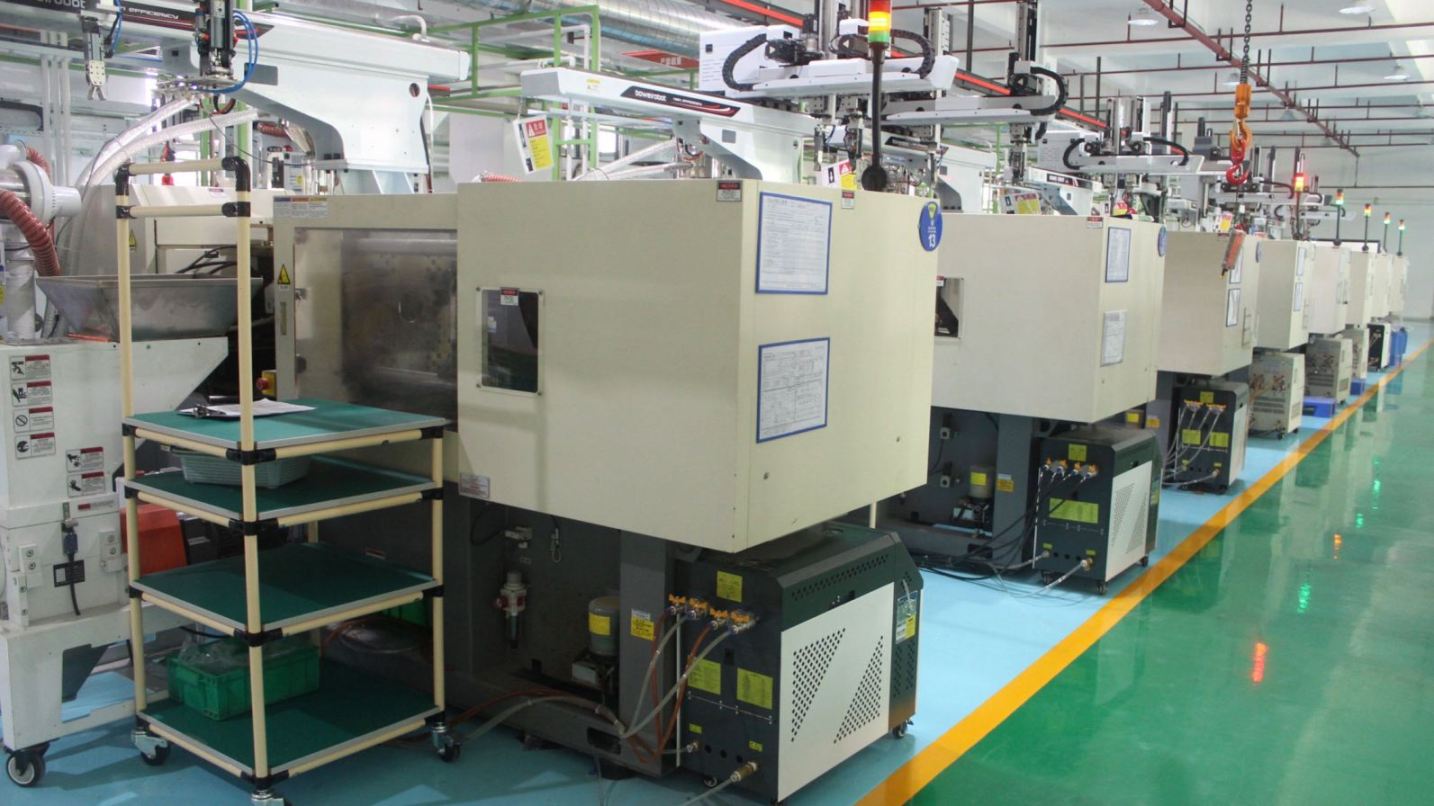
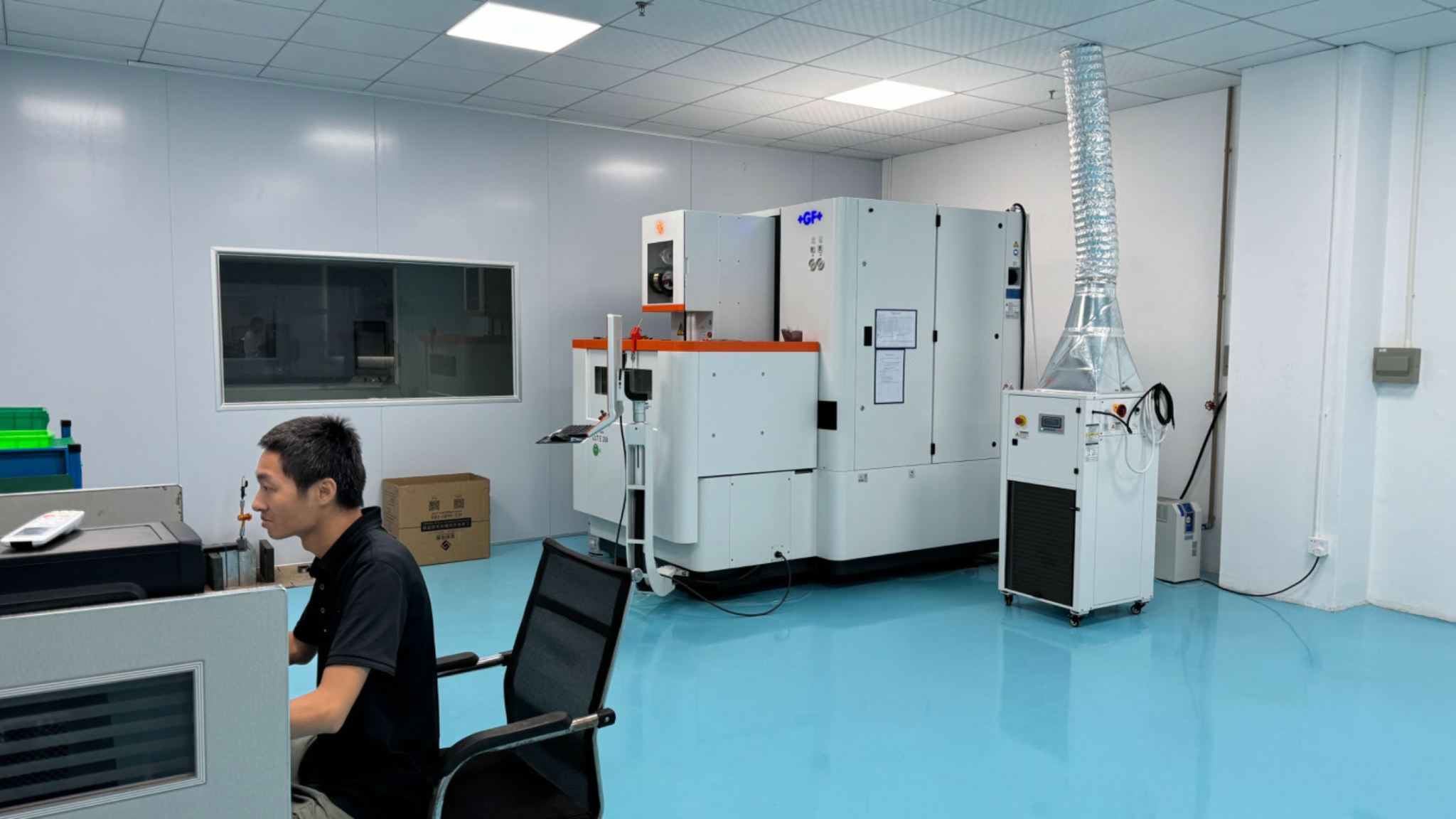
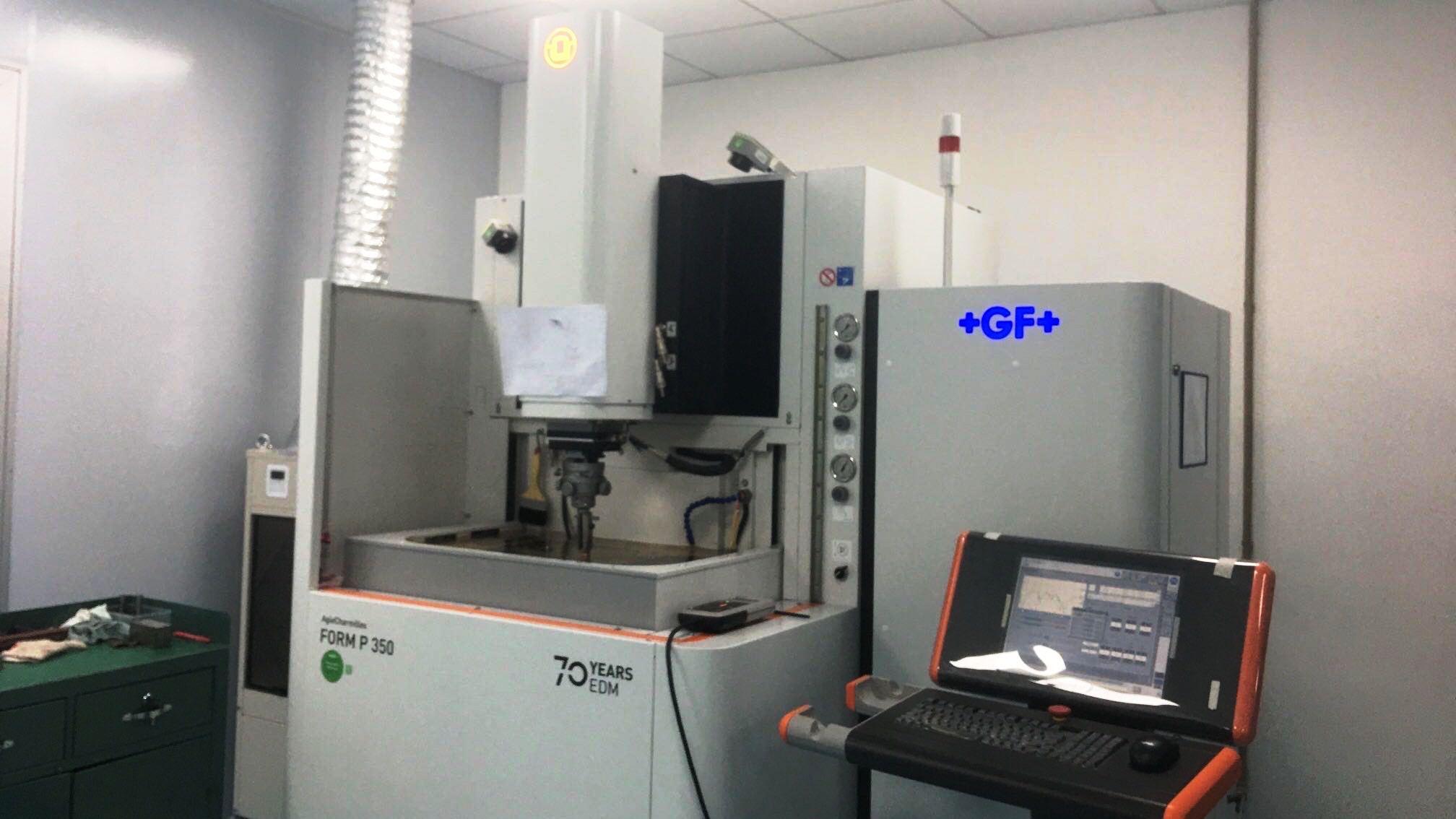
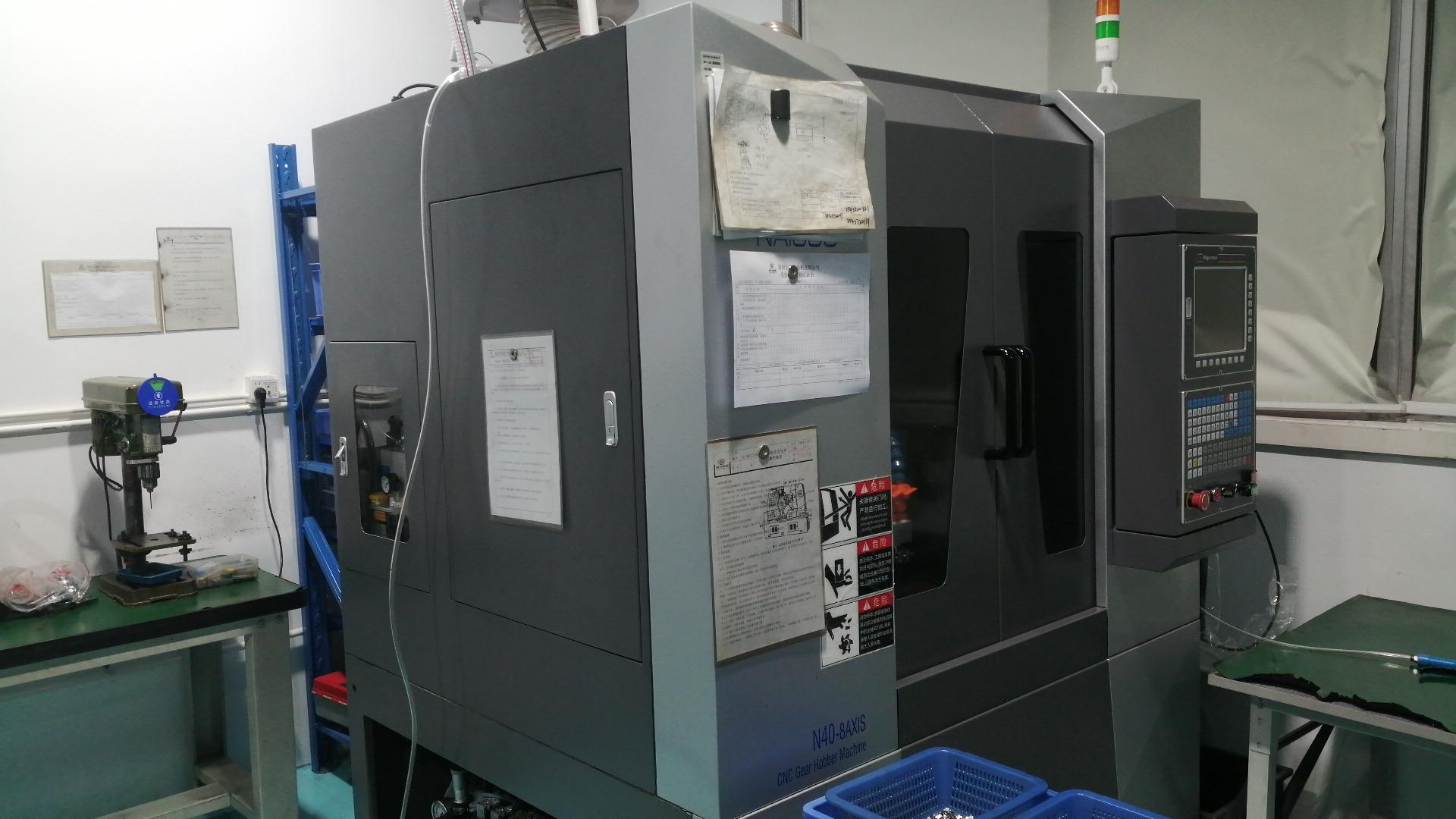
Reliability requires strict testing under simulated conditions. Our laboratory validates motor performance in challenging environments.
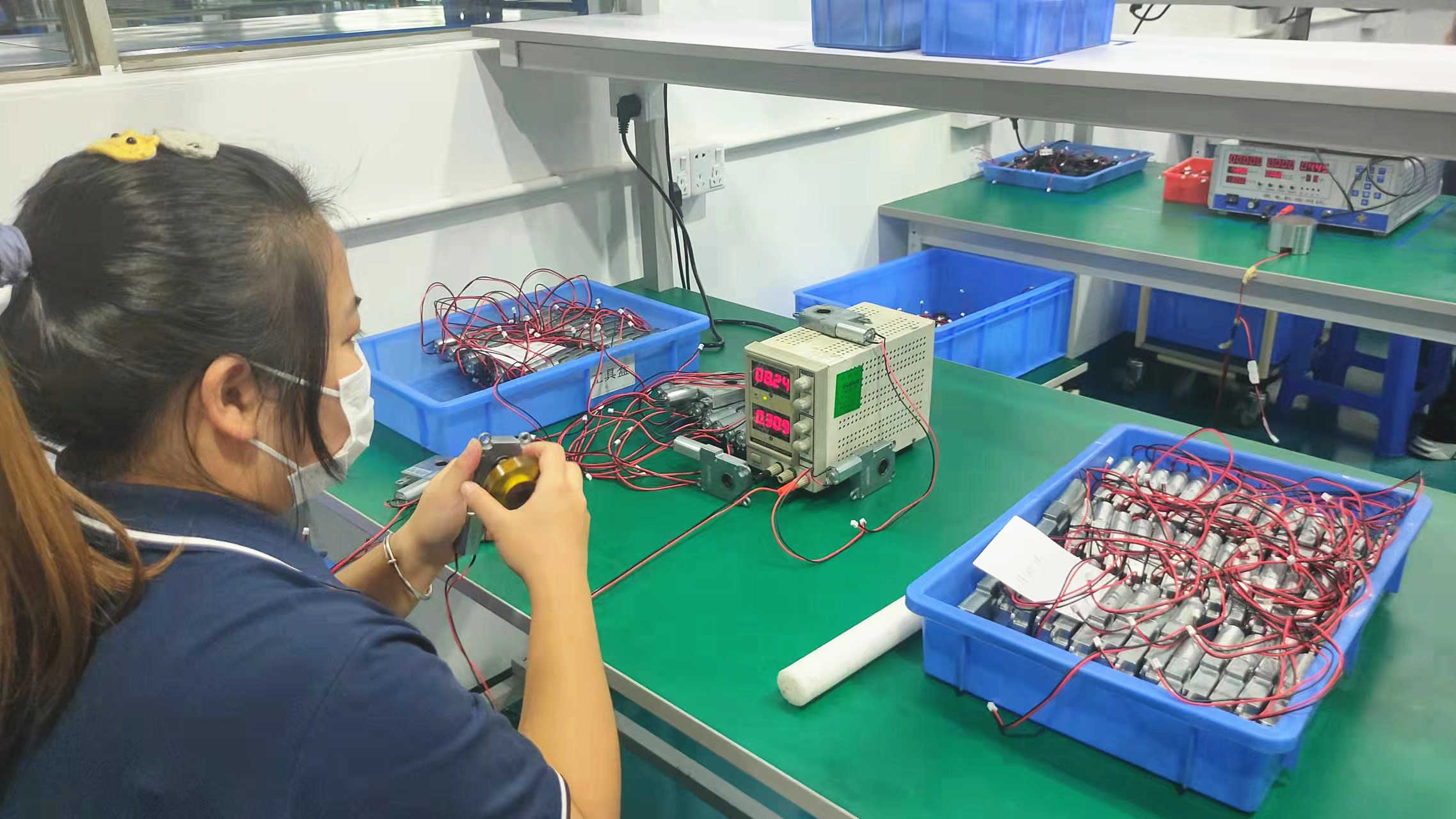
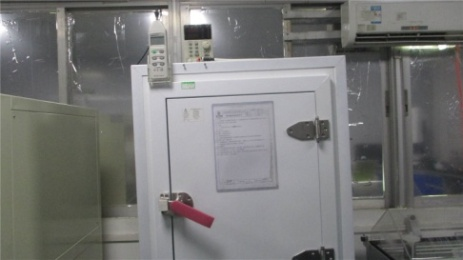
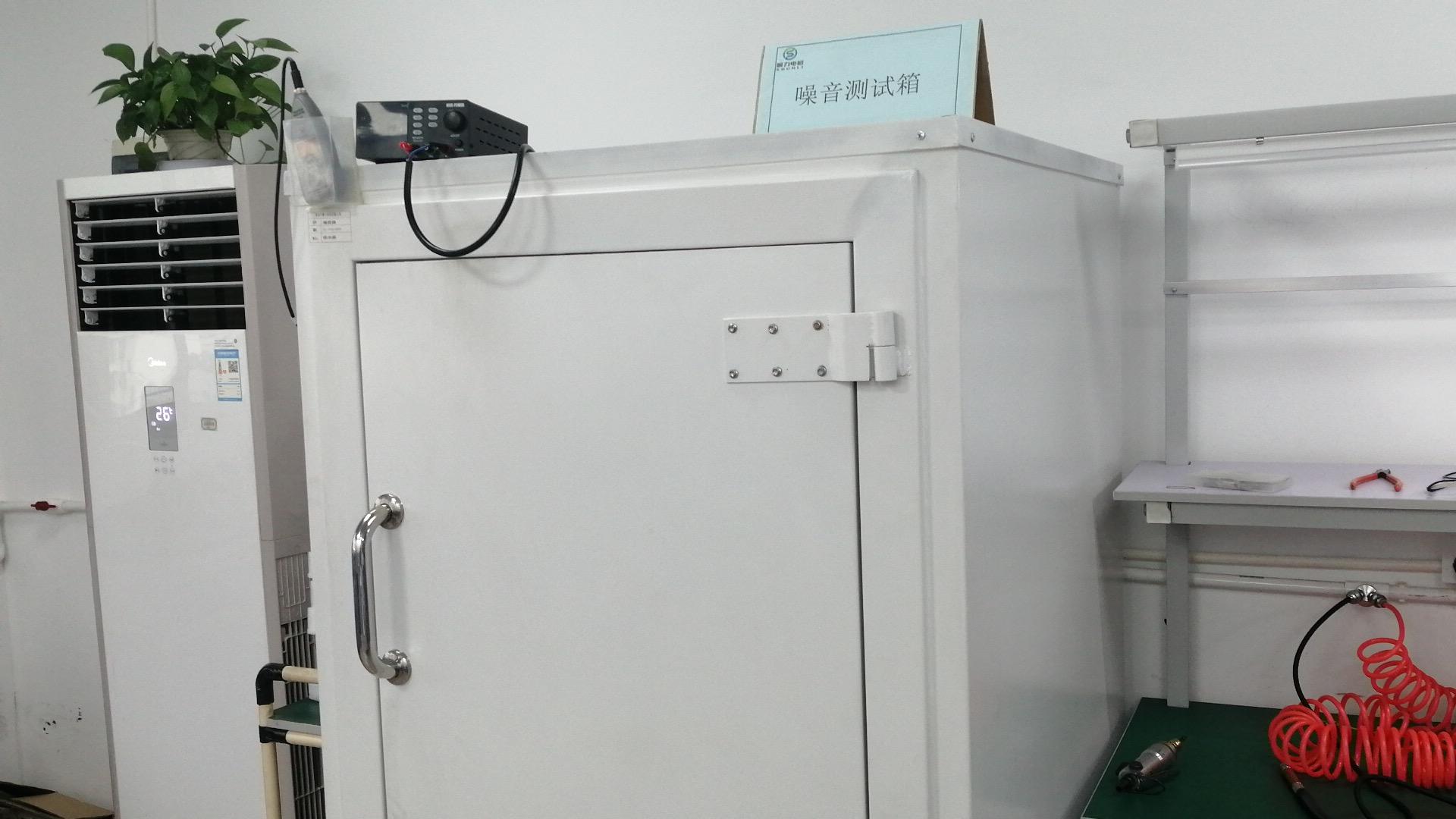
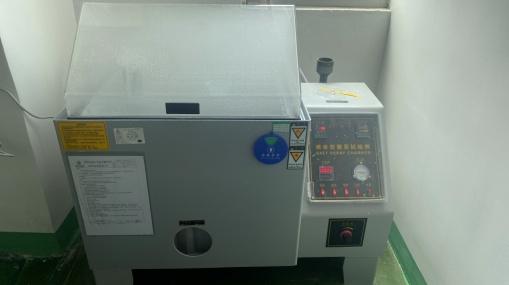
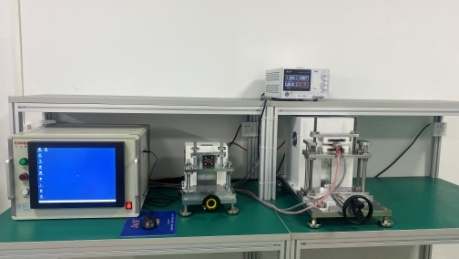
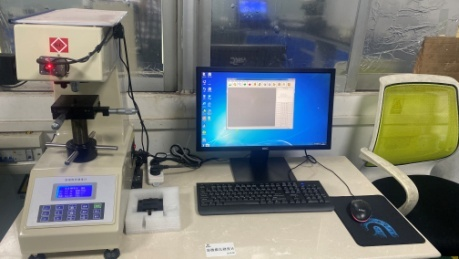
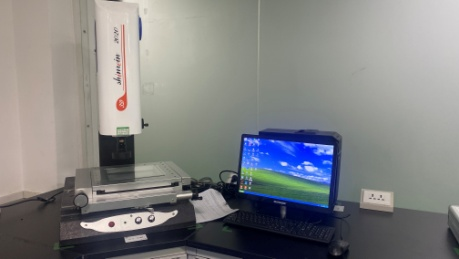
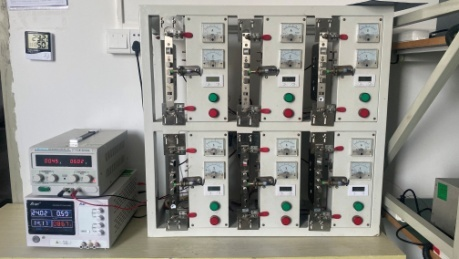
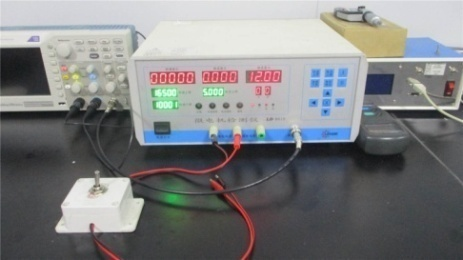
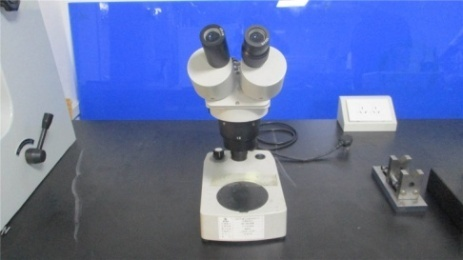
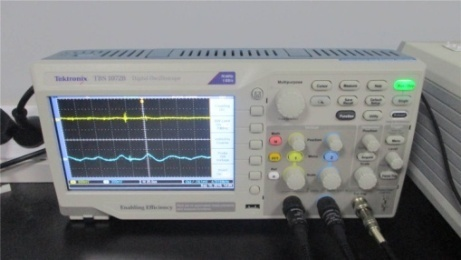
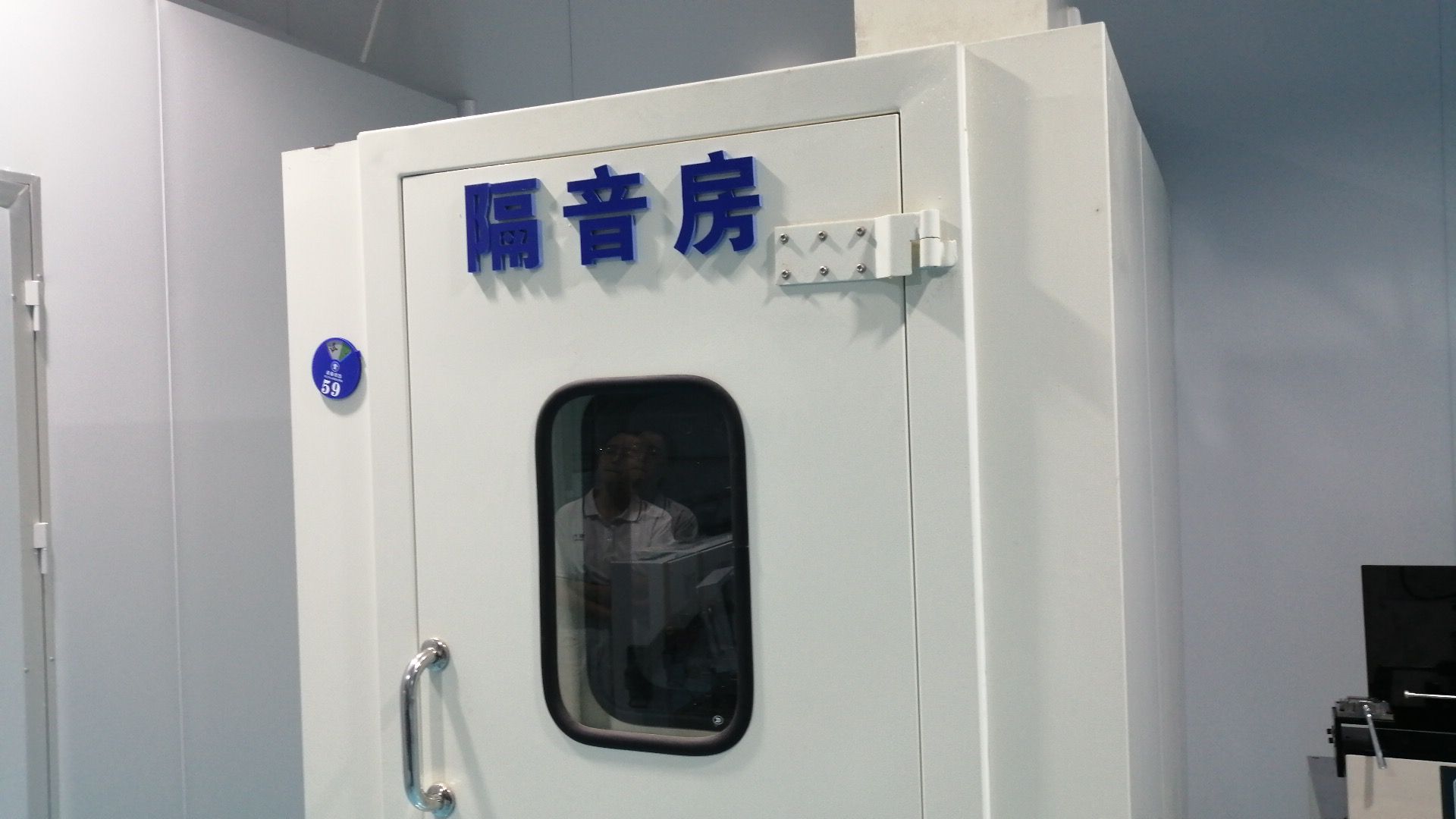
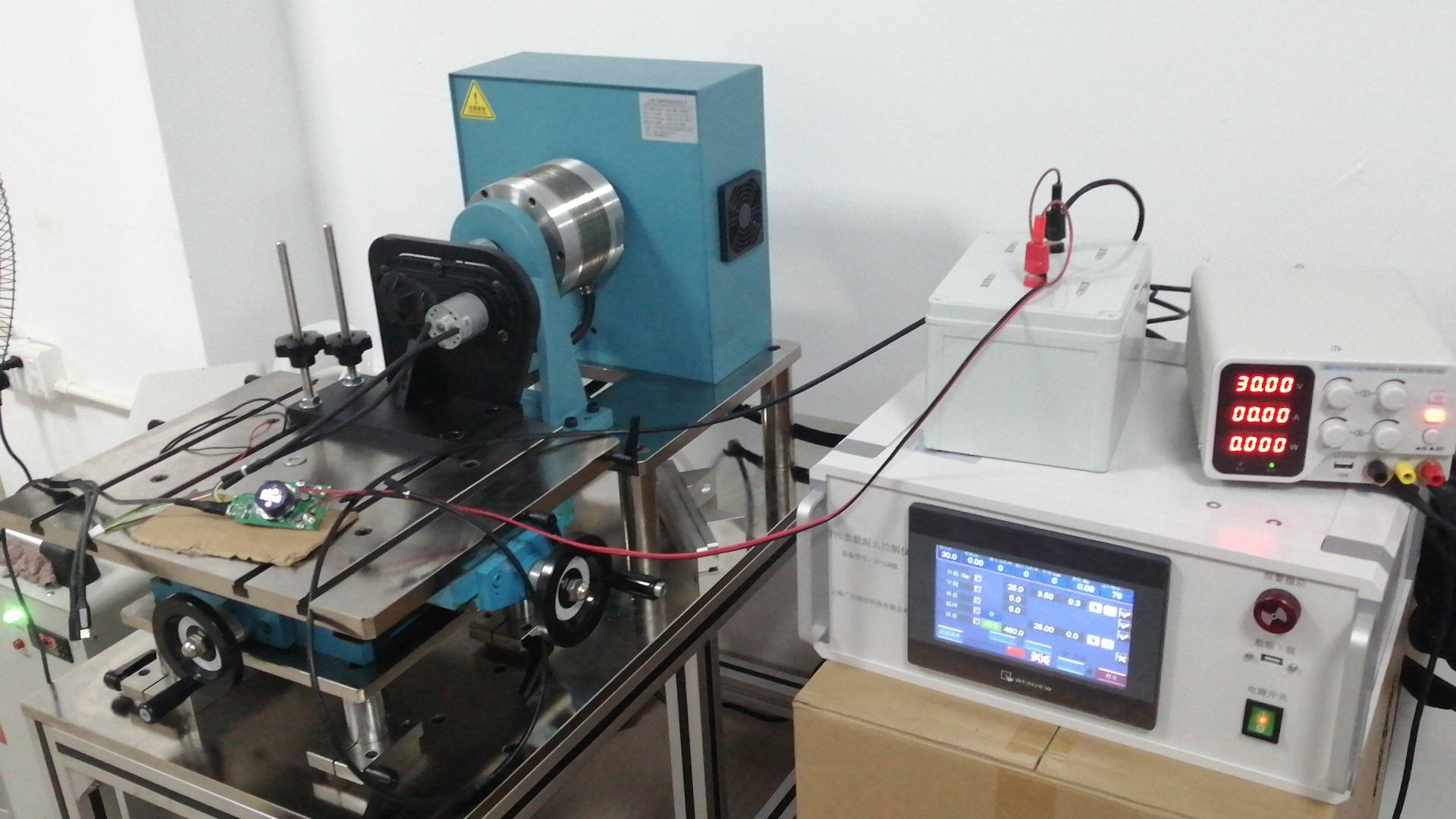
A closer look at our micro-machining, precision winding, and detailed inspections that contribute to a low field defect rate.

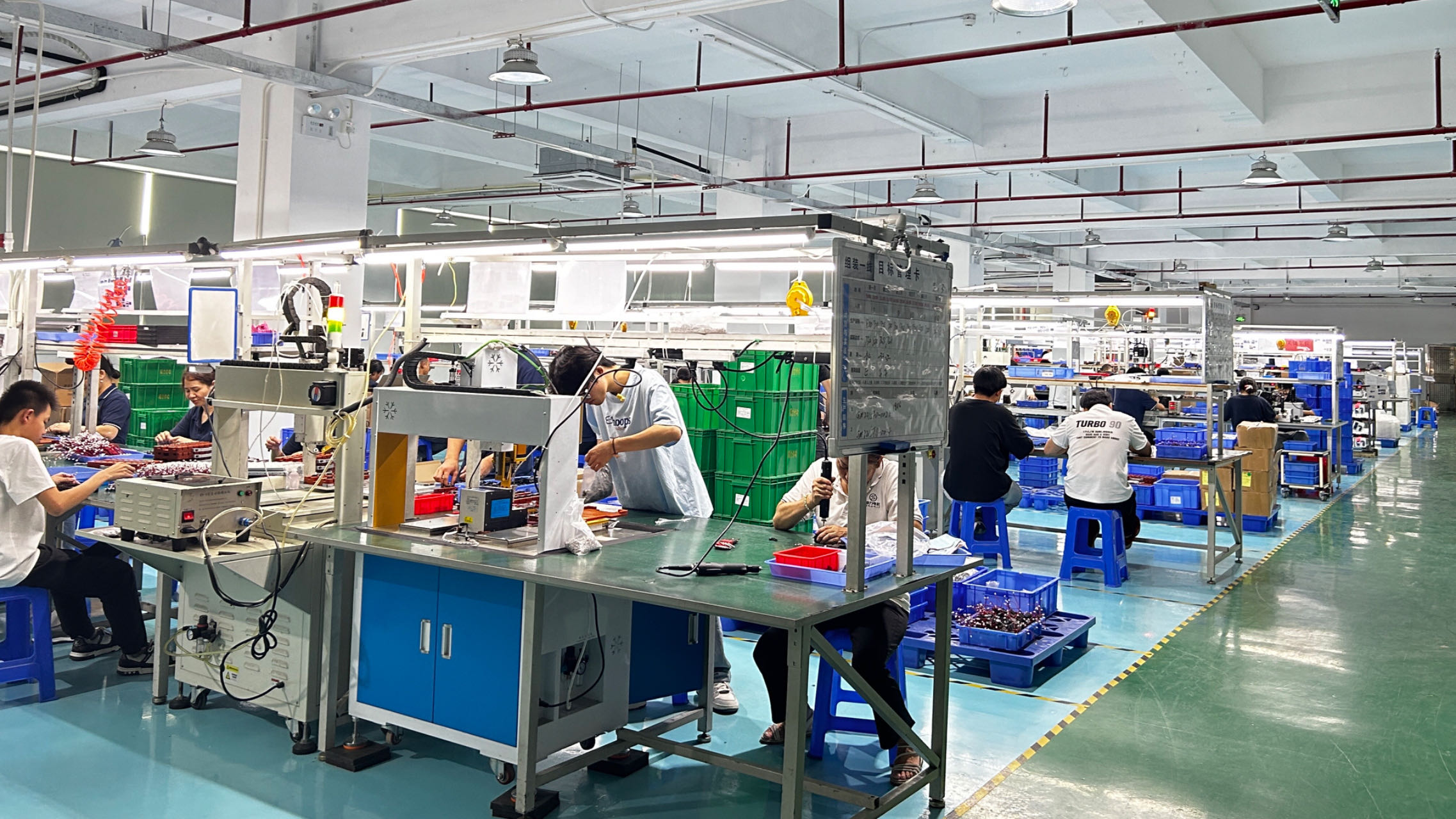
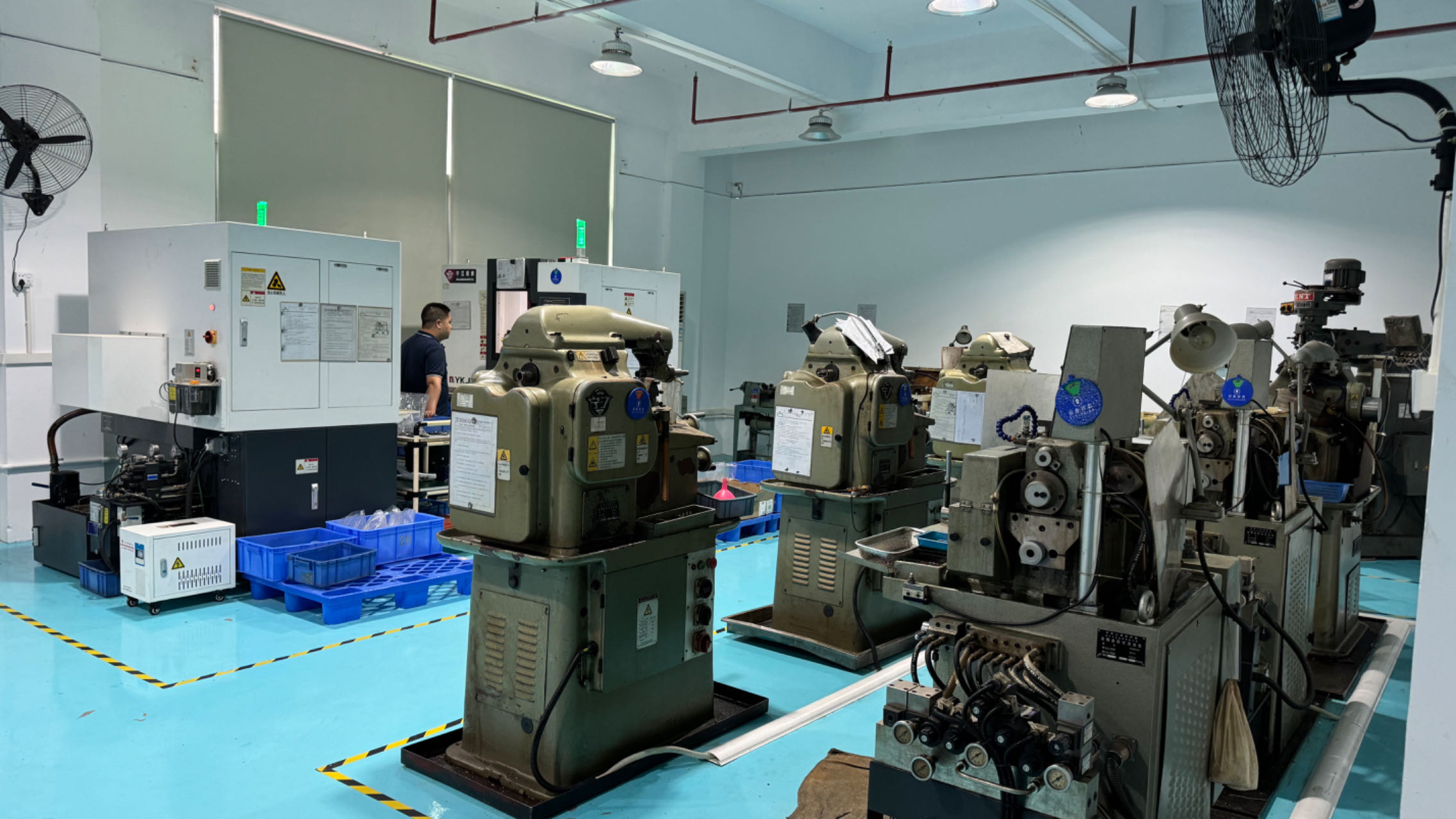
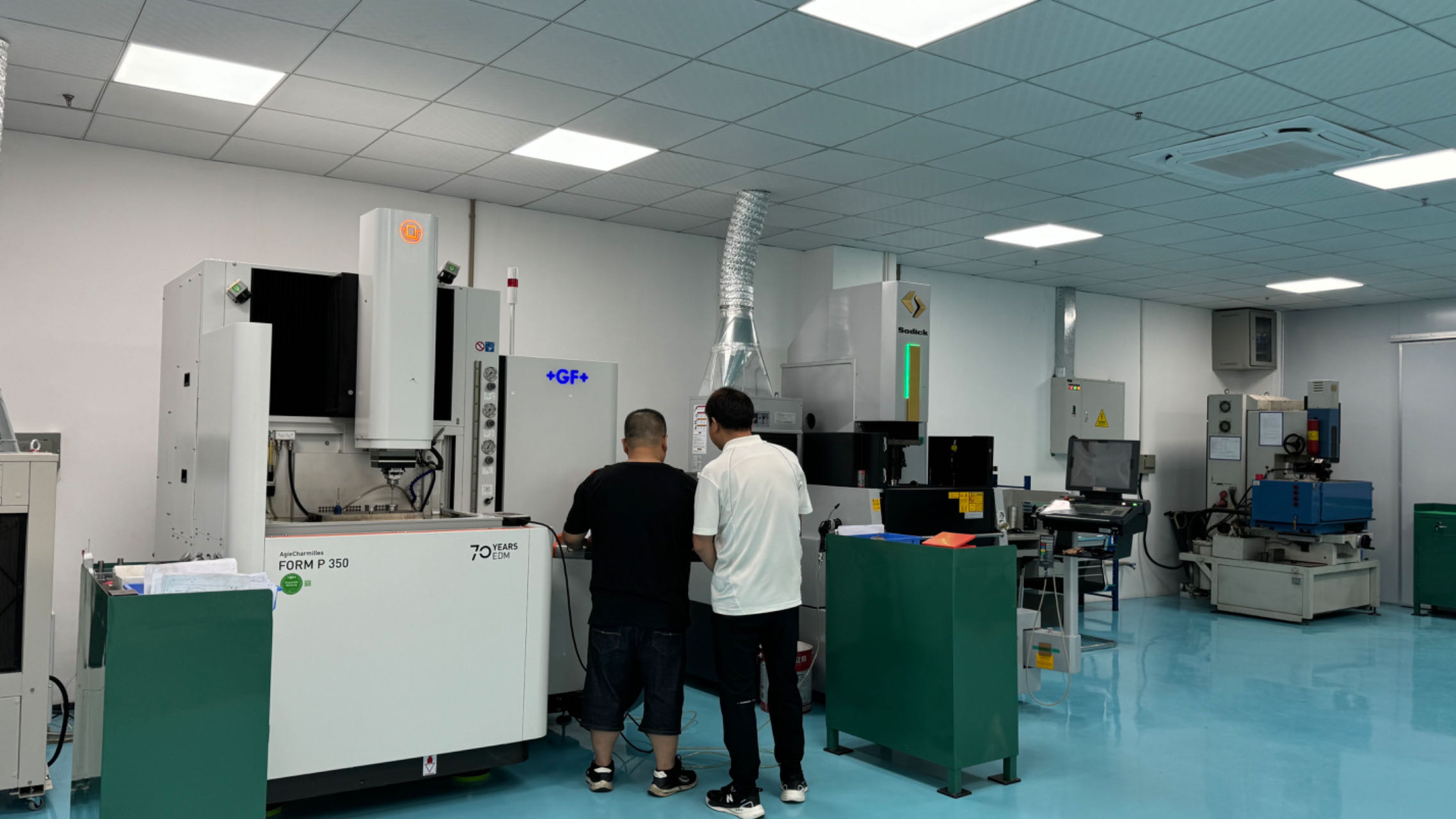
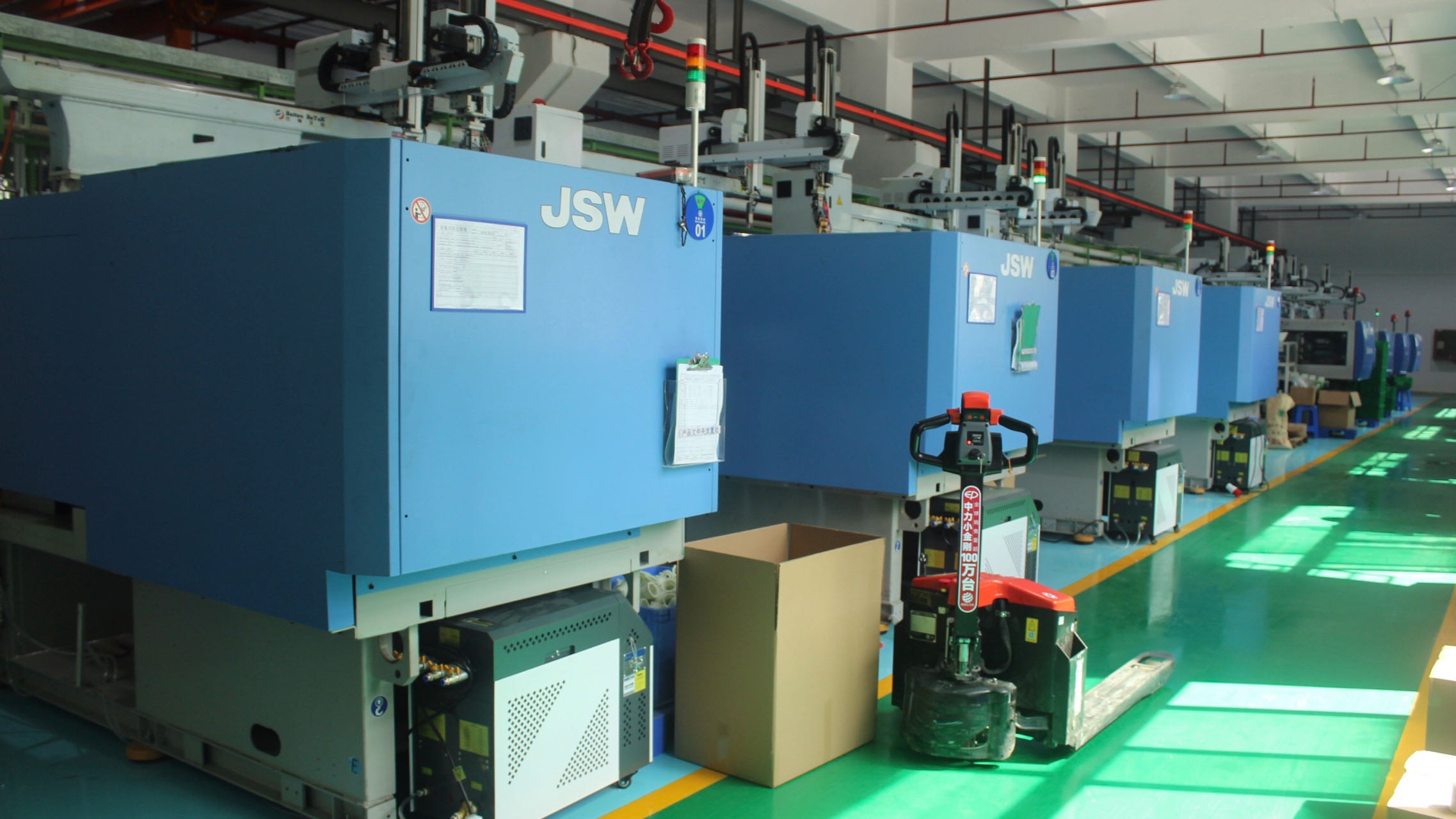
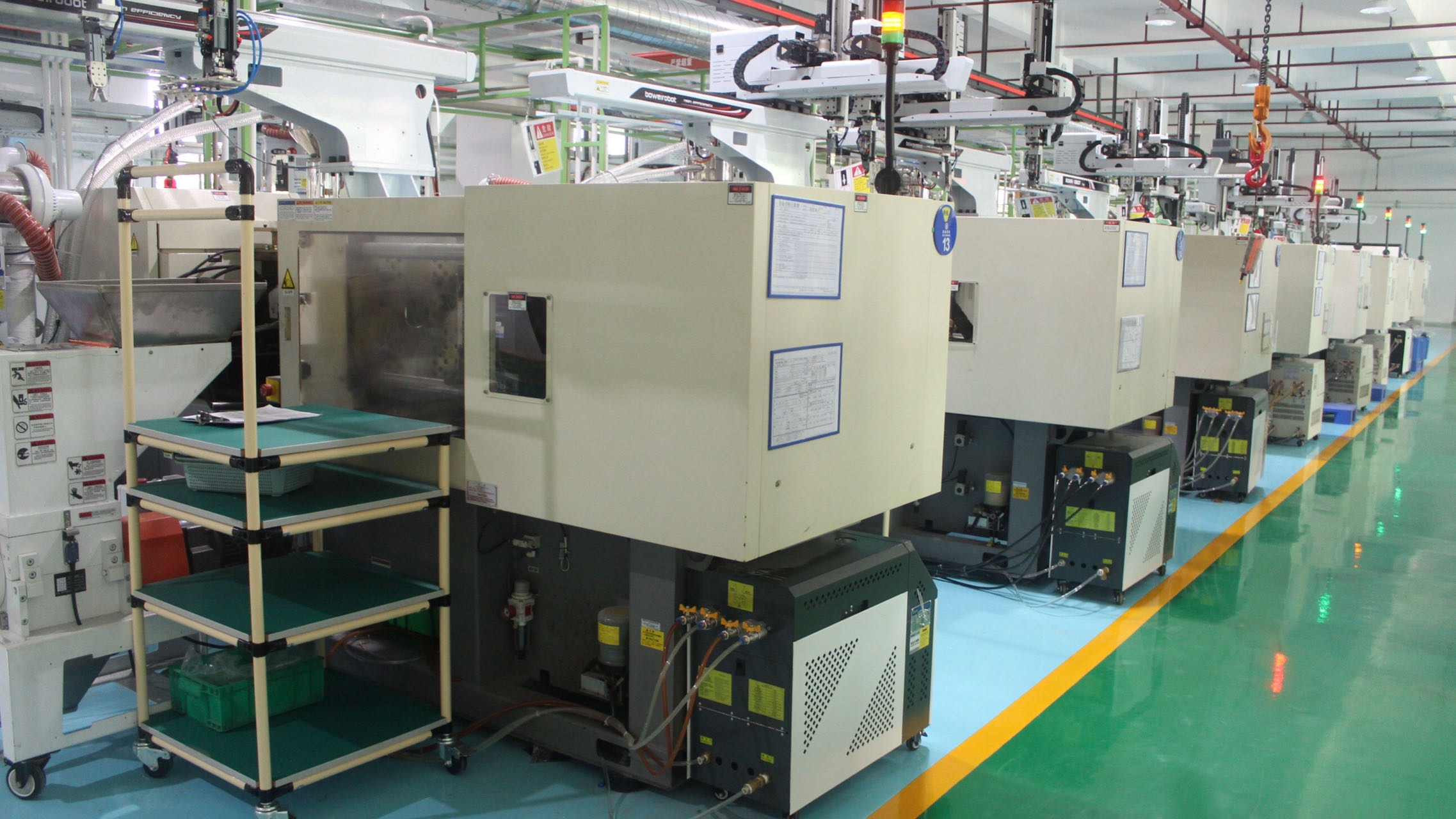
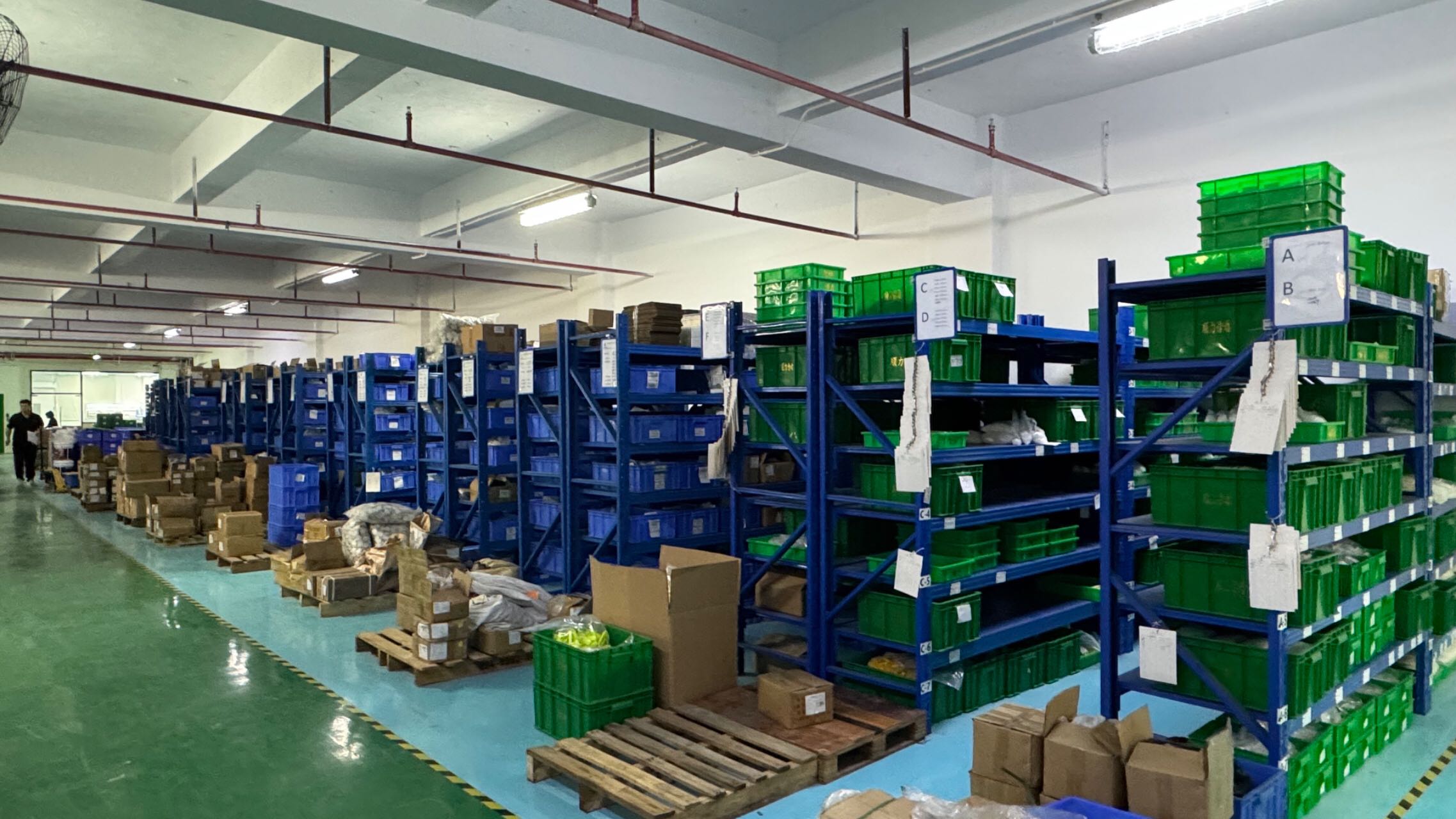
Sourcing directly from our production facility in China provides supply chain resilience and cost stability.
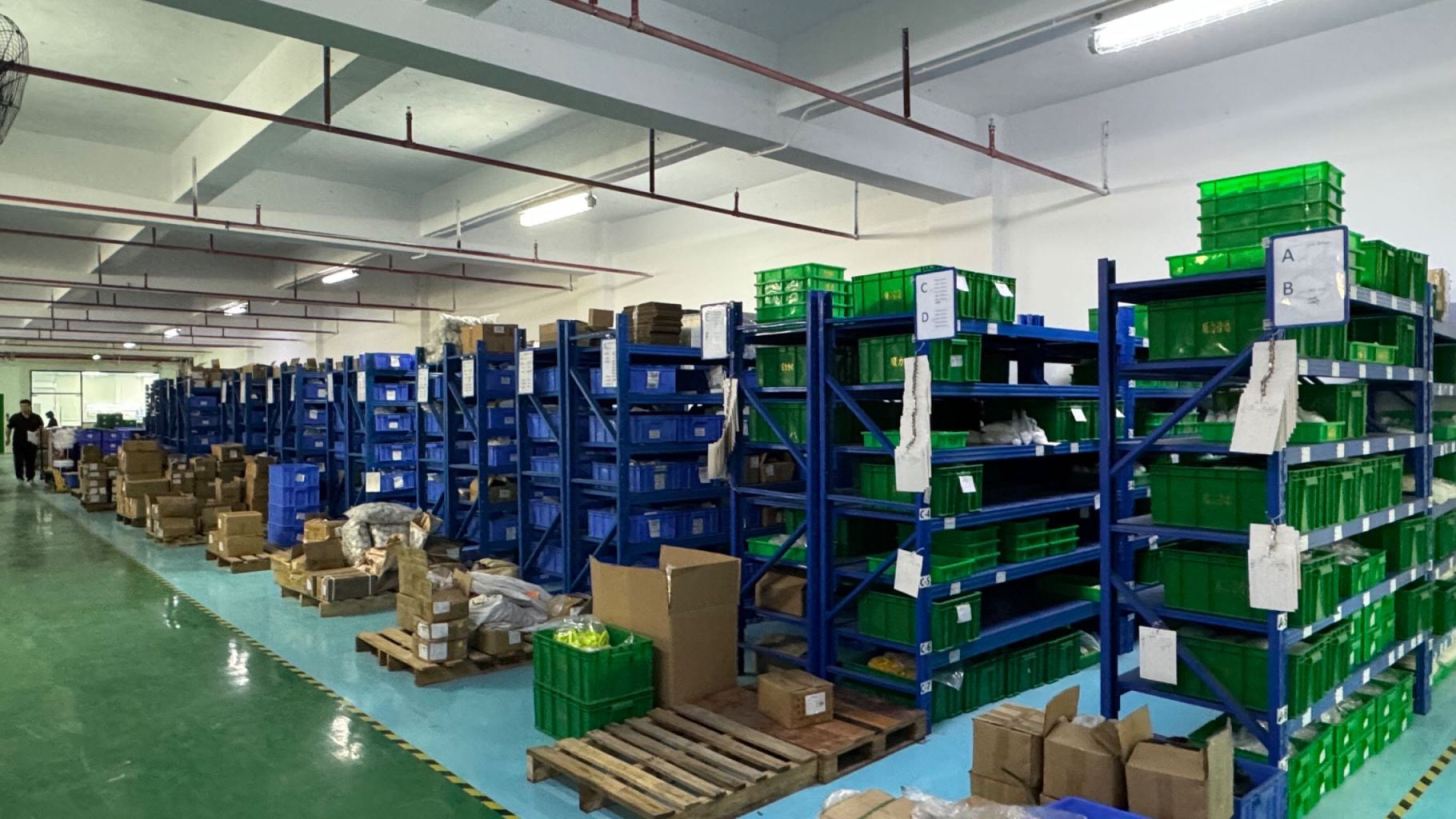
Our facility offers key raw material access, localized thermal treatment, and integrated component production. By manufacturing key inputs internally—including shafts, gear profiles, and magnetic coils—we reduce our reliance on third-party suppliers and maintain strict quality standards.
This vertical integration helps protect against price shifts in raw materials, such as copper, magnetic alloys, and specialized carbon steel. It also reduces lead times and speeds up the prototyping cycle for custom planetary and worm gear units, helping our clients launch products faster.
Additionally, our shipping connections through regional deepwater ports enable reliable logistics and distribution to international assembly lines.
Ensuring cross-border compliance. Our motors are built and certified to integrate into European, North American, and Asia-Pacific markets.
Our AC and DC motor series comply with European directives, ensuring safe operation in light-industrial and residential settings.
Guaranteed lead-free, cadmium-free fabrication across all components, including polymers, copper wire, and solders.
Our quality management system governs every step of production, from auditing raw material vendors to shipping documentation.
Providing direct communication with project engineers for mounting adjustments, shaft configurations, and electrical specifications.
Our gear reduction motors are deployed in varied industries, providing reliable motion control in diverse operating environments.
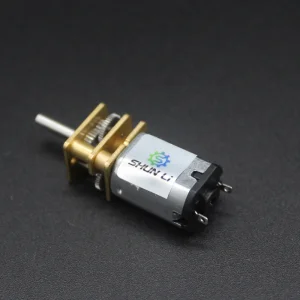
Compact DC gear motors (such as the N20 series) provide the precision, low noise, and reliability required for fingerprint and keyless entry systems.
Our high-torque worm gear motors are engineered with self-locking capabilities, preventing back-driving in product delivery mechanisms.
Precision reduction ratios deliver consistent filament extrusion in 3D pens and printheads, reducing surface banding during operation.
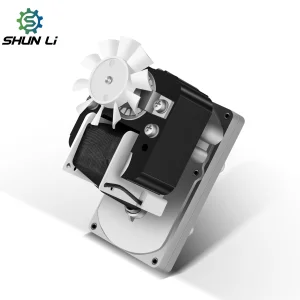
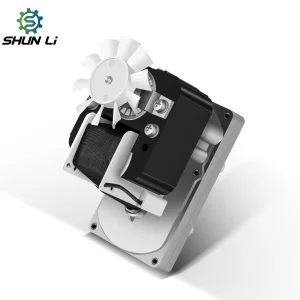
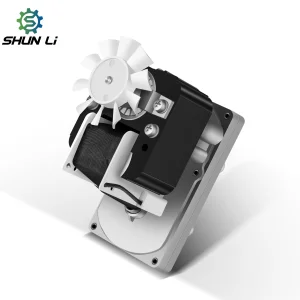
Shaded pole AC gear motors operate reliably at low speeds and high torques, handling high thermal environments and continuous rotation.
Review detailed engineering answers addressing common questions about selection, optimization, and customization of gear motors.
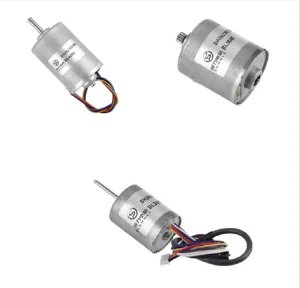
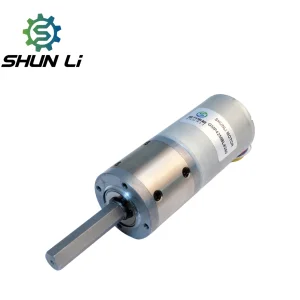
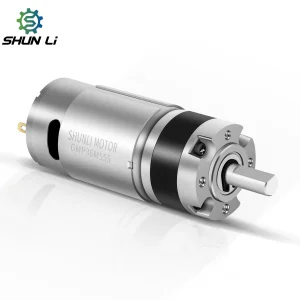
Examine our specialized sub-fractional gearheads and DC permanent magnet assemblies designed for specific operational criteria.
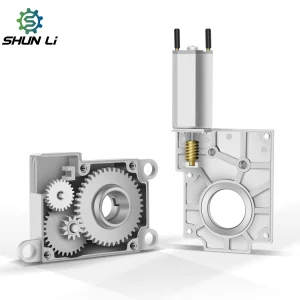
 Goaxis Pro