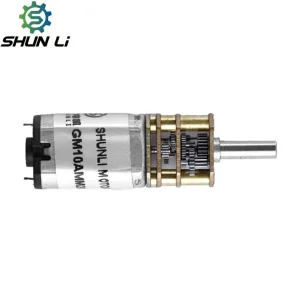
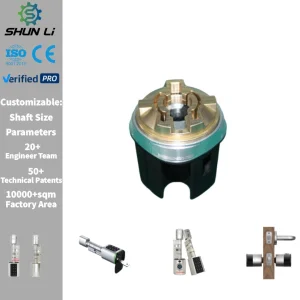
High-performance DC vibration motors optimized for immediate pilot testing, hardware prototyping, and mass deployment in European smart systems.
Luxembourg, recognized as one of Europe's premier technology and financial epicenters, has experienced an accelerated transformation within its advanced manufacturing and industrial IoT sectors. Positioned strategically within the Blue Banana corridor, the Grand Duchy acts as a critical nexus for research, automotive components manufacturing, aerospace systems engineering, and medical tech incubation.
Modern micro-mobility solutions, precision automotive interfaces (ADAS), and smart logistical trackers developed in Luxembourg demand dynamic, ultra-reliable actuators. The requirement is not merely for vibration but for precision-guided *haptic feedback* engineered to operate under varying thermal, mechanical, and electromagnetic environments. This calls for high-density, low-draw coreless DC motors that fit into minimal envelopes while delivering high torque-to-volume ratios.
As Luxembourg steps up investments in space-based robotics and local automotive innovations, our direct custom manufacturing pipeline bridges the gap between state-of-the-art designs and highly standardized, cost-effective physical deployment.
Automotive Interiors: Tactile feedback for capacitive switches, steering wheel warning systems, and virtual dashboards.
Space & Defence: Low-outgassing, micro-vibrational control modules for cubesat instrumentation and solar array deployment mechanisms.
Biomedical Gear: Microfluidic pumping assist devices and portable testing kit shaker tables requiring zero magnetic interference.
Smart Warehouses: Haptic feedback for smart gloves, barcode scanners, and visual-acoustic navigation tools.
Why Luxembourg's leading system integrators and global aerospace firms trust our direct-from-source manufacturing infrastructure.
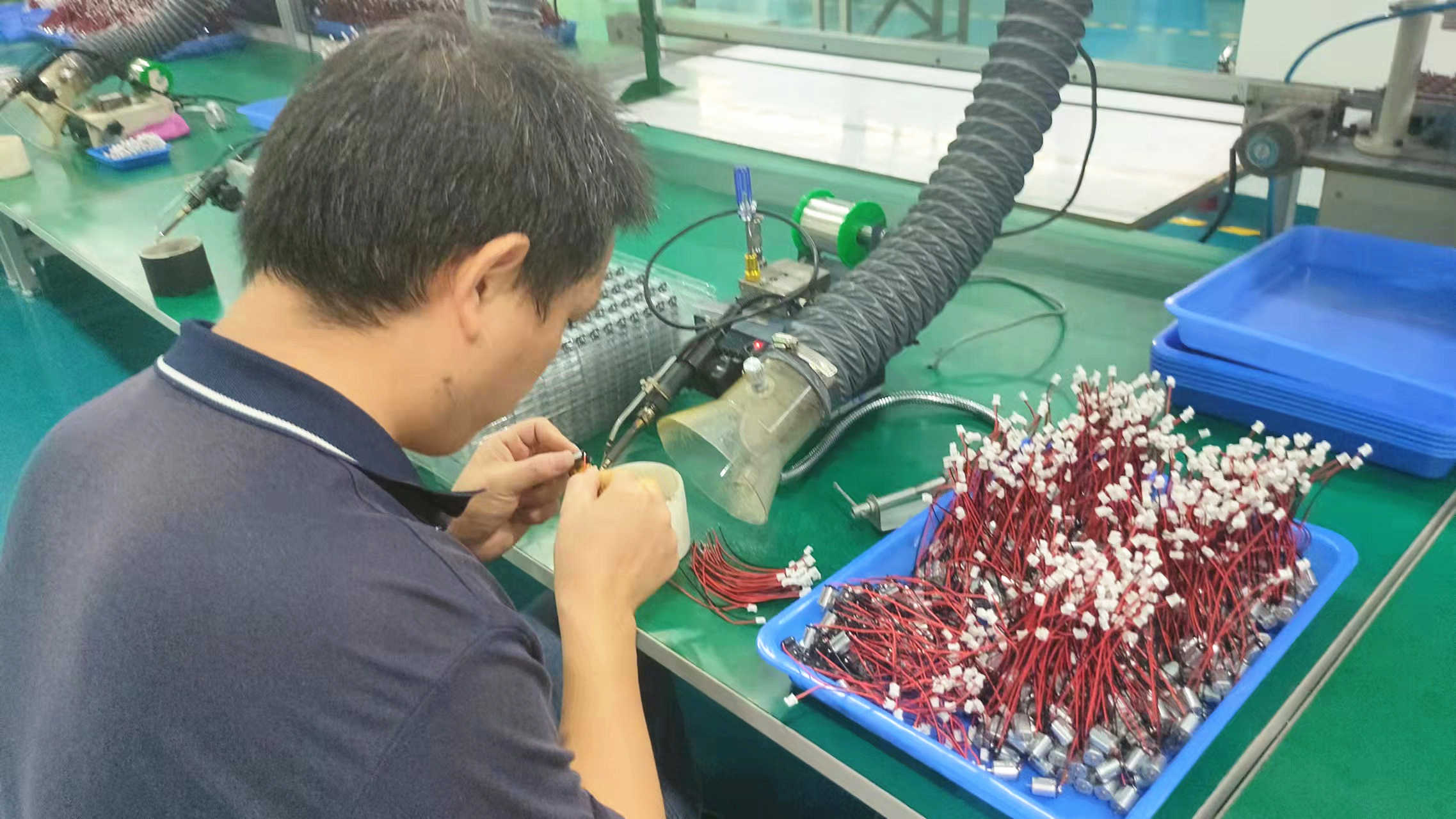
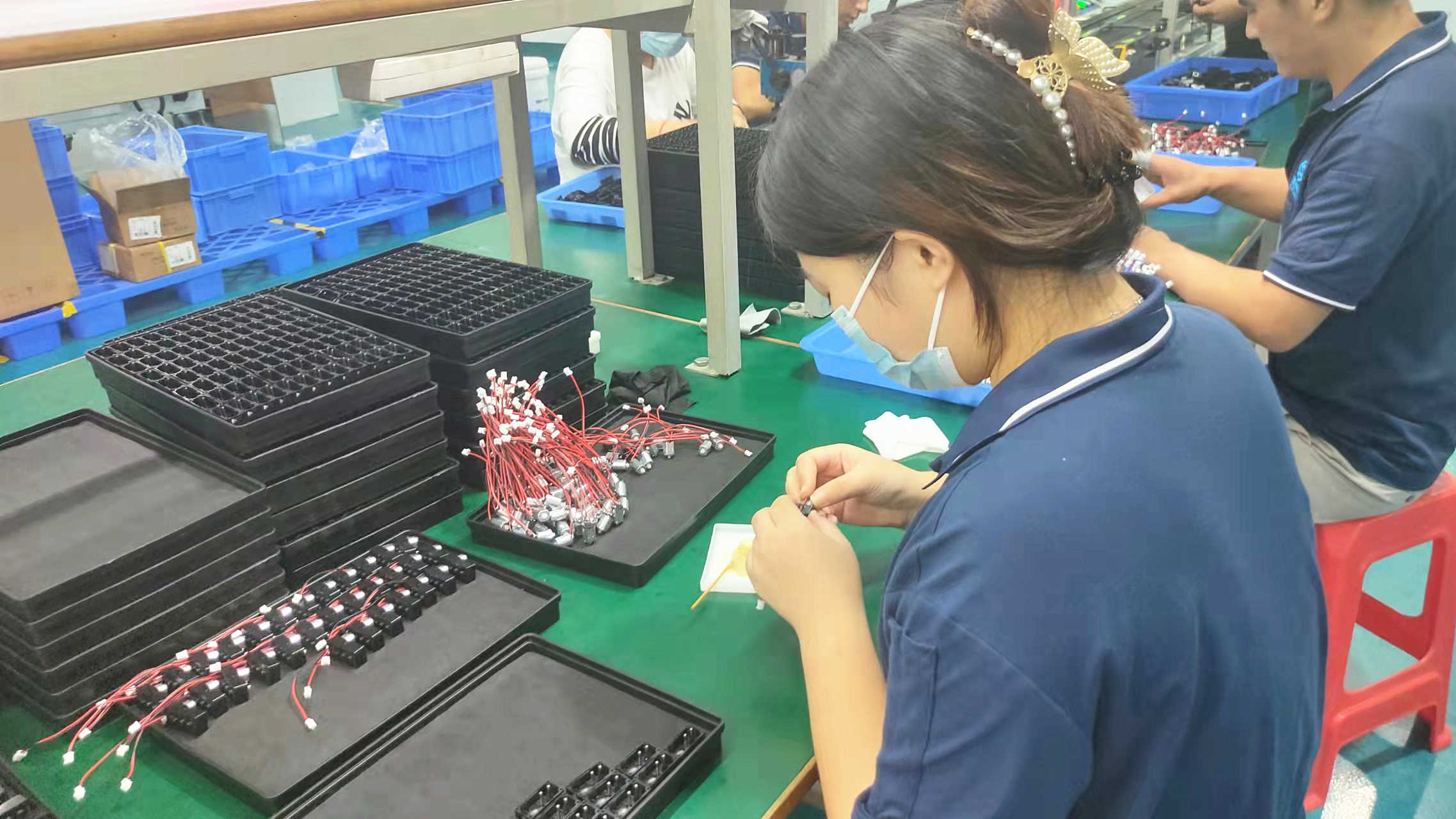
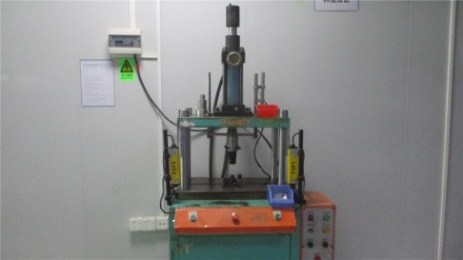
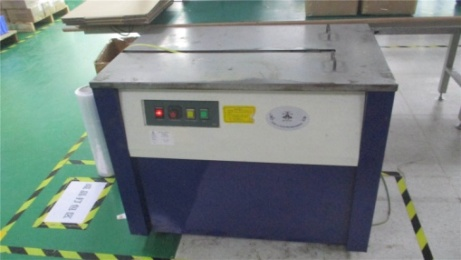
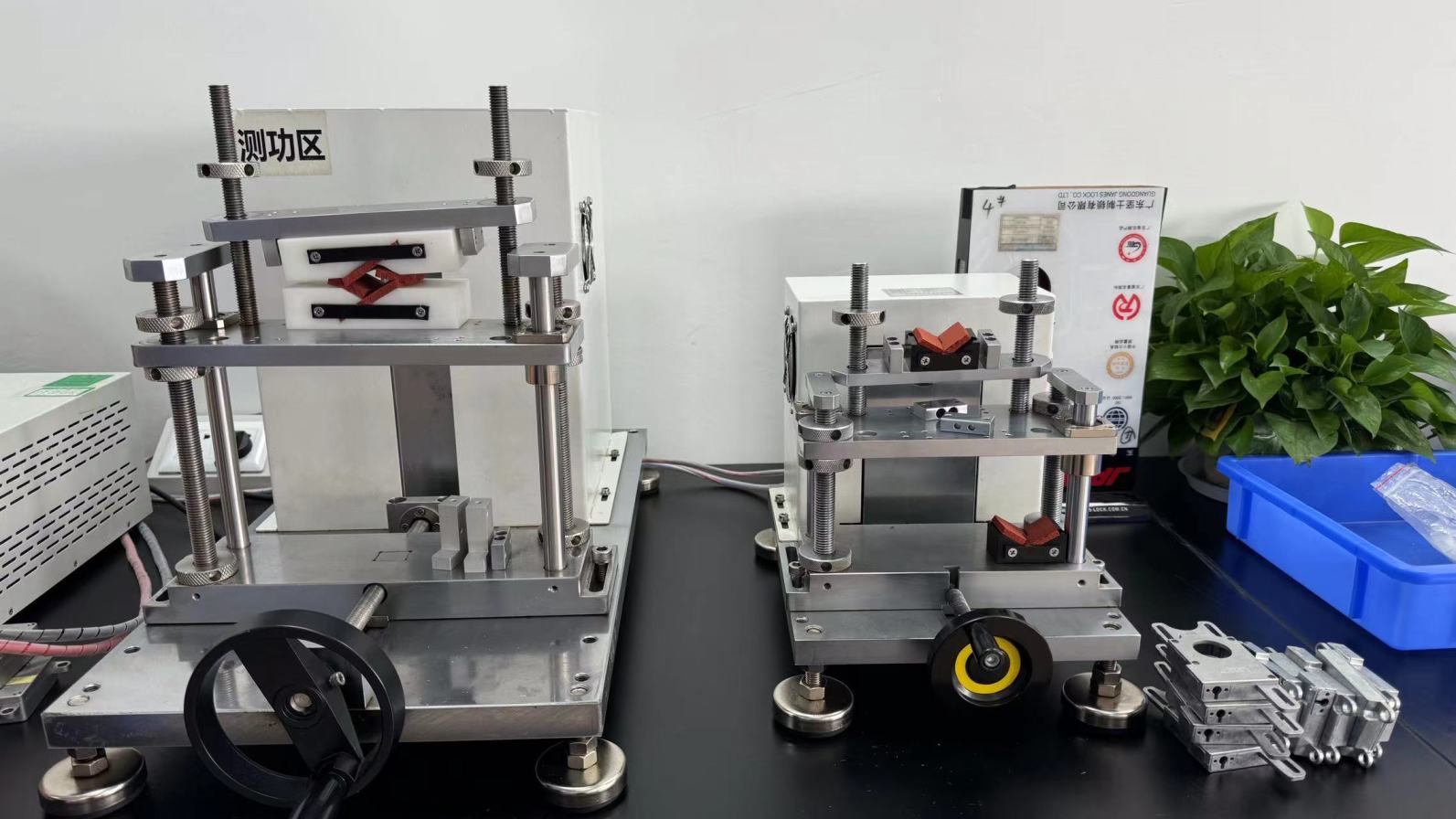
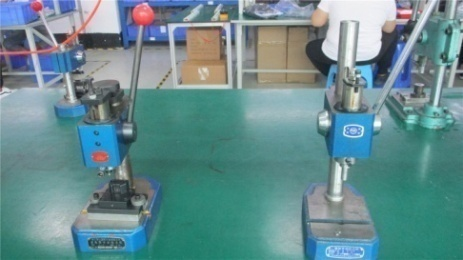
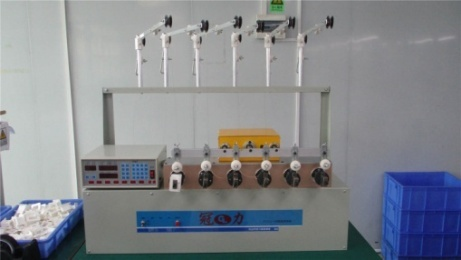
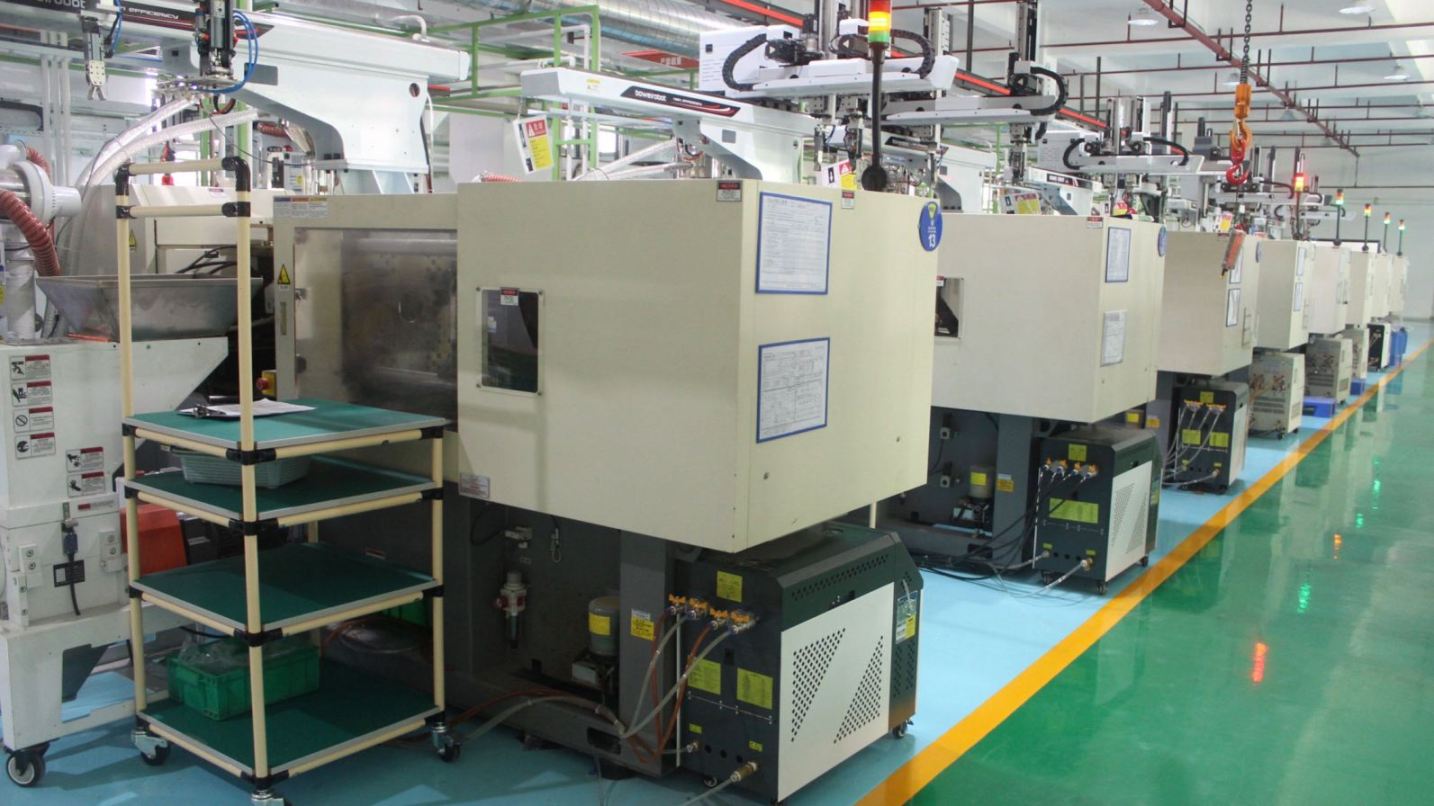
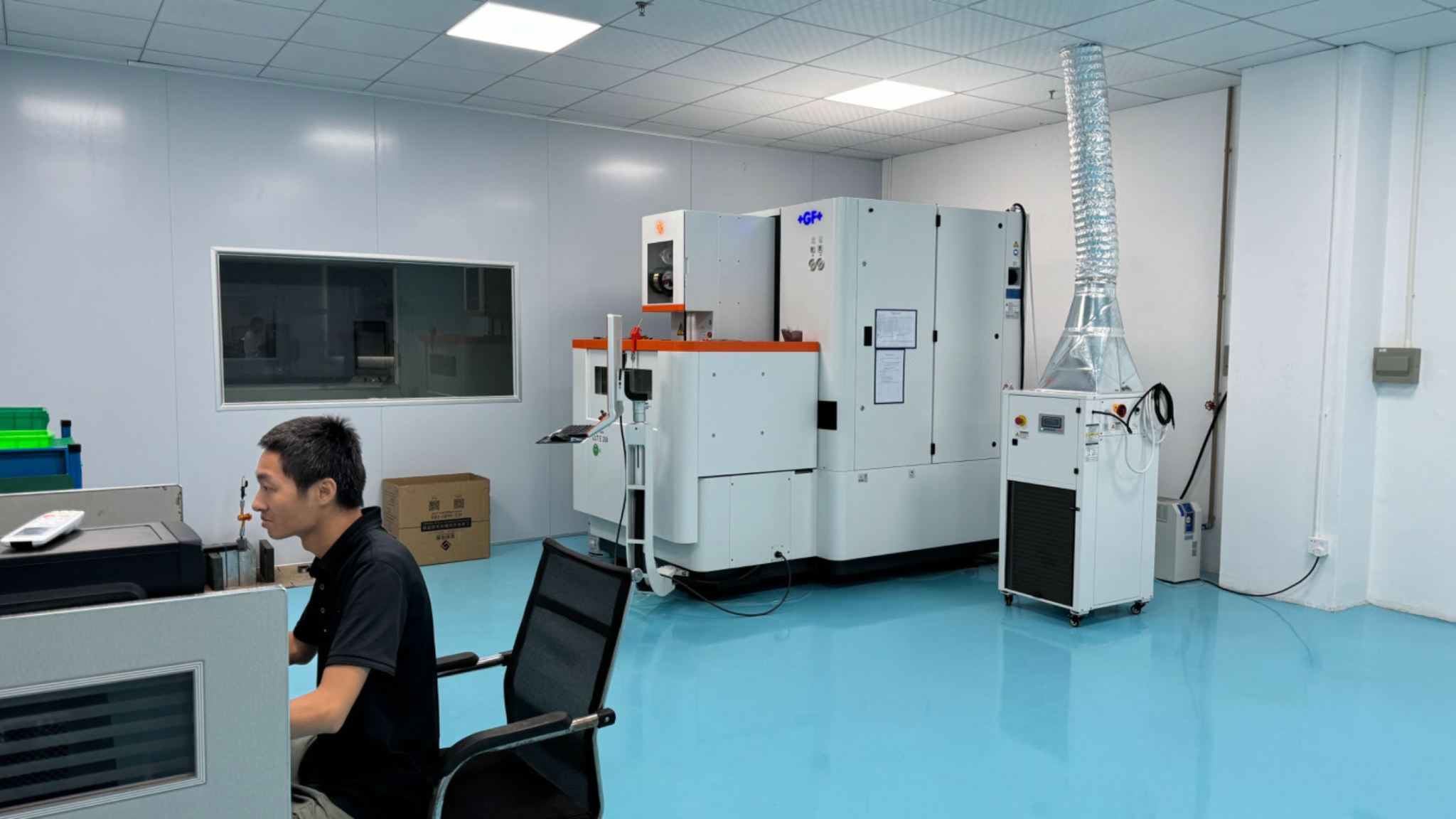
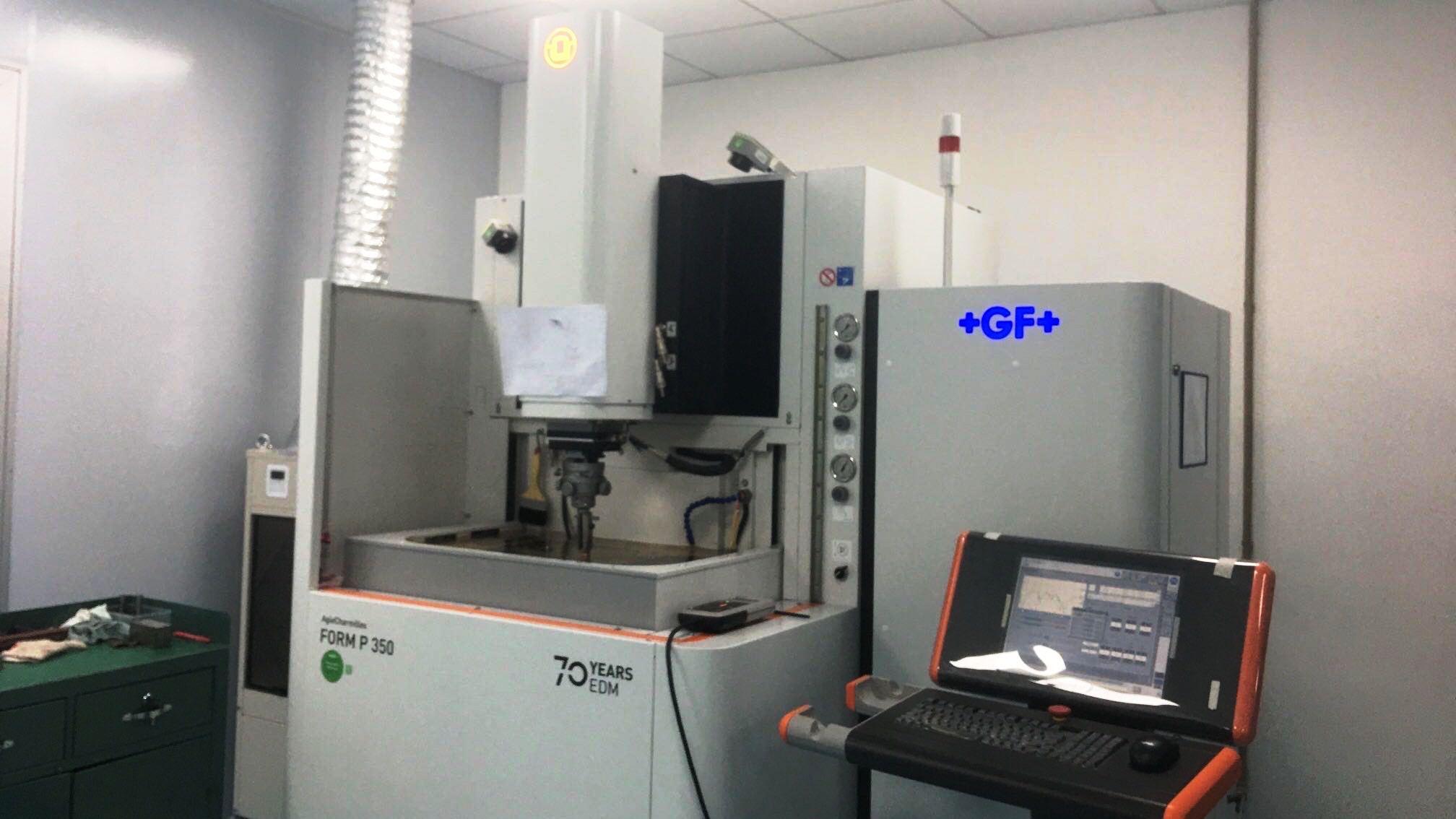
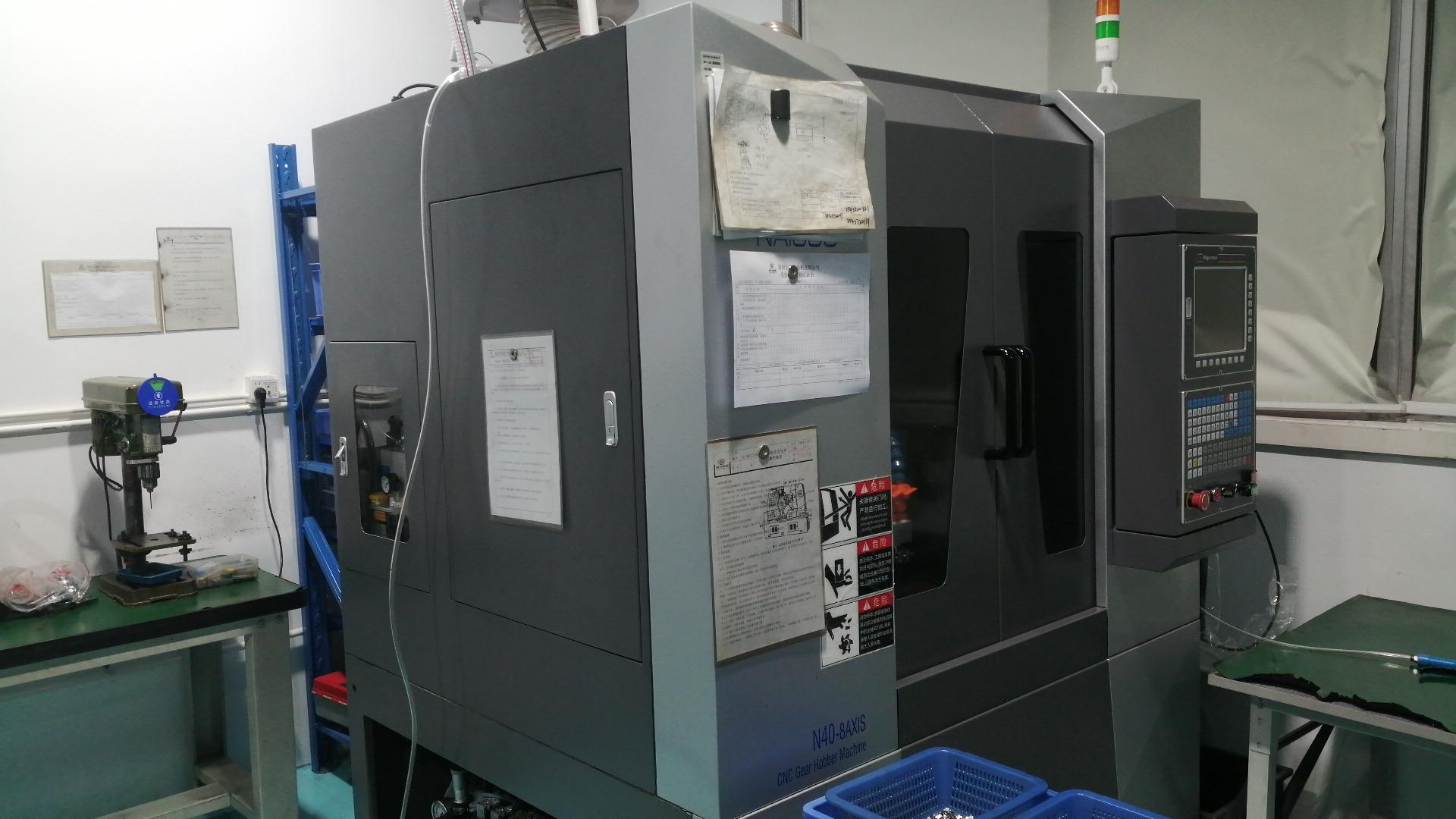
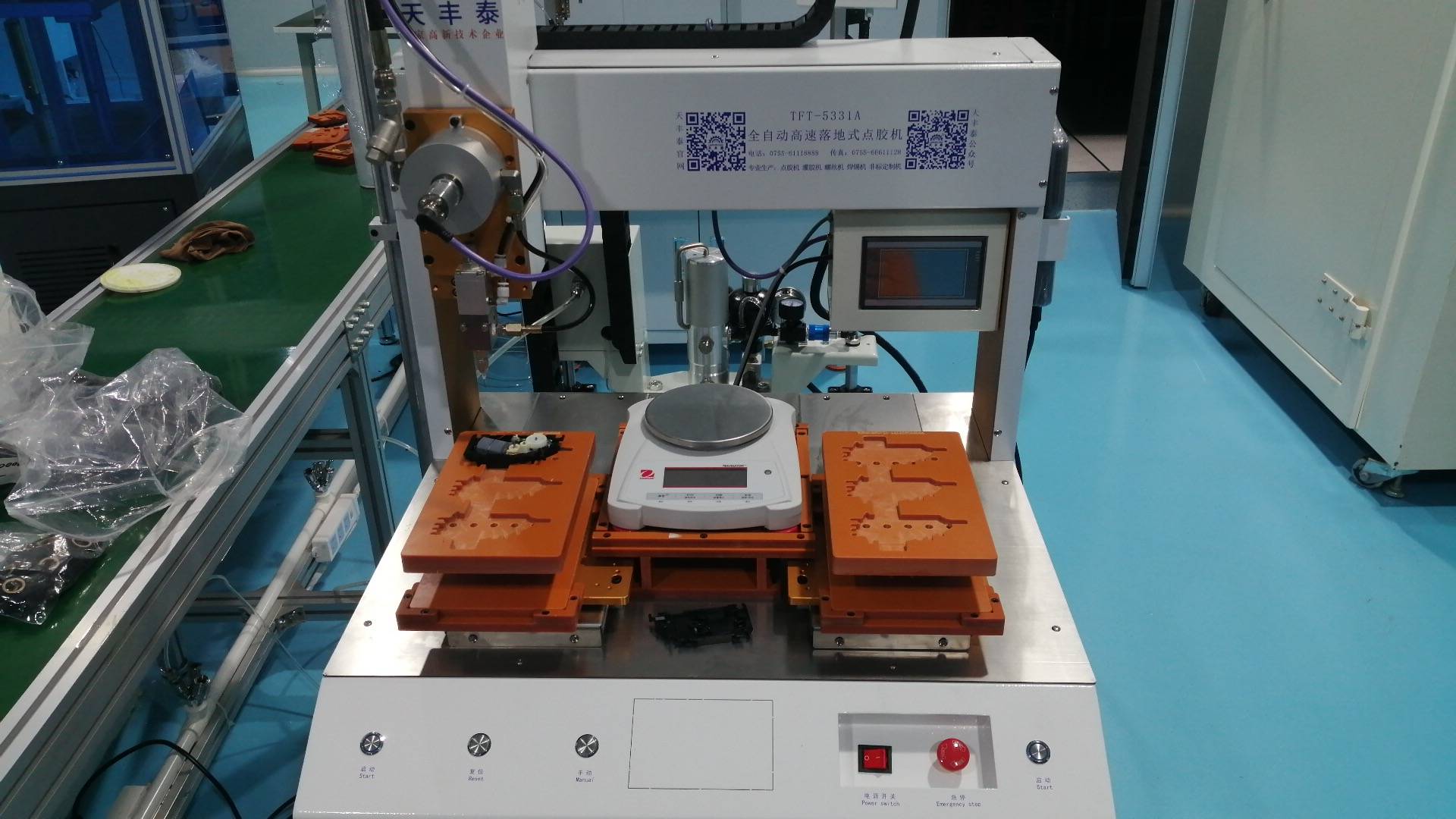
Established in 2006, our factories feature fully integrated automated production lines. We eliminate human variation in coil winding, commutator assembly, and magnetic circuit optimization, ensuring consistent haptic profiles over millions of cycles.
Whether you require an eccentric mass of a specific mass-radius product, specific wire leads terminated with JST/Molex connectors, or integrated planetary gearboxes, our engineers produce sample batches within 7–10 days.
Luxembourg importers must adhere to stringent CE marking and REACH chemical directives. Our micro motors are fully compliant with RoHS and REACH regulations, accompanied by complete materials trace declarations.
Procuring micro motion products in Europe often introduces long lead times and high markups through intermediary distributors. As a direct China manufacturer, Goaxis Pro maintains vertically integrated raw material pipelines, enabling us to secure rare-earth NdFeB permanent magnets, high-purity oxygen-free copper wires, and specialized carbon brushes at cost-effective rates. By bypassing trading company markups, we deliver structural cost advantages directly to Luxembourg manufacturers.
Our logistical pipelines are optimized for the European continent. With active freight routes heading directly to Luxembourg-Findel Airport (LUX) and key European hub warehouses, we ensure reliable, just-in-time delivery schedules. Our documentation conforms fully with EU Customs requirements, minimizing processing delays.

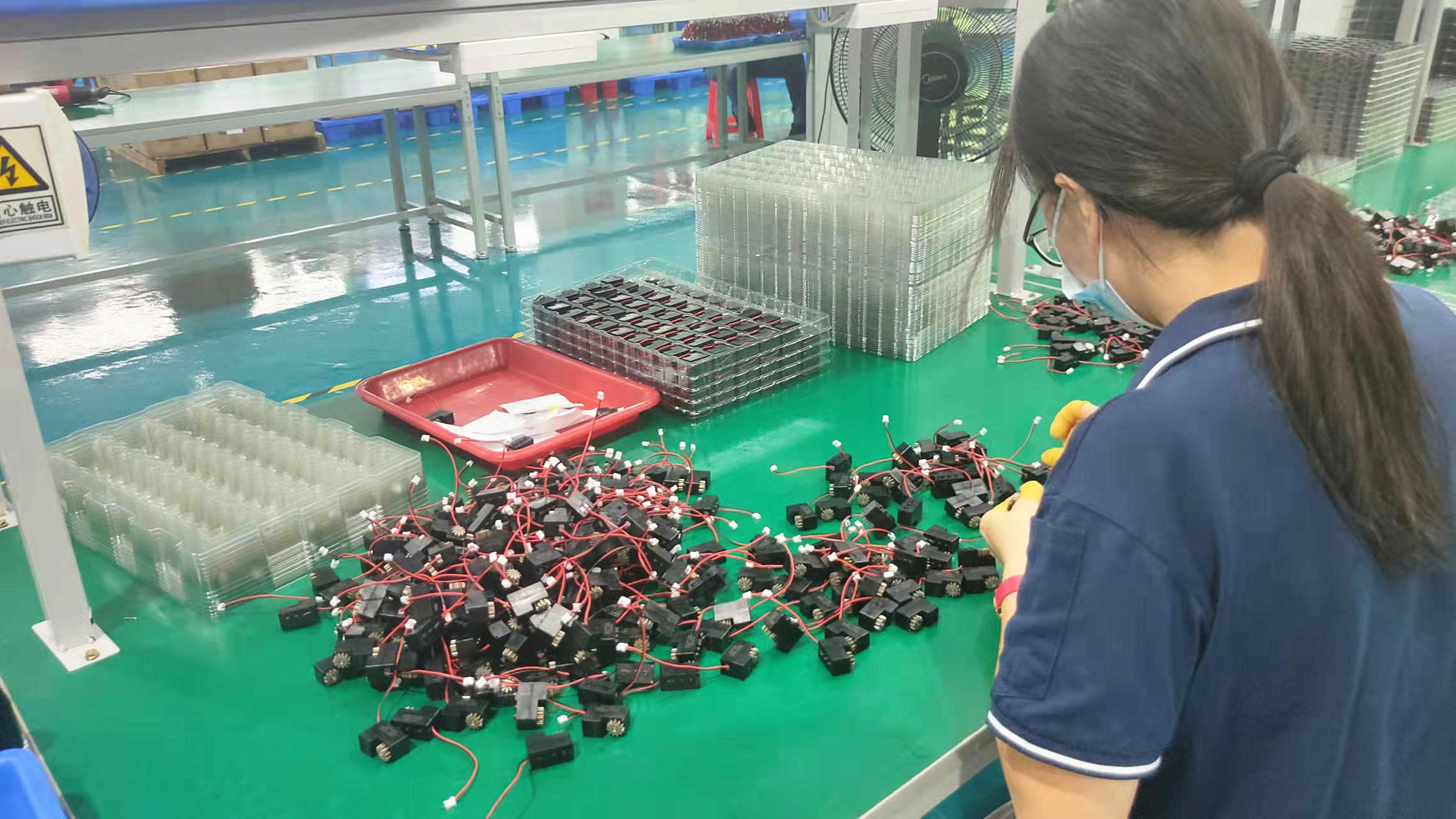
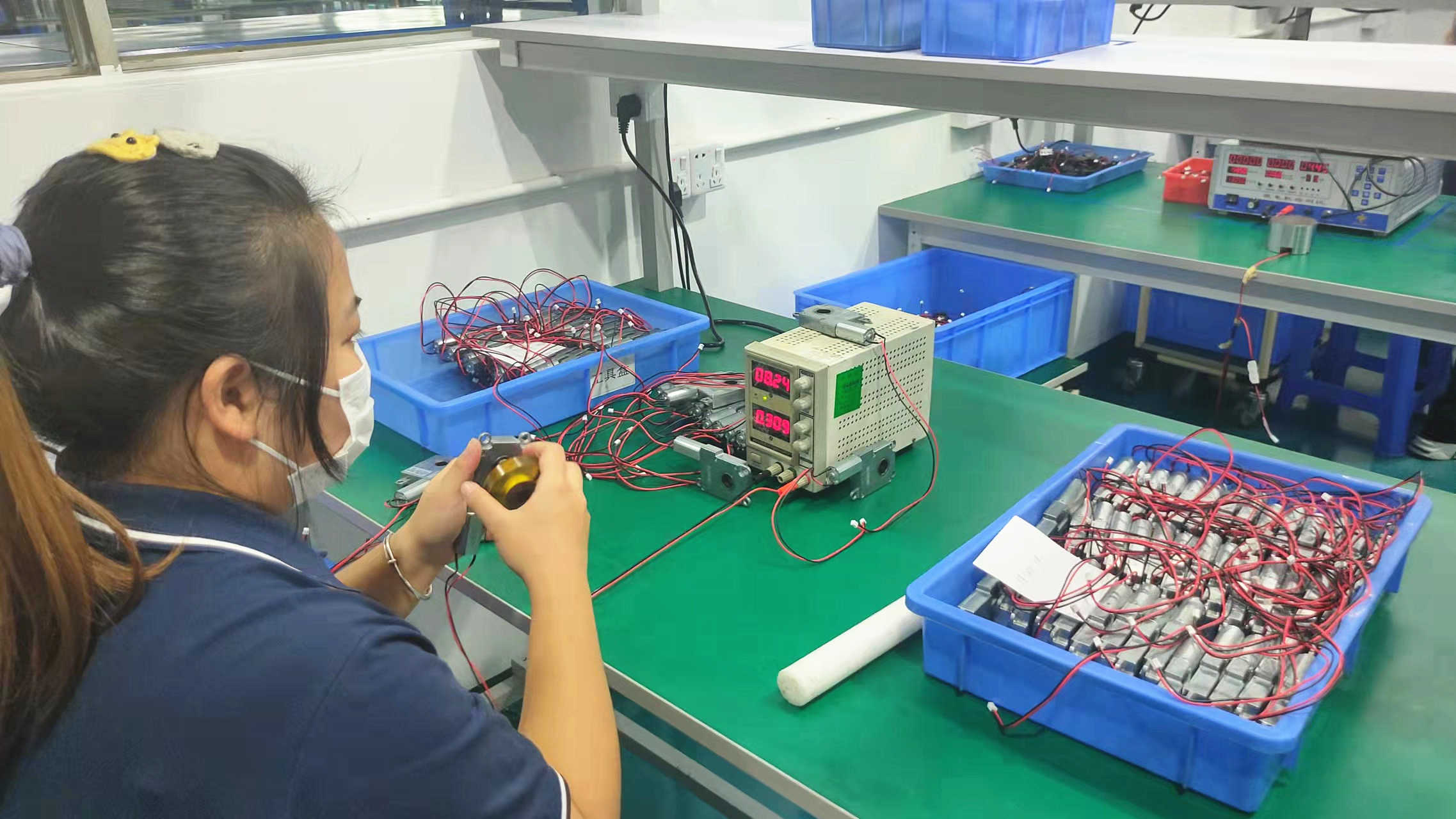
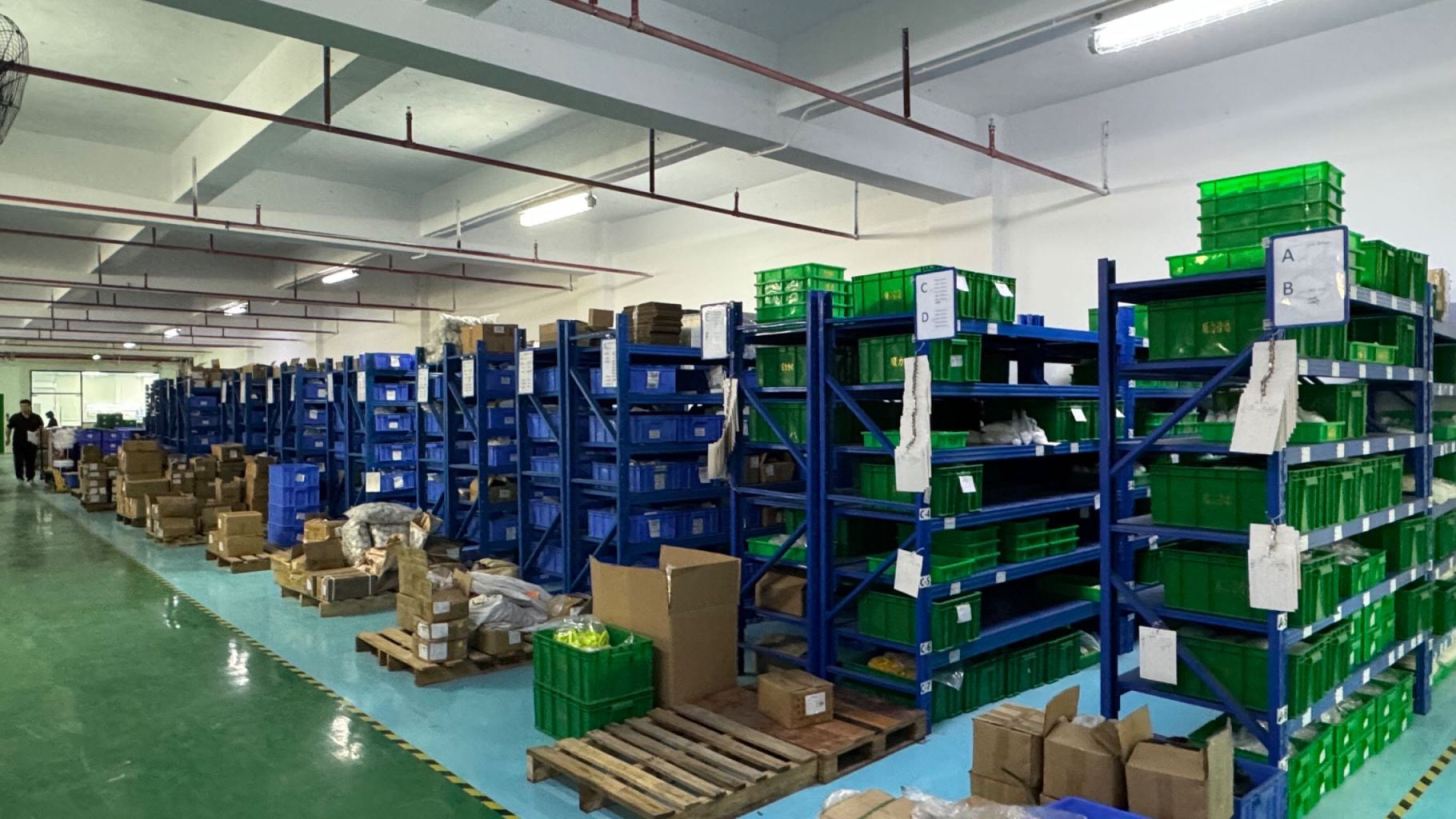
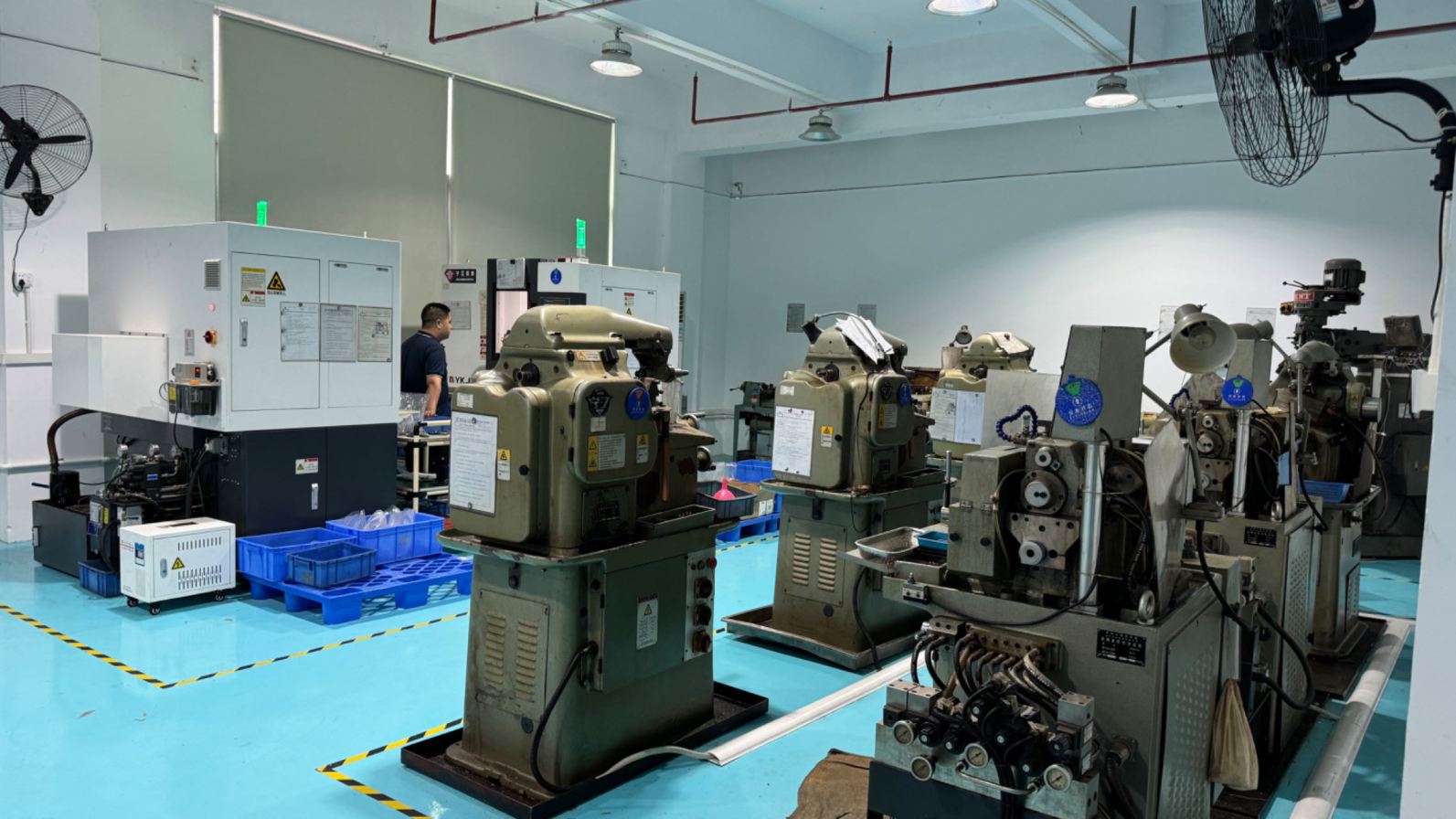
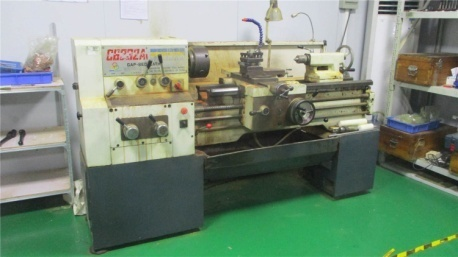
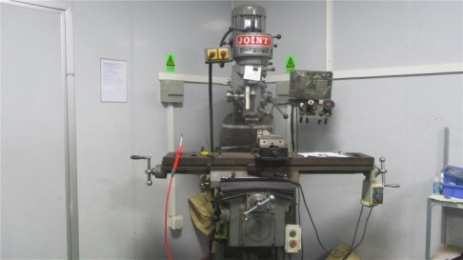
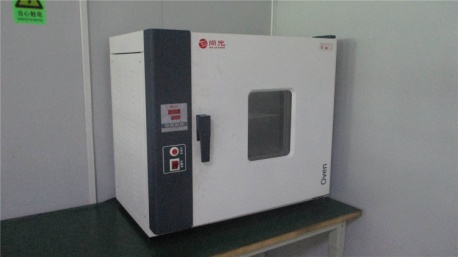
The industrial landscape is transitioning from crude sensory alerts to high-fidelity tactile feedback. The technology driving this shift centers on two core topologies: Eccentric Rotating Mass (ERM) motors and Linear Resonant Actuators (LRAs). For applications in Luxemburg’s research institutions and automotive labs, choosing the correct topology is vital to performance success.
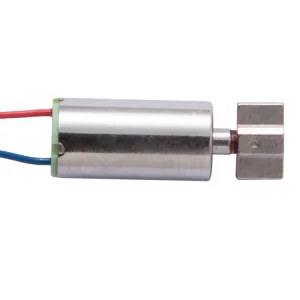
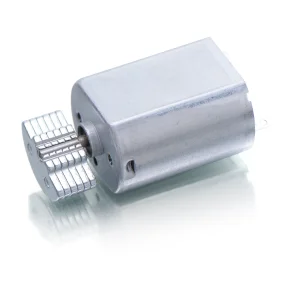
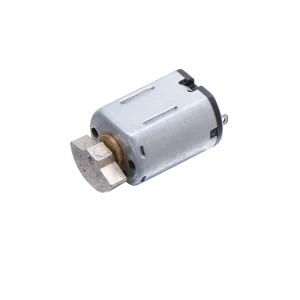
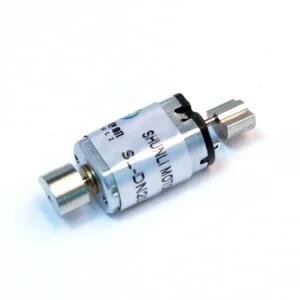
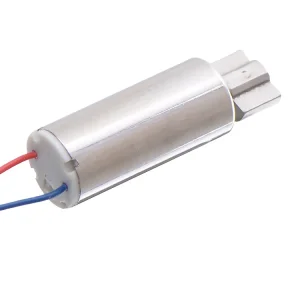
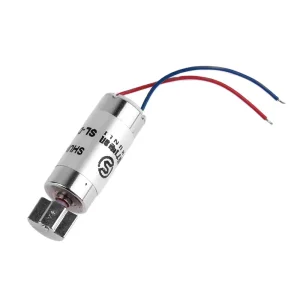
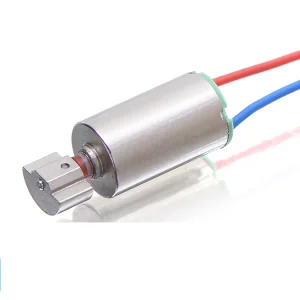
ERM micro motors use an asymmetrical weight attached to the output shaft. As the shaft spins, the centripetal force imbalances the motor, generating a vibration force vector. Coreless designs replace the heavy steel rotor core with an elegant, self-supporting cylindrical basket winding. This reduces inertia, allowing for rapid start-stop cycles (typically under 40ms) and low power draw.
LRAs utilize a magnetic mass suspended by springs that moves linearly along a single axis, driven by an internal voice coil. While LRAs provide distinct tactile sensations, they operate within a narrow resonant frequency band (typically around 170Hz–200Hz). In contrast, ERM motors offer multi-axis vibration vectors and frequency control linked to input voltage, making them more versatile for industrial warning devices, tactile UI interfaces, and rugged outdoor equipment.
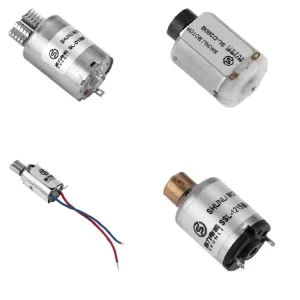
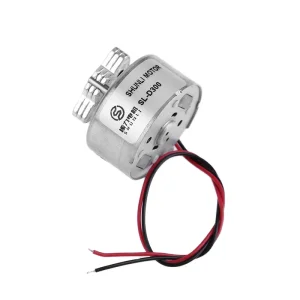
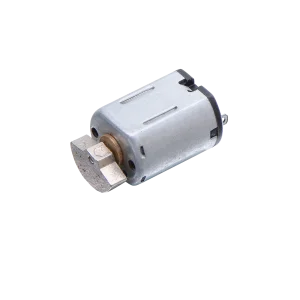
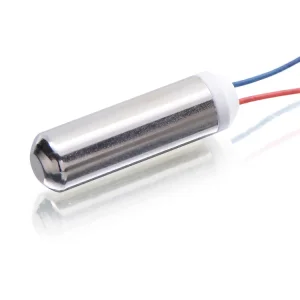
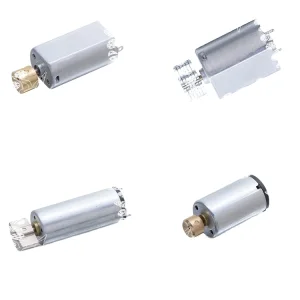
Select from our certified range of cylindrical, coin, and N20 vibration motors designed for integration into European consumer products and heavy industrial platforms.
In-depth technical clarifications covering structural properties, haptic tuning, and compliance requirements for European procurement managers.
Connect directly with our engineering team for dynamic simulations, haptic tuning recommendations, and competitive wholesale pricing for Luxembourg and the wider EU market.
 Goaxis Pro