Choosing the right DC motor for your project can be a daunting task. With countless options available, understanding the fundamentals is crucial. Expert Mark Johnson, a renowned engineer in the DC motor industry, emphasizes, “Selecting the proper DC motor can make or break your project.” This highlights the importance of making informed choices.
DC motors are versatile and widely used in various applications. From robotics to automotive systems, these motors play a critical role. However, many often overlook key factors such as torque, speed, and efficiency. Each project has unique requirements, so failing to consider these aspects can lead to inefficiencies or project failure.
Navigating the complexities of DC motor selection requires careful thought. Many enthusiasts rush into decisions based on price alone. This often results in subpar performance and unmet expectations. A focused approach to understanding your specific needs can lead to better outcomes. Ultimately, making the right choice in DC motors demands a blend of knowledge and practical experience.
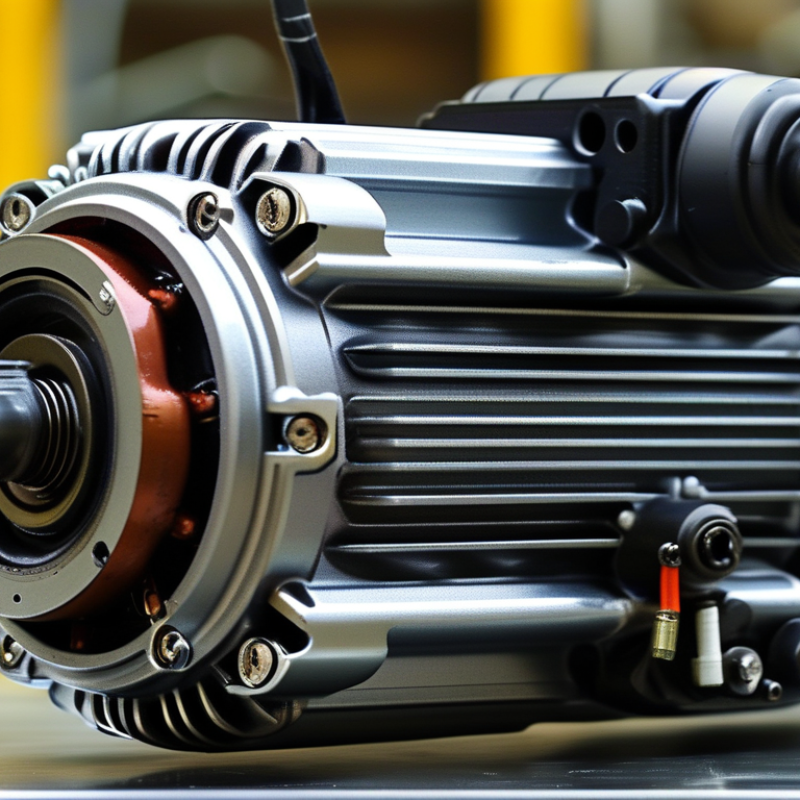
Understanding the Basics of DC Motors and Their Applications
When selecting a DC motor, understanding its fundamentals is crucial. A DC motor converts electrical energy into mechanical energy. This conversion is based on electromagnetic principles. DC motors come in various types, such as brushed and brushless. Each type has unique features suited for different applications.
Tips: Evaluate the torque and speed requirements for your project. This helps in selecting the right motor. Consider its size and weight too. Smaller projects may benefit from lightweight motors, while larger applications might require robust options.
Applications of DC motors are vast. They are commonly used in robotics, automotive, and consumer electronics. Their ability to adjust speed and direction makes them versatile. For instance, in robotic arms, precise control is essential.
Tips: Always check the power supply requirements. Ensure compatibility with the motor's specifications. Remember, a mismatch can lead to inefficient performance. Test your choice thoroughly before full implementation. This step can save time and resources.
How to Choose the Right DC Motor for Your Project? - Understanding the Basics of DC Motors and Their Applications
| Motor Type |
Voltage (V) |
Current (A) |
Speed (RPM) |
Torque (Nm) |
Application |
| Brushed DC Motor |
12 |
1.5 |
3000 |
0.05 |
Robotics |
| Brushless DC Motor |
24 |
2.0 |
4000 |
0.15 |
Drones |
| Coreless DC Motor |
6 |
1.0 |
20000 |
0.02 |
Model Aircraft |
| Stepper Motor |
5 |
1.5 |
120 |
0.3 |
3D Printers |
Identifying Your Project Requirements and Specifications
When embarking on a project that requires a DC motor, understanding your specific needs is crucial. Begin by evaluating the load requirements. Calculate the torque your motor must generate based on the weight and friction of your application. This will help you determine the motor's power rating. Additionally, consider the speed requirements, as different projects demand different RPM levels. Make sure to align the motor specifications with these needs for optimal performance.
Next, think about the operational conditions. Is your project indoors or outdoors? Exposure to dust, moisture, or extreme temperatures can affect motor selection. For instance, if the motor will operate outdoors, look for one with an appropriate IP rating. Additionally, consider the control methods. Will you be using PWM for speed control or a simple on/off switch? These details matter and can influence your choices. Assessing each specification thoroughly can help prevent pitfalls during implementation.
Evaluating Different Types of DC Motors Available
When evaluating different types of DC motors, consider your project's specific needs. DC motors vary in size, speed, and torque.
Brushed motors are often cheaper and easier to control. They're reliable for simple applications. However, they require regular maintenance due to brush wear.
Brushless motors offer higher efficiency and longer life. They are ideal for applications needing continuous operation. Yet, they come at a higher cost and might be overkill for simpler projects. Understanding the unique benefits and drawbacks of these motors helps in making a well-informed choice.
Additionally, factor in the power source and load requirements. A motor’s voltage rating is crucial. Ensure it matches your power supply. Torque requirements also affect performance. Underestimating the load could lead to motor failure. Be realistic about your design goals and constraints. This mindfulness can lead to better outcomes in your project.
Factors to Consider When Selecting a DC Motor
Choosing the right DC motor for your project requires careful consideration of several factors. Power requirements are key. Assess the voltage and current needs based on your application. High torque may be essential for heavy loads, while precise speed control could enhance performance in robotics. Calculate the power rating required for your motor to operate efficiently in your specific environment.
Another critical factor is the size and weight of the motor. A compact motor works well in space-constrained designs. Conversely, heavier motors might provide strength but can complicate installation. Think about how the motor will be mounted and how it integrates with your overall design.
Efficiency is vital too. Not all motors are created equal in terms of energy consumption. Selecting a motor with a high-efficiency rating can save energy and costs over time. Keep in mind how your project might evolve. An adaptable motor may be worth considering even if it exceeds initial requirements. This flexibility could future-proof your project, but it also risks overspending. Reflect on the trade-offs as you make your decision.
Testing and Integrating the Chosen DC Motor into Your Project
When testing and integrating a DC motor into your project, precision is key. Begin by assessing the motor’s specifications. Factors such as voltage, current, and torque ratings influence performance. For instance, a motor designed for high torque may have a lower speed. Understanding your project's requirements is essential for successful integration.
Conducting performance tests is crucial. Use a multimeter to measure voltage and current under load. Ensure that the motor runs smoothly and doesn’t overheat during operation. According to industry reports, motors that exceed their rated capacity can lead to failure, impacting the entire project.
Tips: Always have a cooling mechanism in place. This can enhance motor life significantly. Additionally, seek feedback from peers during integration. Collective insight often reveals overlooked issues. Frequent testing fosters reliability before final deployment. Adjustments based on test results may be necessary, affirming the importance of iterative refinement in the development process.
FAQS
: Consider power requirements, size, weight, and efficiency for your specific application.
Brushed motors are cheaper and easier to control but need regular maintenance. Brushless motors are efficient and durable but more expensive.
A motor's voltage must match your power supply. An incorrect voltage can lead to poor performance or failure.
Torque affects a motor's ability to handle loads. Underestimating it might cause motor failure in your application.
A compact motor suits small designs. Larger motors may offer strength but complicate installation and integration.
Yes, a high-efficiency motor saves energy and costs over time. However, it’s vital to balance cost and benefits.
Consider adaptable motors even if they exceed initial needs. This choice could prevent future issues.
Brushed motors require maintenance for brush wear, unlike brushless motors. Maintenance needs vary significantly.
No, underestimating load can cause motor failure. Be realistic about your project's demands for better outcomes.
Installation depends on motor size and weight. A complicated installation may hinder overall design and functionality.
Conclusion
Choosing the right DC motor for your project involves a systematic approach that begins with understanding the fundamentals of DC motors and their diverse applications. It's essential to identify your specific project requirements and specifications, as this will guide you in selecting a motor that meets the operational demands of your application.
Next, you should evaluate the different types of DC motors available, such as brushed and brushless options, and consider various factors that influence your decision, including torque, speed, size, and efficiency. Finally, once you have chosen the appropriate DC motor, testing and integrating it into your project is crucial to ensure optimal performance and reliability. This comprehensive evaluation will ultimately help you achieve your project's goals effectively.

 Goaxis Pro