Goaxis Pro
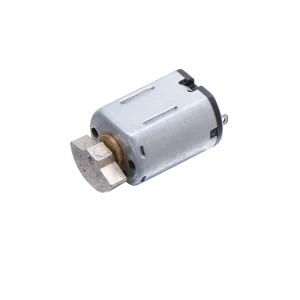
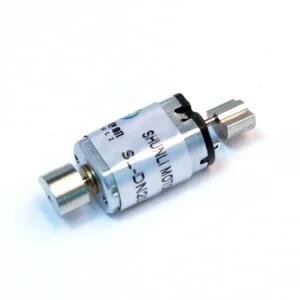
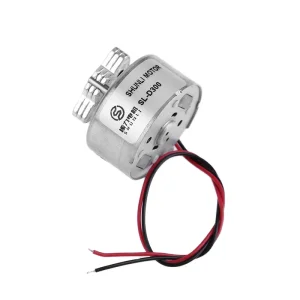
1. Fundamentals of DC Micro Vibration Motor Design
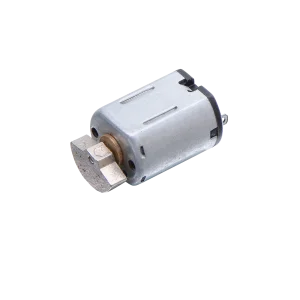
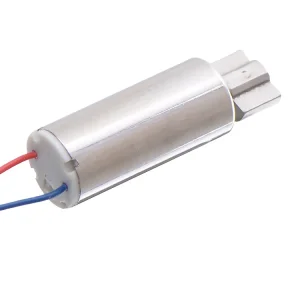
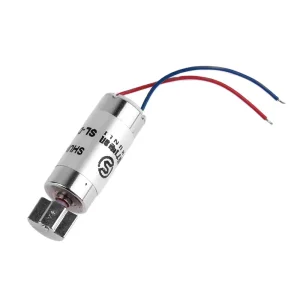
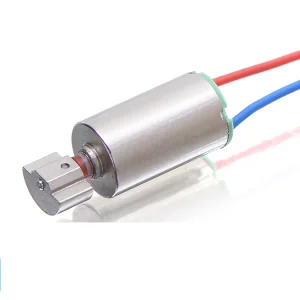
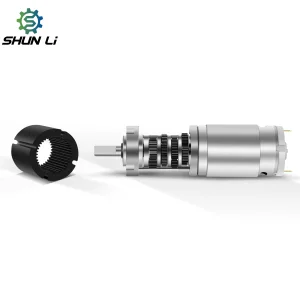
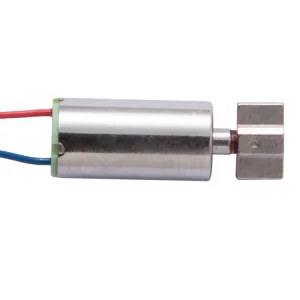
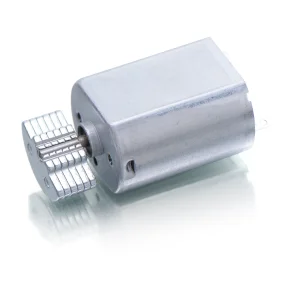
DC micro vibration motors, primarily operating on the principle of Eccentric Rotating Mass (ERM), utilize an unbalanced mass offset from the axis of rotation. When the armature revolves under the influence of an applied voltage, the asymmetrical center of mass generates a centrifugal force. This force propagates through the motor housing, translating into a mechanical wave that human somatosensory systems perceive as tactile or haptic feedback.
In engineering terms, the force generated by an ERM motor is expressed by the equation:
F = m · r · ω²
Where m represents the mass of the eccentric weight, r represents the radius vector of the mass center from the shaft axis, and ω is the angular velocity of the rotor (proportional to the applied voltage).
To achieve the optimal balance between acceleration amplitude and responsiveness (rise/fall times), designers must carefully select the magnetic circuit and commutation configuration. Brush-based commutation (typically using precious metal or carbon brushes) provides cost-effective and highly responsive control profiles suitable for intermittent operations like consumer pagers and intimate massagers. Conversely, brushless DC vibration configurations offer significantly extended lifetimes (MTBF > 10,000 hours), making them the choice for continuous commercial and aerospace instrumentation dashboards.
2. Global Supply Chain Advantages: Why Partnering with a China-based Manufacturer is Vital
The production of micro-vibrators relies heavily on the availability of rare-earth permanent magnets, precision metallurgy, and specialized assembly tools. China, particularly the Guangdong region, represents the epicenter of the global micro-motor supply chain. This concentration offers deep material advantages:
- Direct Sourcing of NdFeB Magnets: Over 85% of the world's Neodymium magnets are processed in China. Local factories have direct access to high-remanence, high-coercivity materials, reducing overall component costs while ensuring stable thermal performance.
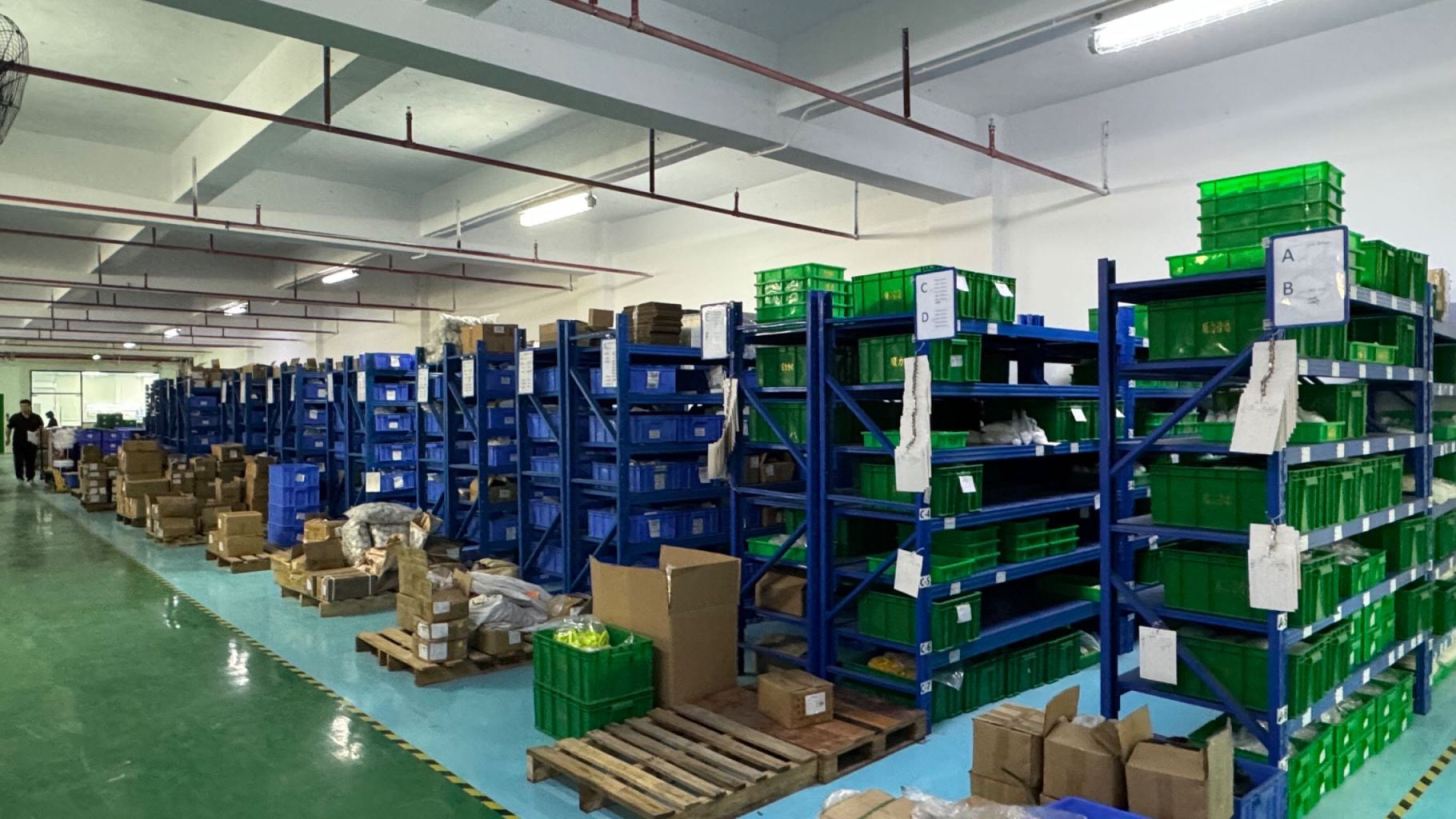
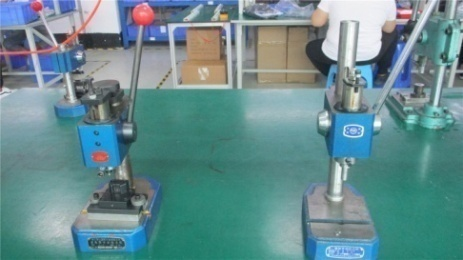
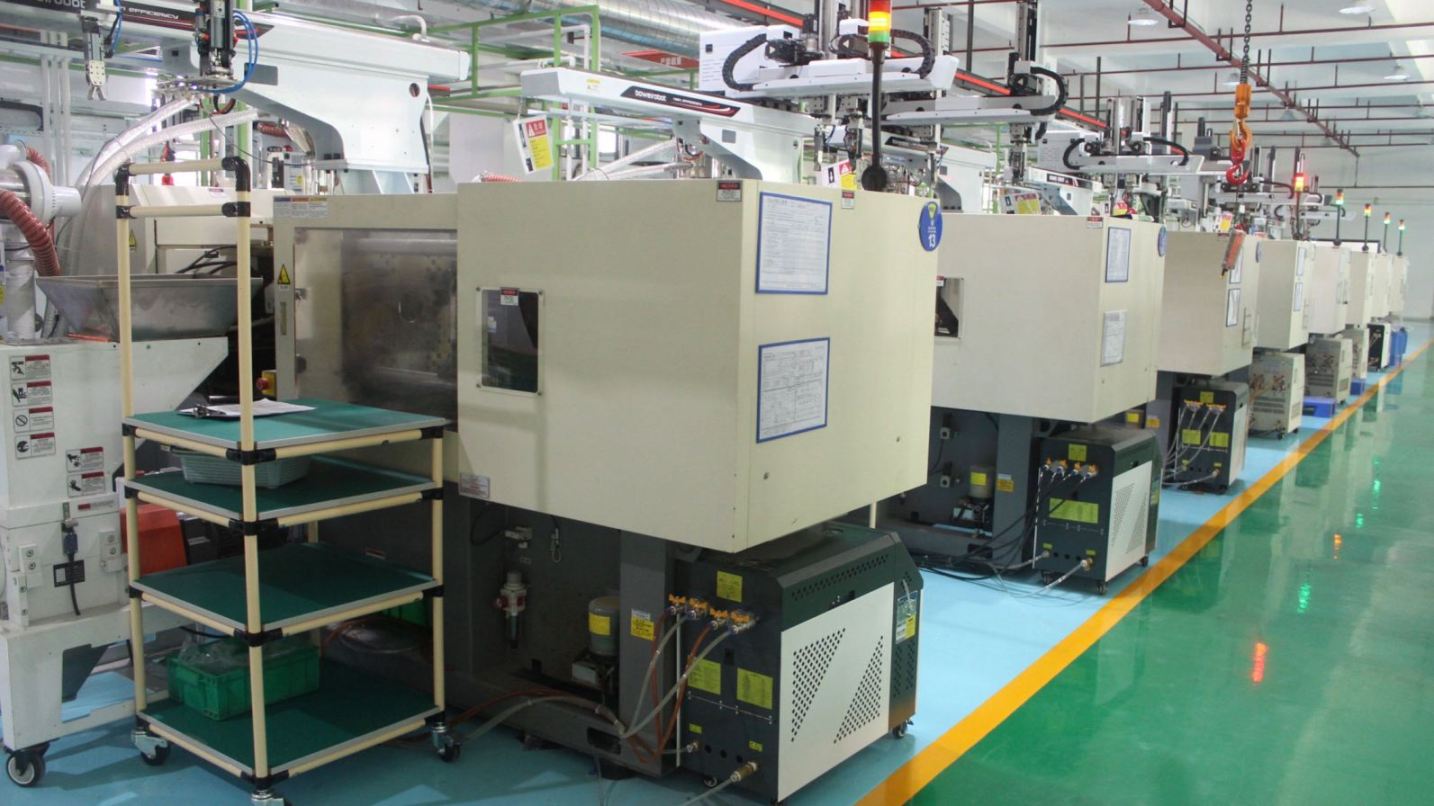
- Industrial Cluster Efficiencies: Our facilities are flanked by specialized component suppliers. Precision steel shafts, plastic injection molds, copper wire drawers, and surface finishing shops are located within a 50-kilometer radius, drastically compressing lead times.
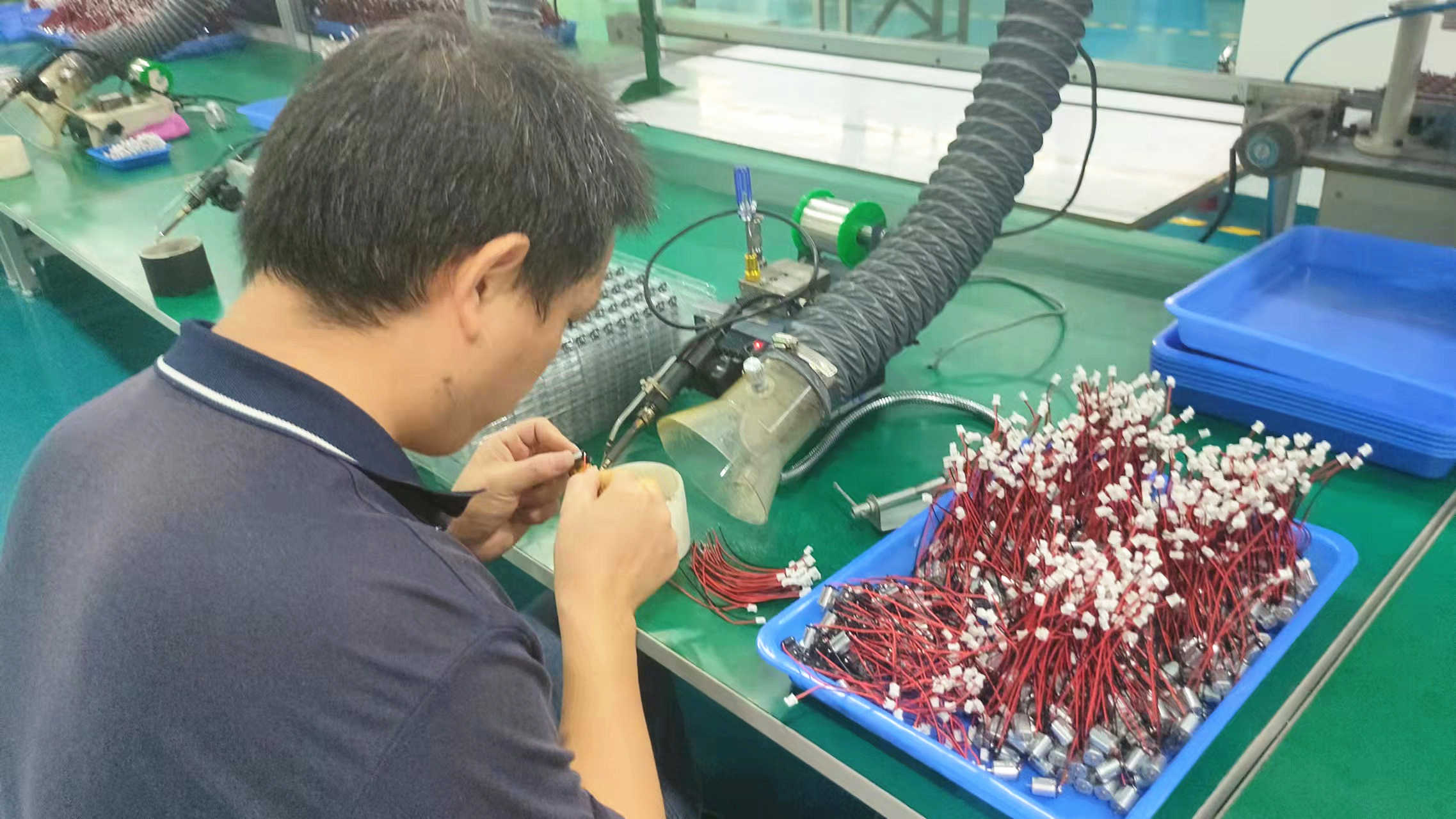
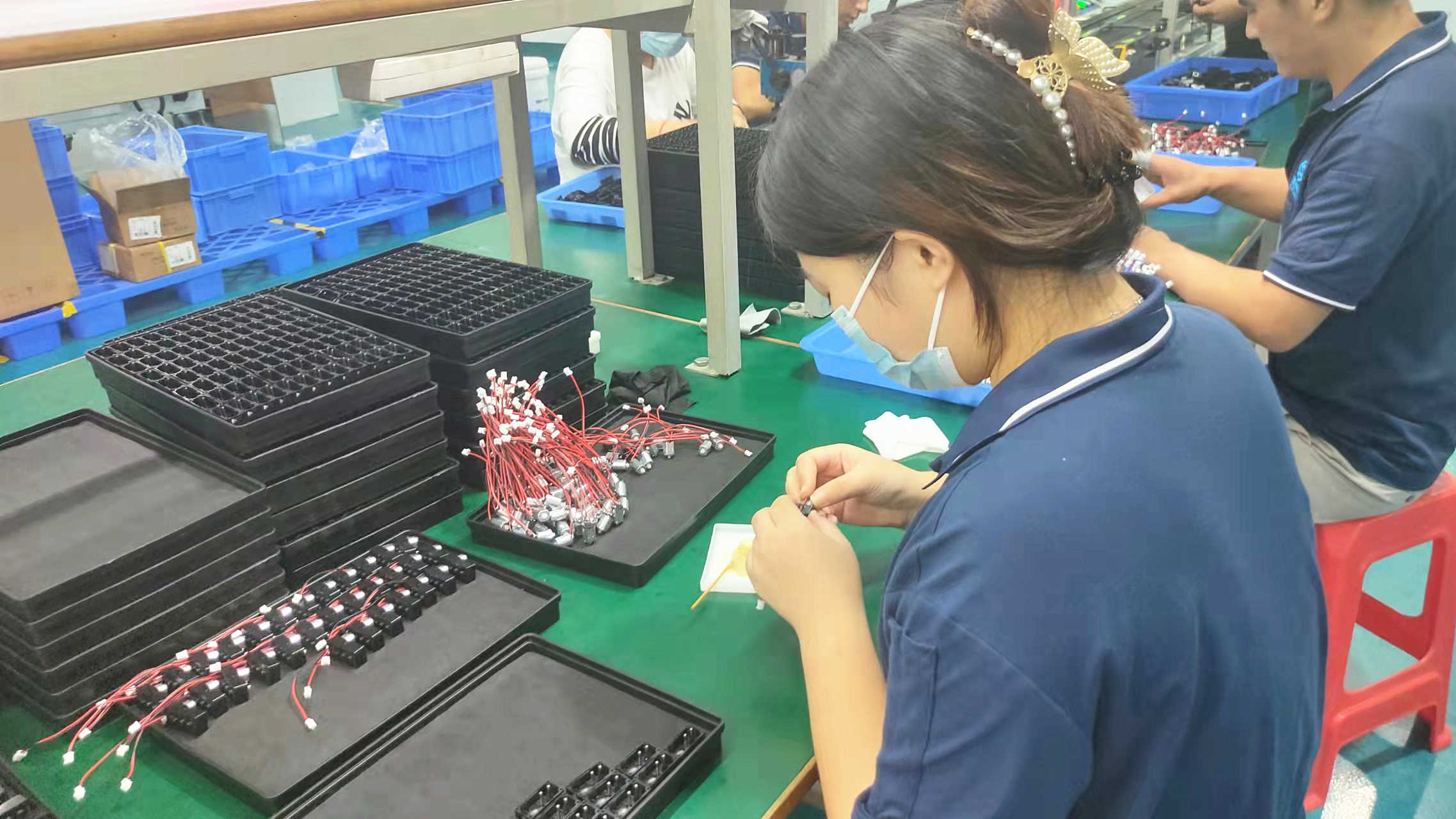
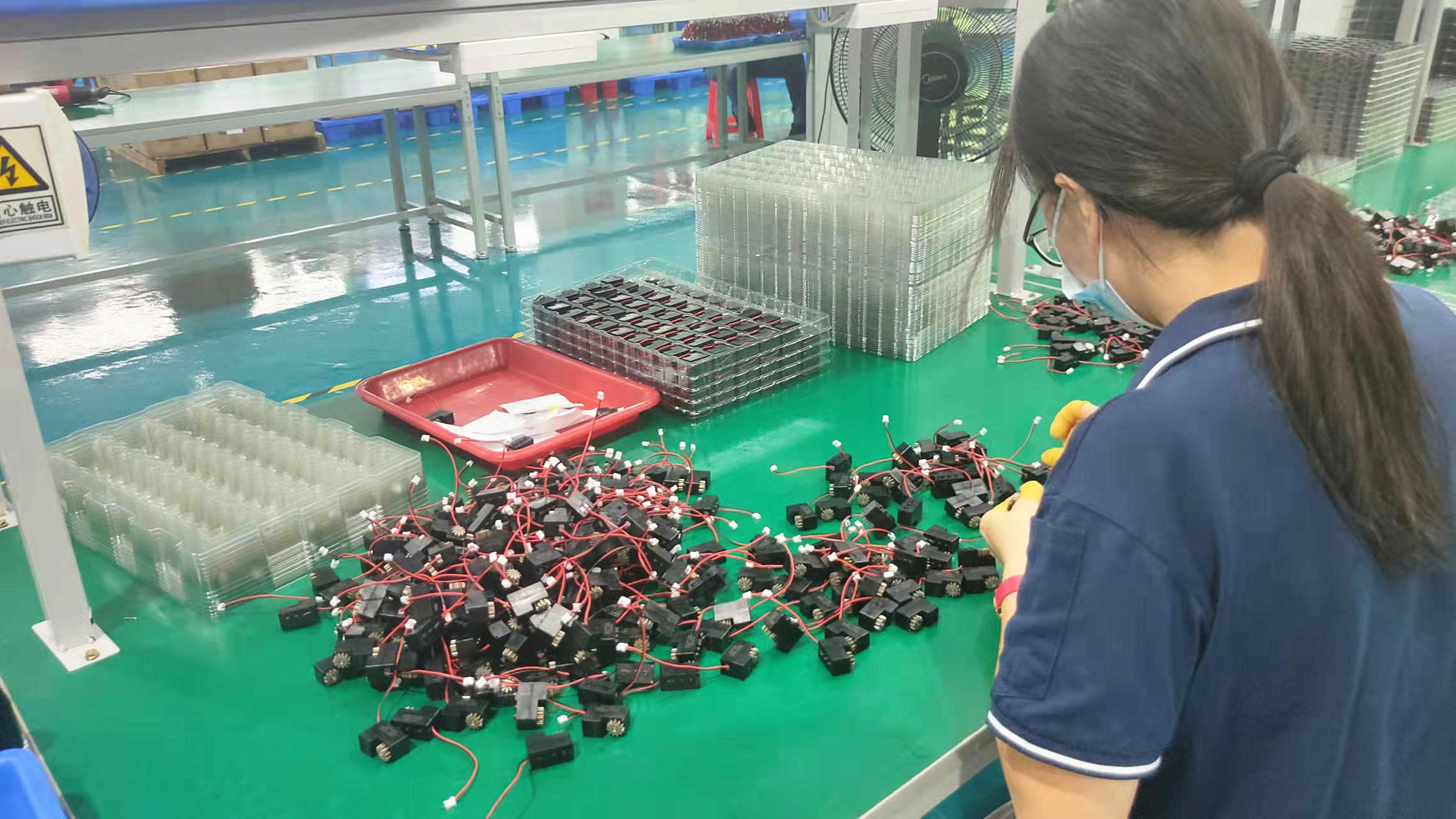
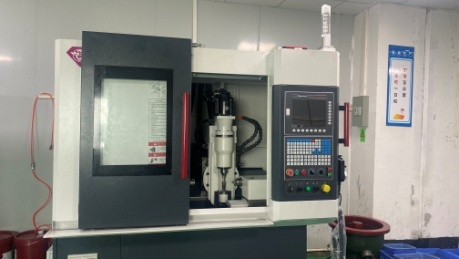
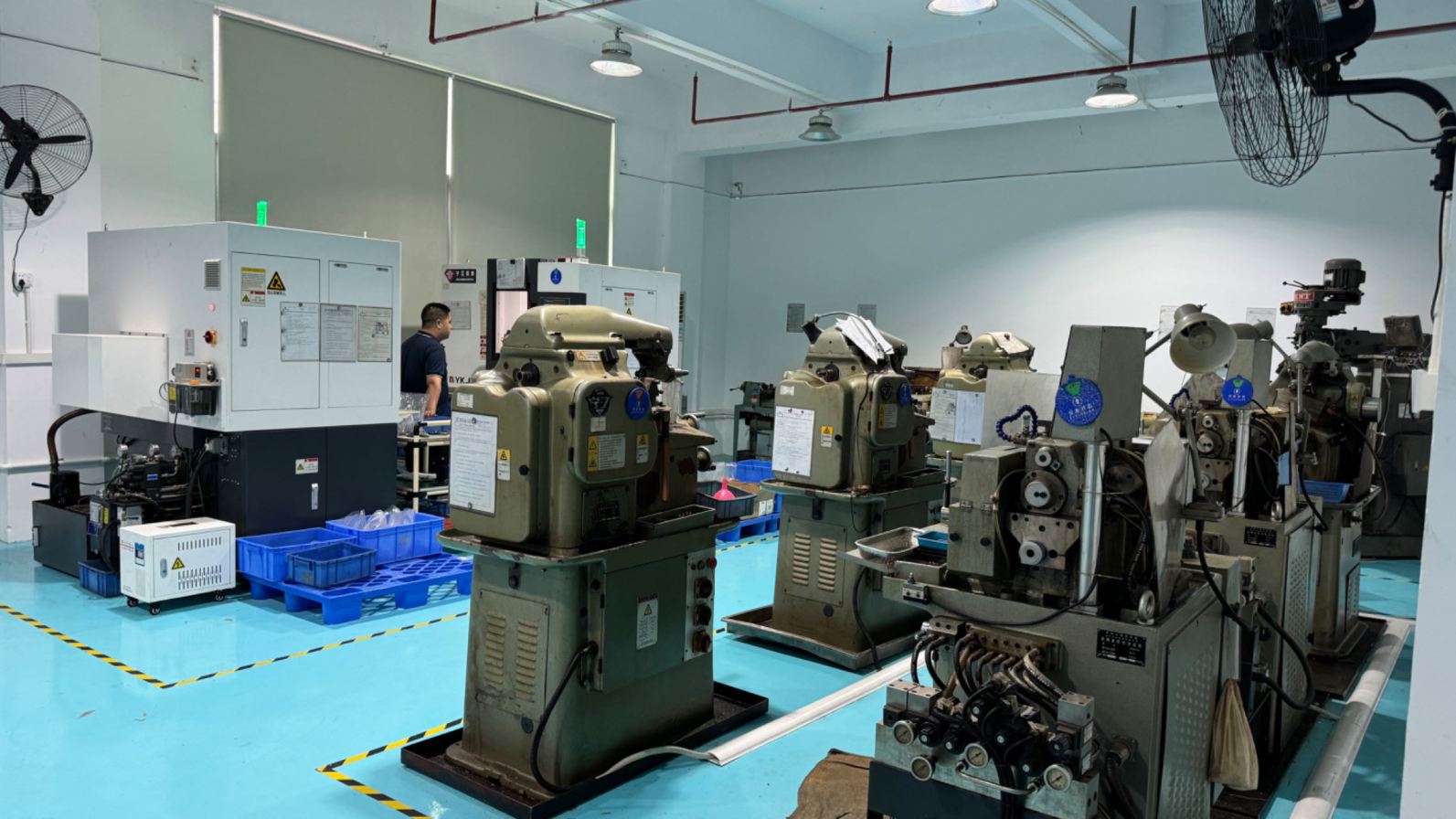
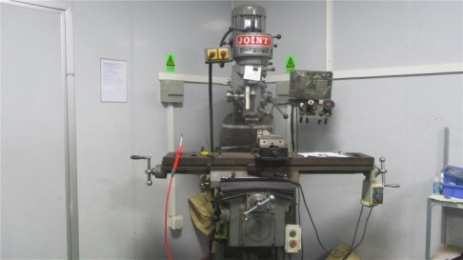
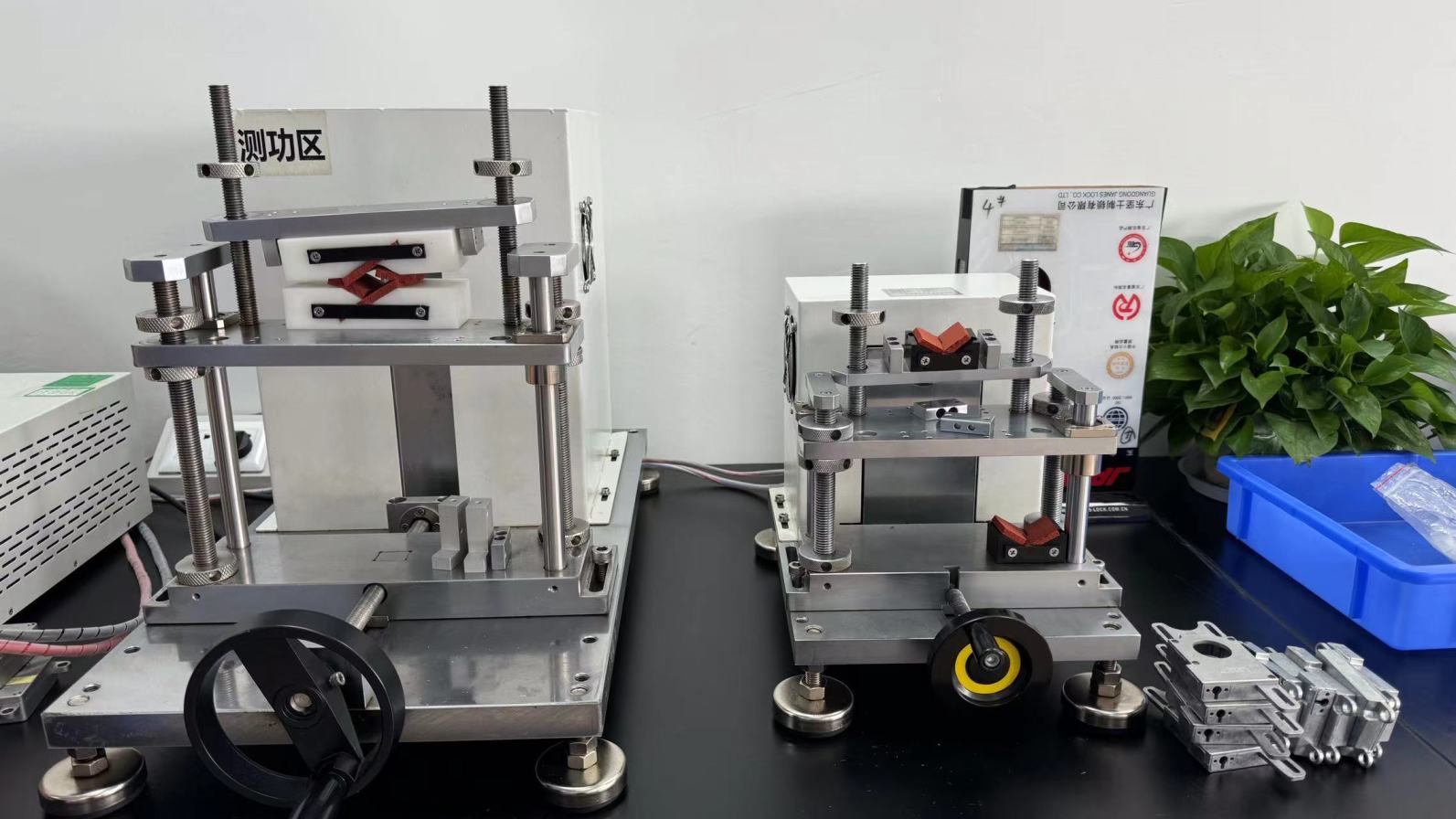
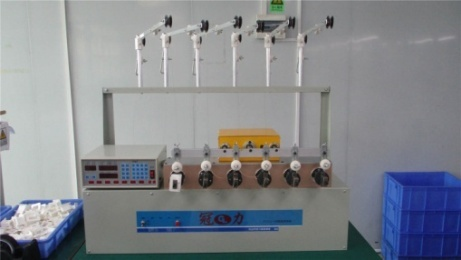
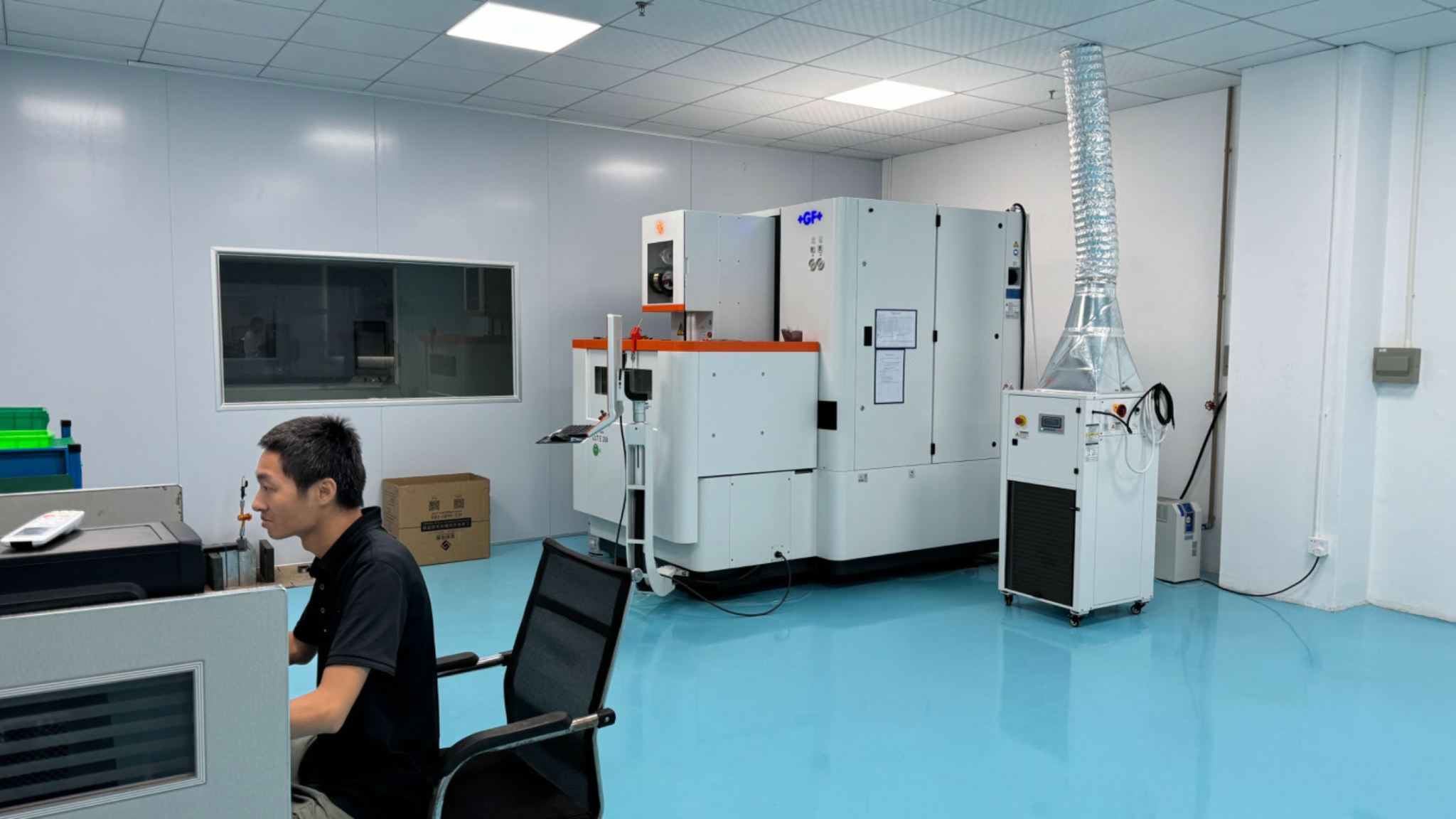
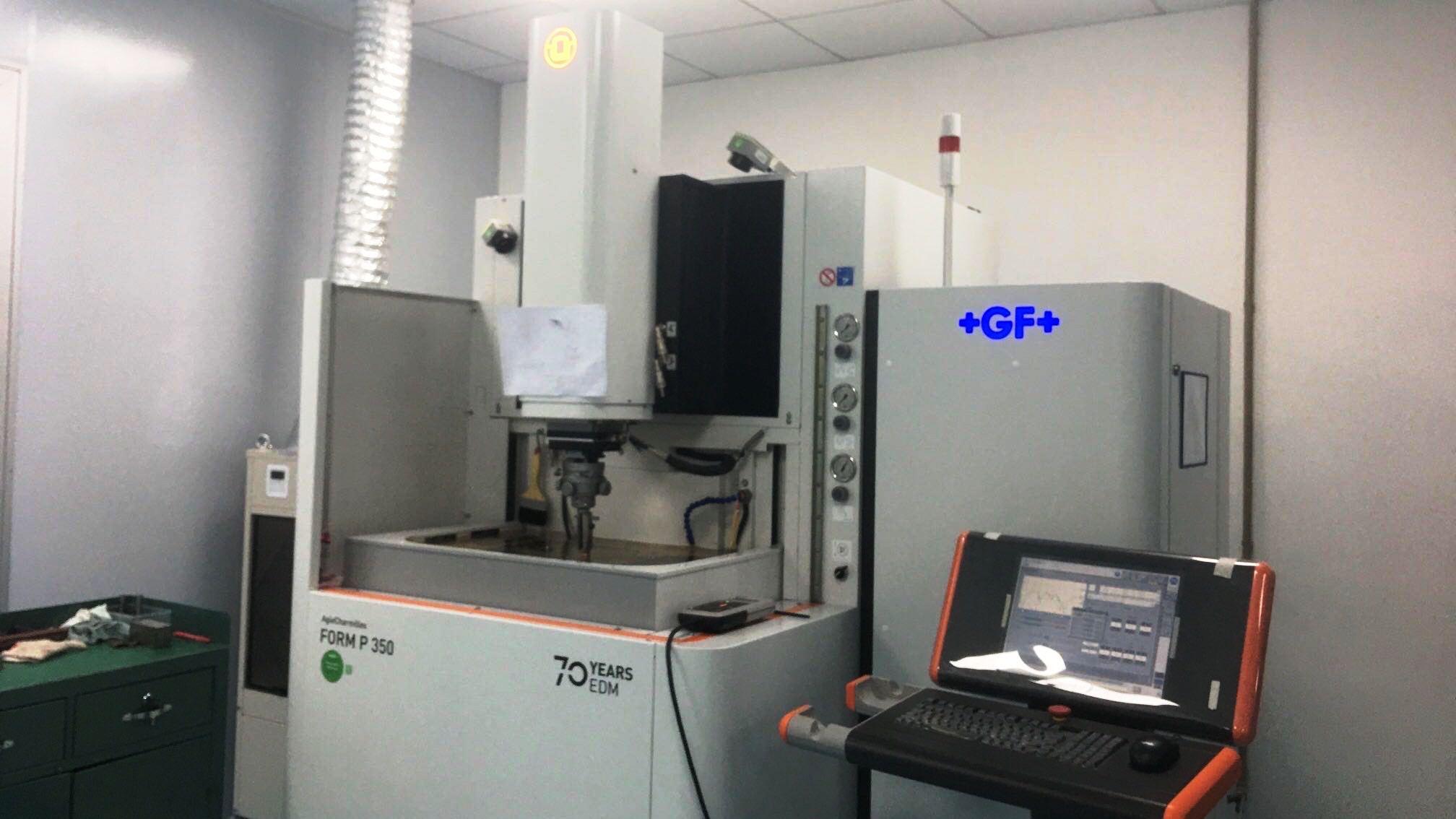
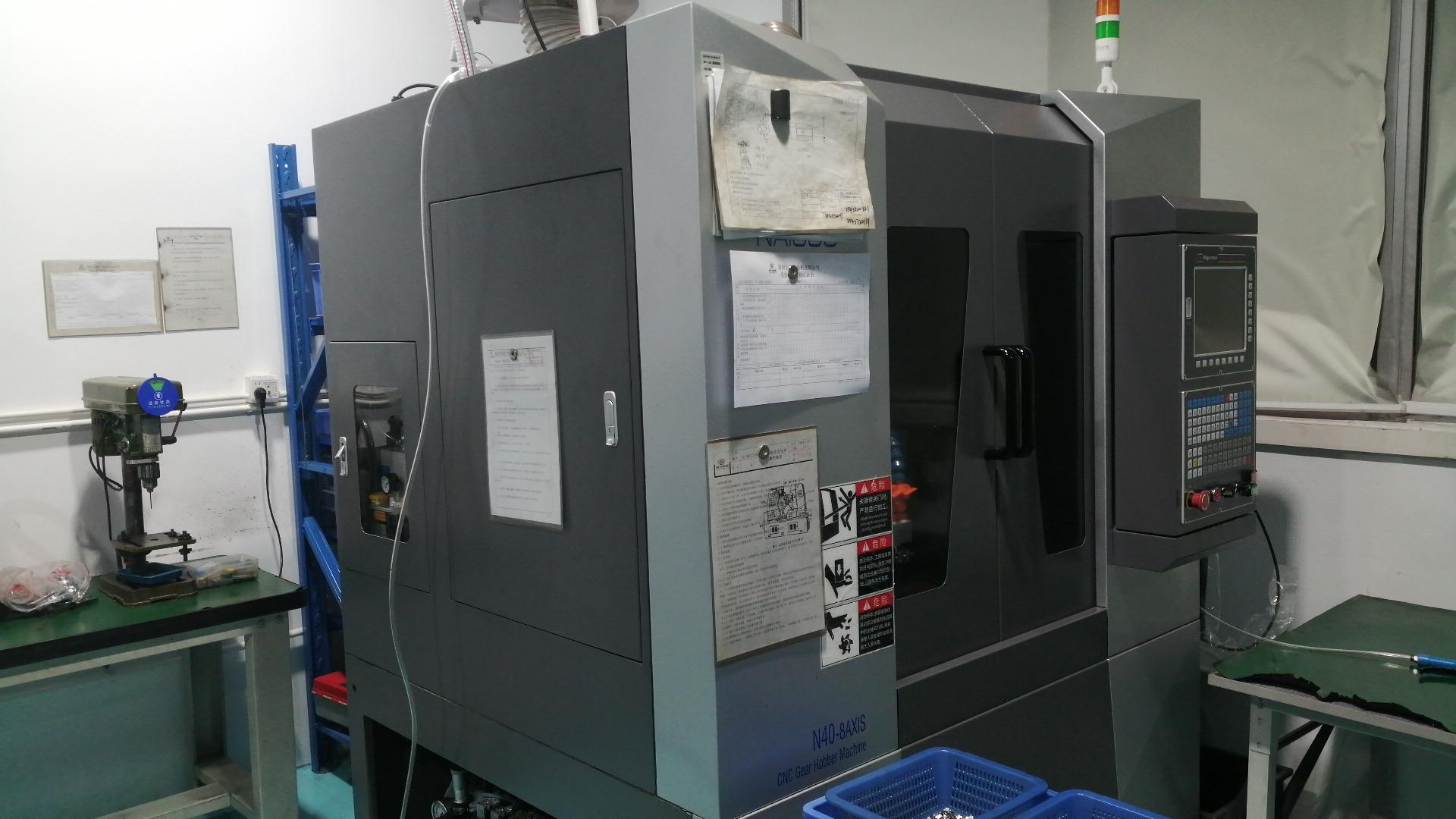
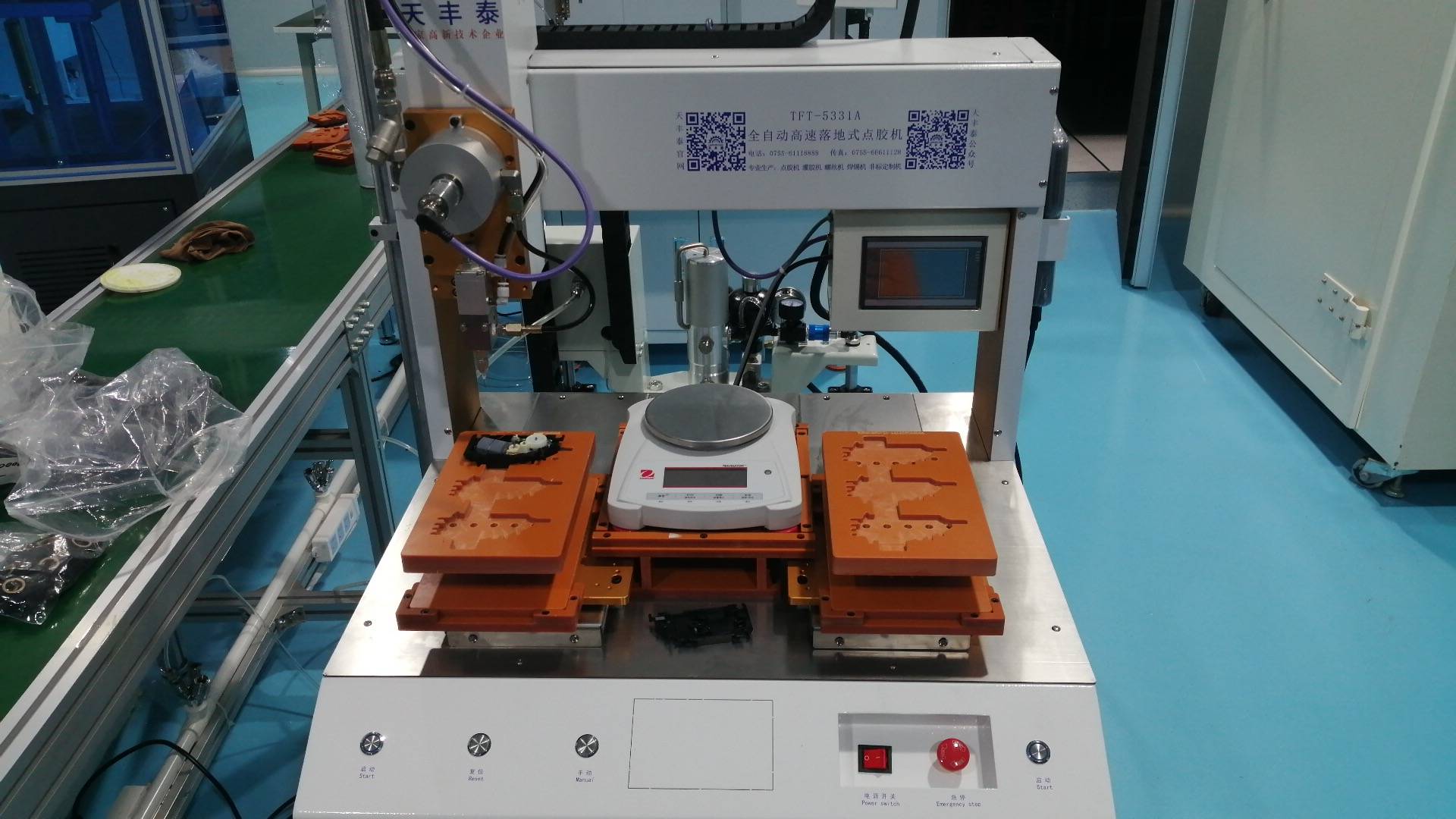
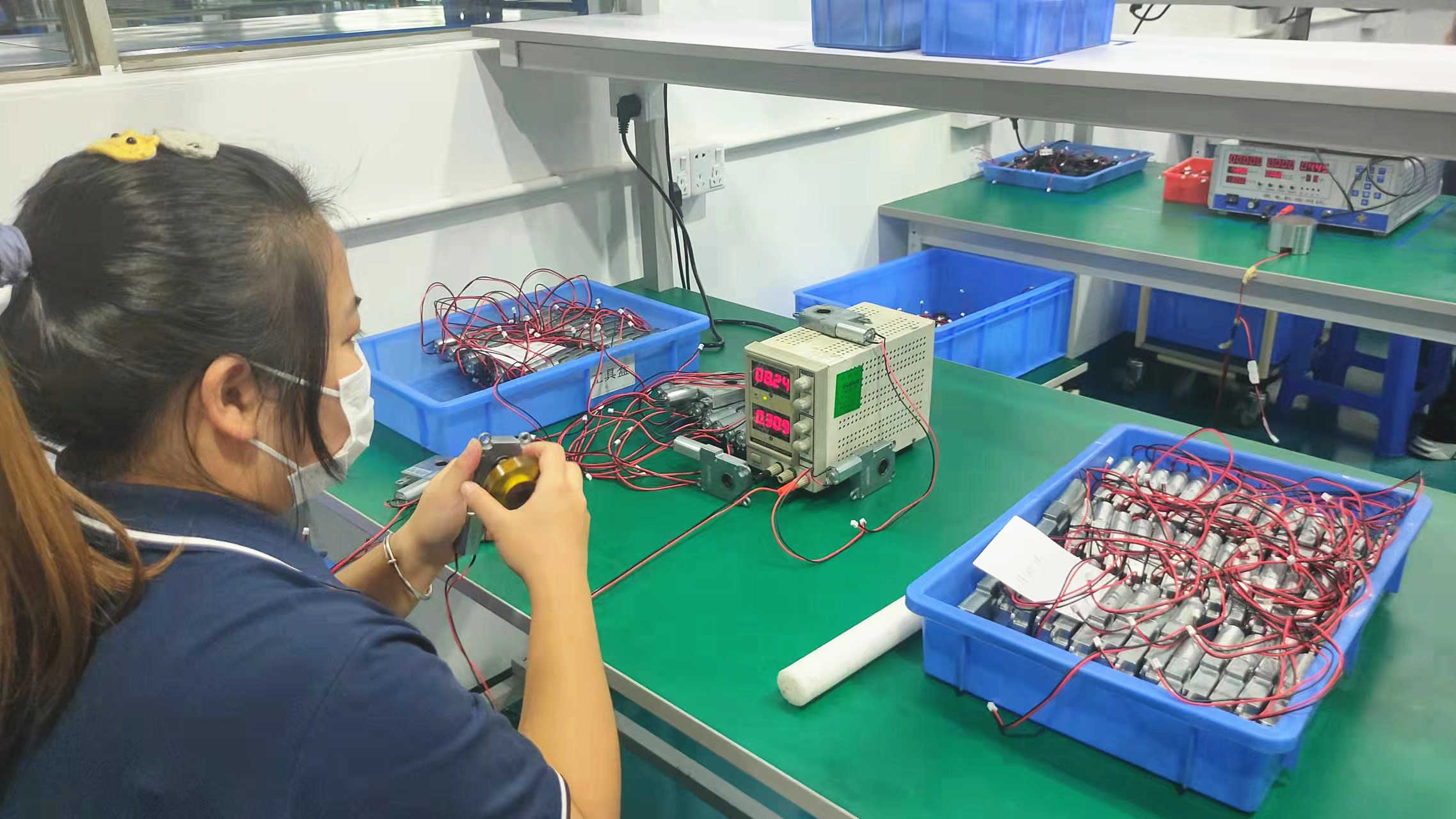
- Advanced Automation Technologies: High precision machinery like Ningjiang gear hobbers and automatic wire winding machines enable high-volume standardization. This reduces manual labor variances and ensures that unit-to-unit consistency stays within a 5% margin.
3. Meeting the Technical Specifications of Global Procurement
International procurement departments face various engineering constraints when sourcing micro vibration systems. Electrical engineers look closely at:
Nominal Voltage Scaling: Standard low-power units operating at 1.5V or 3.0V are standard for battery-operated devices. However, applications requiring intense mechanical feedback (e.g., heavy industrial controllers) demand 12V or 24V actuators with high stall torque parameters to instantly spin larger eccentric masses.
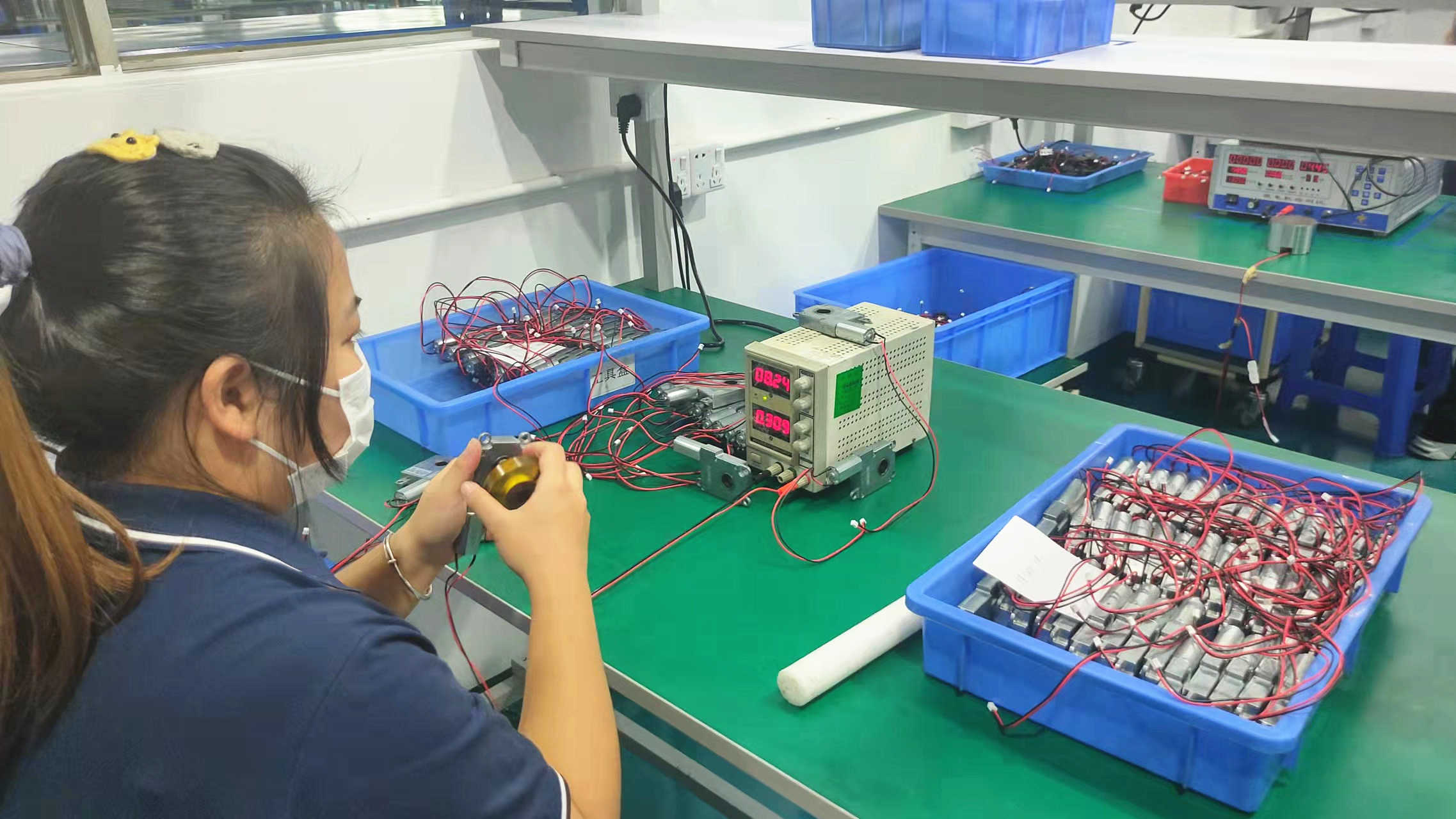
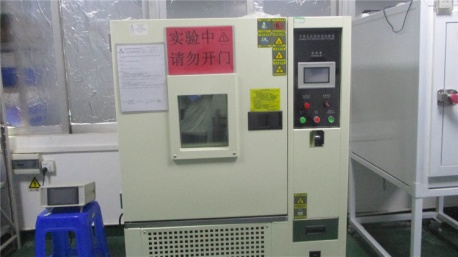
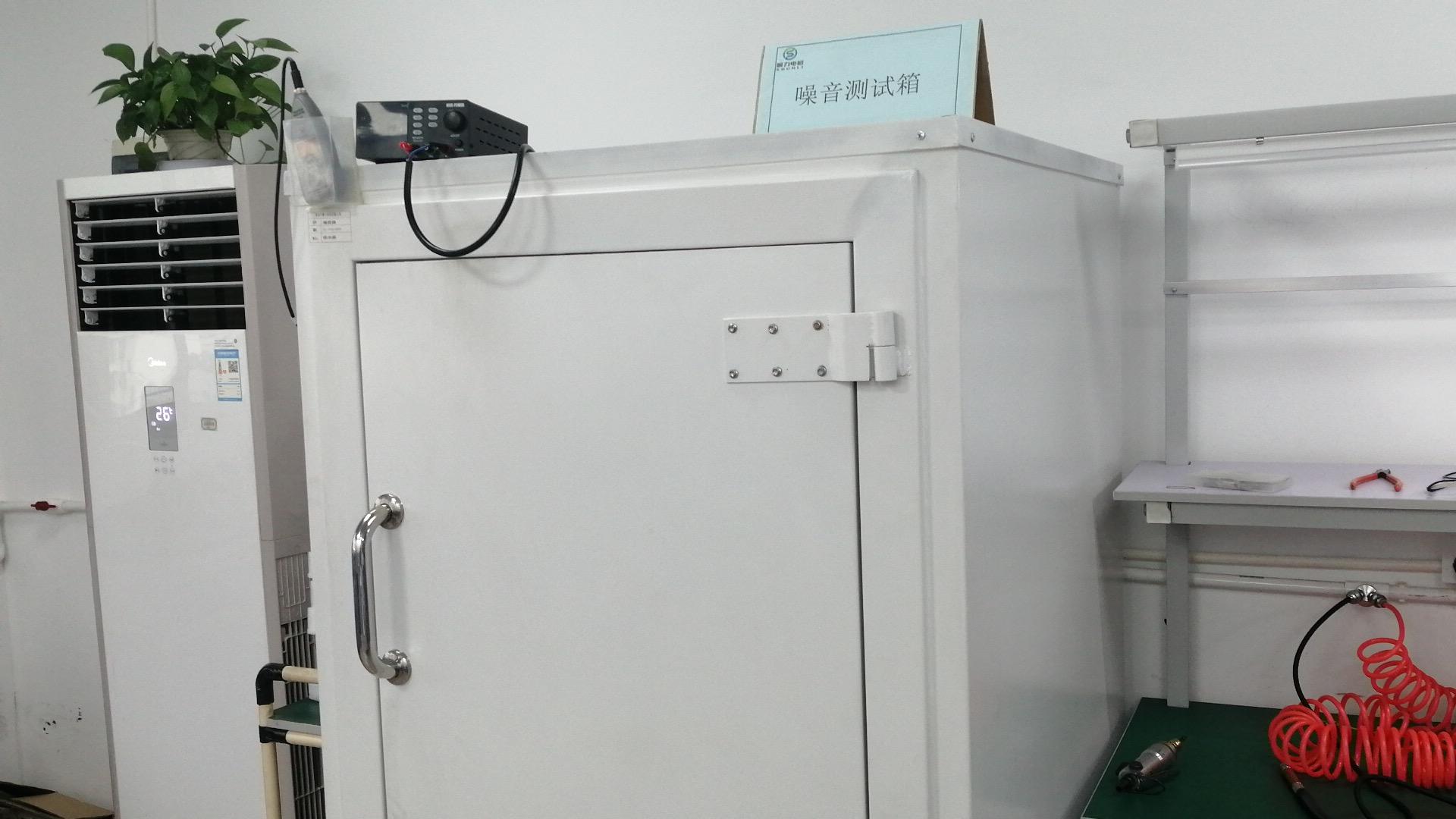
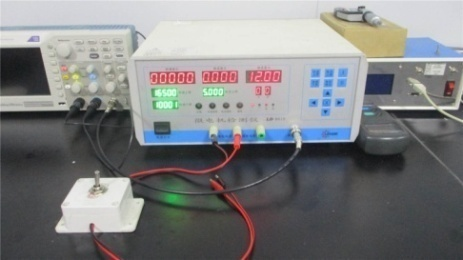
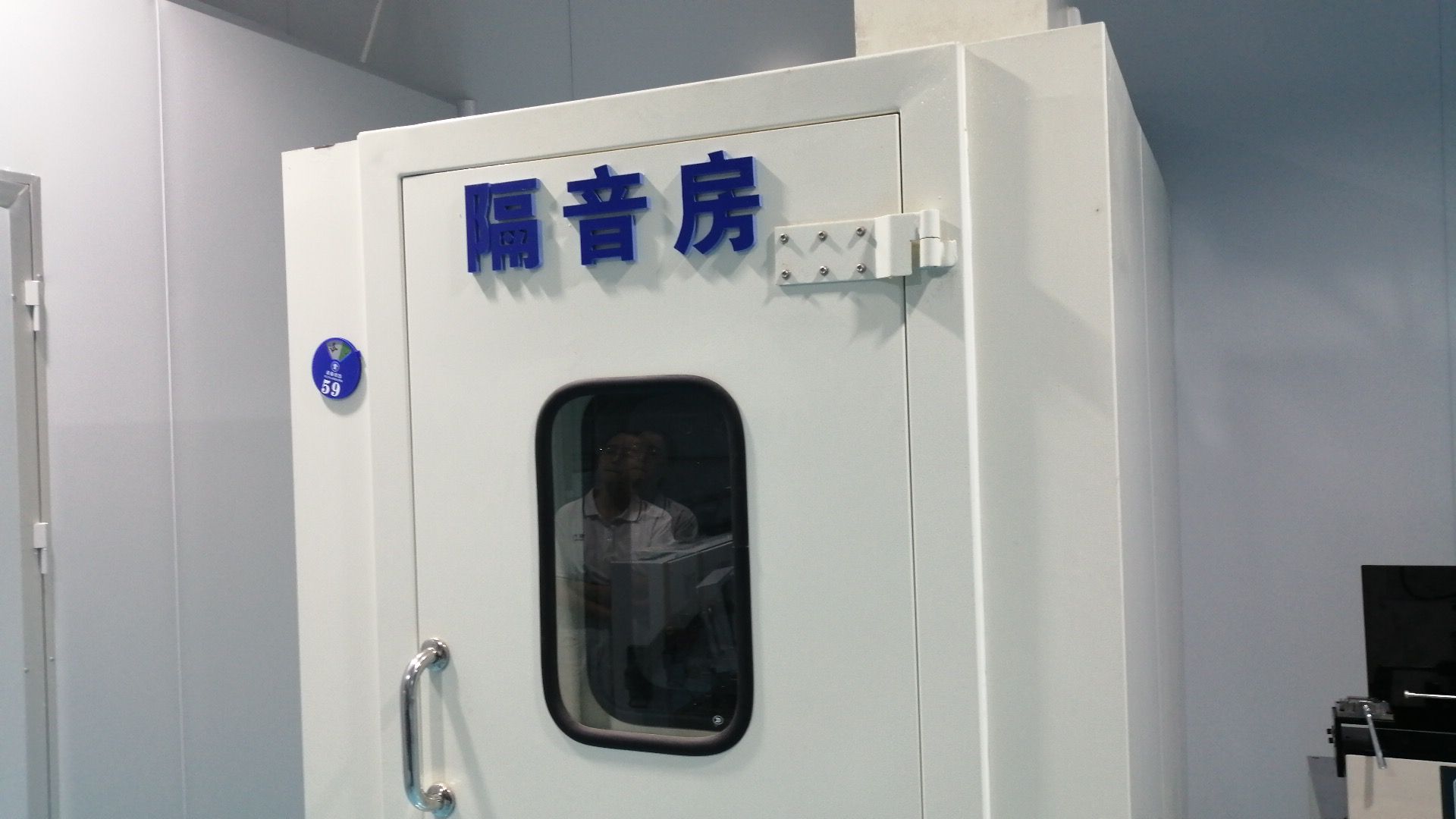
Acoustic Noise Containment: In beauty appliances, medical diagnostic tools, and adult toys, acoustic containment is critical. Using vibration dampers, high-precision balancing of the eccentric mass, and specialized internal lubrication, Goaxis Pro guarantees noise floor ratings below 45 dBA inside custom-built soundproof chambers.
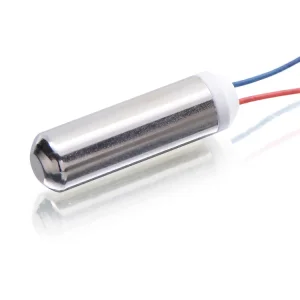
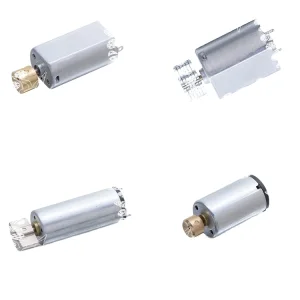
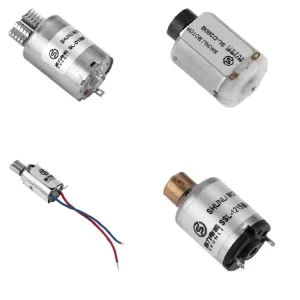
Mounting & Interconnection Form Factors: Standard motor formats range from cylindrical coin/pancake styles to leaded bar-types. Dynamic integration needs require flexible terminations, including PCB solder pins, surface mount pads (SMT reflowable), custom lead wire lengths, and integrated JST/Molex connectors.
4. Localized Compliance, Environmental Regulations, and Quality Safeguards
Navigating cross-border regulations is one of the biggest challenges for global OEMs. Goaxis Pro simplifies import paths by certifying all production processes:
- RoHS & REACH Compliance: Micro motors can contain lead, cadmium, or phthalates if materials are unsourced. Our motors use 100% lead-free soldering and non-toxic insulation polymers, certified by SGS labs.
- CE & FCC Conformity: Electromagnetic interference (EMI) can disrupt nearby RF receivers. Our designs implement varistors and capacitor suppressors inside the rear brush cap to guarantee EMC conformity.
- Biocompatibility (FDA-Grade Material Sourcing): For intimate wellness devices, cosmetic massage heads, and wearable health monitors, housing materials must be non-reactive. We offer medical-grade stainless steel shafts and food-grade silicone-coated housings upon request.