In recent years, the demand for Servo Stepper Motors has surged. According to a report by MarketsandMarkets, the servo motor market is projected to reach $16.35 billion by 2026. This growth underscores the increasing reliance on advanced motion control solutions. Industry expert Dr. John Miller states, “The Servo Stepper Motor blends precision with efficiency, making it ideal for modern automation.”
Many global buyers appreciate the unique advantages offered by Servo Stepper Motors. Their ability to provide high torque at low speeds attracts industries like robotics and CNC machining. However, some challenges remain. For instance, the cost of implementation can be high, and the learning curve for new users can slow adoption.
The technology behind Servo Stepper Motors is sophisticated. It combines the best features of both servo and stepper systems. This allows for improved positioning accuracy and control. Yet, understanding the intricacies is crucial for proper application. As the market evolves, it’s vital for buyers to weigh these benefits against potential drawbacks carefully.
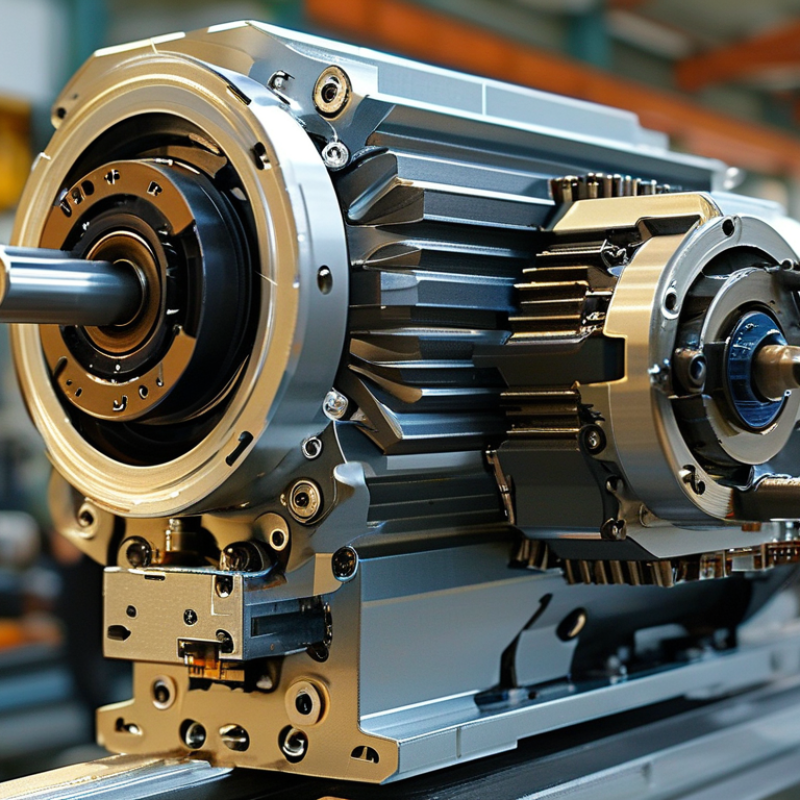
Key Advantages of Servo Motors in Precision Applications
Servo motors stand out in precision applications due to their remarkable accuracy and control. Their closed-loop system allows them to adjust based on feedback, ensuring high precision. This characteristic is crucial for tasks like CNC machining, where minute errors can lead to significant flaws. The adaptability of servo motors in different environments adds to their appeal, ensuring optimized performance under various conditions.
Another key advantage lies in their speed and responsiveness. Servo motors can achieve rapid acceleration and high torque, making them ideal for dynamic applications. For instance, they excel in robotic arms used in assembly lines, where swift and precise movements are essential. However, integration can pose challenges. Users must ensure compatibility with existing systems, which requires thoughtful planning.
Energy efficiency is another benefit of servo motors. They consume less power compared to traditional alternatives, particularly during idle phases. This efficiency translates into reduced operational costs over time. Still, understanding the full scope of energy savings requires careful analysis. Not all applications may realize these benefits without proper setup and management. Overall, the versatility of servo motors offers compelling reasons for global buyers.
Efficiency and Performance: Why Stepper Motors are Popular Worldwide
Stepper motors have gained immense popularity globally due to their efficiency and performance. A recent industry report indicates that the global stepper motor market is projected to reach $4 billion by 2025, reflecting a compound annual growth rate (CAGR) of 6.5%. This growth is driven by their precise movement and reliable operation in various applications, from 3D printers to automated manufacturing.
One key advantage of stepper motors is their high torque at low speeds, which makes them ideal for applications requiring accurate positioning. Studies show that these motors can maintain full torque even at standstill, enhancing efficiency in timing-critical tasks. However, stepper motors can generate heat during prolonged use, which might necessitate additional cooling measures and design considerations.
Moreover, stepper motors are easily controlled through open-loop systems, reducing the need for complex feedback mechanisms. This simplicity translates to cost savings for manufacturers. Yet, the trade-off is that they may not perform optimally in high-speed applications. Buyers must weigh these benefits against their specific needs, as stepper motors may not suit every project. Understanding these nuances ensures that buyers make informed decisions in their purchasing processes.
Cost-Effectiveness: Balancing Quality and Budget for Global Buyers
When it comes to servo and stepper motors, cost-effectiveness is crucial for global buyers. Many manufacturers often grapple with the balance between quality and budget. It’s essential to recognize that lower-priced options can sometimes lead to long-term costs. Buyers may save in the short term, but potential breakdowns could incur significant expenses.
Quality components generally enhance performance. Yet, high quality doesn't always mean high prices. Understanding the specifications is vital. Investing in reliable motors can lead to smoother operations and less maintenance. It’s also wise to consider the initial costs versus long-term benefits. Sometimes, spending a bit more upfront is worth it.
Moreover, suppliers can offer various options. However, discerning the right fit can be challenging. Researching different technologies and their applications may help avoid pitfalls. Ensuring the chosen motor meets specific needs is important. This requires both technical knowledge and practical experience, which can be hard to find. Balancing cost and quality while selecting servo and stepper motors remains a reflection point for many buyers.
Versatility of Servo and Stepper Motors in Diverse Industries
Servo and stepper motors play crucial roles across various industries, showcasing versatility and adaptability. Their ability to handle precise movement and control makes them invaluable in automation, robotics, and manufacturing. In production lines, they enhance efficiency by ensuring accurate positioning. This precision reduces waste and lowers operational costs, making them preferred choices for global buyers.
Tips for buyers: Assess your specific application needs. Each motor type offers unique advantages. For instance, stepper motors are excellent for open-loop control, while servo motors excel in closed-loop systems. Understanding these differences helps in making informed decisions.
Manufacturers continuously innovate, yet challenges remain. Servo systems can be complex and costly to implement. Stepper motors may struggle with high-speed applications. Consider the environment where these motors will operate. Not all motors perform well under extreme conditions. Choose wisely, and remember, even minor adjustments can optimize performance.
Technological Advancements: Enhancing the Future of Motor Solutions
Technological advancements have transformed servo and stepper motors, pushing the boundaries of efficiency and precision in various applications. According to a recent industry report, the global servo motor market is expected to grow to $12.2 billion by 2026, a clear indicator of increasing demand. This growth reflects a wider trend towards automation in manufacturing processes, where these motors play a crucial role. They provide better torque at high speeds, allowing for smoother operations and enhanced product quality.
In addition, the integration of smart technologies into motor systems has revolutionized control capabilities. Sensors and feedback mechanisms improve responsiveness, leading to up to 30% energy savings in some applications. However, this rapid advancement comes with challenges. Manufacturers must invest in ongoing training and infrastructure updates, which may pose a barrier for smaller companies. Moreover, adapting to new technologies requires a cultural shift within organizations, necessitating a reevaluation of current practices and workflows.
Motor solutions must also prioritize reliability and longevity. Studies show that failing to invest in quality components can lead to significant downtime costs, impacting productivity. Buyers are often tempted by cheaper alternatives, yet these may result in higher long-term expenses. The future demands that companies weigh initial investments against potential returns, ensuring that their choices align with sustainable growth strategies.
FAQS
: Stepper motors are popular due to their efficiency and reliable performance in various applications, like 3D printing and automation.
They provide high torque at low speeds, ideal for tasks needing accurate positioning.
Yes, they can generate heat during prolonged use, which may require additional cooling solutions.
They can be easily controlled through open-loop systems, simplifying design and reducing costs.
No, they may not perform well at high speeds, so consider specific application needs before deciding.
Buyers should assess specific application needs to determine if stepper or servo motors are the better fit.
Servo motors excel in closed-loop systems, providing better performance for certain applications.
Yes, not all motors perform well under extreme conditions; choose based on the operating environment.
Even small tweaks to motor settings can lead to significant performance optimization in various tasks.
Implementing servo systems can be complex and costly, which buyers need to consider.
Conclusion
The article "Top 5 Servo Stepper Motor Benefits for Global Buyers" highlights the significant advantages of Servo Stepper Motors in various applications. Firstly, it emphasizes the precision and accuracy of servo motors, making them ideal for tasks that require high levels of control. On the other hand, stepper motors are favored for their efficiency and performance, appealing to global buyers looking for reliable solutions at competitive prices.
Additionally, the article discusses the cost-effectiveness of these motors, drawing attention to how they can provide a balanced solution for quality and budget considerations. Furthermore, the versatility of Servo Stepper Motors across diverse industries showcases their adaptability to different operational demands. Finally, it touches upon the technological advancements that continue to enhance the capabilities of motor solutions, ensuring a promising future for Servo Stepper Motors in the global market.

 Goaxis Pro