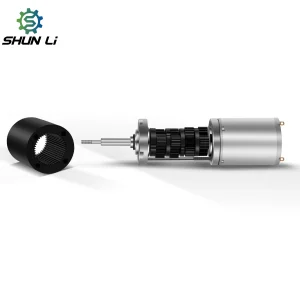
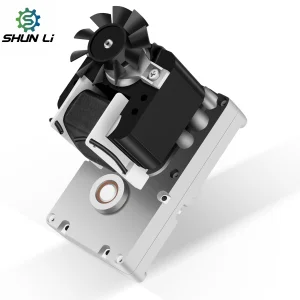
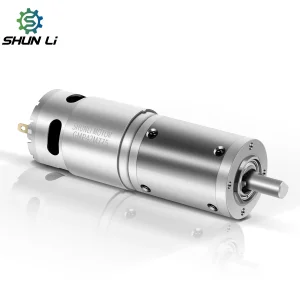
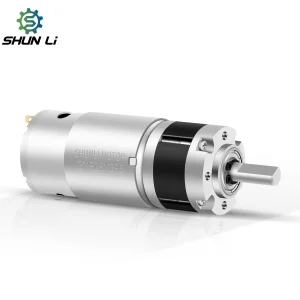
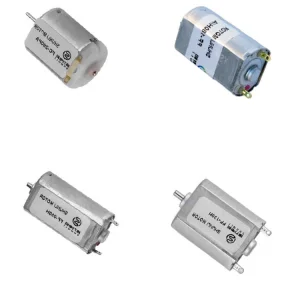
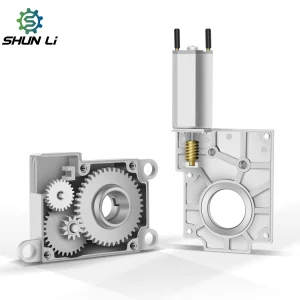
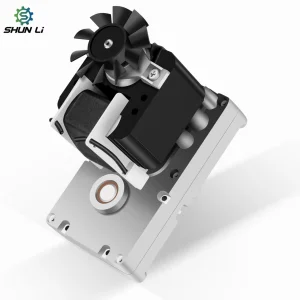
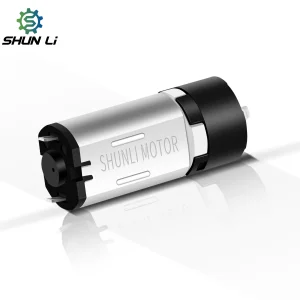
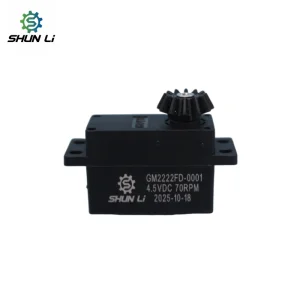
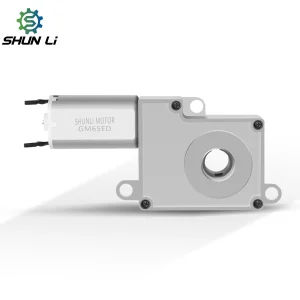
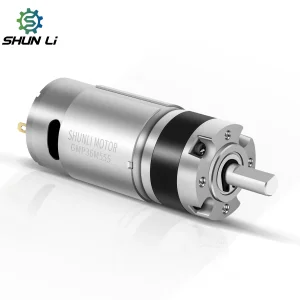
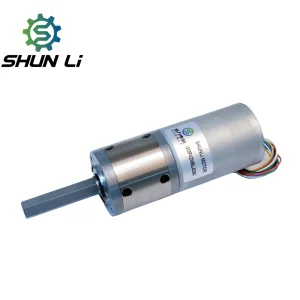
Direct from our precision manufacturing lines - Engineered for low-noise, high-torque configurations.
An authoritative analysis of high-torque, space-constrained electromechanical drives.
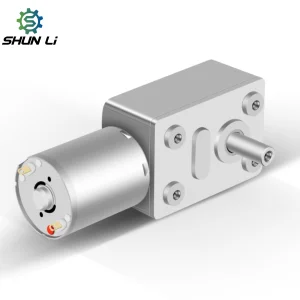
In the current landscape of global industrial automation, the worm gear motor remains a foundational element for engineering design. Valued for its unique mechanical layout, the worm drive enables right-angle orientation, substantial gear reductions within a single stage, and inherent mechanical self-locking properties. Sourcing departments and system integrators across Europe, North America, and Asia increasingly rely on these components to deliver robust torque density where linear space is highly restricted.
According to recent industrial market research, the global market for worm gear motors is expected to maintain a steady compound annual growth rate (CAGR) of 4.8% through 2030. Key growth sectors include the expansion of automated warehouses (specifically AGVs and shuttle storage systems), smart agricultural machinery, and modern residential automation systems (such as motorized pellet stoves and automated entry systems).
How leading factories are adapting to next-generation energy efficiency and material requirements.
Historically, worm gears suffered from lower mechanical efficiency due to sliding friction. Leading factories are now utilizing advanced phosphorus bronze alloys (ZCuSn10P1) and specialized synthetic lubricants to reduce the friction coefficient by up to 25%.
Replacing traditional brushed DC systems with Brushless DC (BLDC) motors drastically extends operational lifespan. This change eliminates brush wear, reduces electromagnetic interference, and allows for precise speed control in smart home applications.
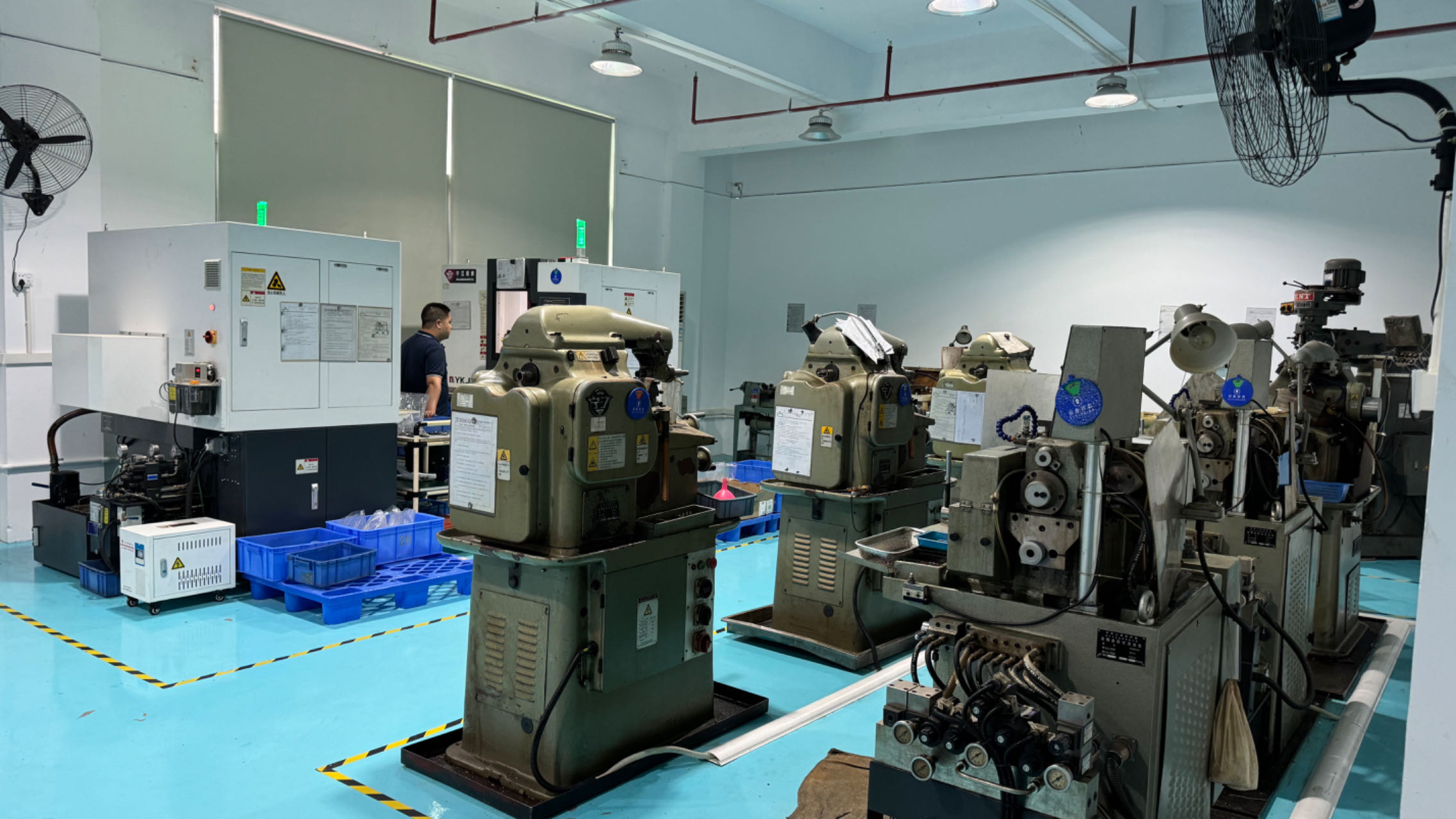
To reduce acoustic noise and vibration (crucial for medical equipment and smart locks), modern factories employ CNC worm-grinding machines. This maintains tooth profiles within DIN 6 tolerances, minimizing backlash and mechanical wear.
Direct-from-source precision manufacturing designed for zero-defect reliability.
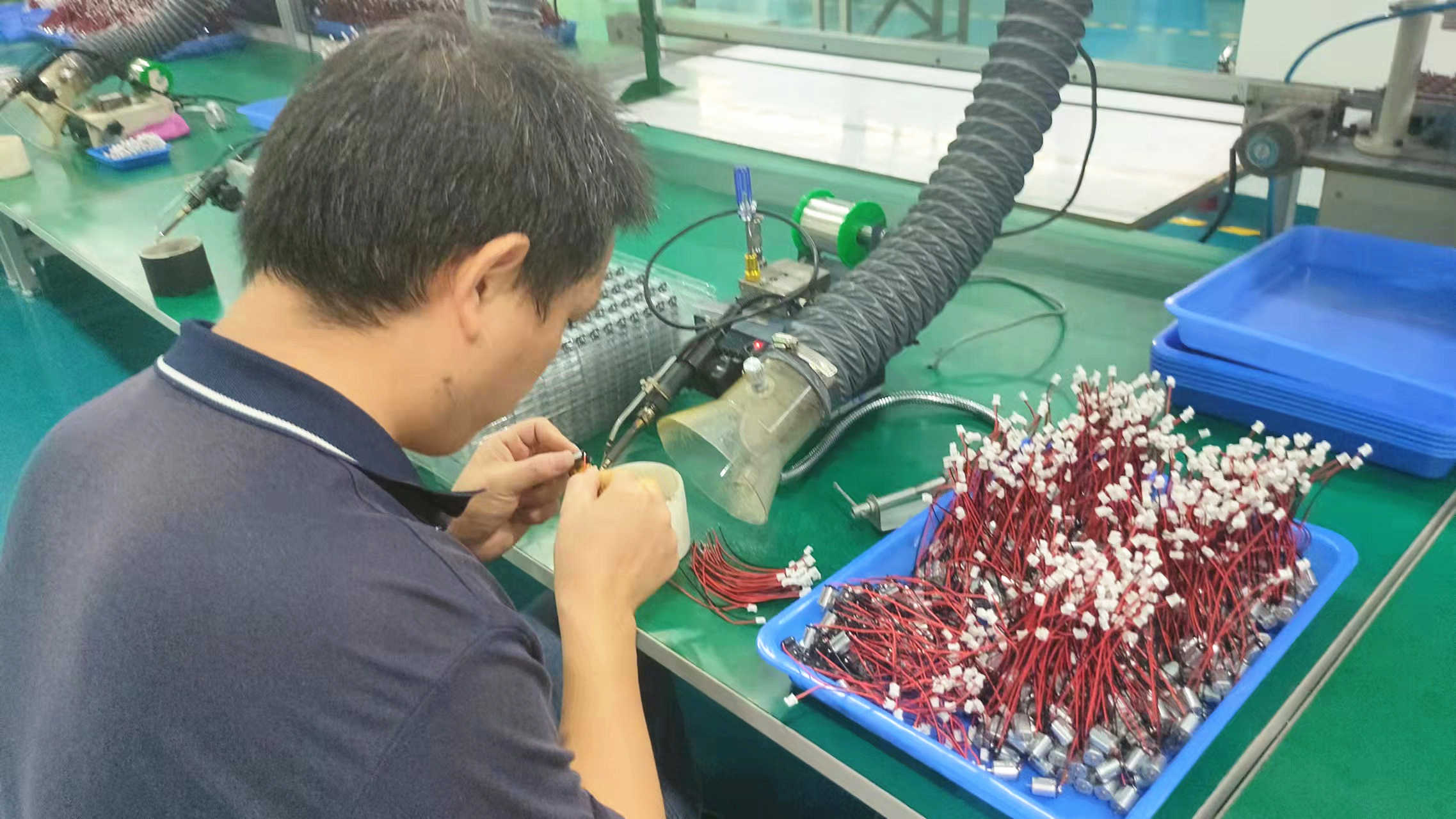
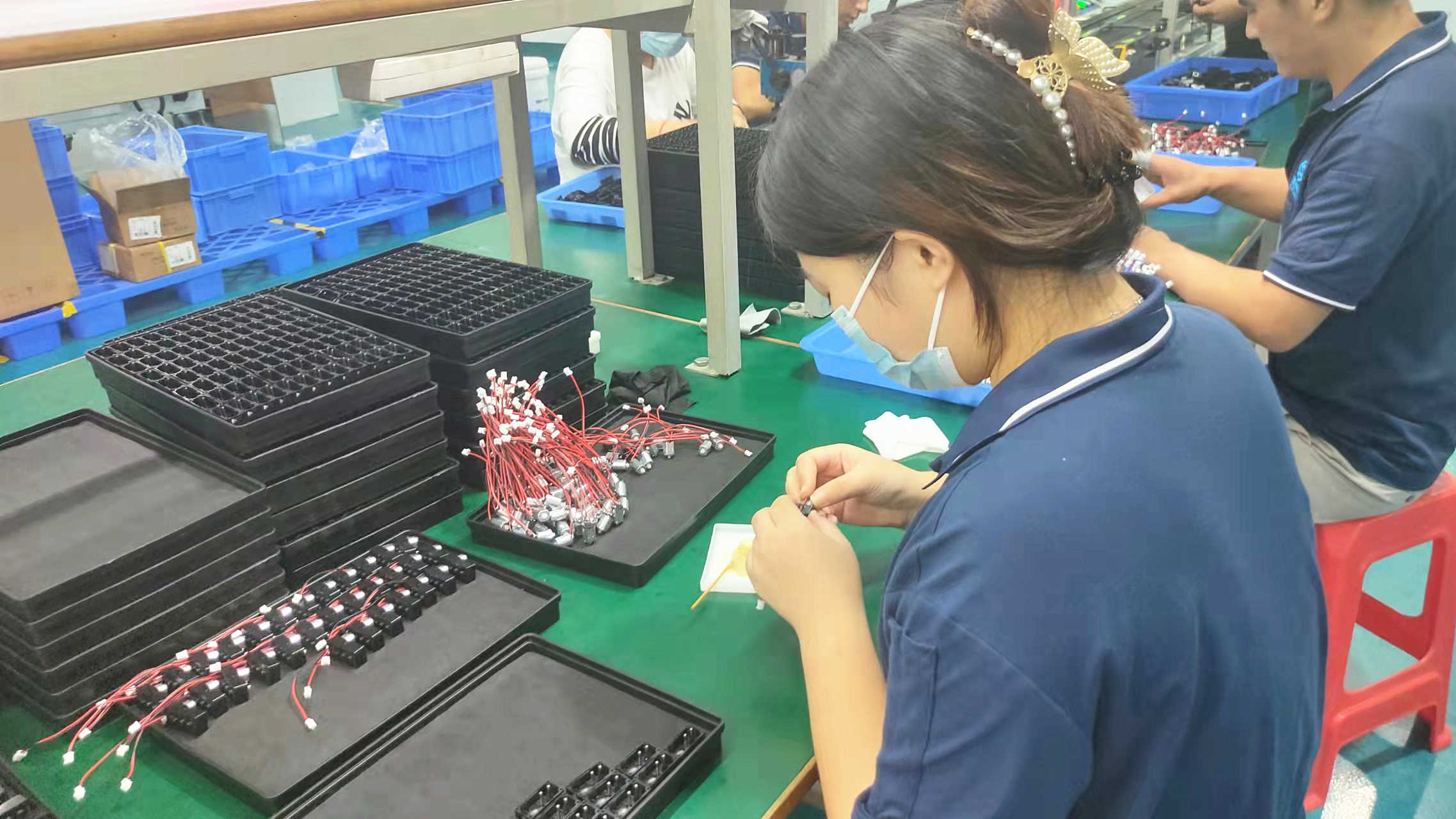
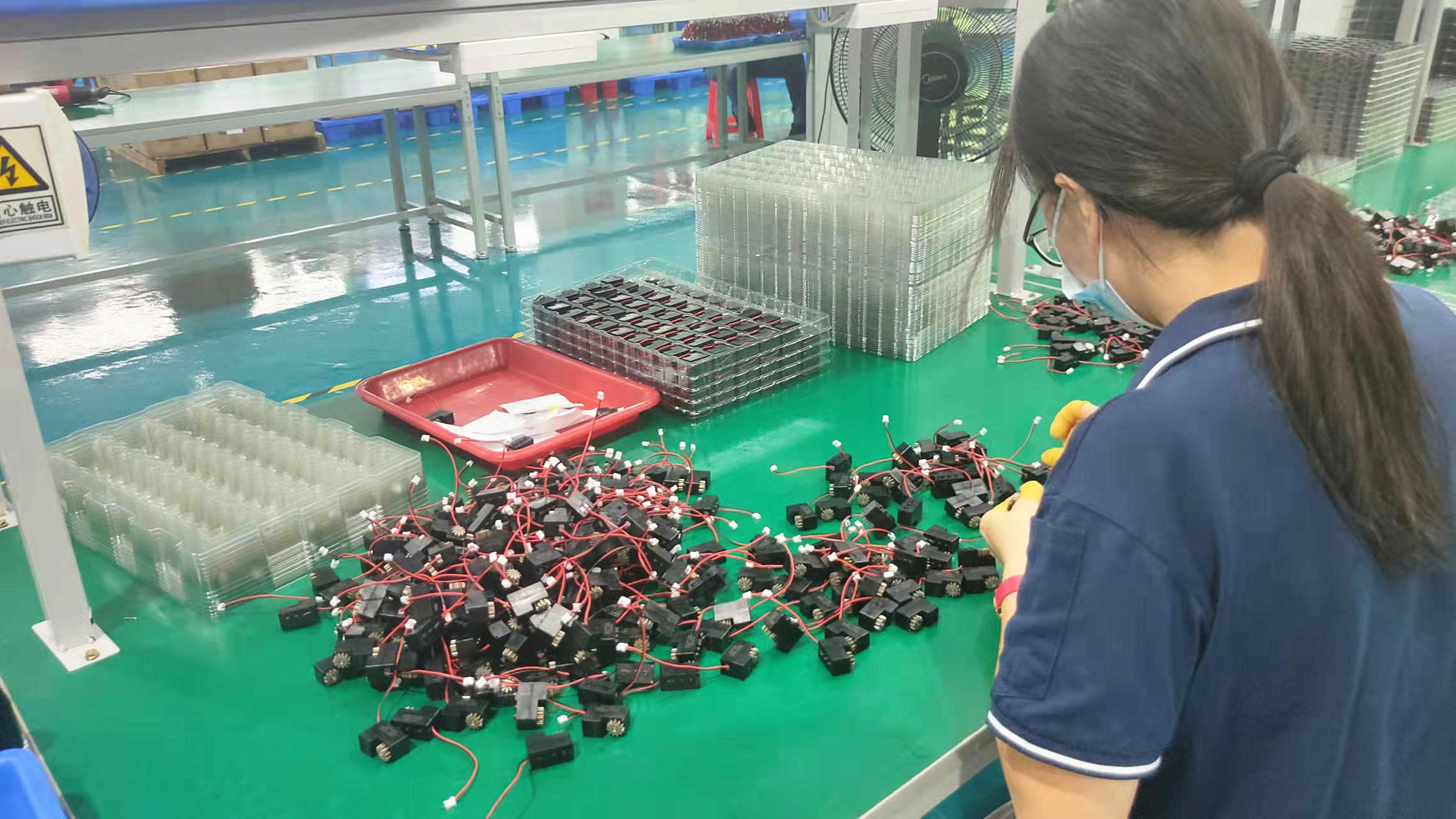
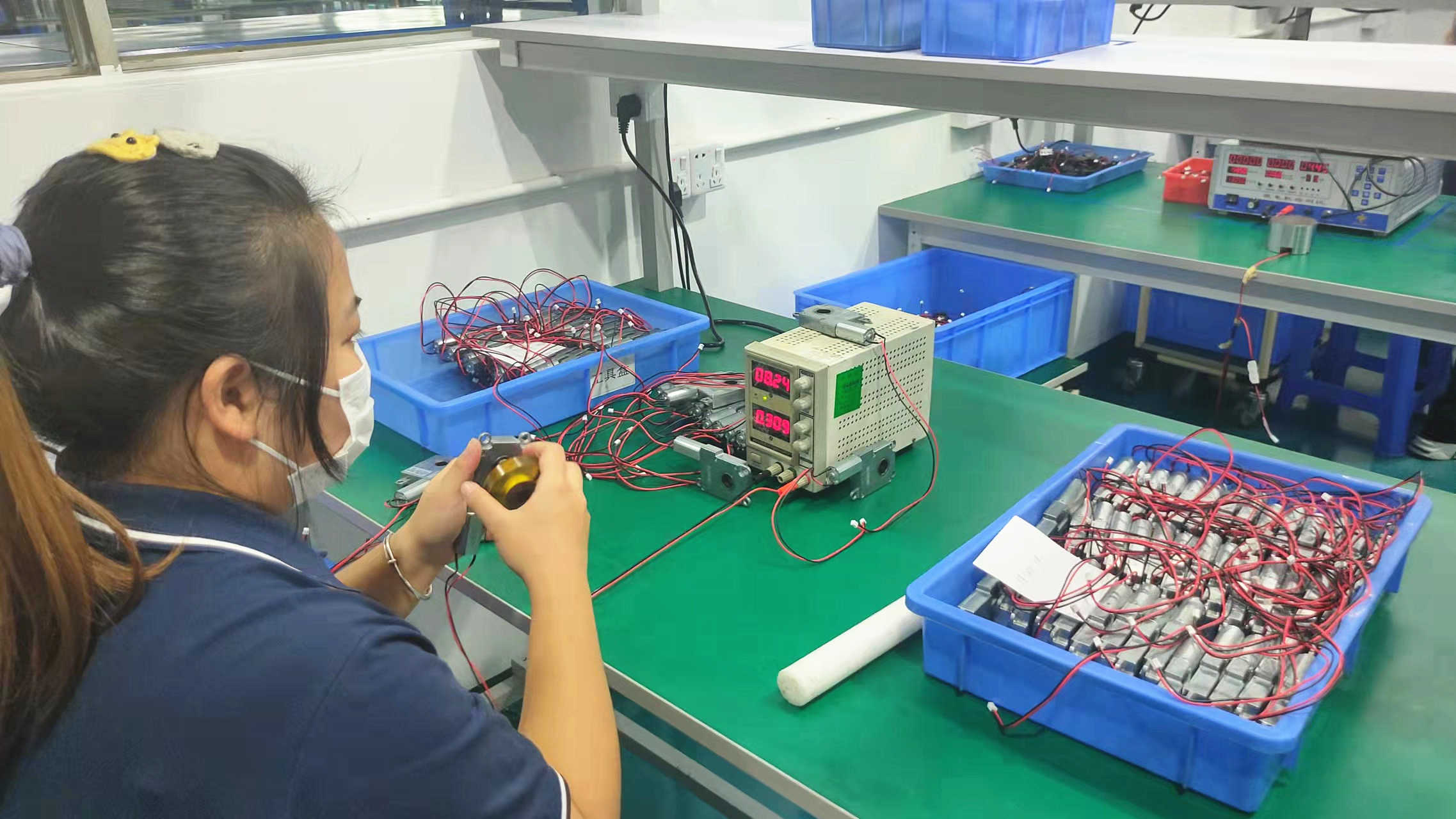
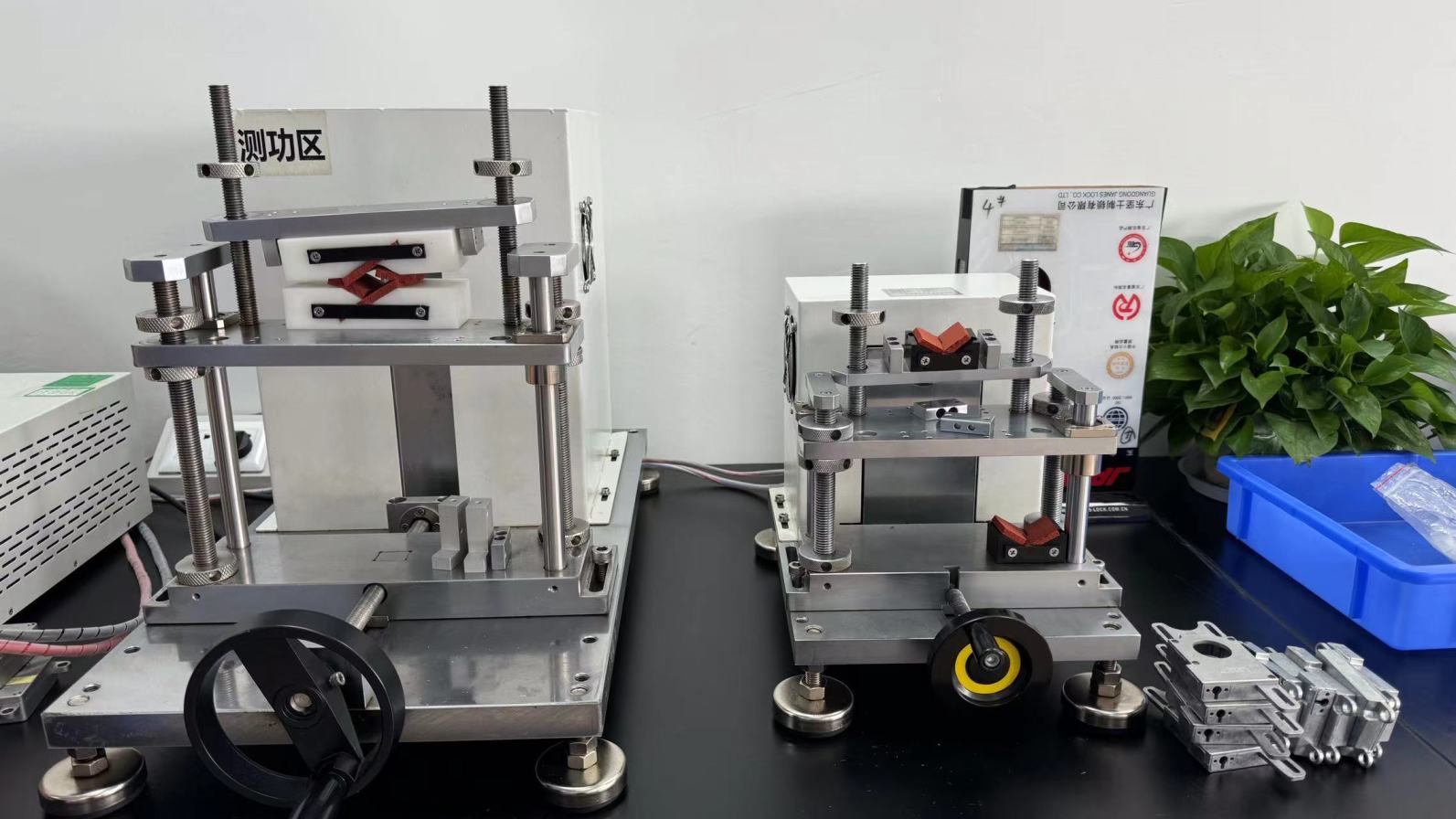
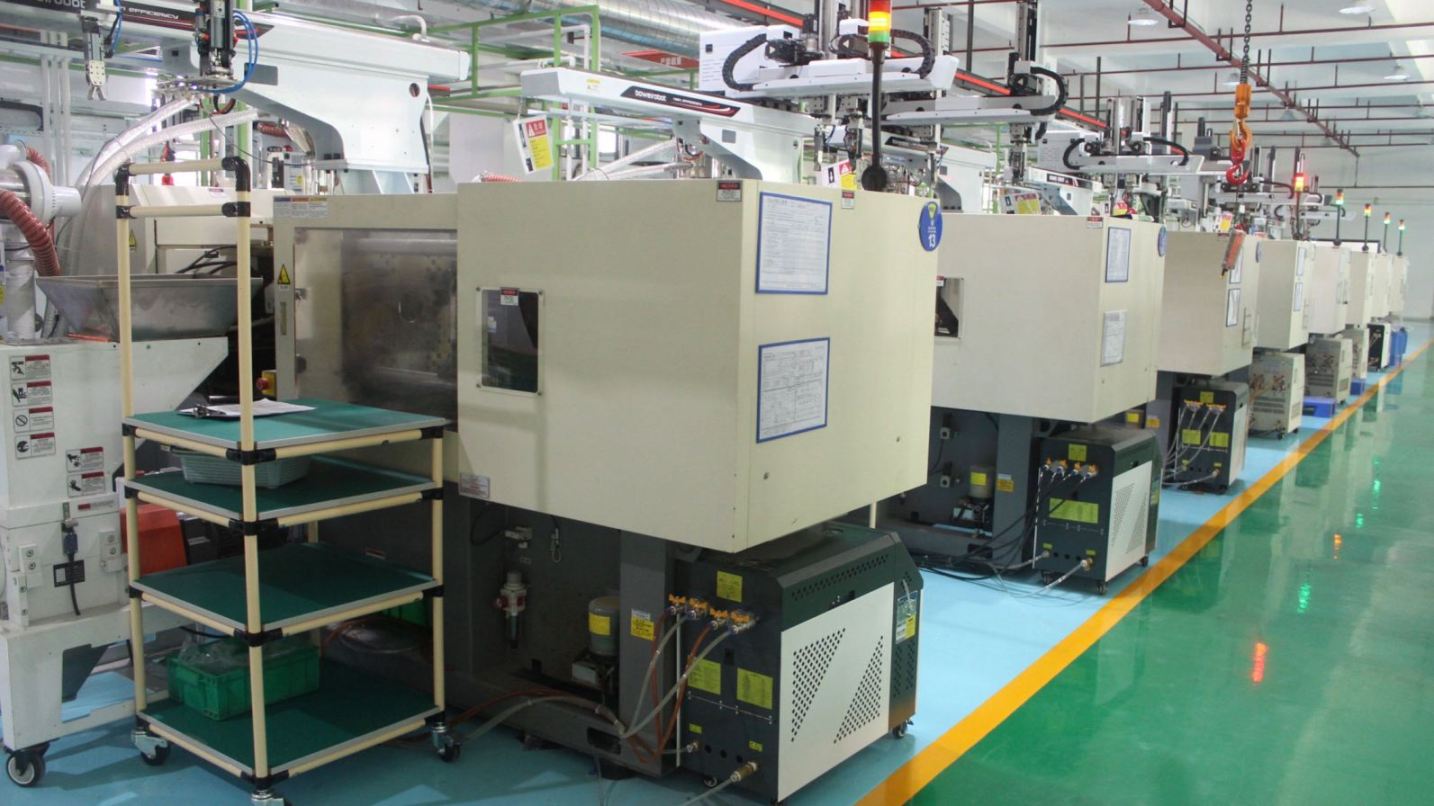
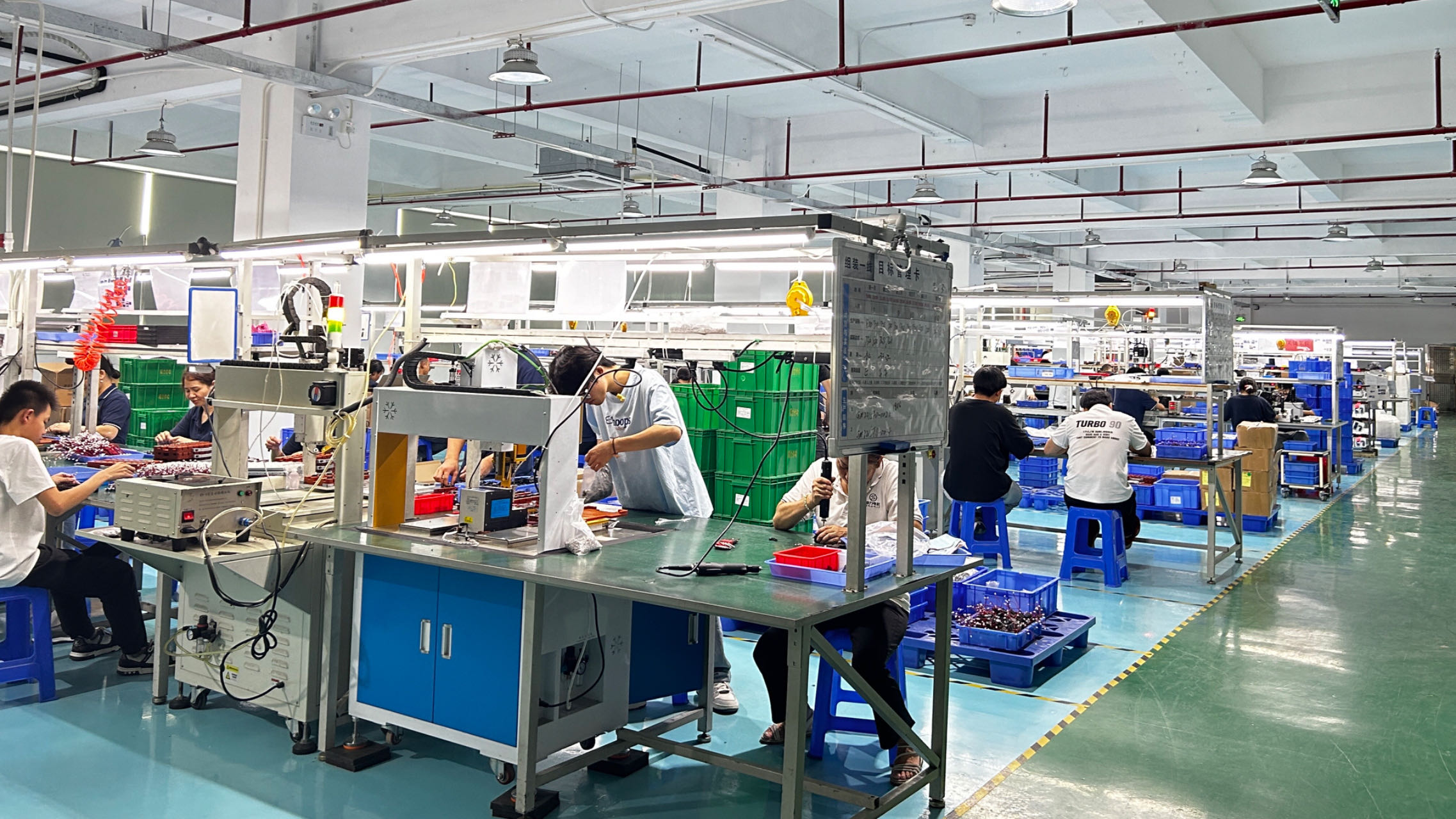
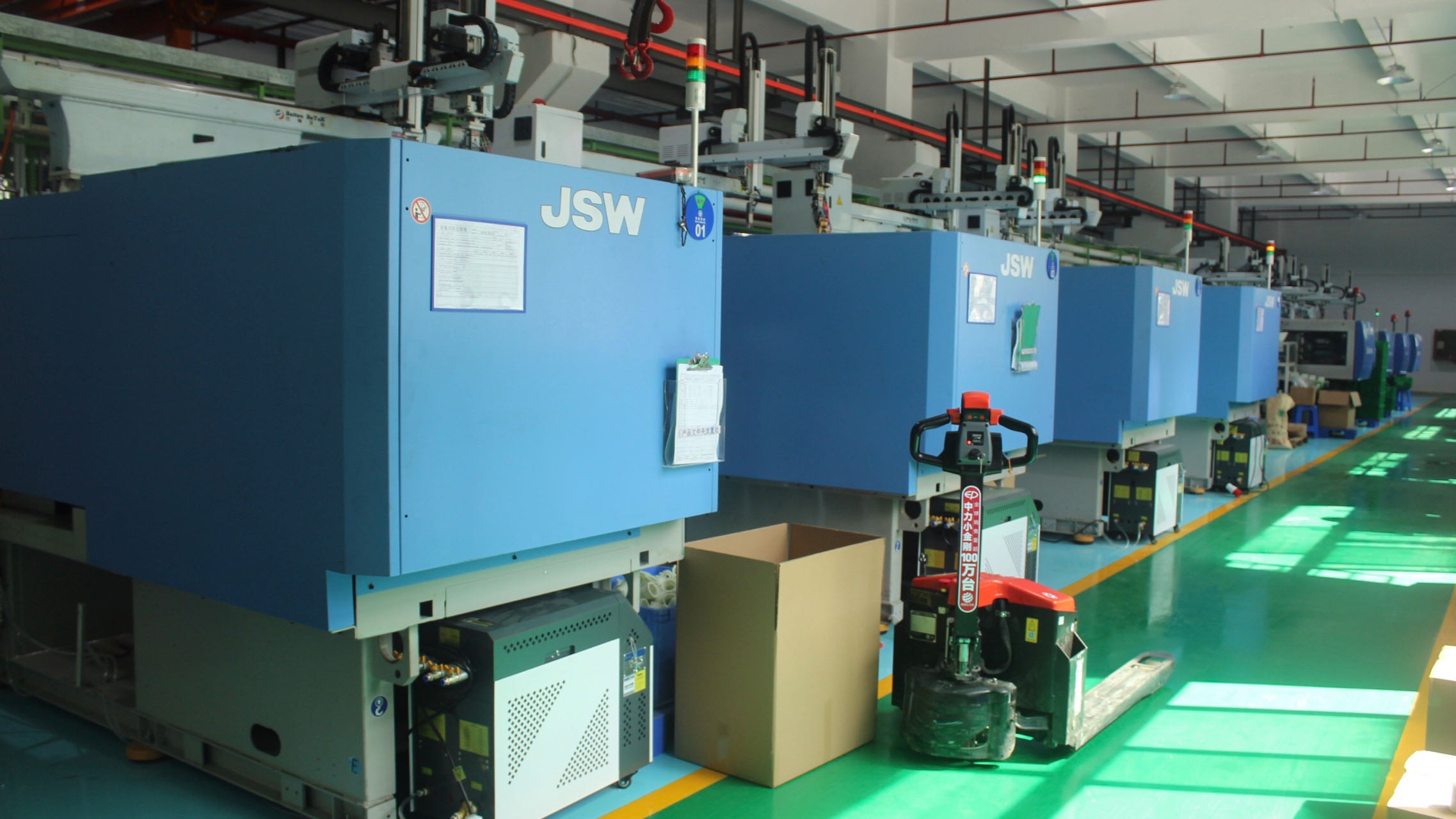
Are you looking to avoid high trading company markups, communication gaps, and inconsistent batch quality in your motion control supply chain? Goaxis Pro is a transparent, direct-from-source manufacturer in China. We engineer and manufacture world-class precision micro drives directly on our production floors, delivering them to global assembly lines under strict, repeatable quality control standards.
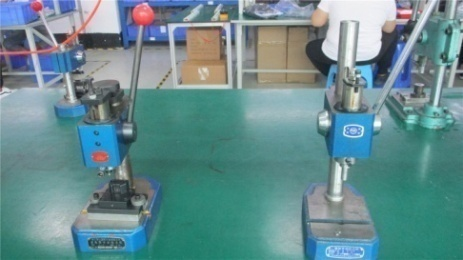
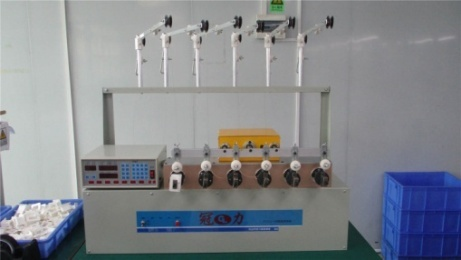
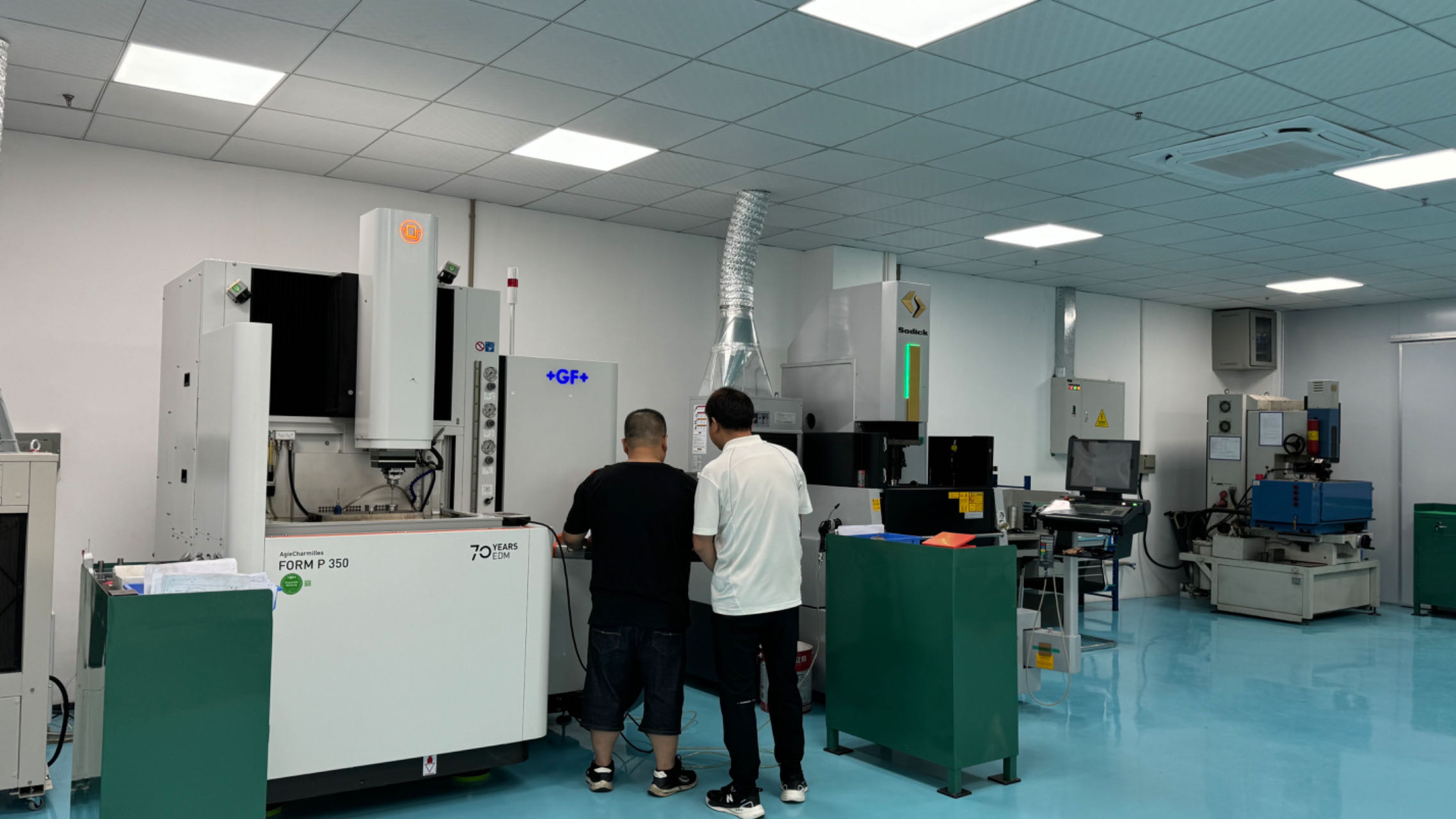
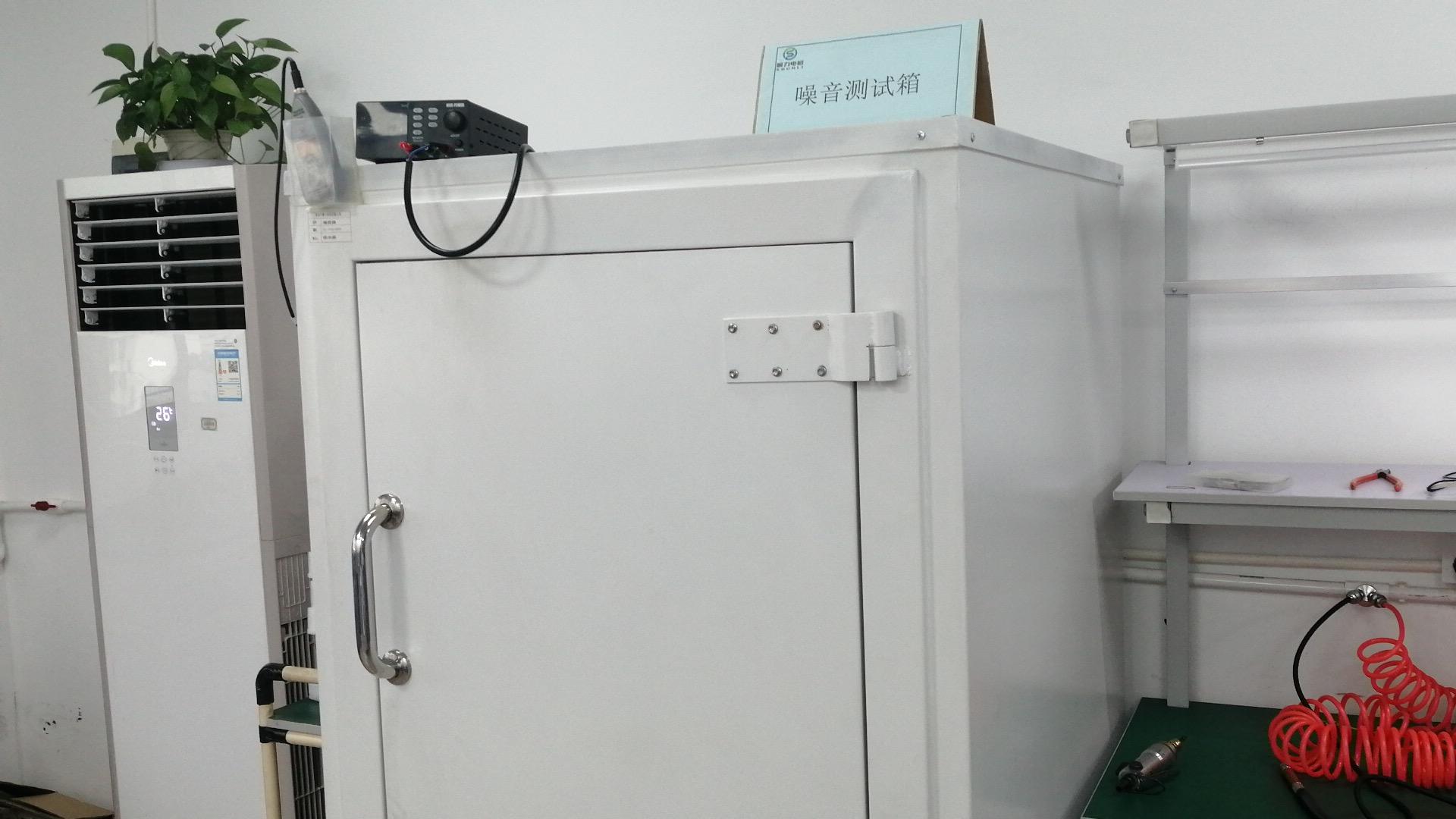
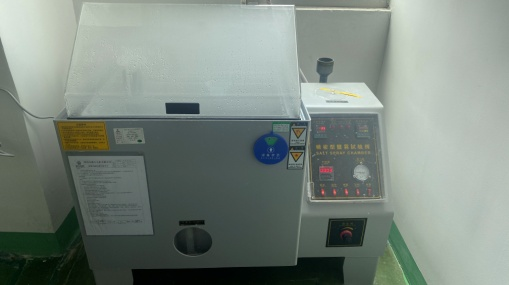
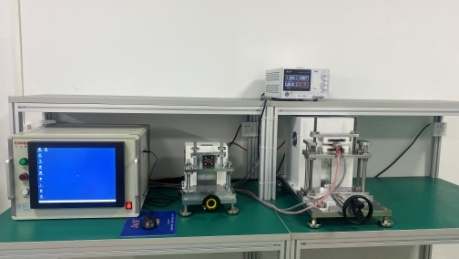
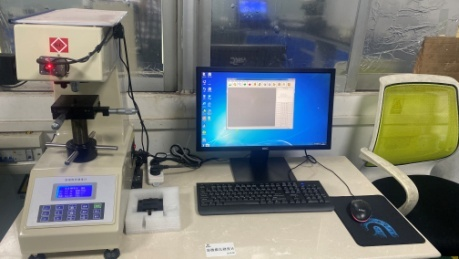
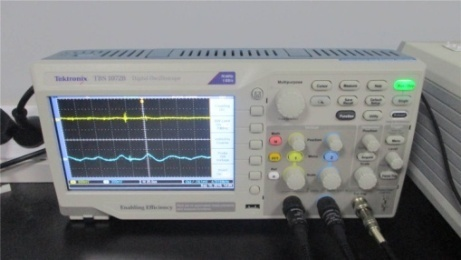
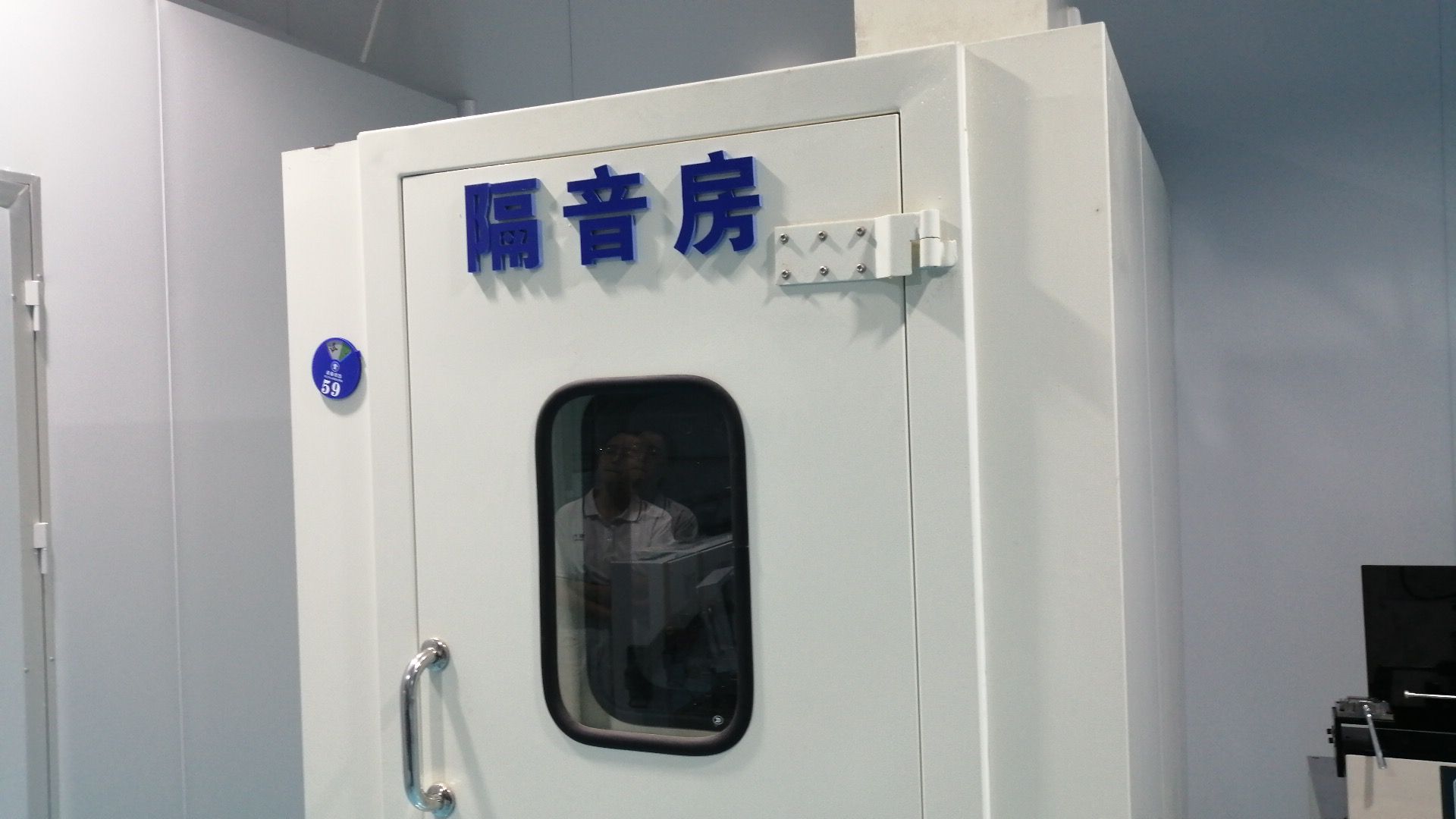
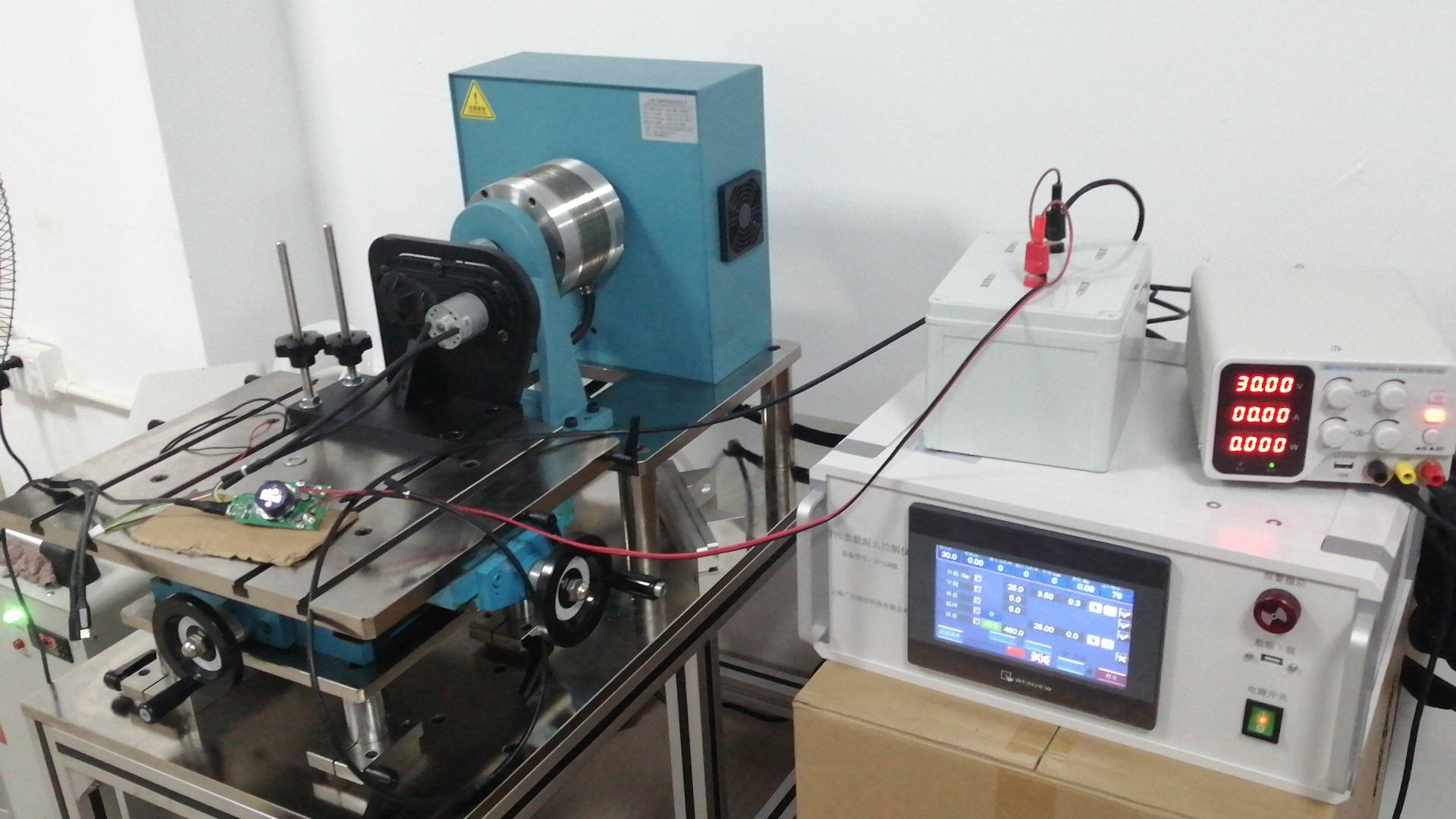
Our dynamic engineering team customizes shaft profiles, housing options, gear ratios, and electrical characteristics to fit specific application requirements. By maintaining in-house control over the entire production cycle—from raw material inspection to automated dynamic balancing and acoustic tests—we help ensure that each delivery performs reliably in the field.
Demonstrating our investment in high-precision production machinery and systematic manufacturing processes.

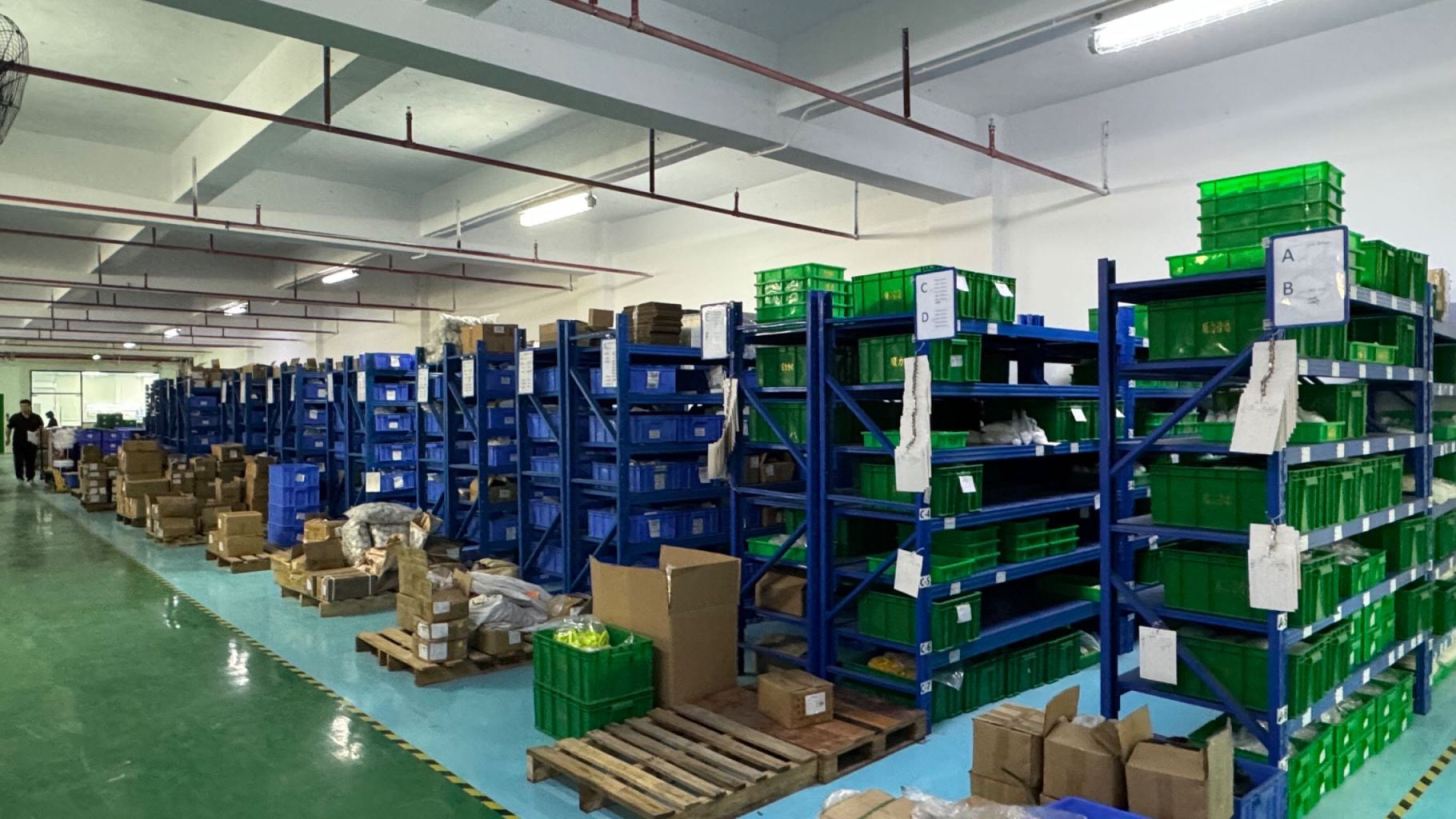
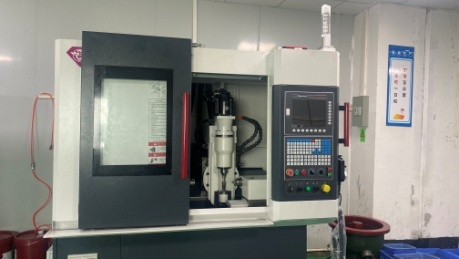
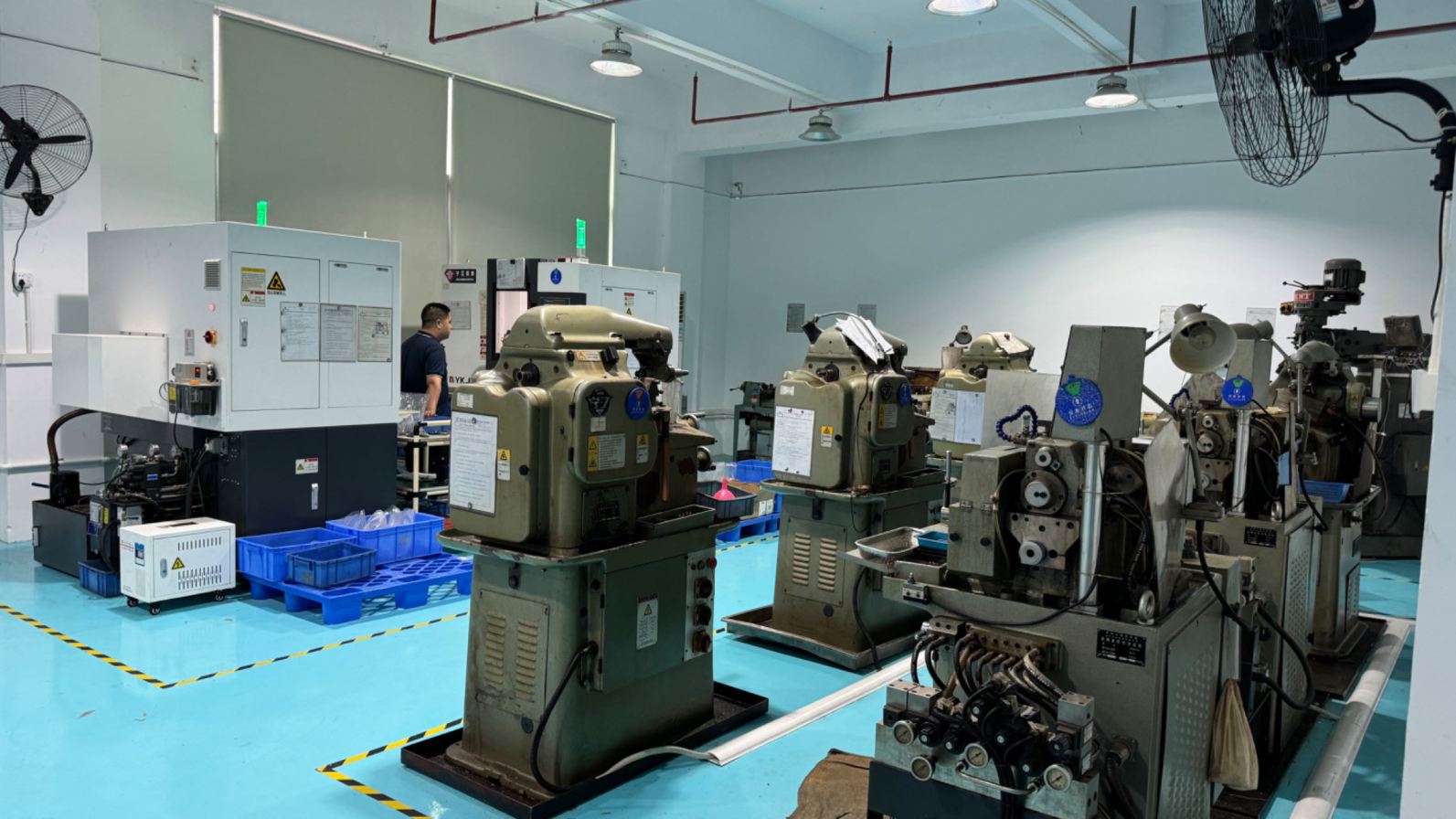
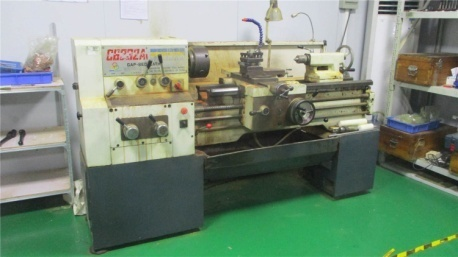
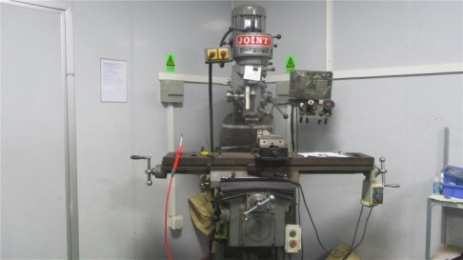
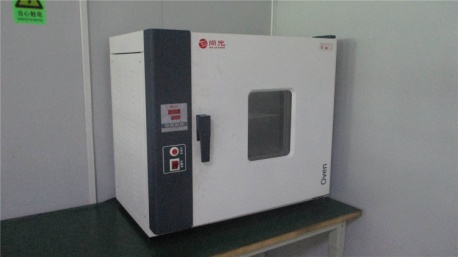
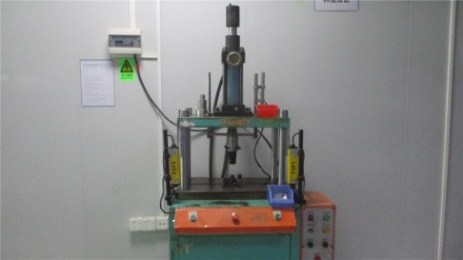
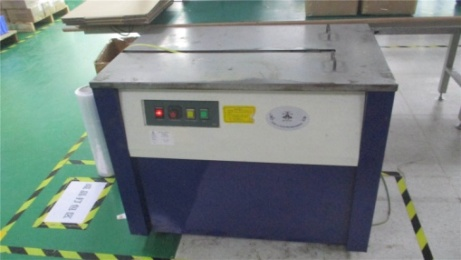
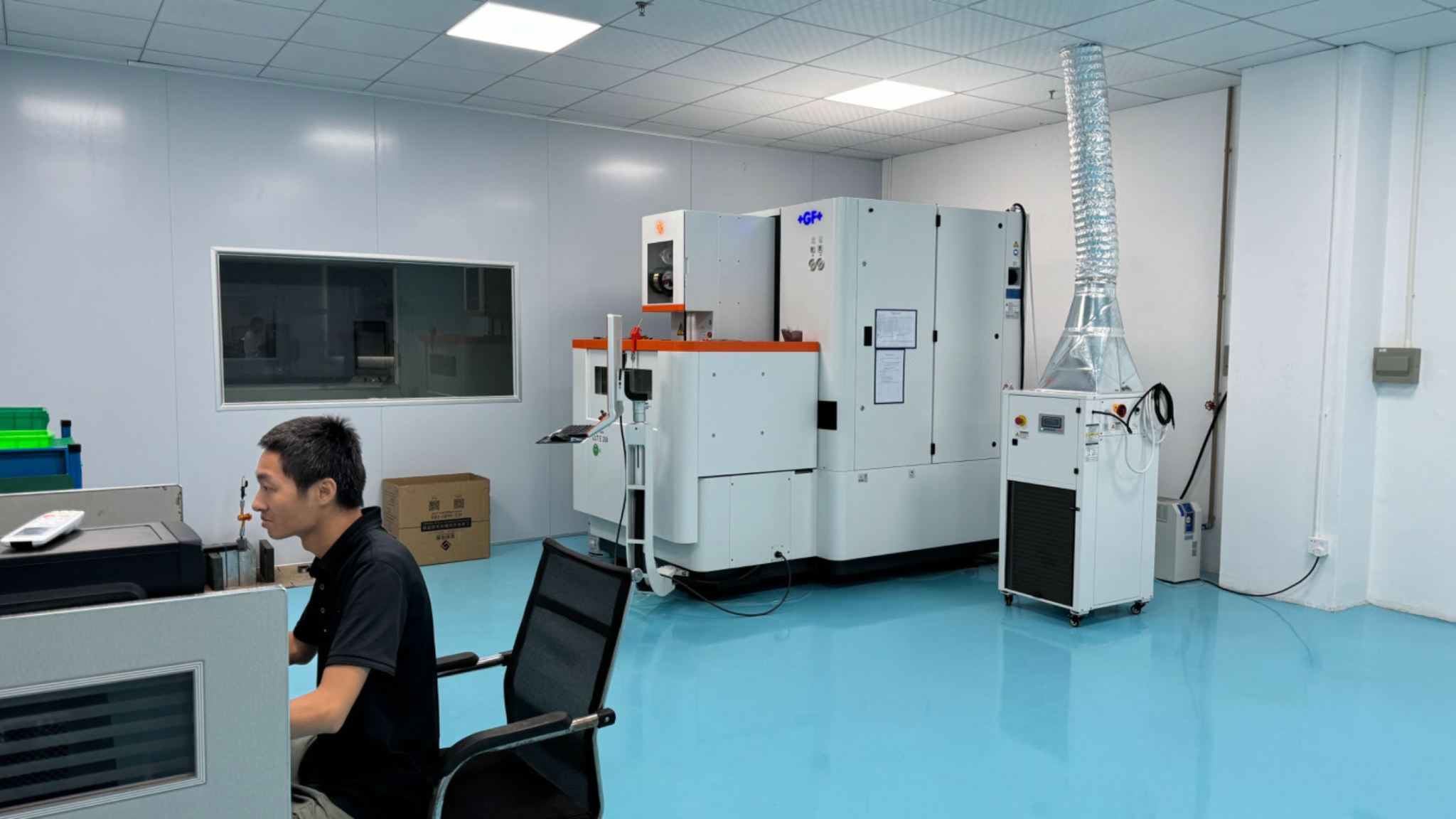
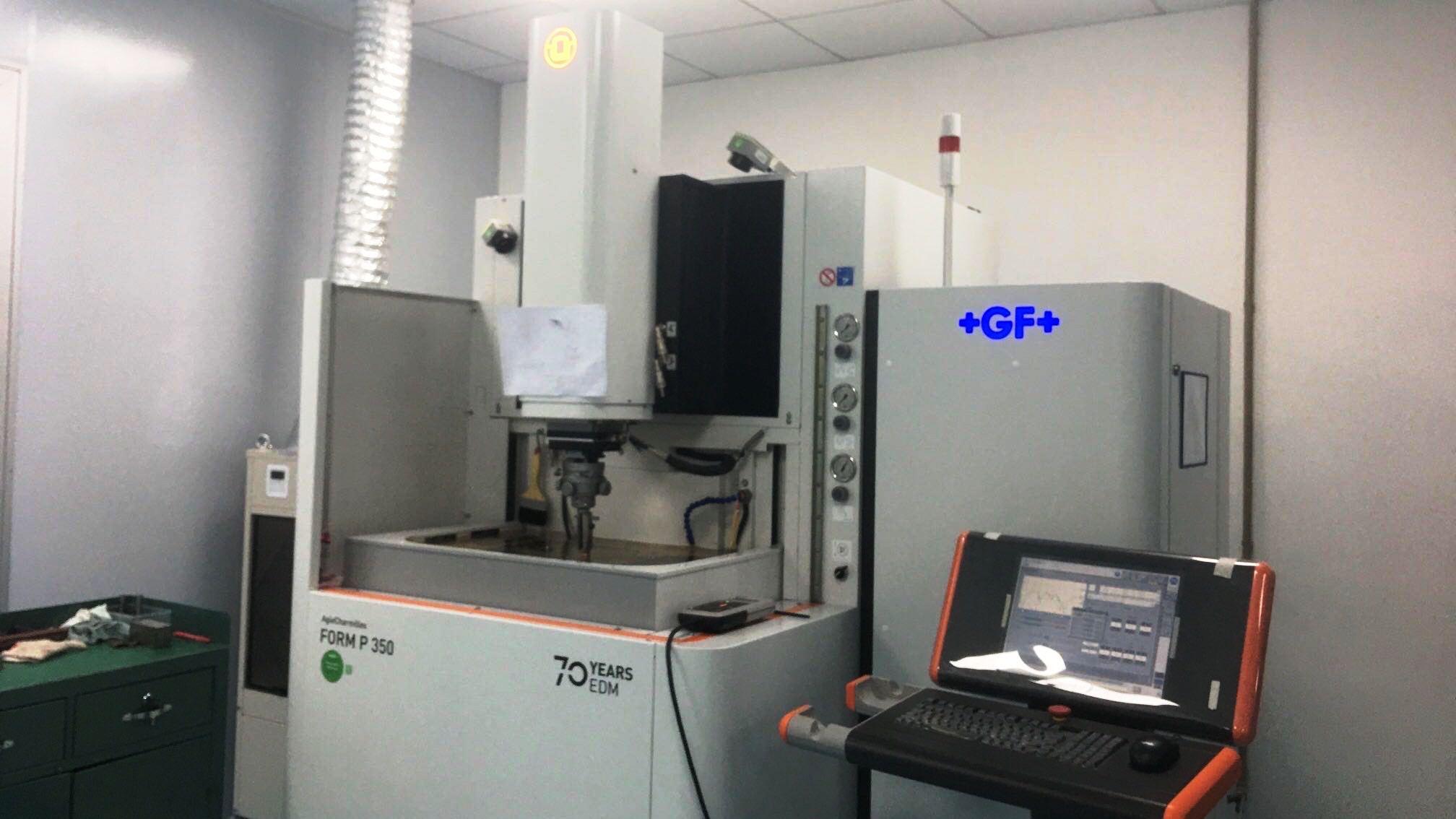
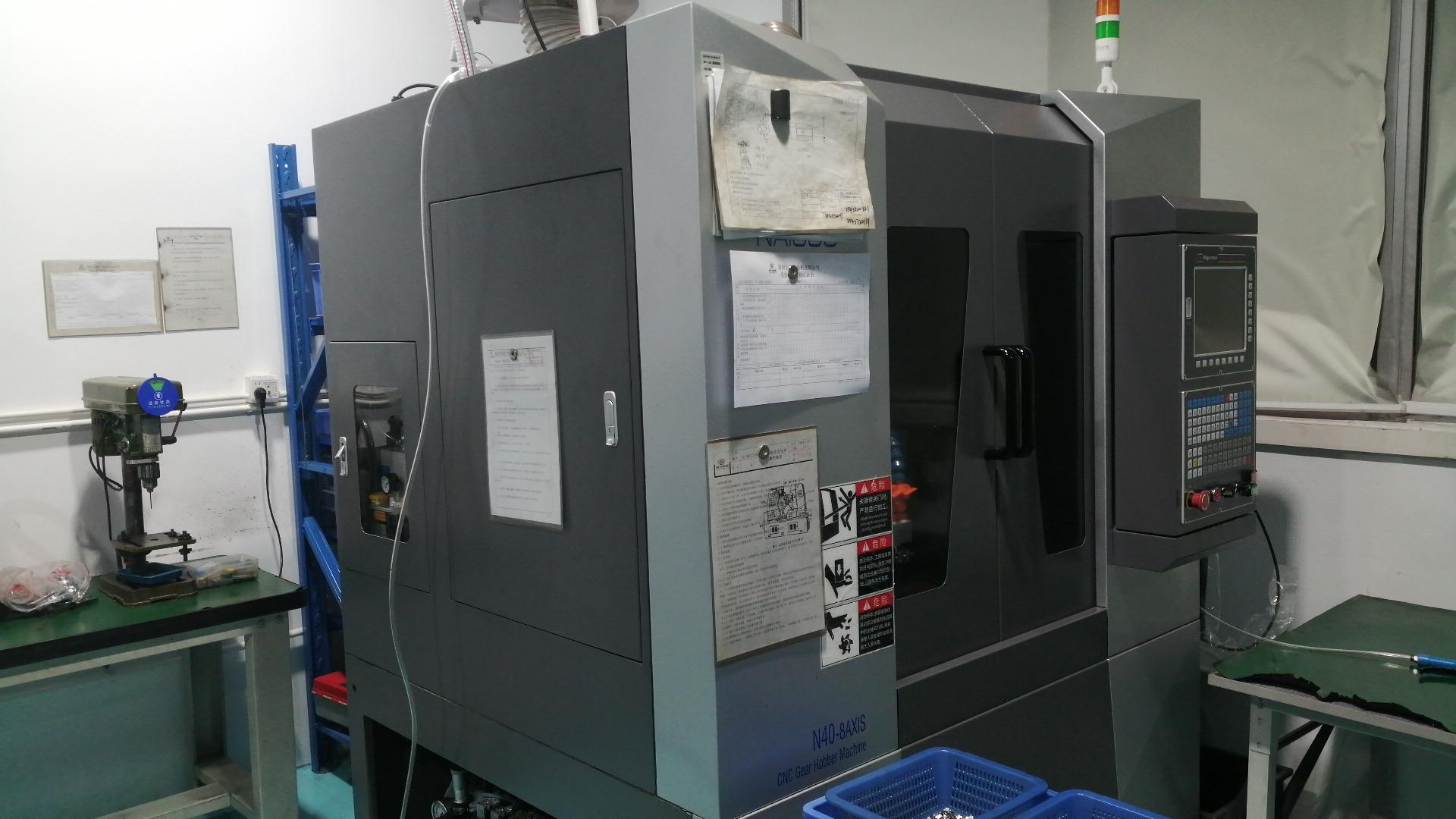
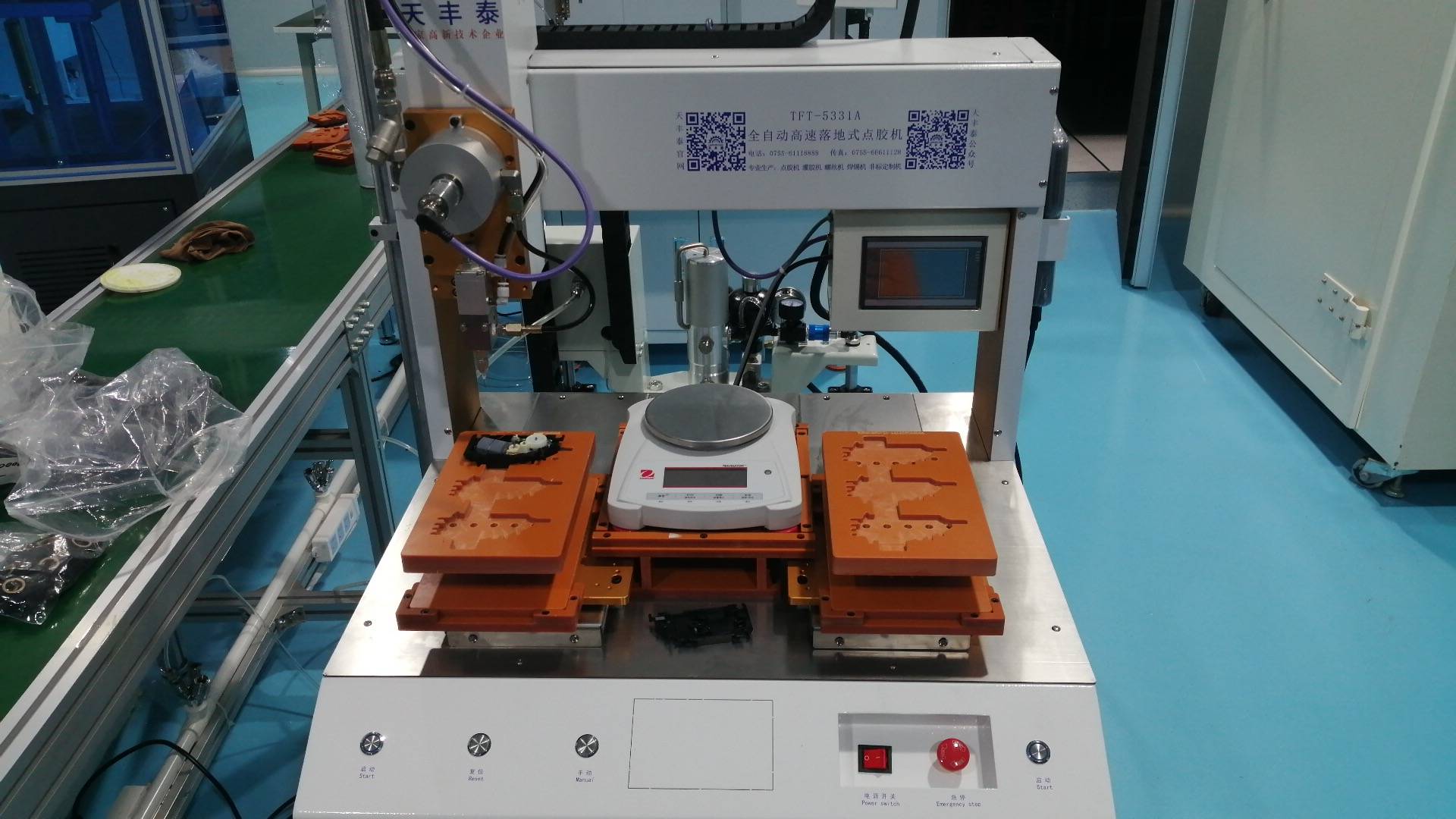

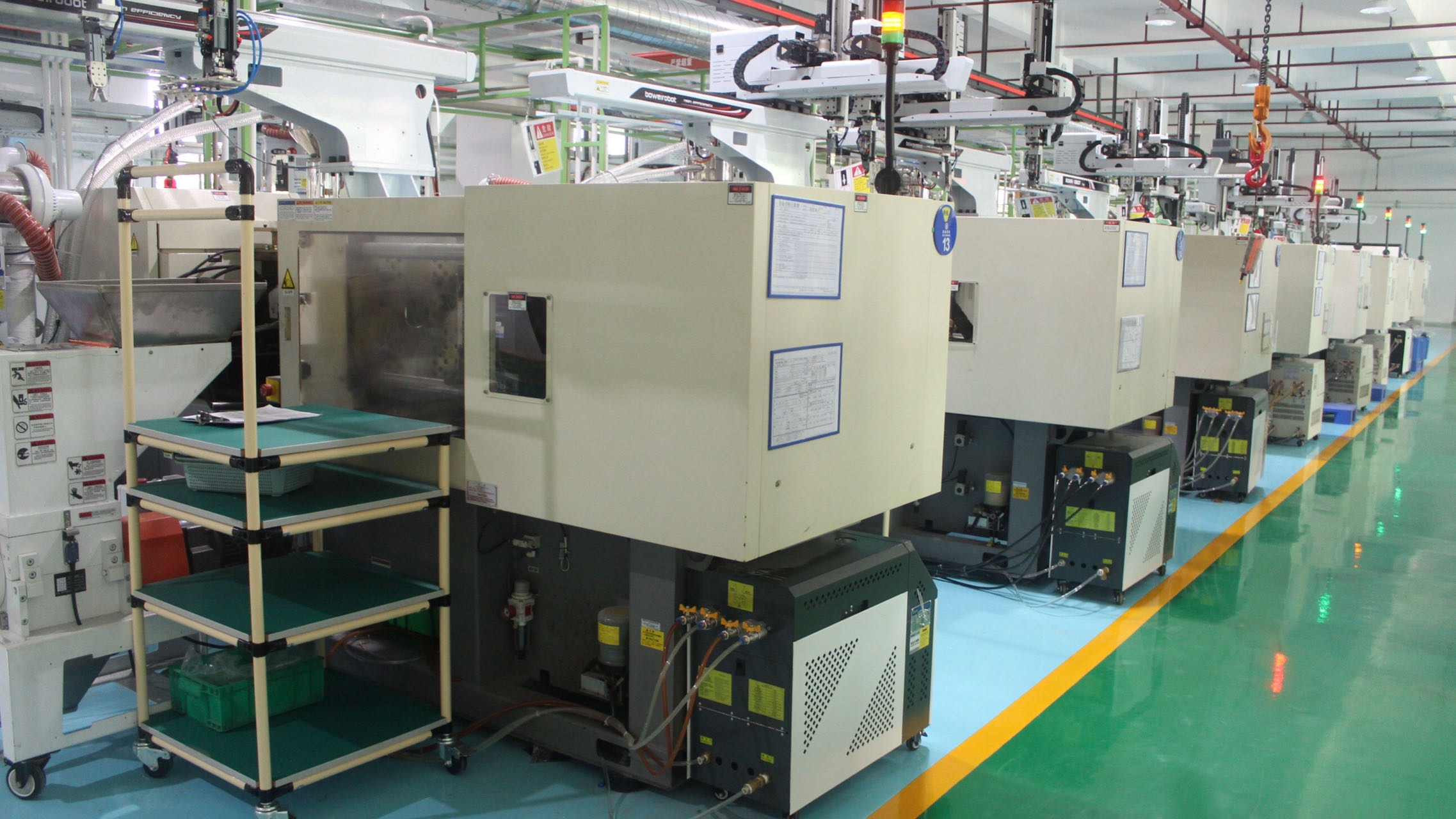
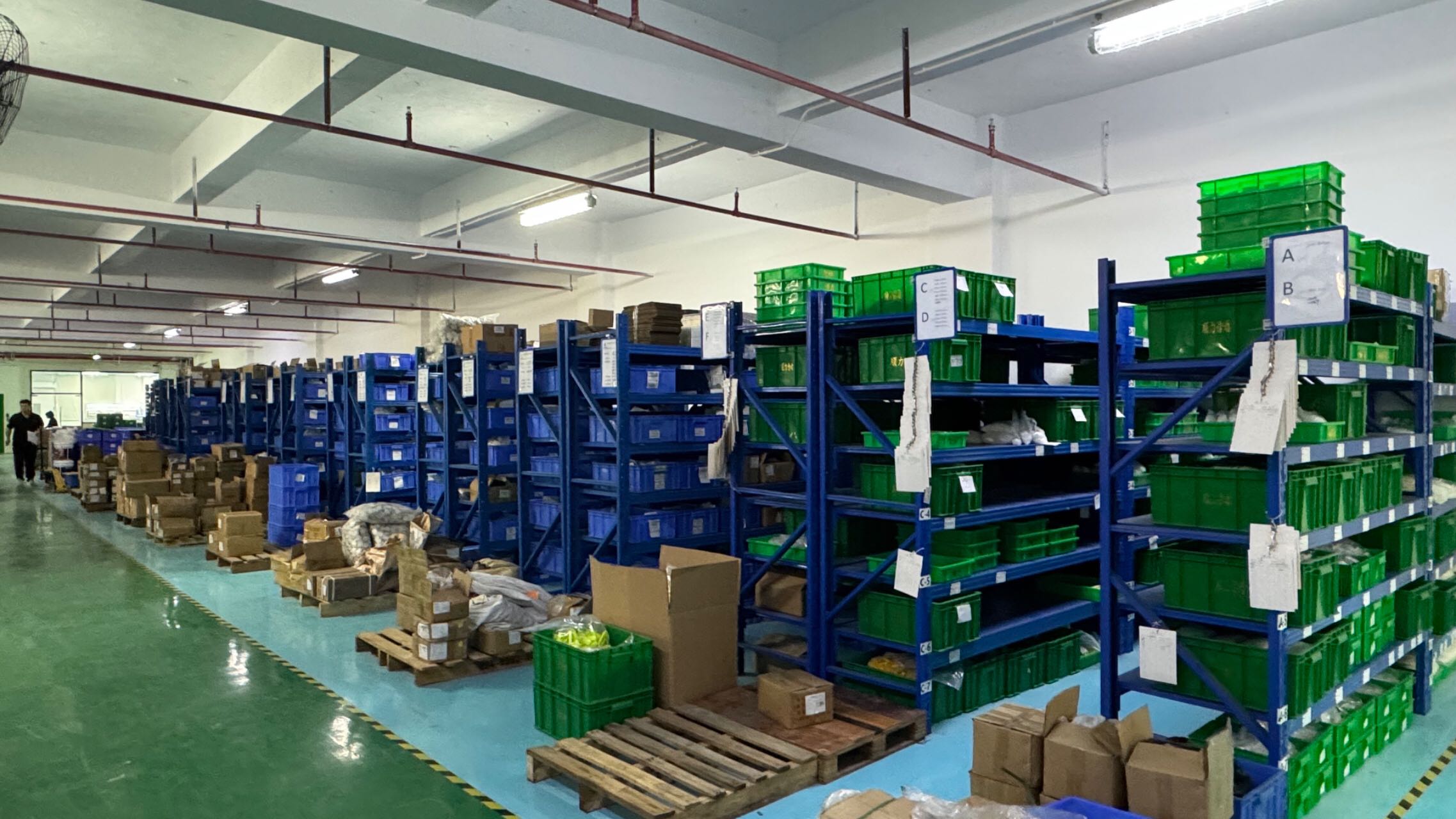
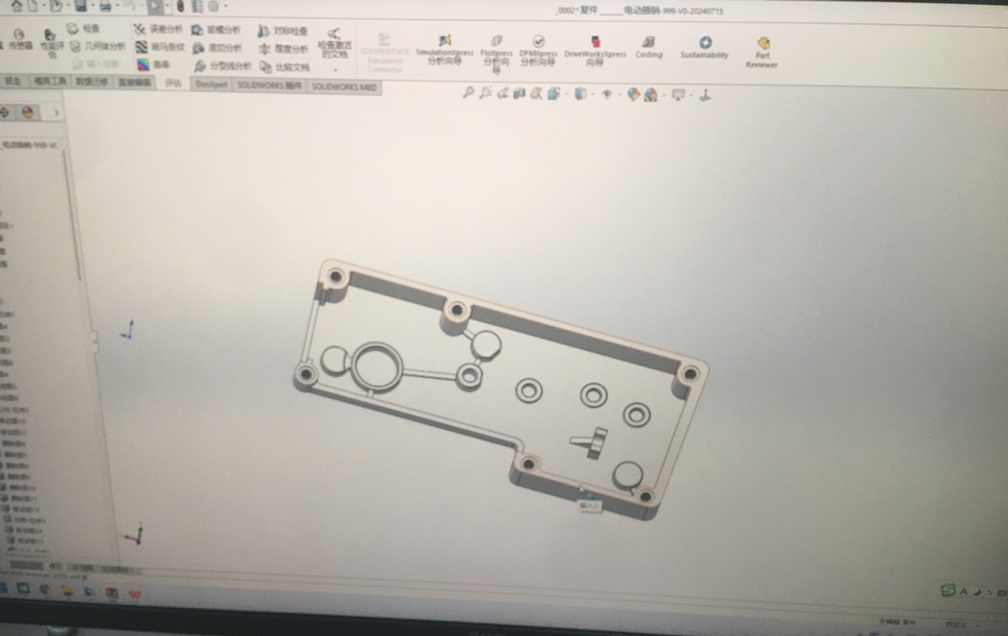
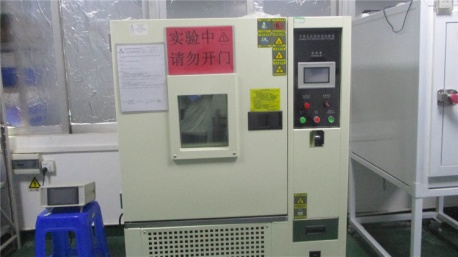
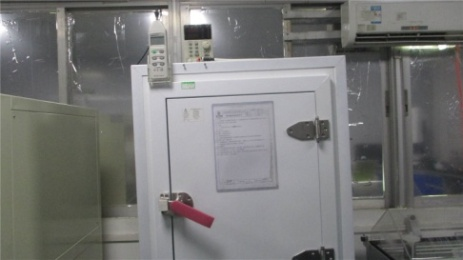
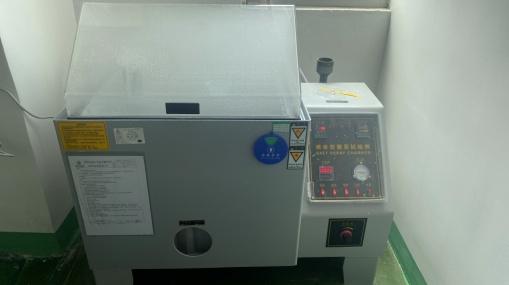
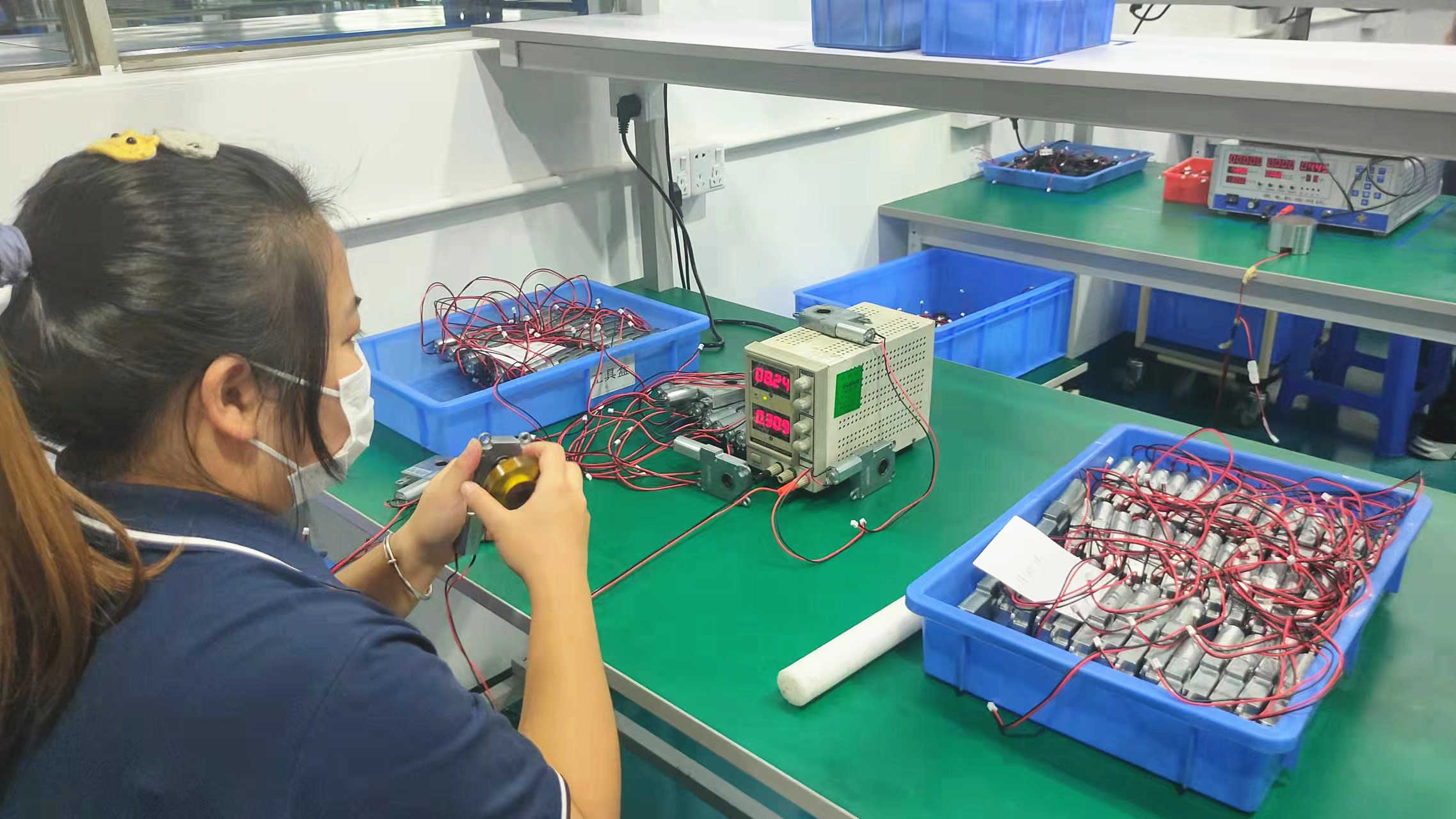
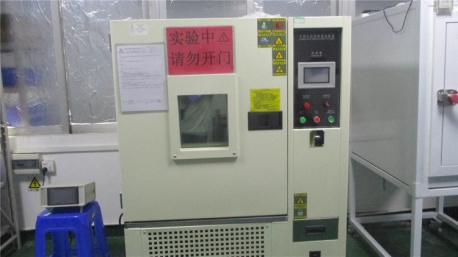
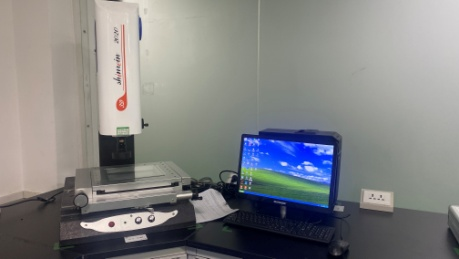
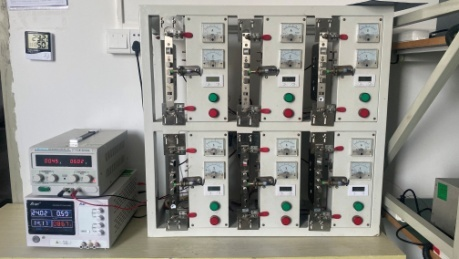
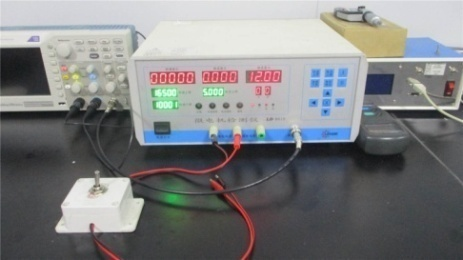
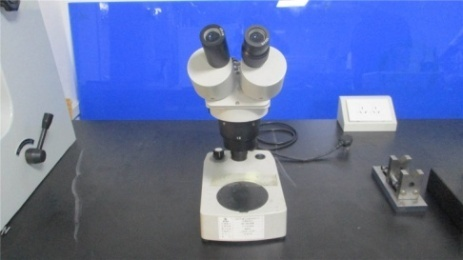
Key technical specifications when choosing worm gear motor factories.
Procuring electromechanical components at scale requires verification of several technical factors. When selecting a manufacturing partner, sourcing managers should evaluate the following criteria:
The choice of materials directly impacts the service life and thermal performance of the drive. The worm shaft should be constructed from hardened alloy steel (e.g., 20CrMnTi with carbonitriding), while the worm wheel (gear) must utilize high-tensile bronze (such as phosphorus bronze or aluminum bronze) to resist wear and prevent galling. Lower-cost alternatives, like brass or zinc alloys, should generally be avoided for continuous industrial duties.
In applications requiring high positioning accuracy (such as pan-tilt camera platforms or medical robotics), the backlash profile of the worm gear motor is critical. Precision factories offer sub-1 degree backlash options by employing tighter machining tolerances and double-enveloping worm designs.
Because worm drives generate more sliding friction than spur or helical gears, they require effective lubrication. High-quality manufacturers use synthetic polyglycol-based oils (PAG) and double-lip oil seals (like NBR or Viton) to prevent oil leaks and maintain lubricating properties across a wide temperature range.
Where these mechanical configurations are implemented in modern infrastructure.
In colder regions of North America and Europe, biomass heating systems rely on worm gear motors to feed fuel pellets into combustion chambers. The motor must operate reliably under high ambient temperatures and dusty conditions. A shade pole AC or brushless DC worm motor provides the high starting torque needed to clear minor blockages in the auger tube.
Electronic locks in commercial buildings and industrial facilities utilize mini-deceleration worm gear motors. The physical self-locking mechanism provides security against forced entry, ensuring the bolt remains locked even if the electrical power supply is cut.
From rotating rotisserie spits to industrial food mixers, worm gear drives provide quiet operation and reliable speed reduction. Because the motor is oriented at 90 degrees, the overall equipment envelope can be kept compact.
Answers to common questions regarding worm gear motor selection and operation.
The primary trade-off is mechanical efficiency. Due to the sliding friction between the worm and gear, efficiency can range from 50% to 90% depending on the reduction ratio and lead angle. This sliding action also generates heat, requiring careful thermal design in high-duty cycle applications.
No. Self-locking is determined by the lead angle of the worm and the friction coefficient. Typically, lead angles below 4 degrees will self-lock, but vibrations or fluctuating loads can cause creep. For safety-critical systems, we recommend adding an auxiliary electromagnetic brake.
Synthetic polyalphaolefin (PAO) or polyglycol (PAG) oils with extreme pressure (EP) additives are recommended. These lubricants reduce friction, lower operating temperatures, and extend the lifespan of the bronze gear wheel.
Planetary gear motors offer higher efficiency (often over 90%) and higher torque density in an inline configuration. Worm gear motors, however, provide right-angle power transmission, quieter operation, and self-locking capabilities at a lower cost per unit.
A comprehensive range of high-torque deceleration systems, custom gearboxes, and micro-motors.
 Goaxis Pro