Factory-direct high-torque, low-noise, and customized miniature drive systems engineered to zero-defect standards.
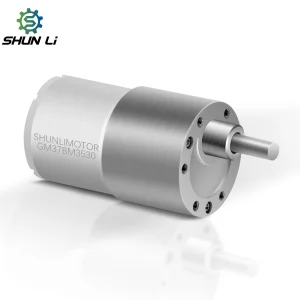
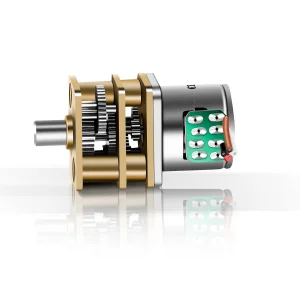
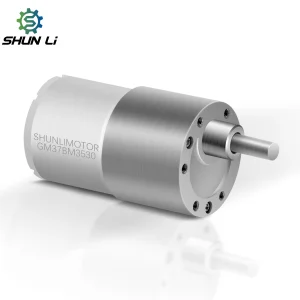
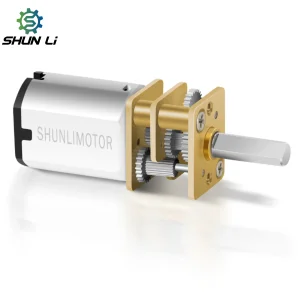
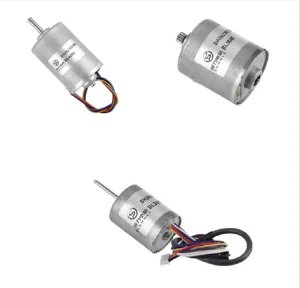
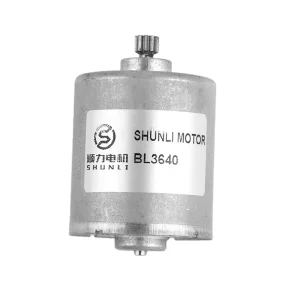
Tired of trading company markups, communication gaps, and inconsistent batch quality in your motion control supply chain? Goaxis Pro is the transparent, direct-from-source China factory you've been looking for. We engineer and manufacture world-class precision micro drives directly from our manufacturing floors to your global assembly lines under strict, repeatable quality control.
Deep industry heritage since 2006, ensuring stable automated production lines, continuous technical evolution, and long-term supply security.
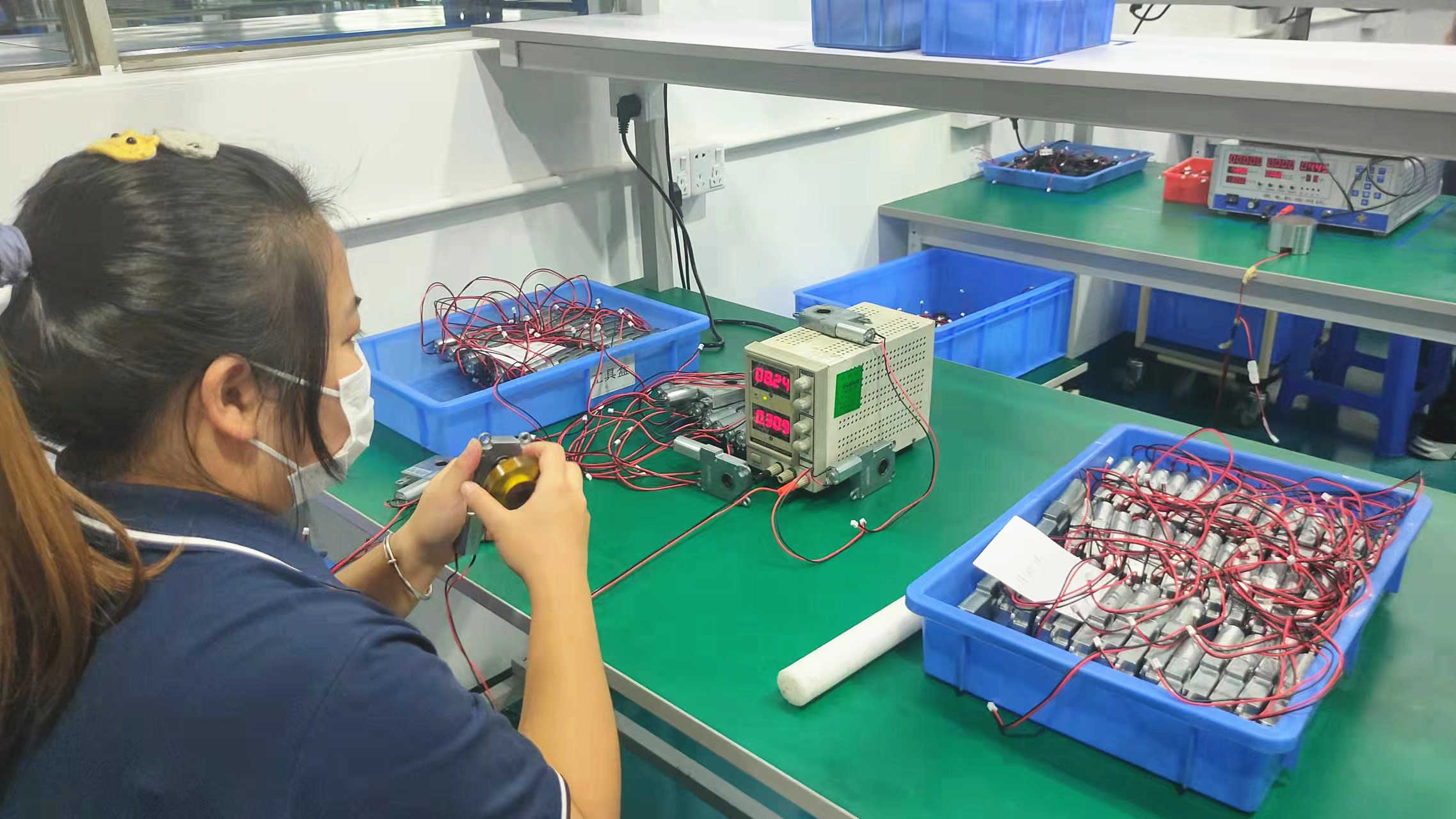
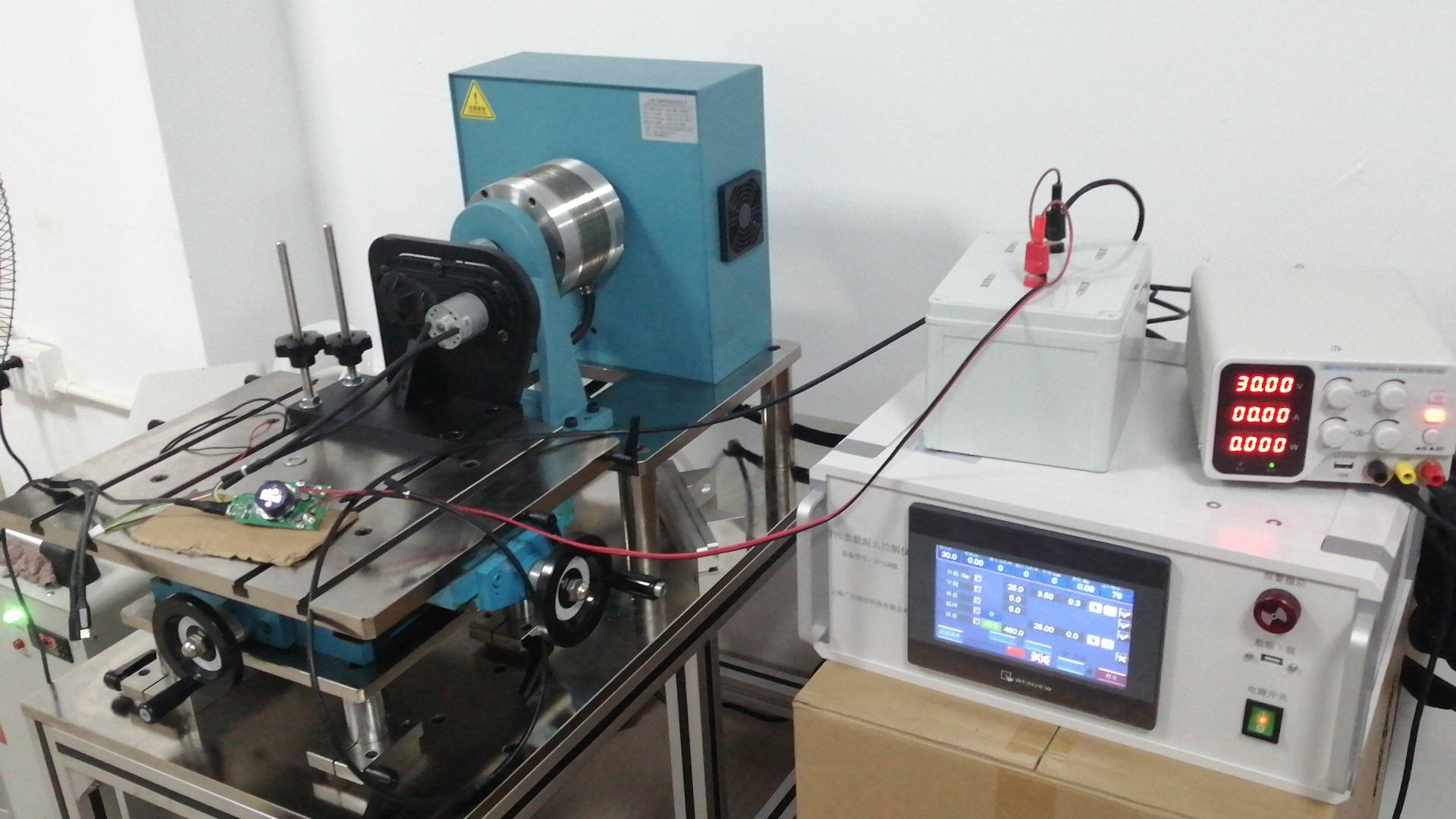
Every single motor is subjected to automated dynamic balancing, thermal checking, and acoustic tests under real industrial loads before leaving our dock.
We don't shrink away from non-standard blueprints. We rapidly customize custom shafts, integrated encoders, and specialized gearheads to fit your device housing perfectly.
Our state-of-the-art manufacturing ecology runs fully compliant with international ISO9001:2015, CE, RoHS, and REACH safety standards.
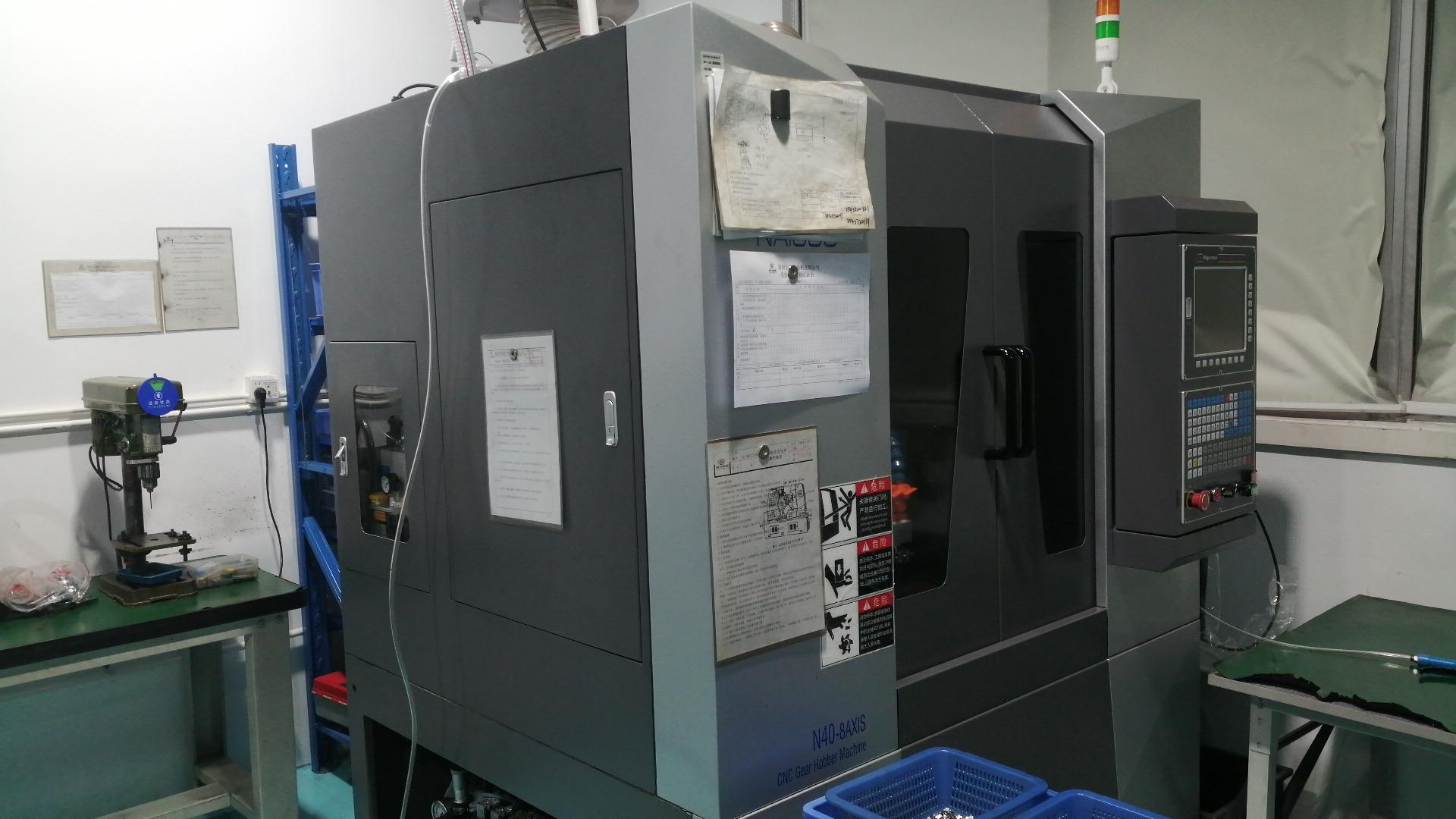
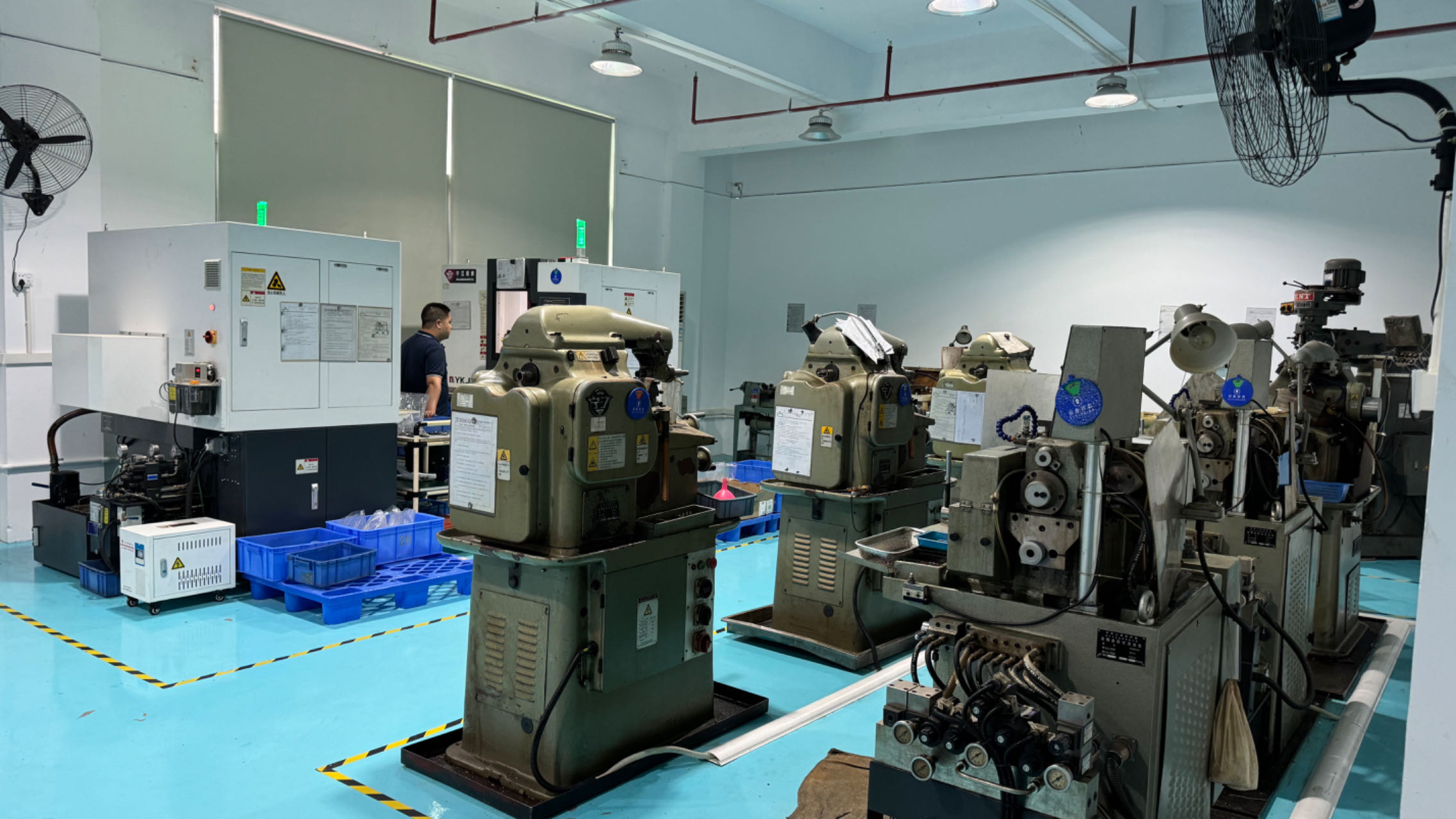
Our vertically integrated manufacturing facility in China employs CNC lathing, automated gear-hobbing, and high-capacity assembly systems to achieve dimensional accuracy up to ±0.005mm.

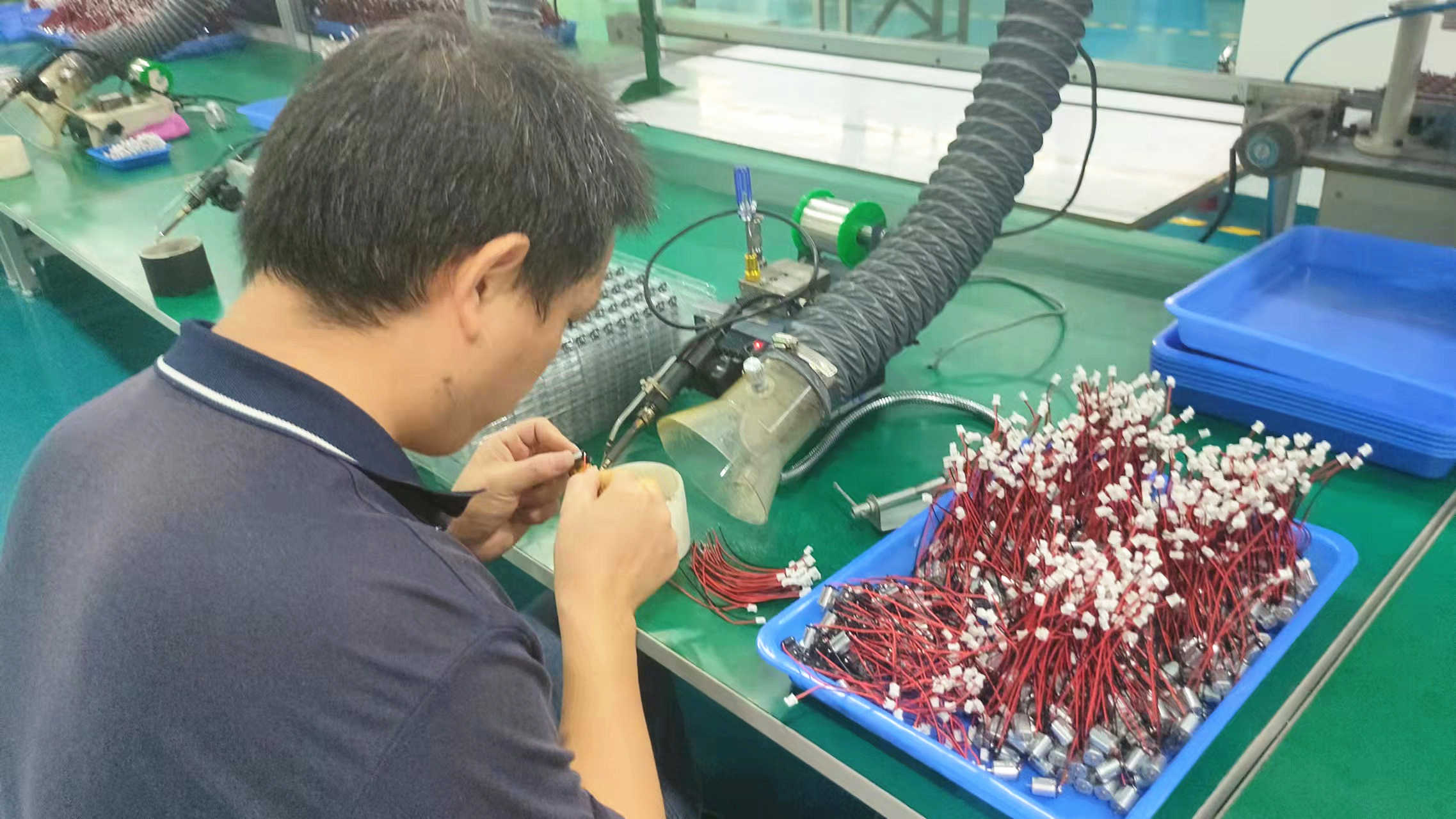
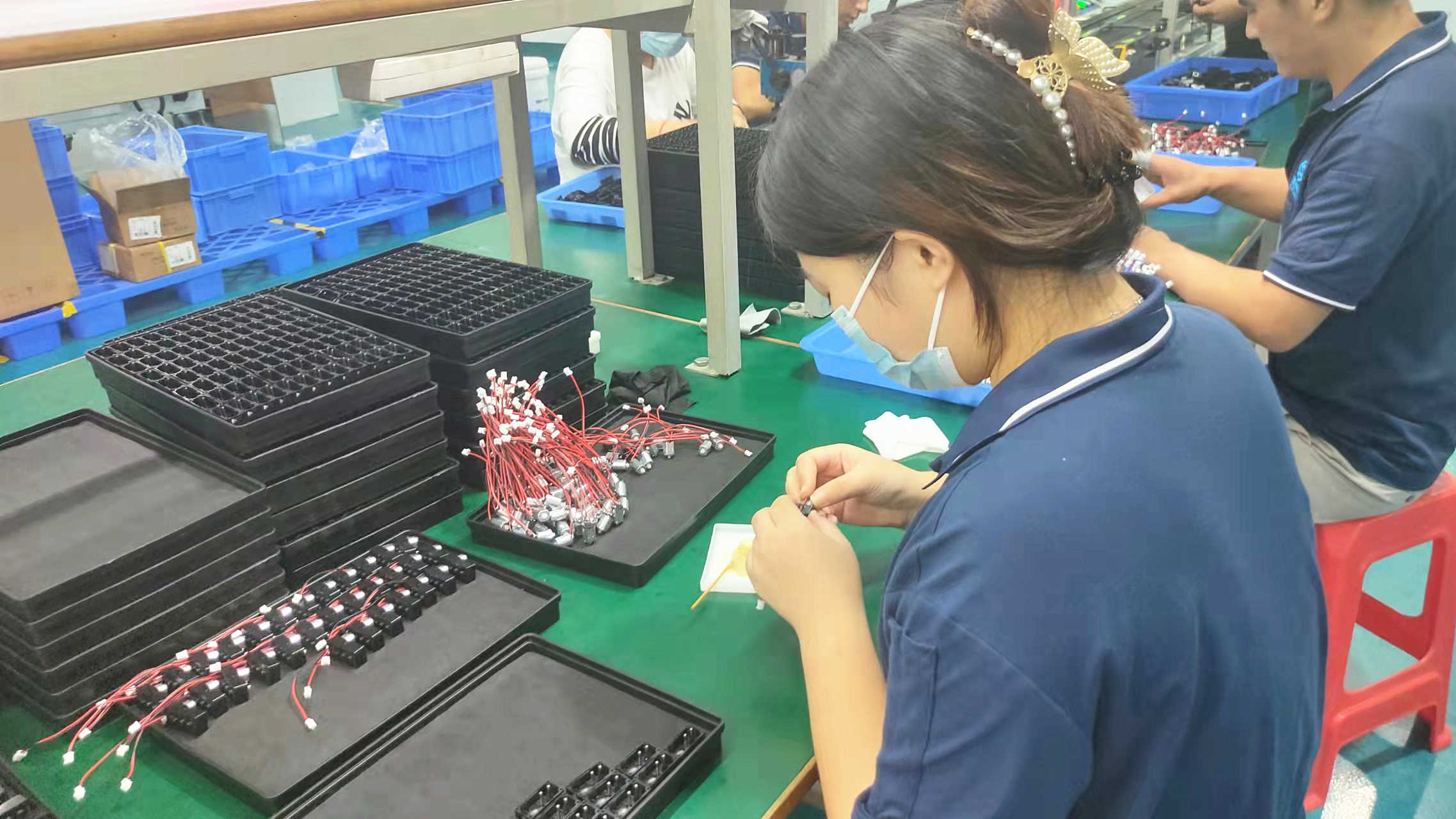
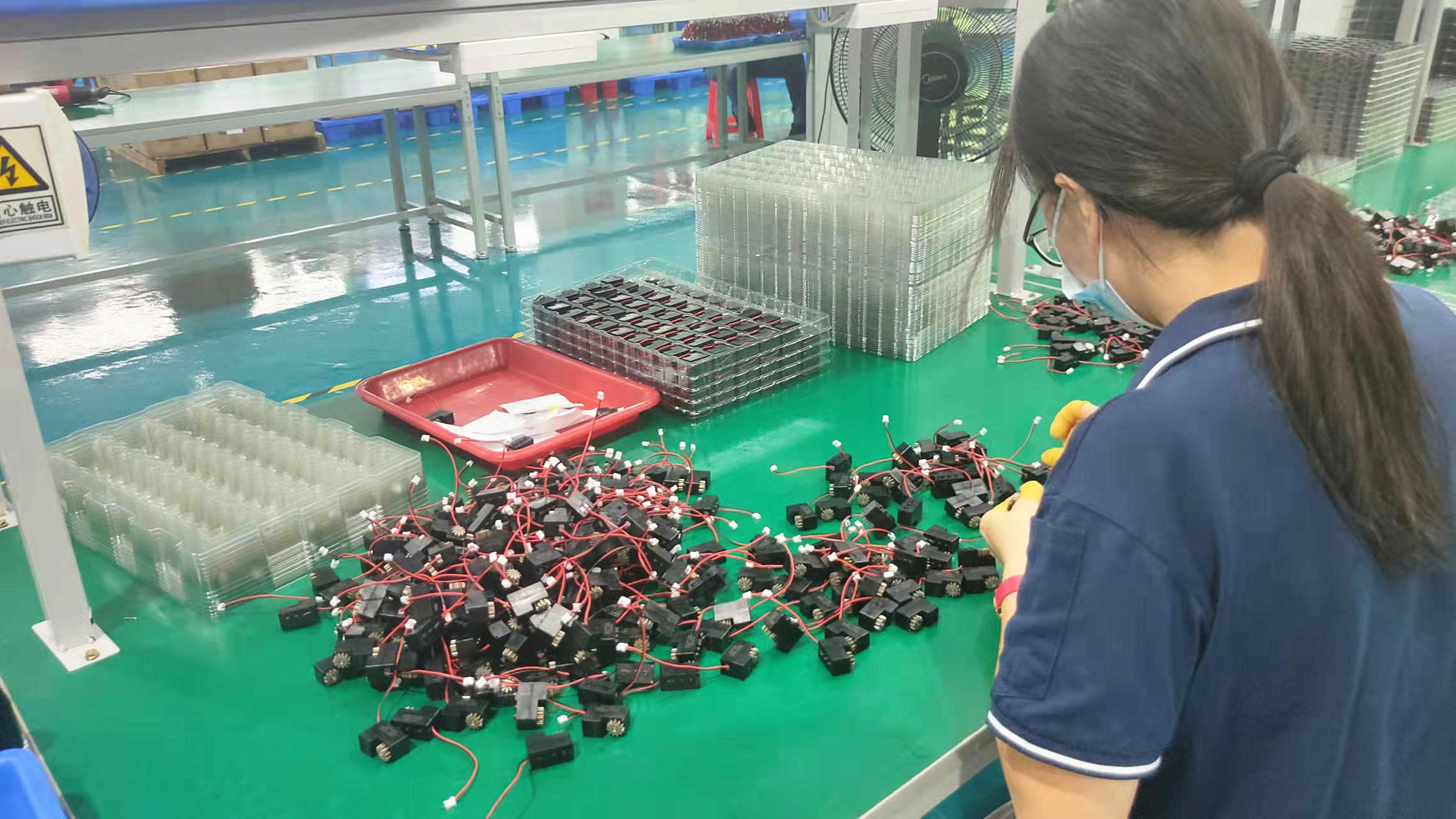
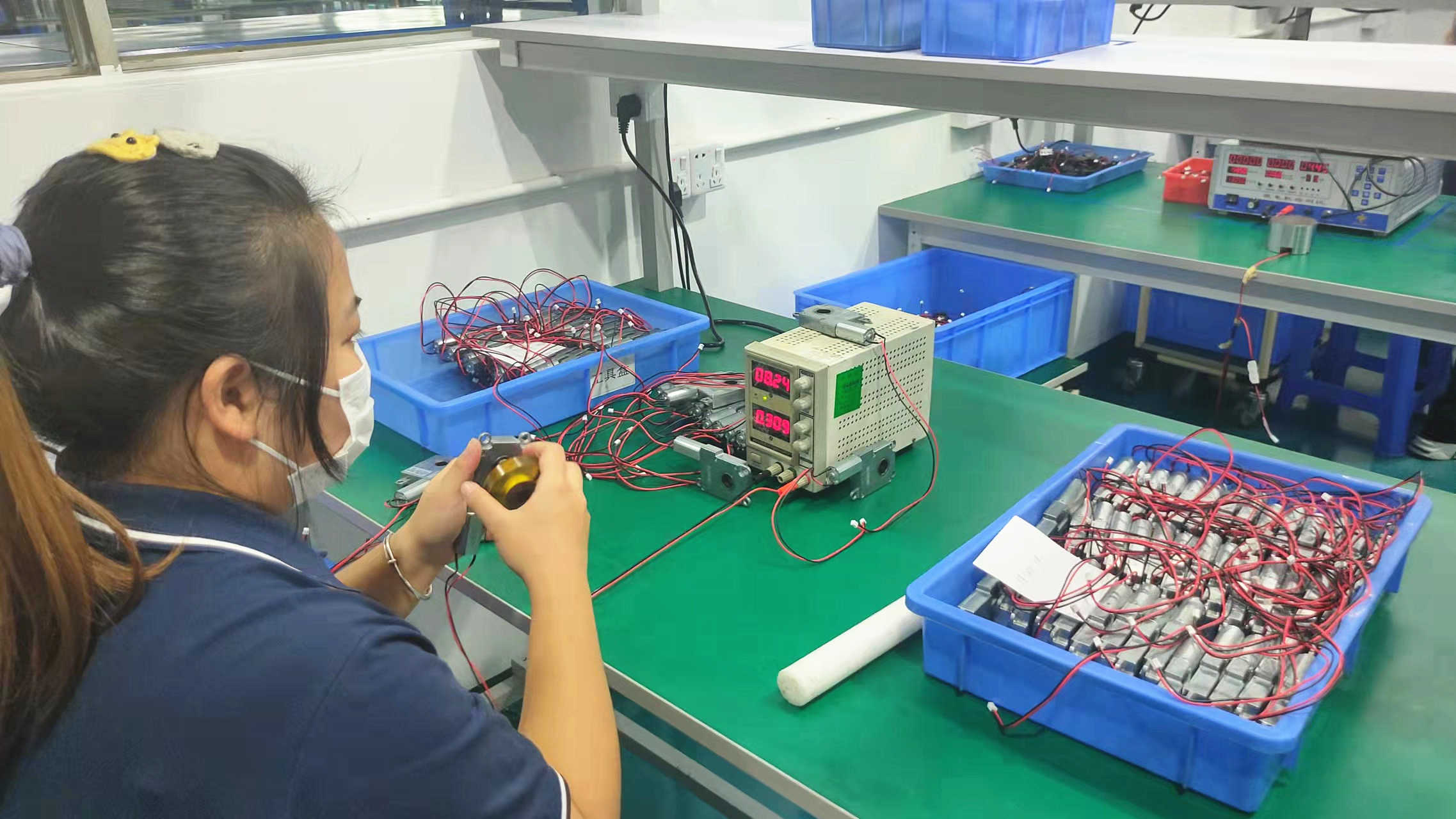
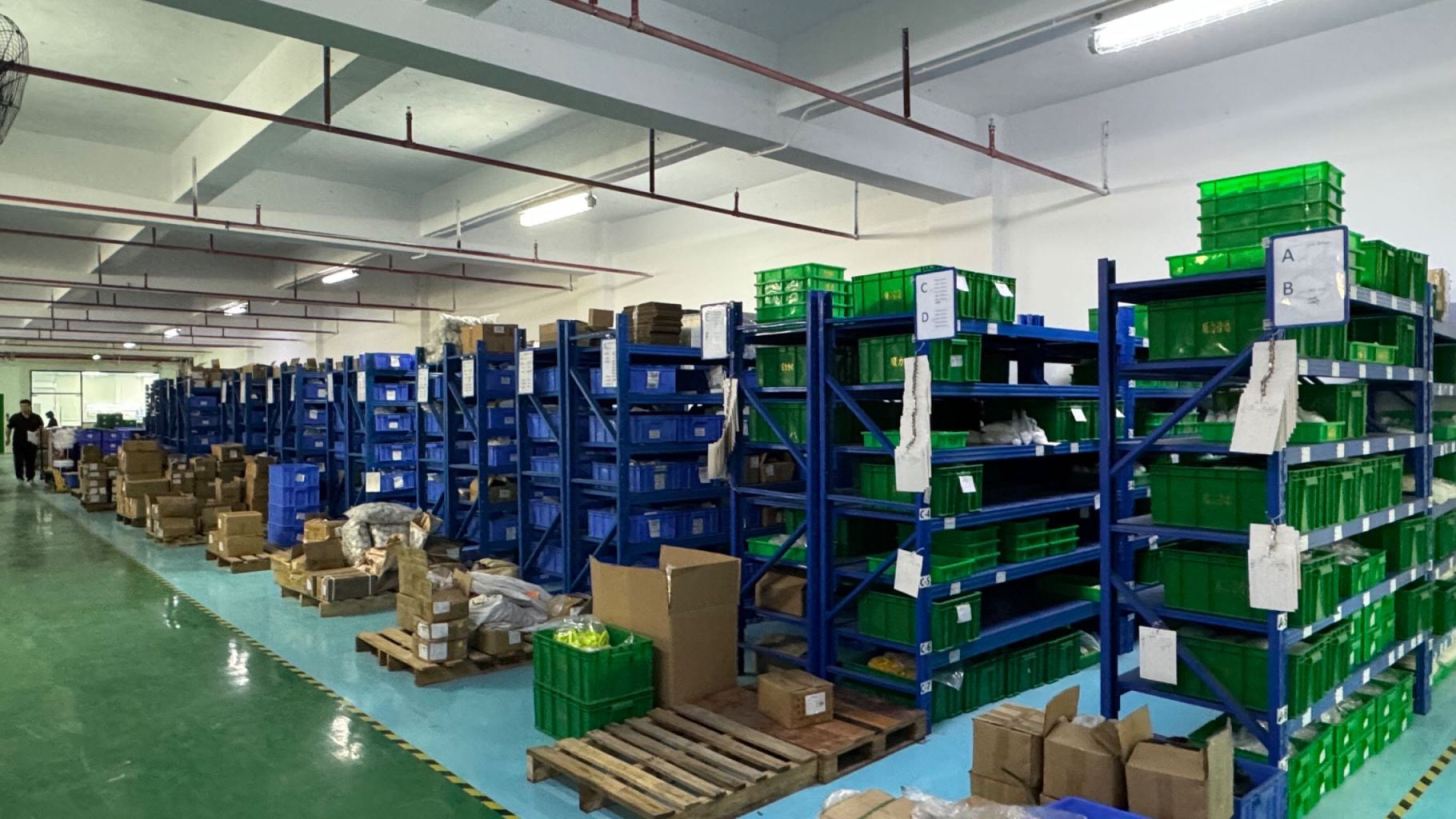
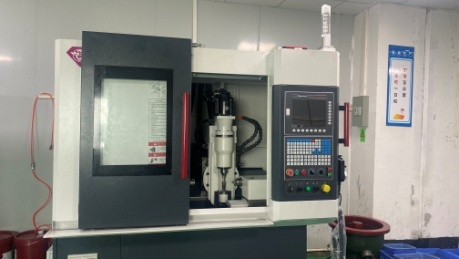
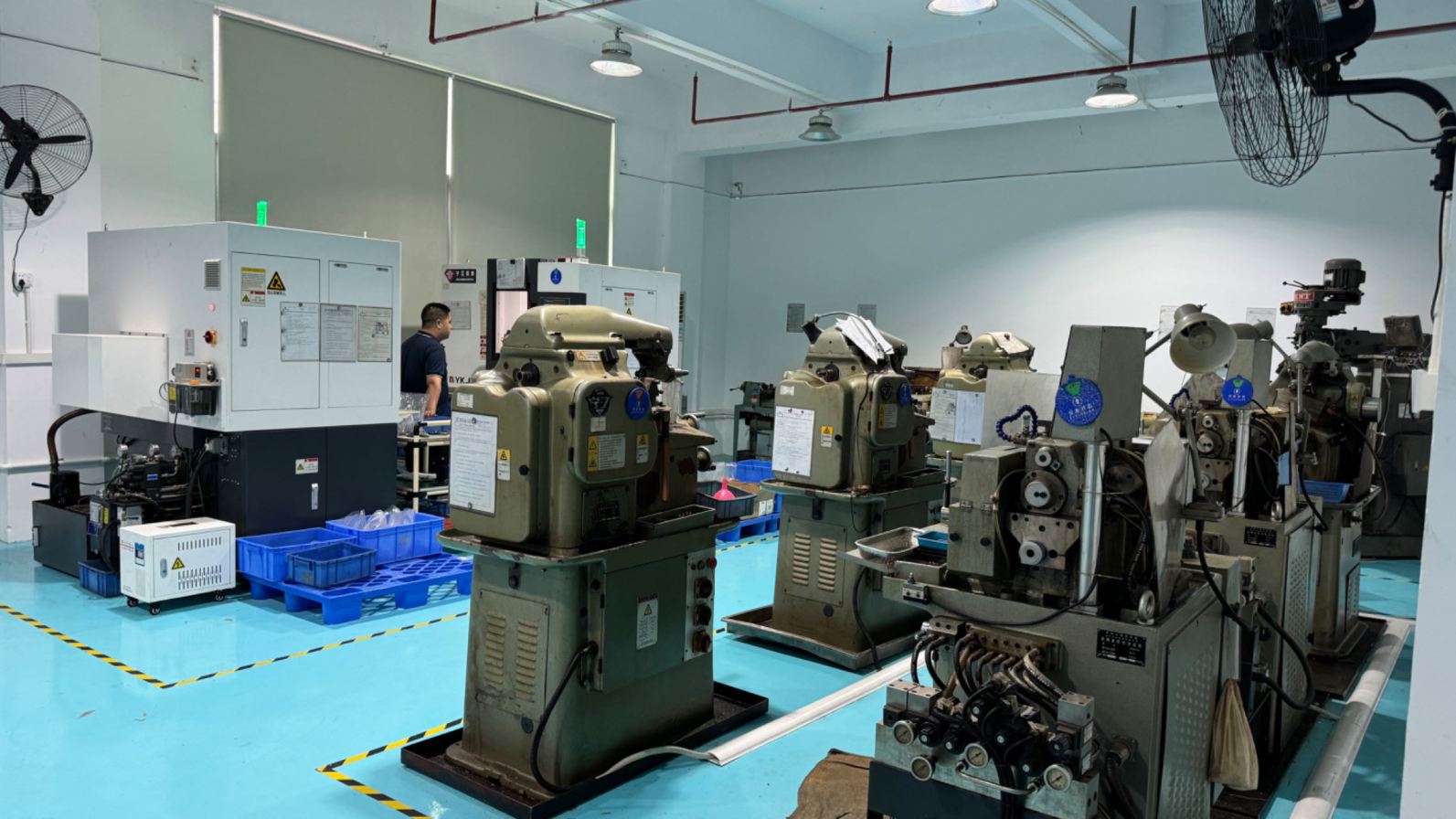
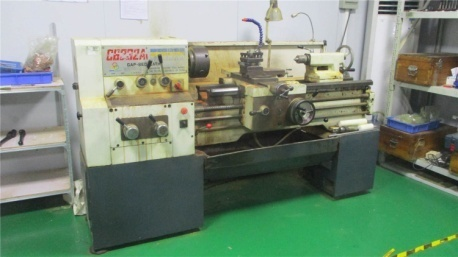
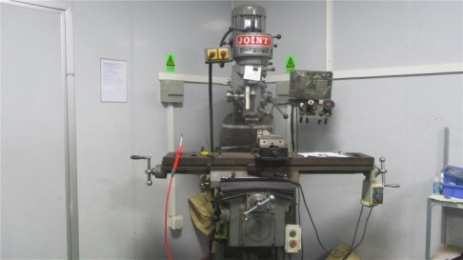
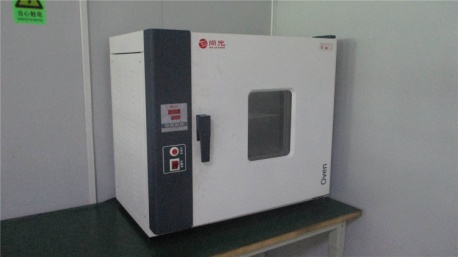
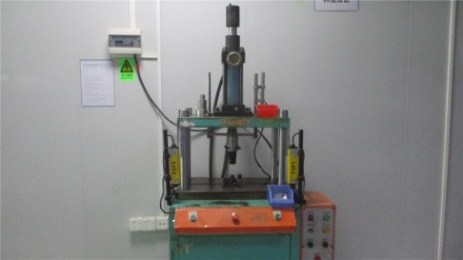
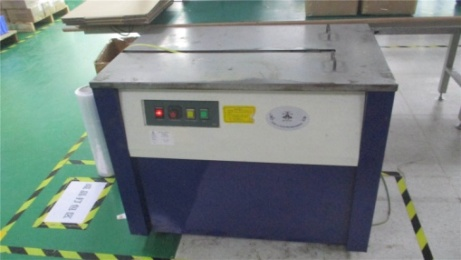
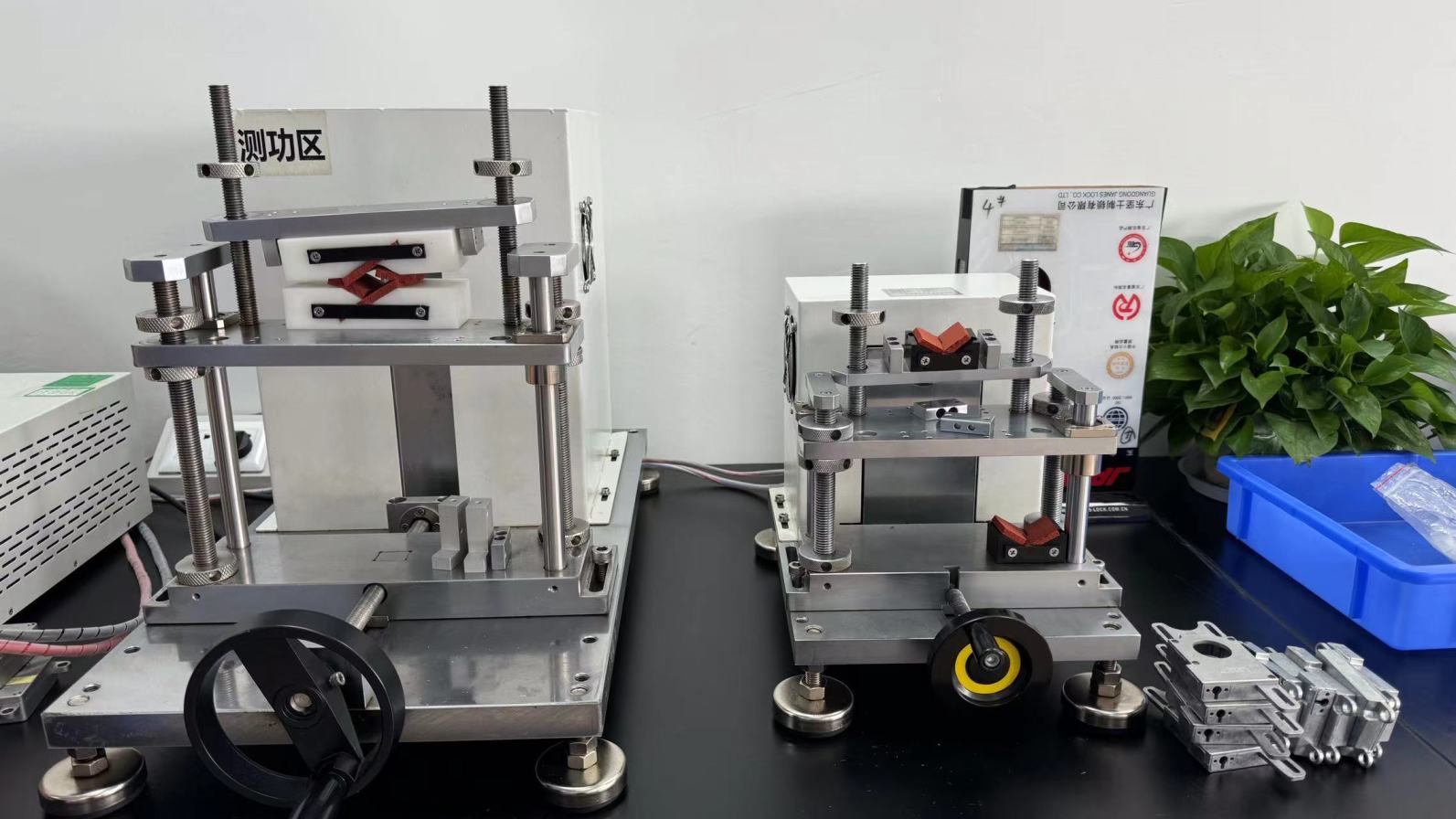
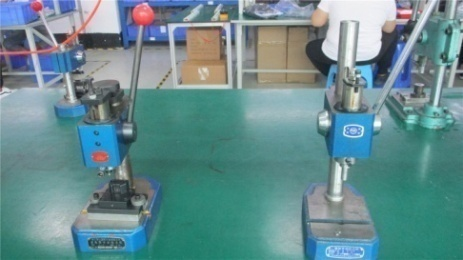
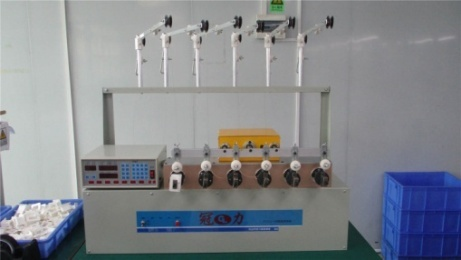
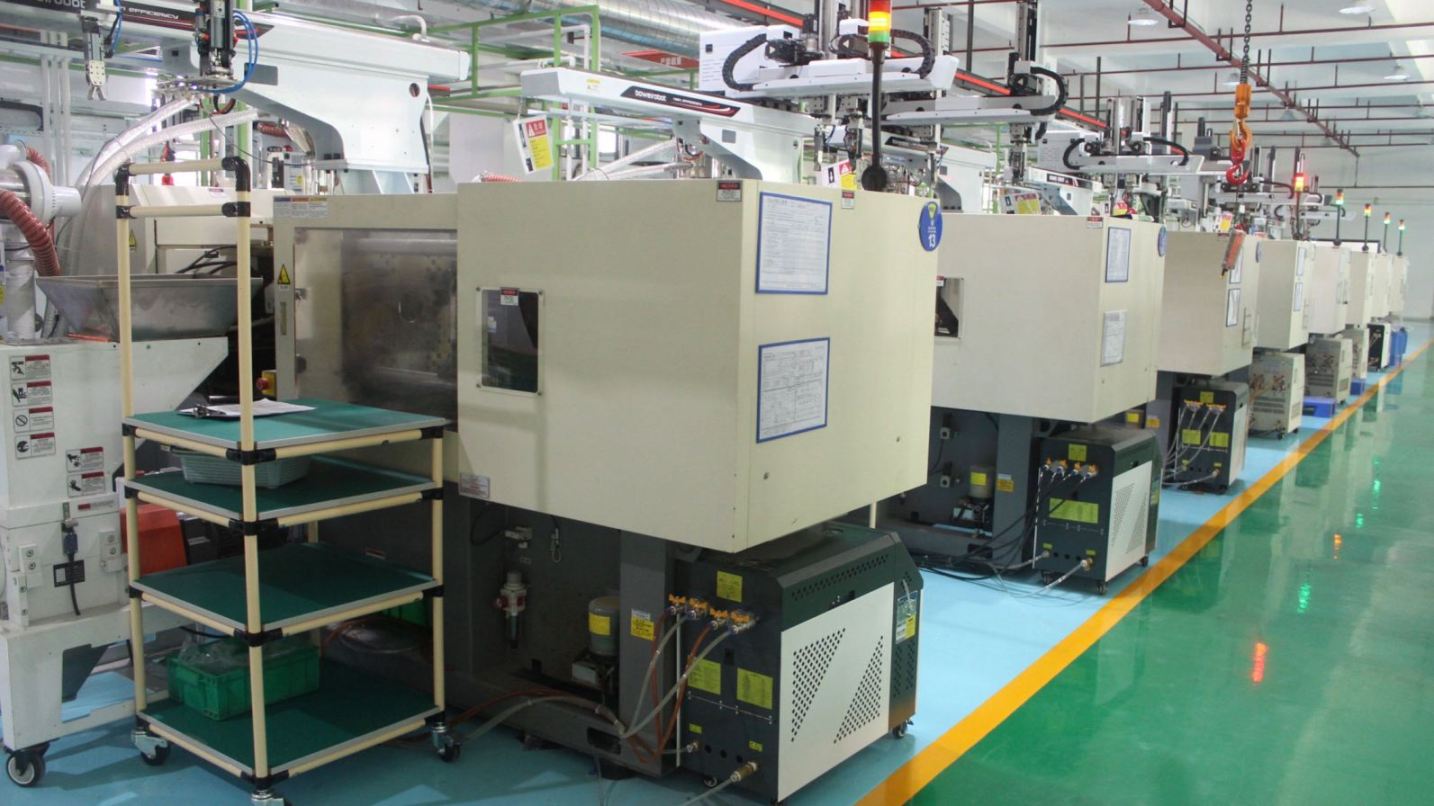
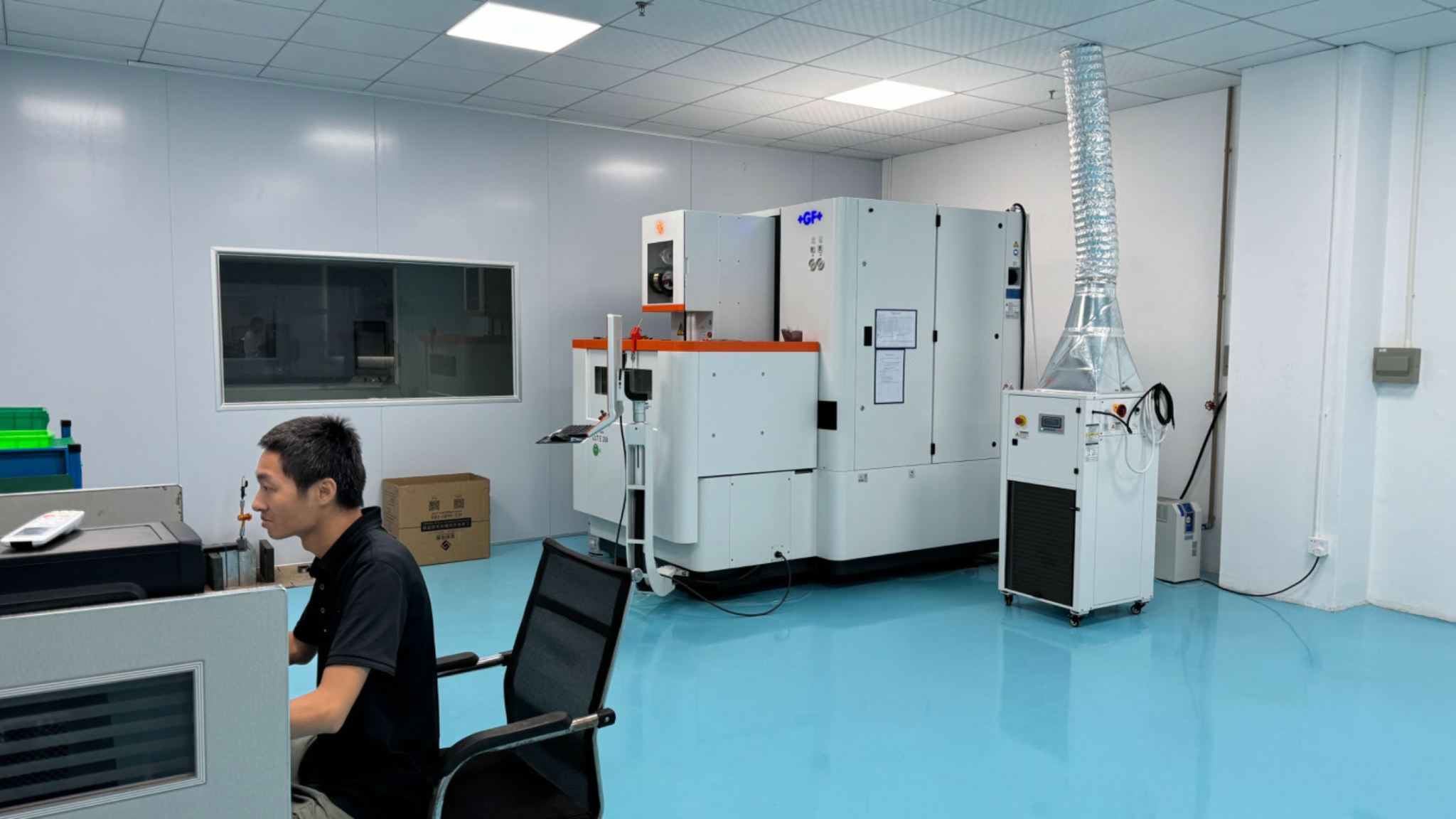
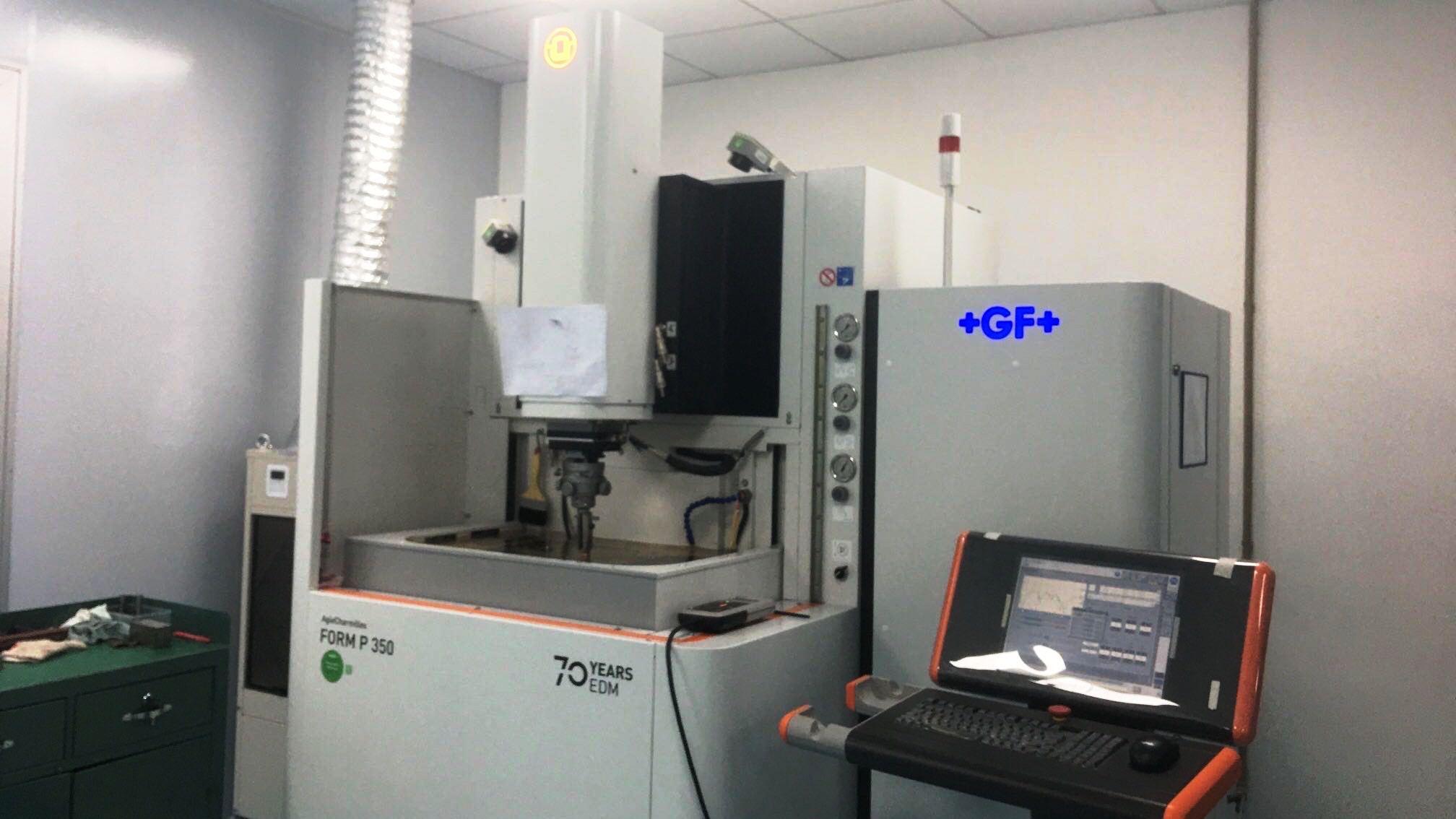
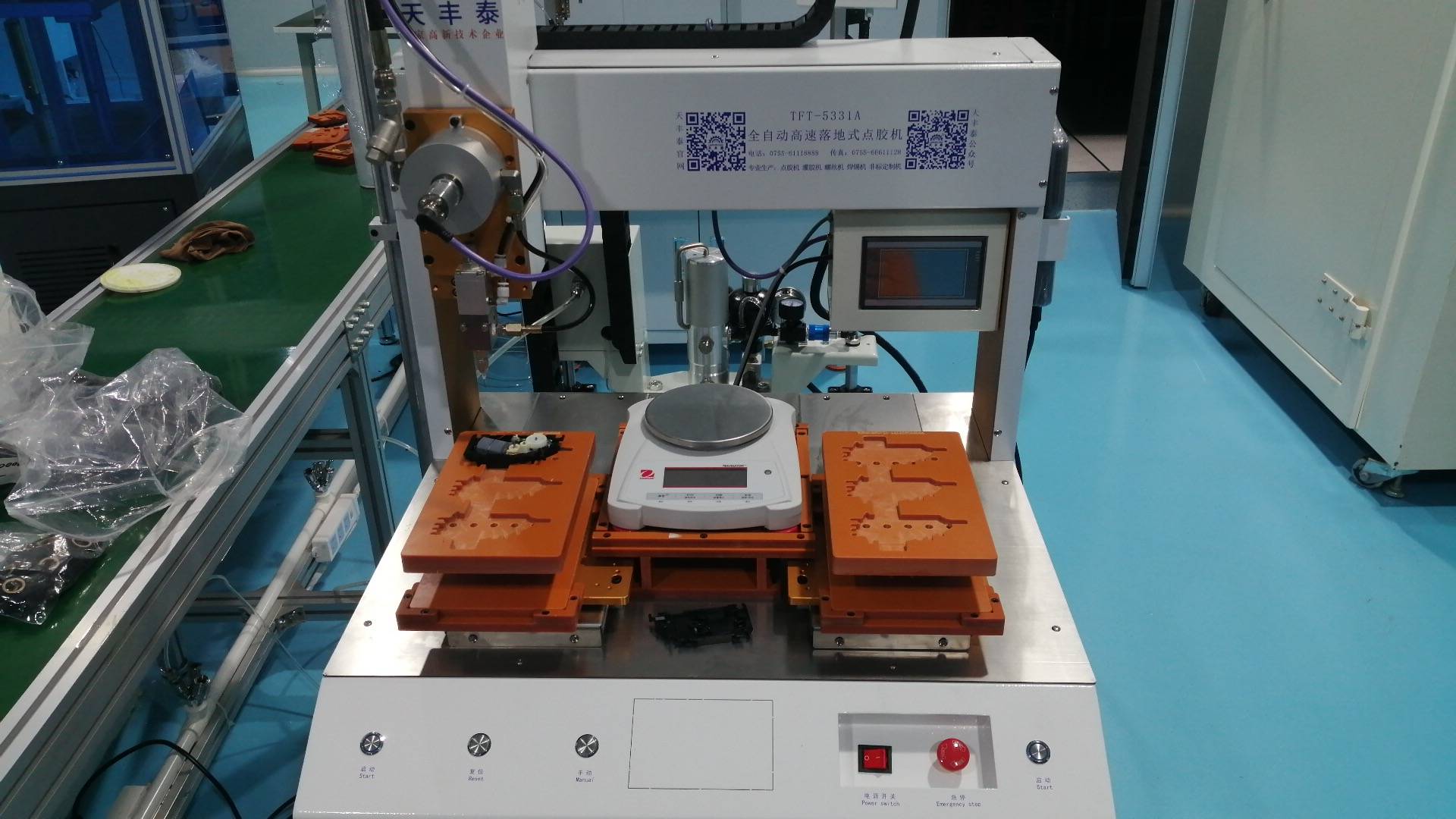

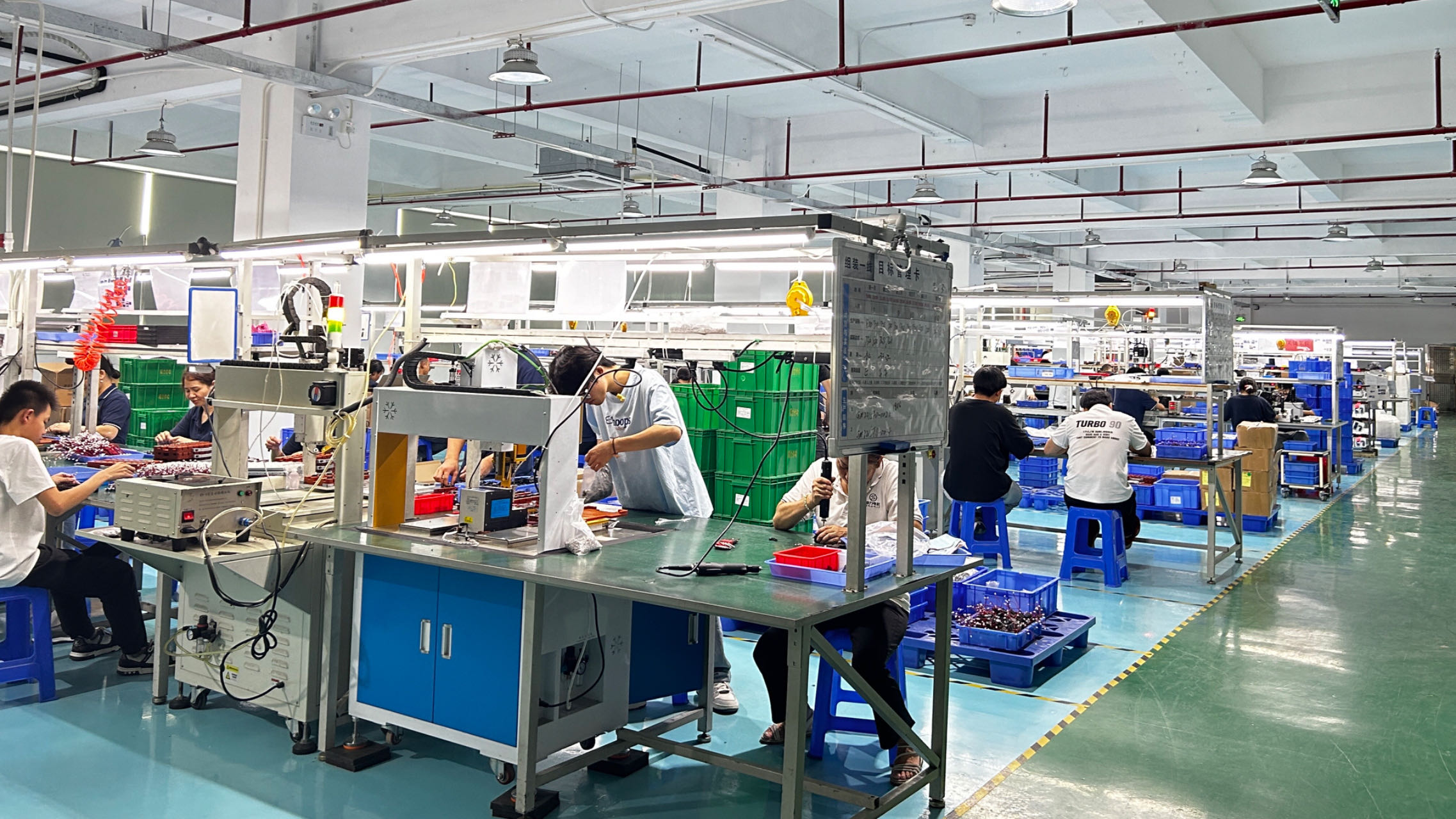
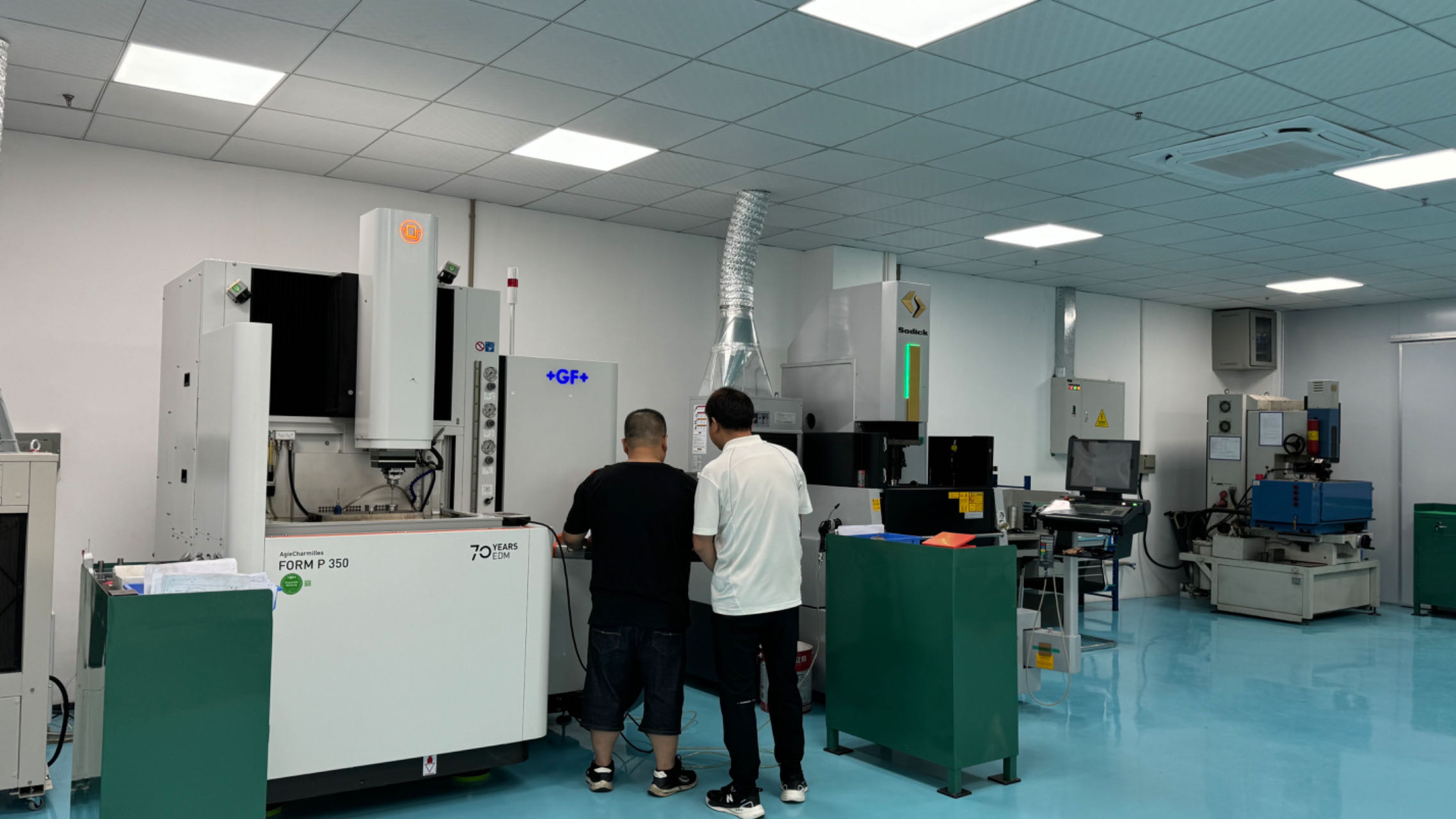
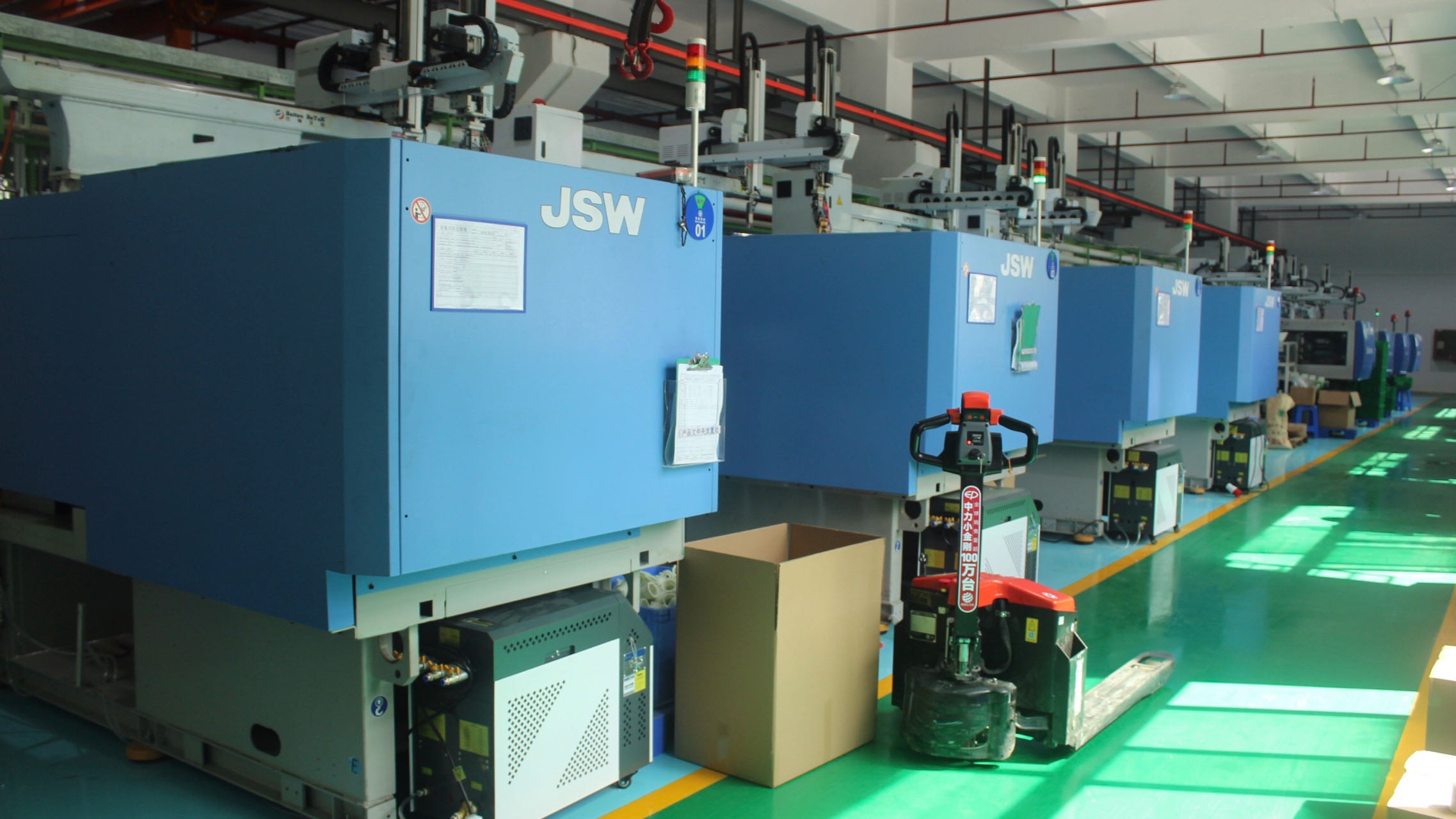
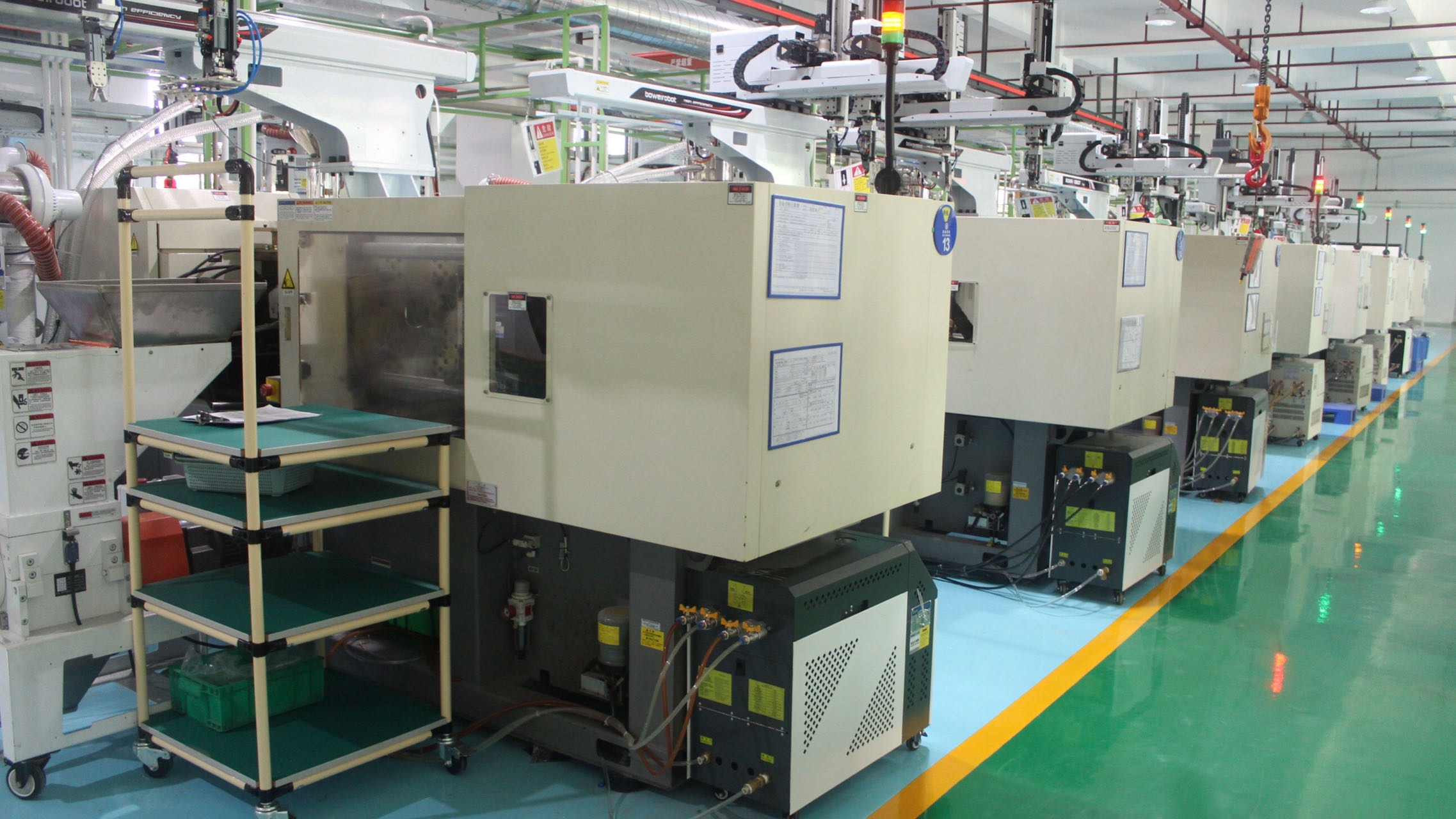
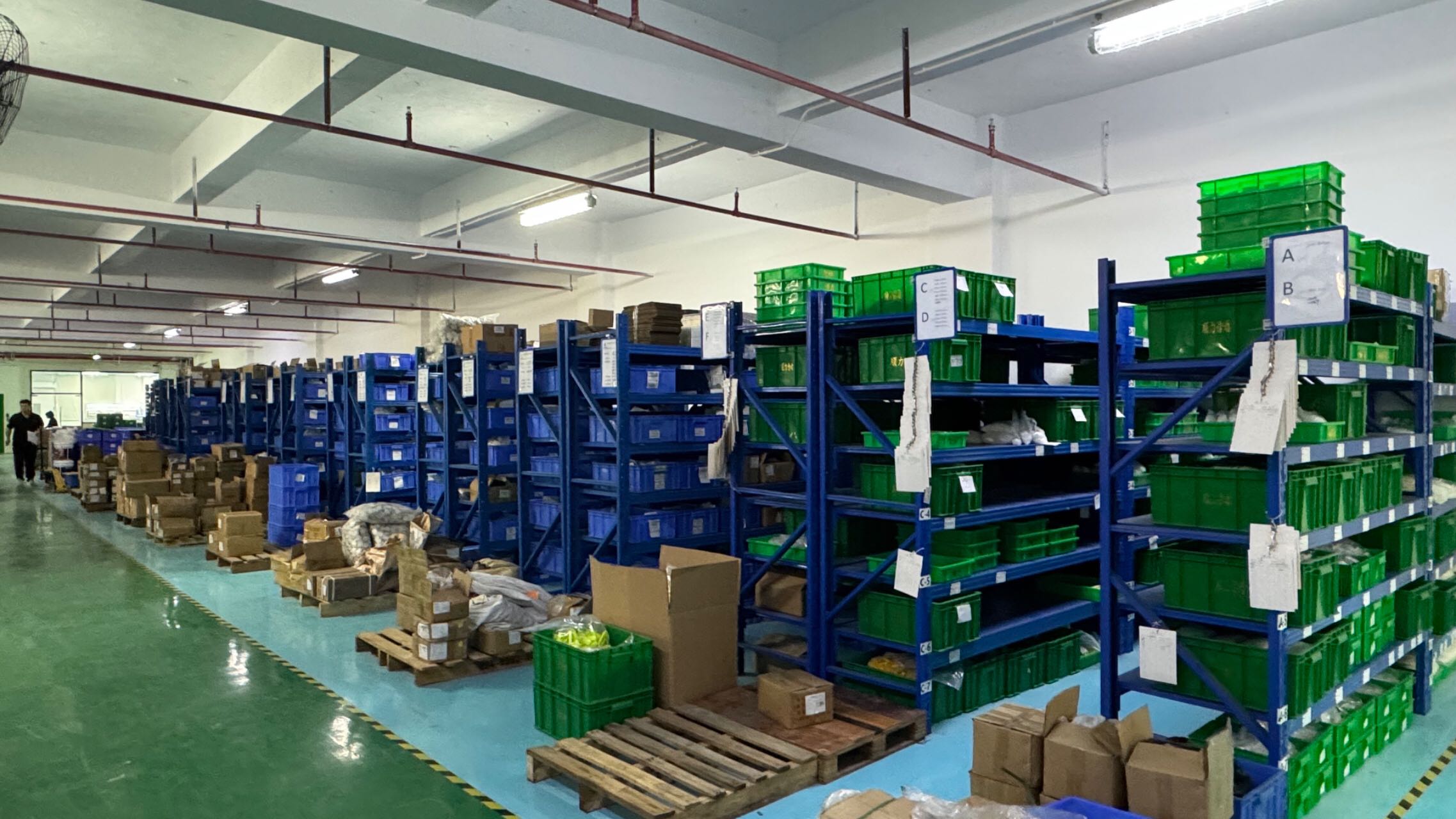
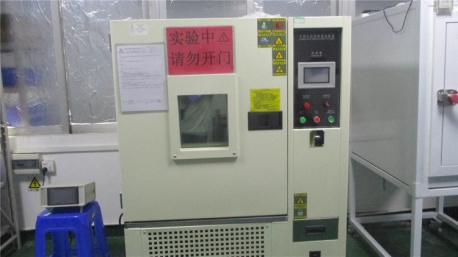
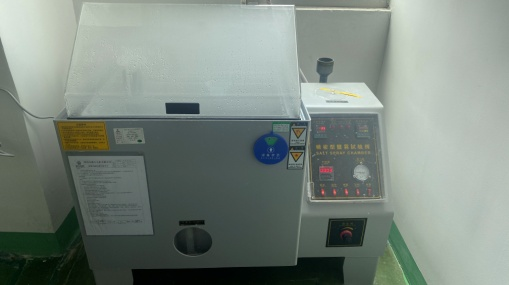
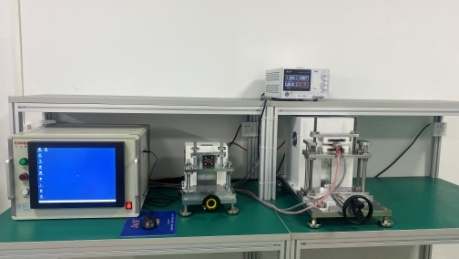
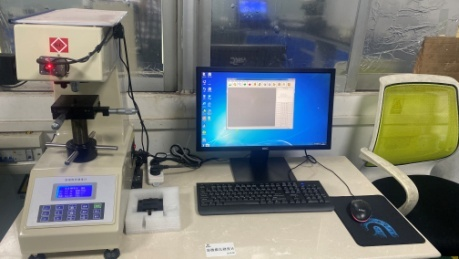
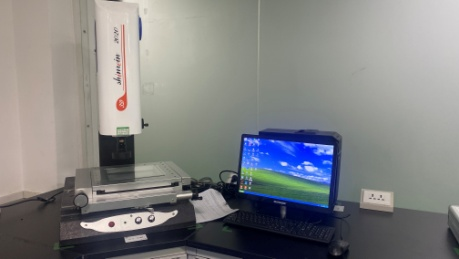
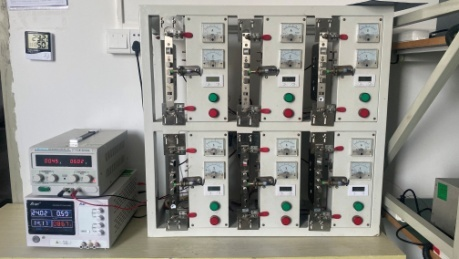
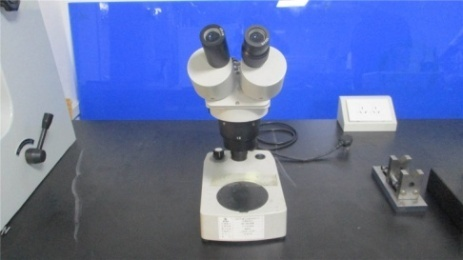
We reject compromised tolerances. Our high-tech inspection lab operates around the clock, implementing salt spray testing, coordinate metrology, dynamic testing, and micro-analysis.
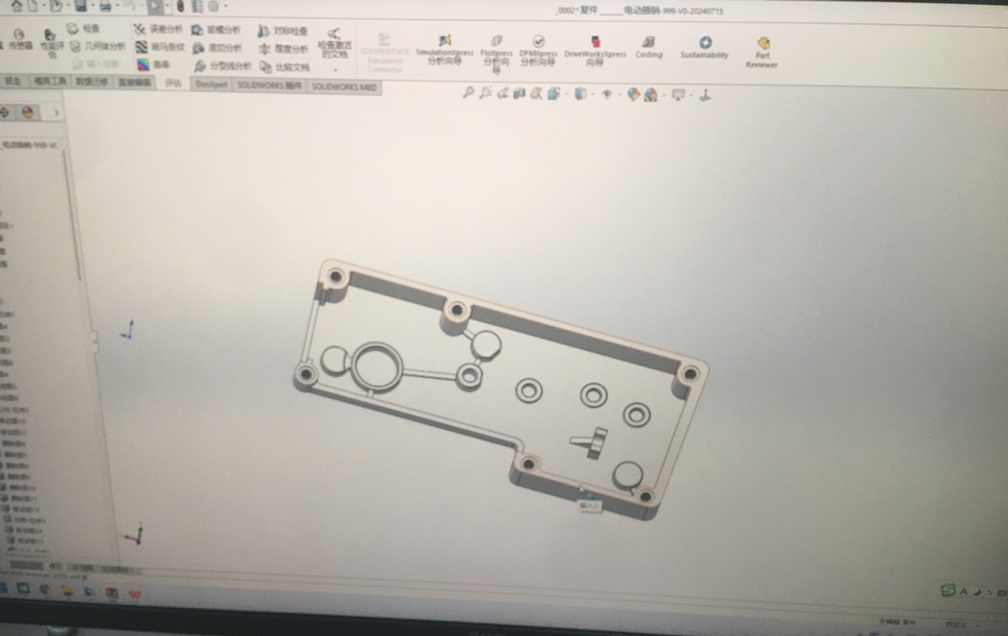
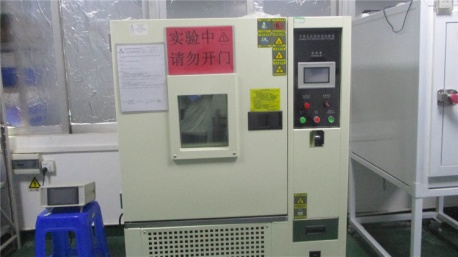
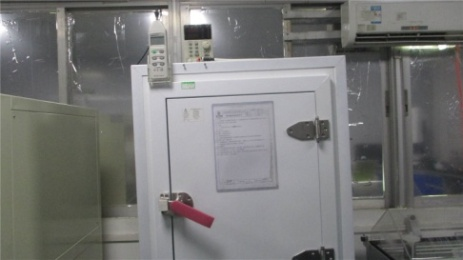
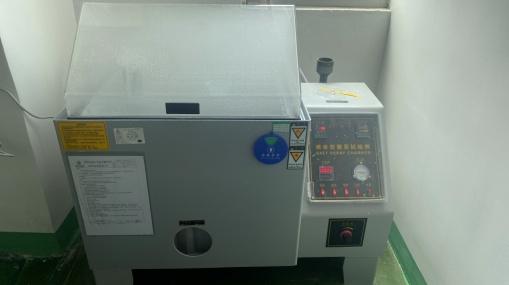
In the highly competitive landscape of industrial automation, medical robotics, and smart home appliances, motion control systems play a critical role. When sourcing stepper motors, brushless DC (BLDC) motors, or planetary gearmotors, global procurement teams often face a dilemma: pay premium prices for domestic brands or risk quality variance from non-vetted suppliers. Working directly with specialized Chinese manufacturers like Goaxis Pro offers a path that delivers both cost efficiency and technical quality.
National Electrical Manufacturers Association (NEMA) standards define mounting dimensions, shaft diameters, and frame sizes for motors globally. While standard industrial NEMA motors are typically associated with large fractional and integral horsepower units, the micro-motion market relies on small NEMA frame dimensions (such as NEMA 8, 11, 14, 17, 23, and 24) to ensure direct mechanical compatibility across standard platforms.
A true high-quality NEMA motor manufacturer must balance structural standardization with inside-the-housing customization. At Goaxis Pro, we utilize standardized mounting patterns while configuring windings, shaft details, internal gearings, and encoder integrations to match specific mechanical envelopes. This approach supports rapid integration and reliable performance across varying hardware layouts.
“The modern procurement team does not merely buy components; they acquire engineering alignment. Designing micro-motion drive systems requires deep understanding of electromagnetic flux dynamics, material fatigue coefficients, and thermal tolerances.”
The manufacturing ecosystem in regions like Shenzhen and Ningbo provides distinct advantages that go beyond low-cost labor. The structural advantages include:
While brushed DC motors remain relevant for low-duty-cycle, cost-sensitive projects, there is a clear shift toward BLDC systems. High-reliability applications, such as medical infusion pumps and robotic joints, benefit from the low friction, minimal electromagnetic interference (EMI), and long operating life of brushless designs. By integrating compact sensor plates and permanent magnet rotors, we manufacture 24V BLDC motors that achieve high rotational speeds with low thermal footprint.
Modern system architectures require real-time feedback. Standard open-loop steppers are being replaced by closed-loop stepper systems featuring miniature magnetic or optical encoders. This integration provides precise position tracking, prevents step loss under sudden load shifts, and reduces overall power draw. Our N20 and NEMA-series motors can be configured with built-in dual-channel Hall effect encoders, providing up to 48 counts per revolution (CPR) for precise position control.
Applications like advanced robotic exoskeletons and smart prosthetic joints demand maximum torque output within compact footprints. Through high-fill-factor winding techniques and high-permeability stator laminations, Goaxis Pro designs miniature planetary gearmotors (down to 10mm in diameter) that deliver up to 10Nm of torque, pushing the boundaries of power-to-weight ratios.
For engineering departments and procurement directors, evaluating a manufacturer involves analyzing their testing framework and production controls. To maintain a zero-defect supply chain, Goaxis Pro applies a structured testing protocol to all production runs:
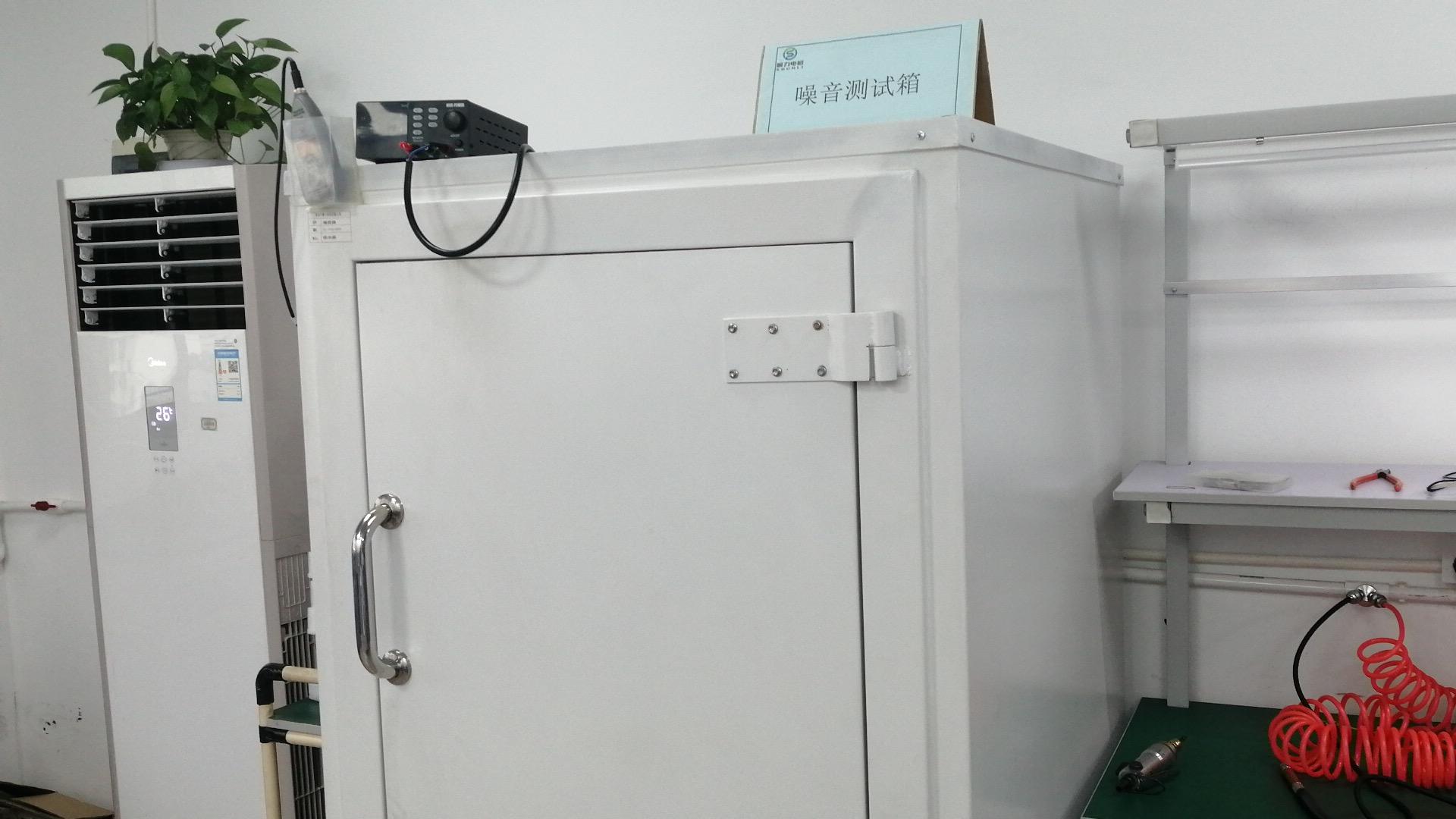
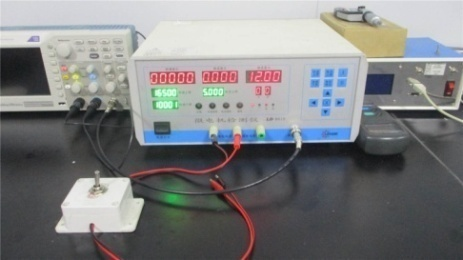
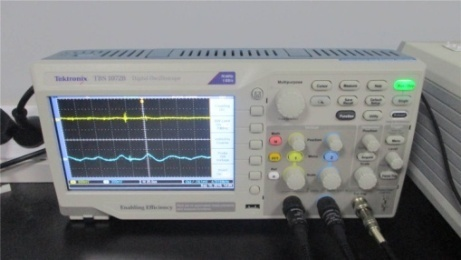
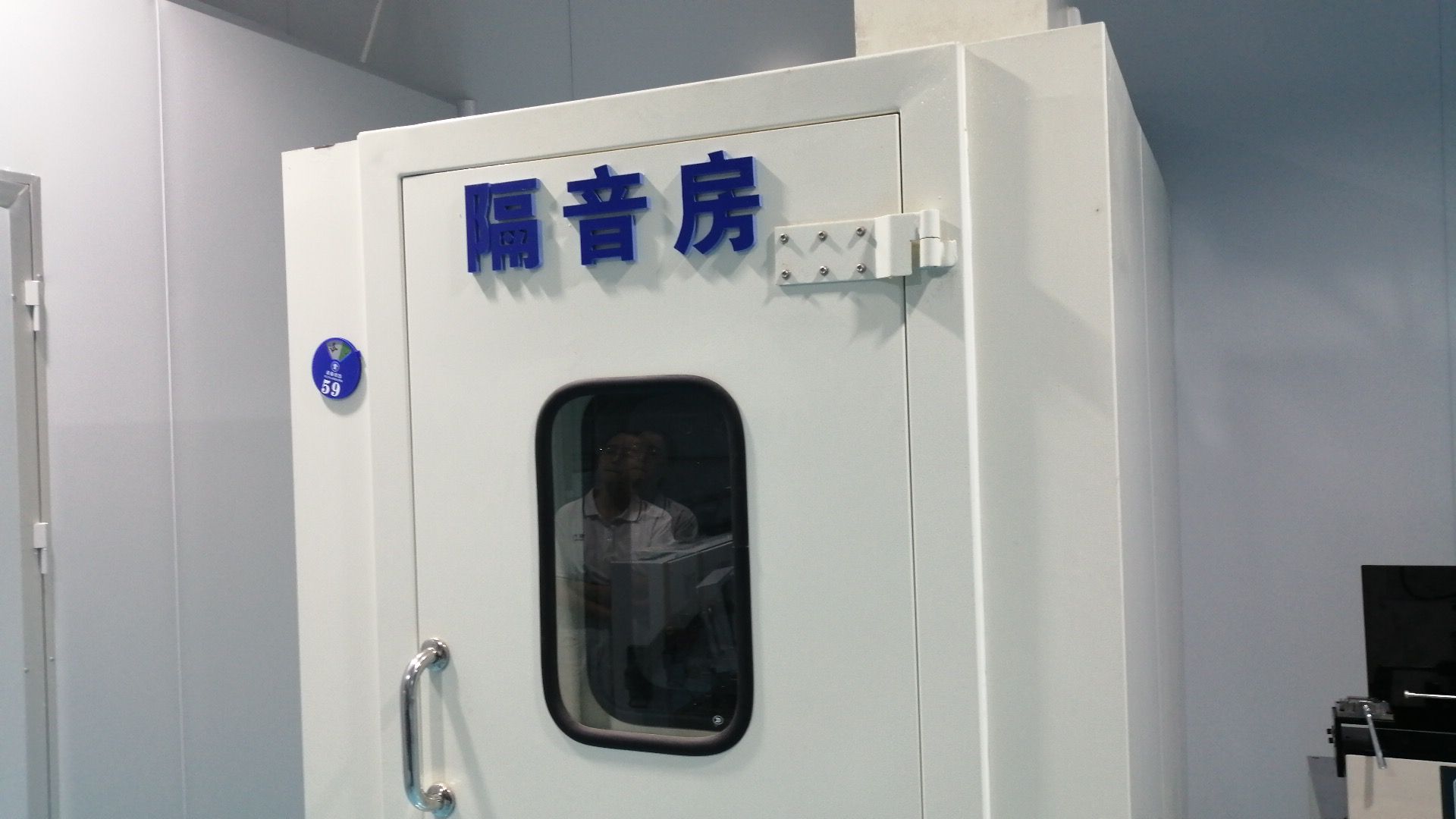
Our quality verification processes cover every stage from raw material intake to final dispatch. We utilize a range of testing systems, including digital oscilloscopes, coordinate measuring machines (CMM), and noise isolation chambers, to ensure performance parameters align with engineering drawings.
Through statistical process control (SPC) and real-time monitoring of machining tolerances on our Ningjiang lathes and CNC mills, we maintain consistent output across production batches.
Spectrographic analysis of raw metal, hardness testing of shafts, and magnet grade verification.
Automated visual inspection of armature windings and runout testing of gear trains.
100% acoustic testing, electrical dielectric insulation testing, and dynamic load testing.
Our micro drives and NEMA motors are deployed across key industrial sectors:
Detailed answers to critical engineering, manufacturing, and procurement inquiries regarding NEMA and micro-motion systems.
NEMA motors conform to standardized mounting flanges, shaft centerlines, and bolt-hole circles defined by the National Electrical Manufacturers Association. Metric micro motors typically use international ISO or custom manufacturer drawings. NEMA standardization allows drop-in replacements across industrial equipment layouts without altering mounting brackets.
We manufacture our gears using high-precision horizontal gear hobbing machinery and slow-feeding wire-cut machines (EDM). We test gear hardness with specialized testers to ensure wear resistance, and we verify gear meshes using video measuring instruments to minimize backlash and transmission error.
For high-torque, low-speed applications, we recommend integrating a high-speed brushed or brushless DC motor with a multi-stage planetary or worm gearbox. This combination provides high torque density within a compact volume while reducing overall current draw.
We utilize high-grade magnets with high thermal ratings (such as NdFeB SH, UH, or EH series). Our climatic chambers test motor characteristics under load at elevated temperatures to verify magnetic stability and insulation performance.
Yes. We regularly customize shafts to client drawings. Options include D-cuts, keyways, cross-drilled holes, external threading, and materials like SUS303, SUS304, or hardened carbon steel to meet mechanical load requirements.
Standard sample modifications (shaft adjustments or cabling) are typically completed within 7 to 10 business days. Custom electromagnetic or gearbox designs generally require 3 to 4 weeks, including drafting, machining, assembly, and laboratory testing.
We test motors in anechoic chambers to measure noise output across different frequency ranges. We minimize noise by using high-precision dynamic rotor balancing, skewed stator designs, custom gear tooth profiles, and specialized lubricants.
Yes, our entire materials supply chain and manufacturing processes comply with RoHS 3.0 and REACH directives. We conduct regular material audits to ensure compliance for international markets.
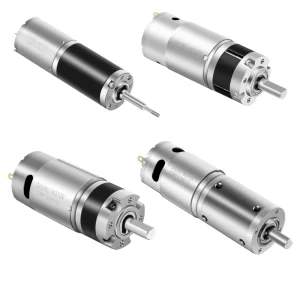
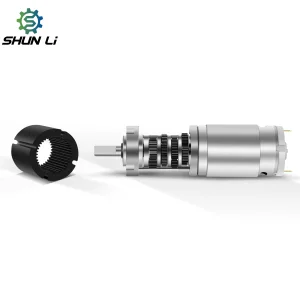
High-torque planetary reducers, worm-geared micro systems, and specialized vibration motors engineered for industrial and robotics applications.
 Goaxis Pro