High-torque efficiency, precision gearboxes, and customized electrical configurations for robust performance.
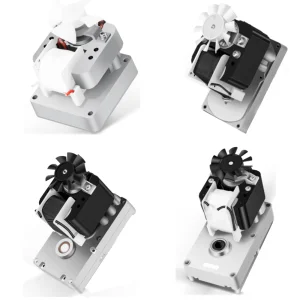
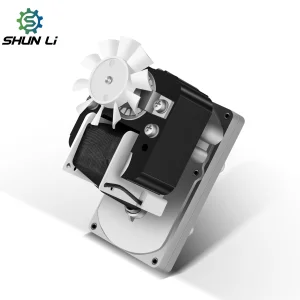
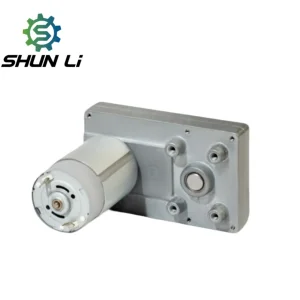
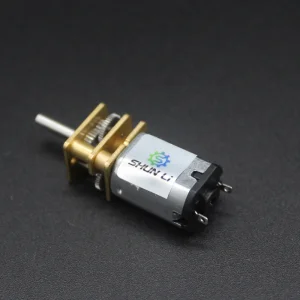
The transparent, direct-from-source precision micro drives manufacturer supporting global supply chains.
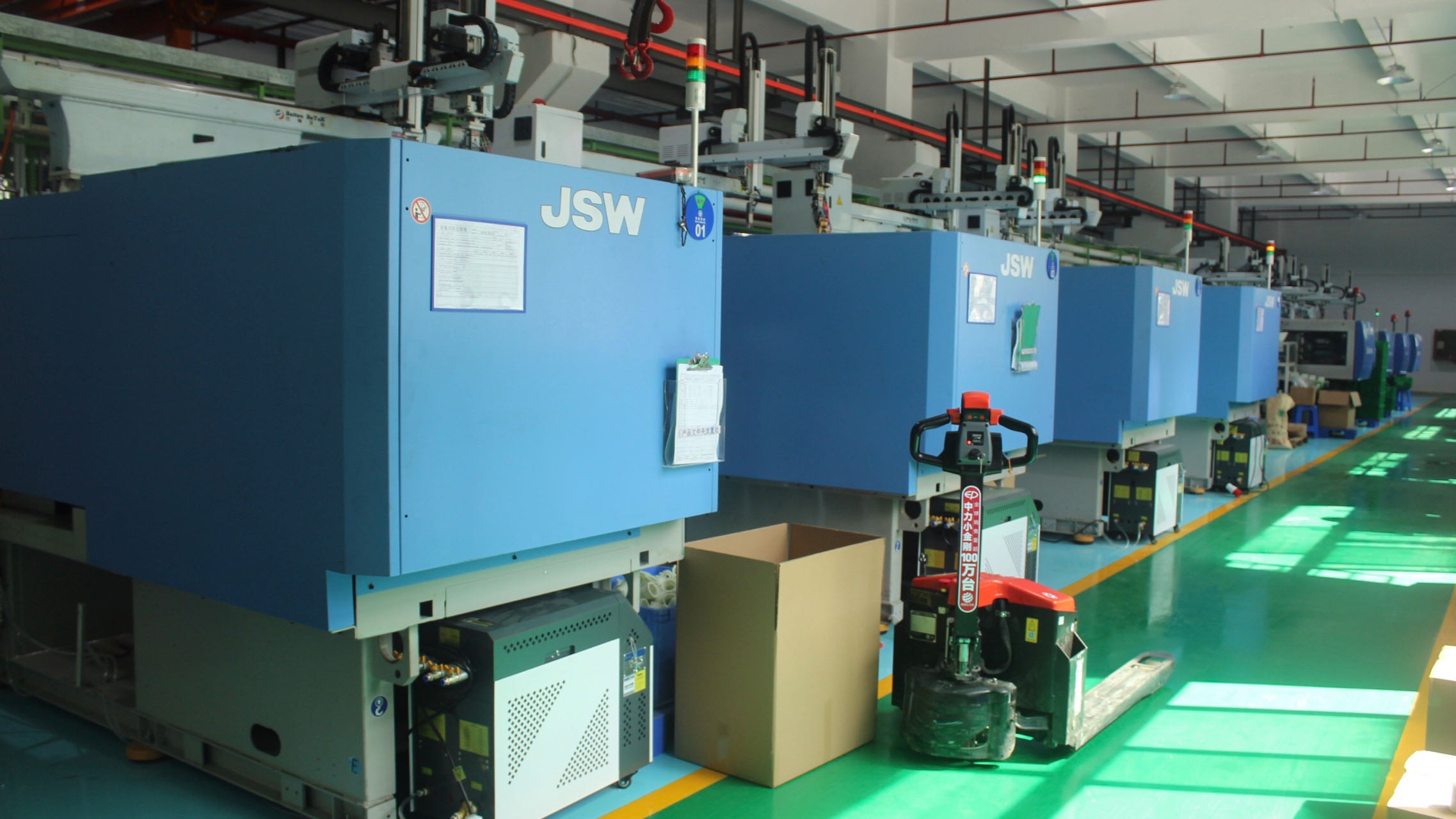
Eliminate middleman markups, communication barriers, and unpredictable batch fluctuations. We own the production lines, ensuring consistent tolerances and real-time responsiveness to design modifications.
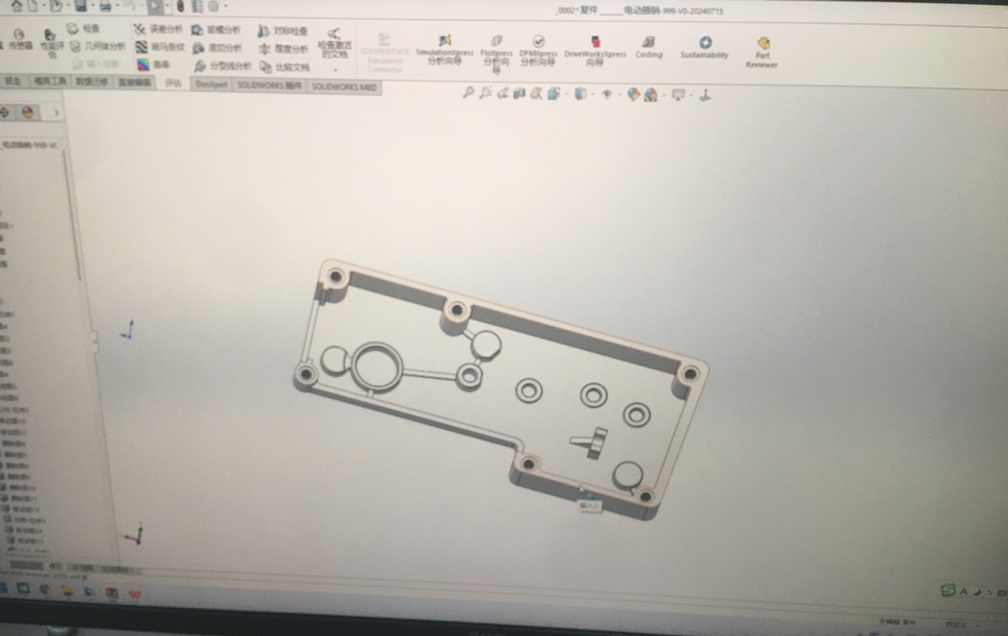
From custom shaft geometries, specialized helical/spur gear combinations, and integrated magnetic/optical encoders, our engineering lab adapts motors to your application requirements.
Our manufacturing framework matches high ISO standards, ensuring compliance with CE, RoHS, and REACH. Every batch is traceable down to the raw material lot.
In the era of Automation and Industrial Internet of Things (IIoT), precision miniature drive systems serve as the critical muscle of automated hardware. Modern industrial requirements have shifted drastically from basic rotating motors to highly intelligent, power-dense, integrated electromechanical systems. DC gear motors—combining a high-speed DC motor with an engineered reduction gearbox—provide the foundational answer to the torque-speed tradeoff in compact spaces.
The Smart Logistics and Warehouse Automation Boom: The global shift toward autonomous guided vehicles (AGVs), collaborative robots (Cobots), and automated mobile platforms (AMRs) has placed immense pressure on drive systems. These systems demand miniature gear motors that possess low backlash, high torsional stiffness, and outstanding shock-load resistance to navigate complex dynamic warehouse paths continuously.
Medical Device Reliability: In medical environments—ranging from peristaltic pumps to automated surgical tables and diagnostic machinery—motion control systems must demonstrate predictable lifecycle behaviors. The inclusion of high-quality brush and brushless motors with planetary gearboxes allows engineers to design medical actuators that deliver silent, vibration-free operation while meeting strict clinical guidelines.
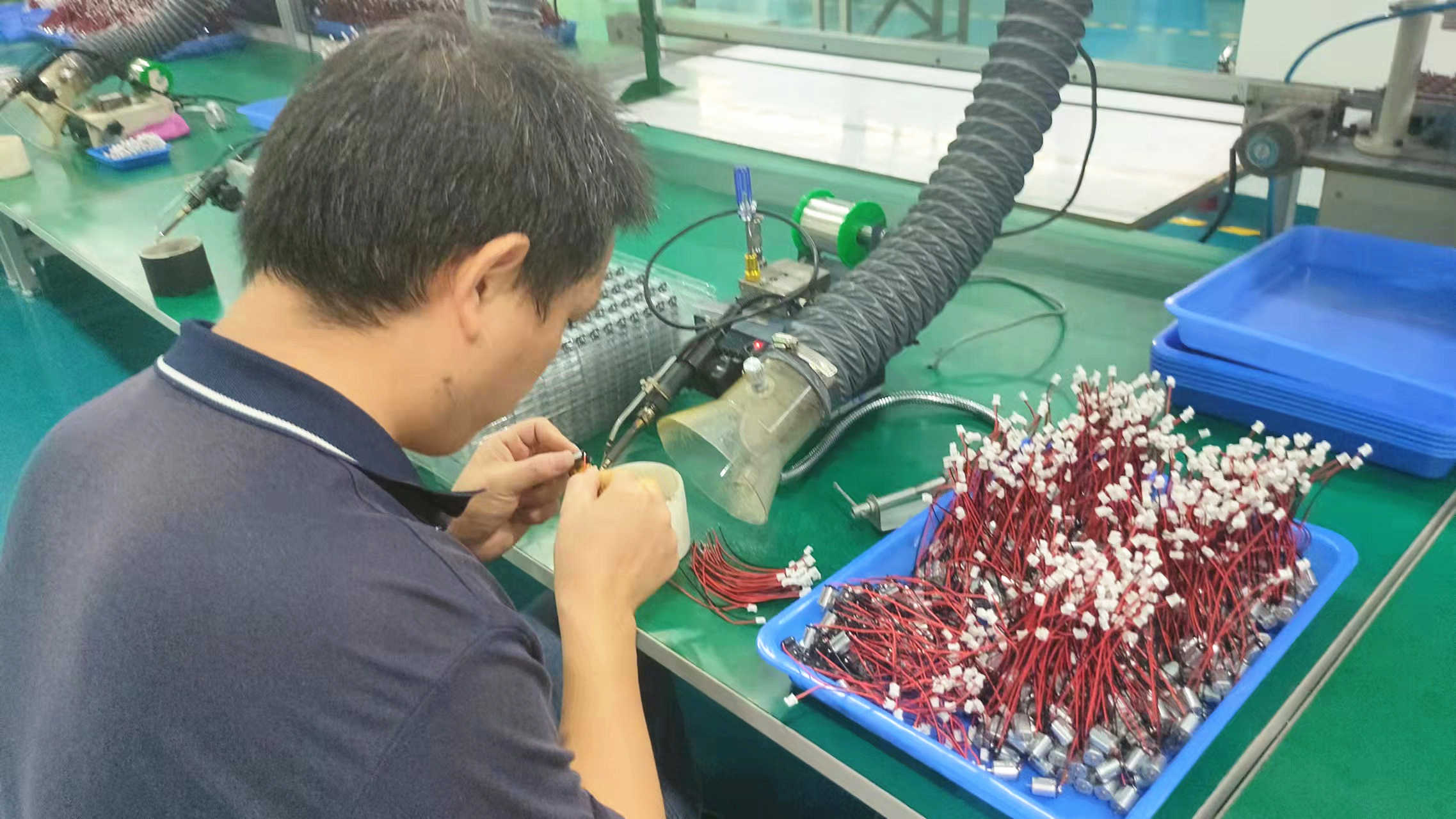
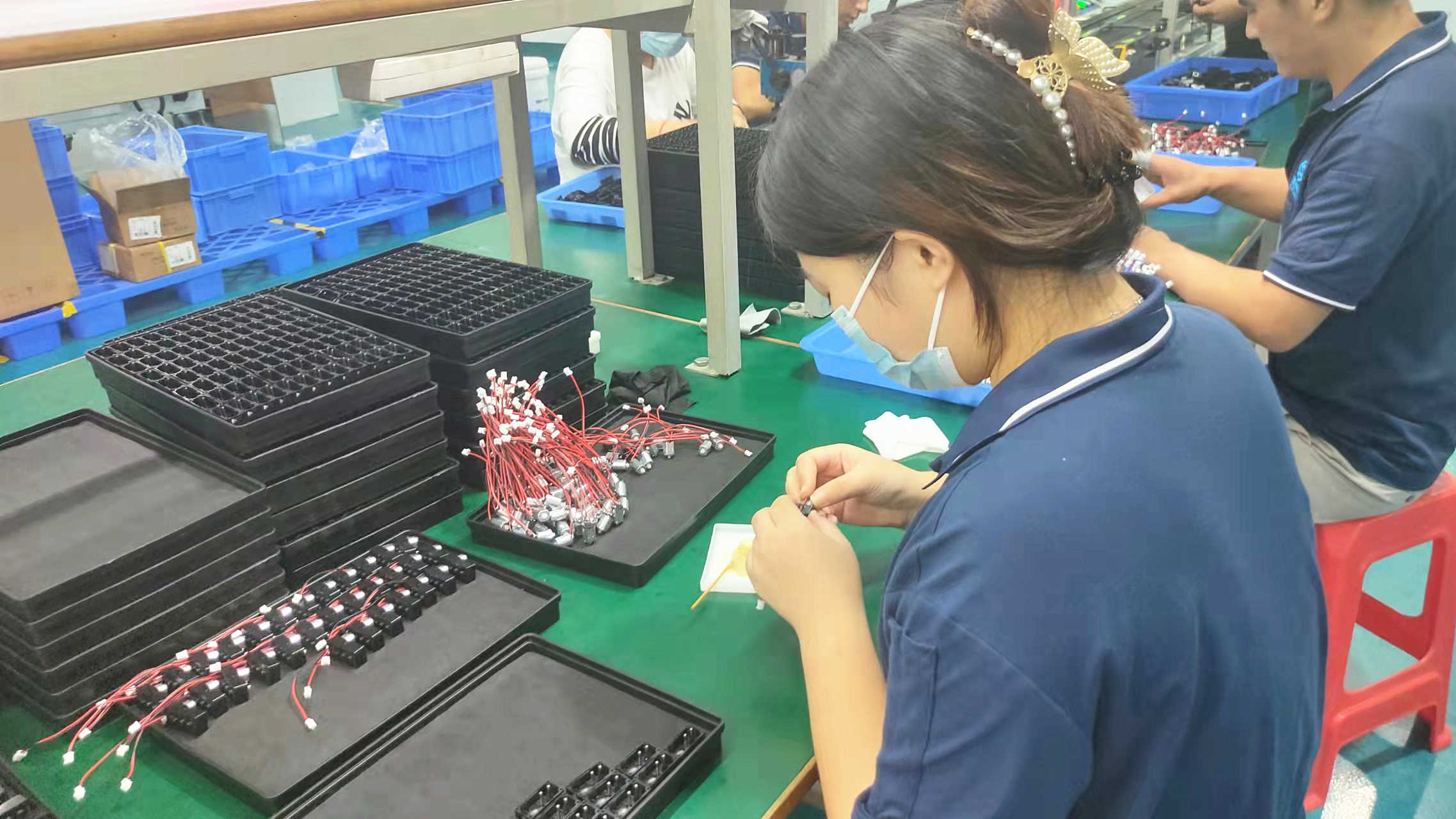
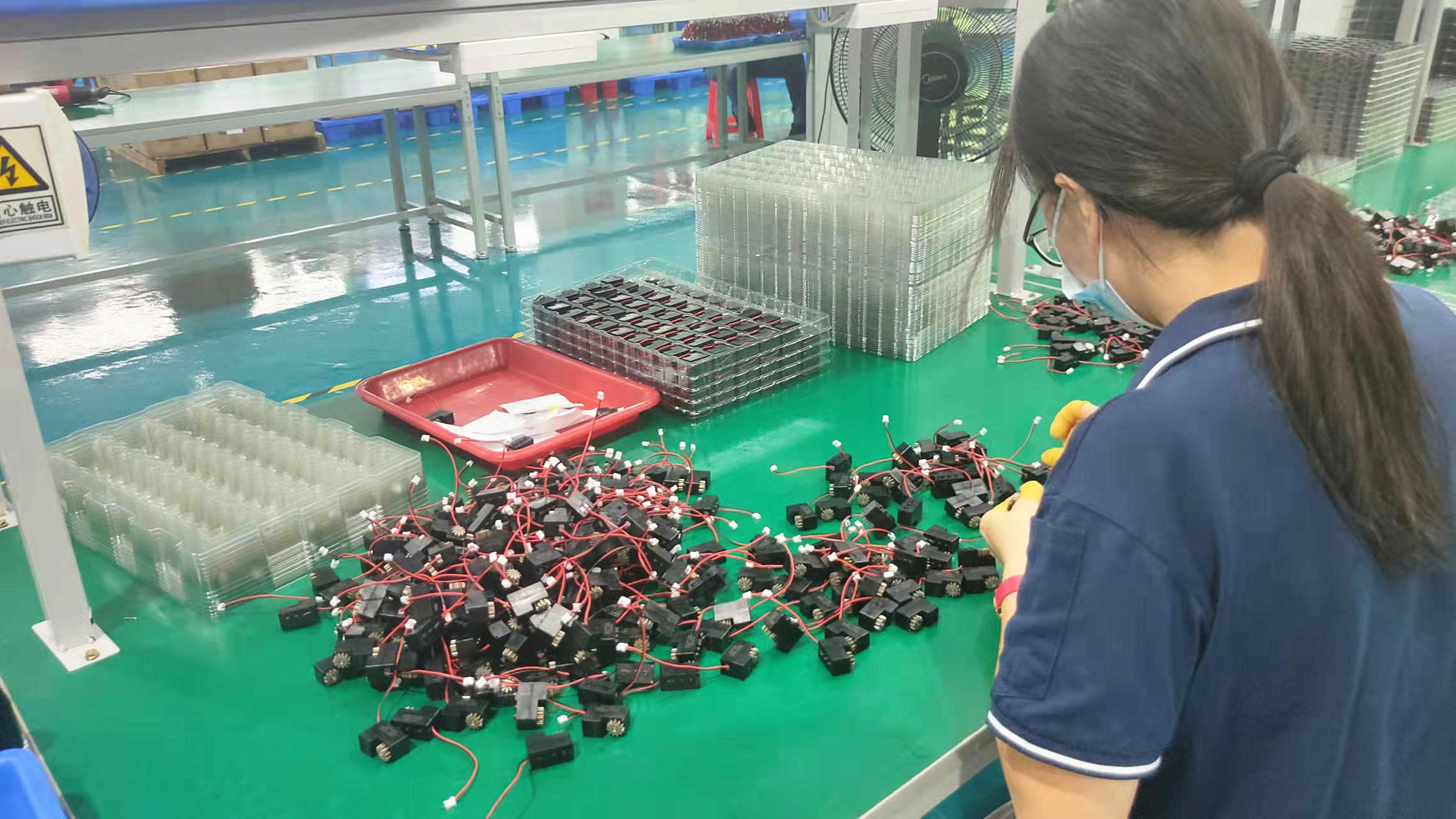
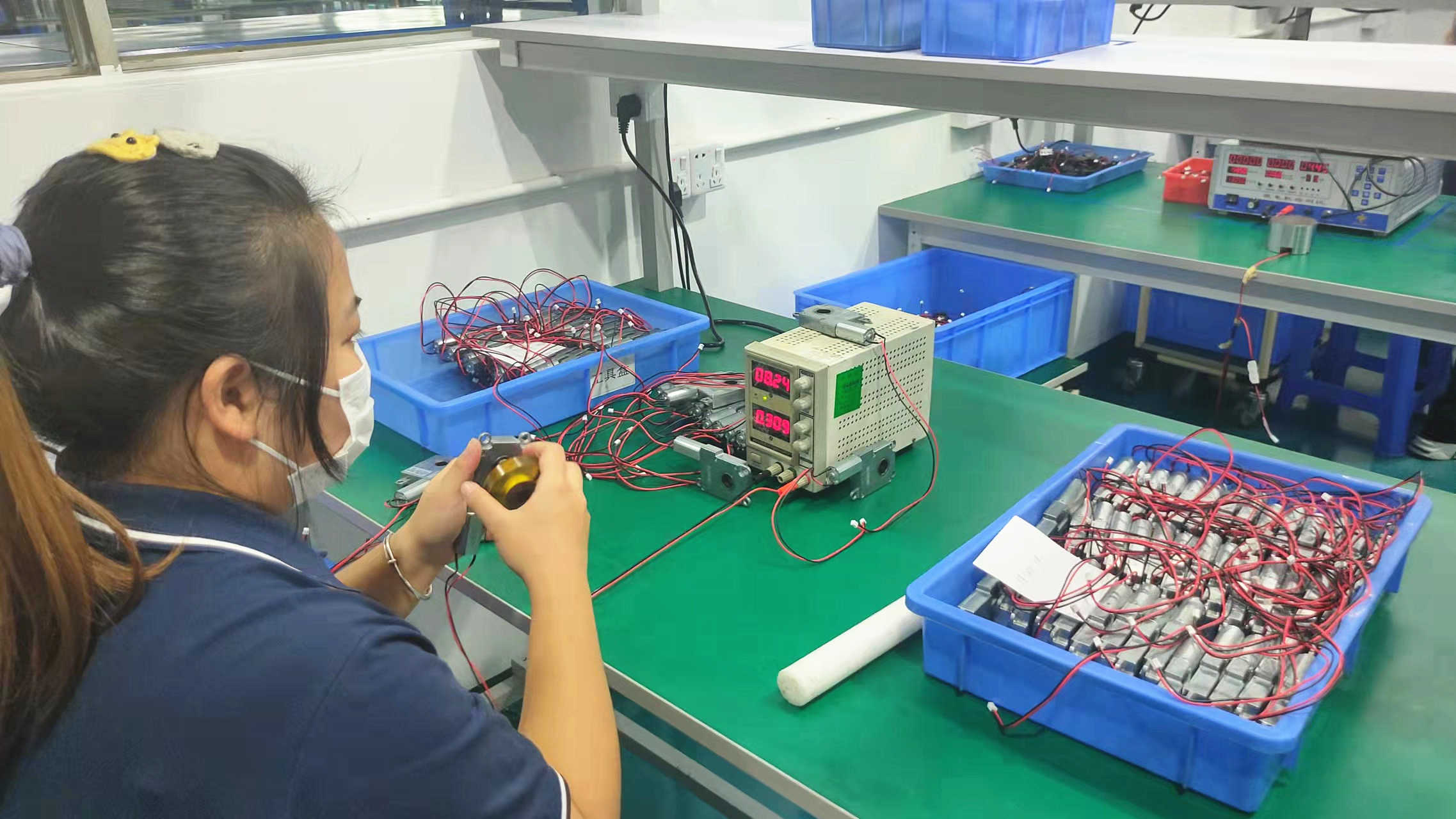
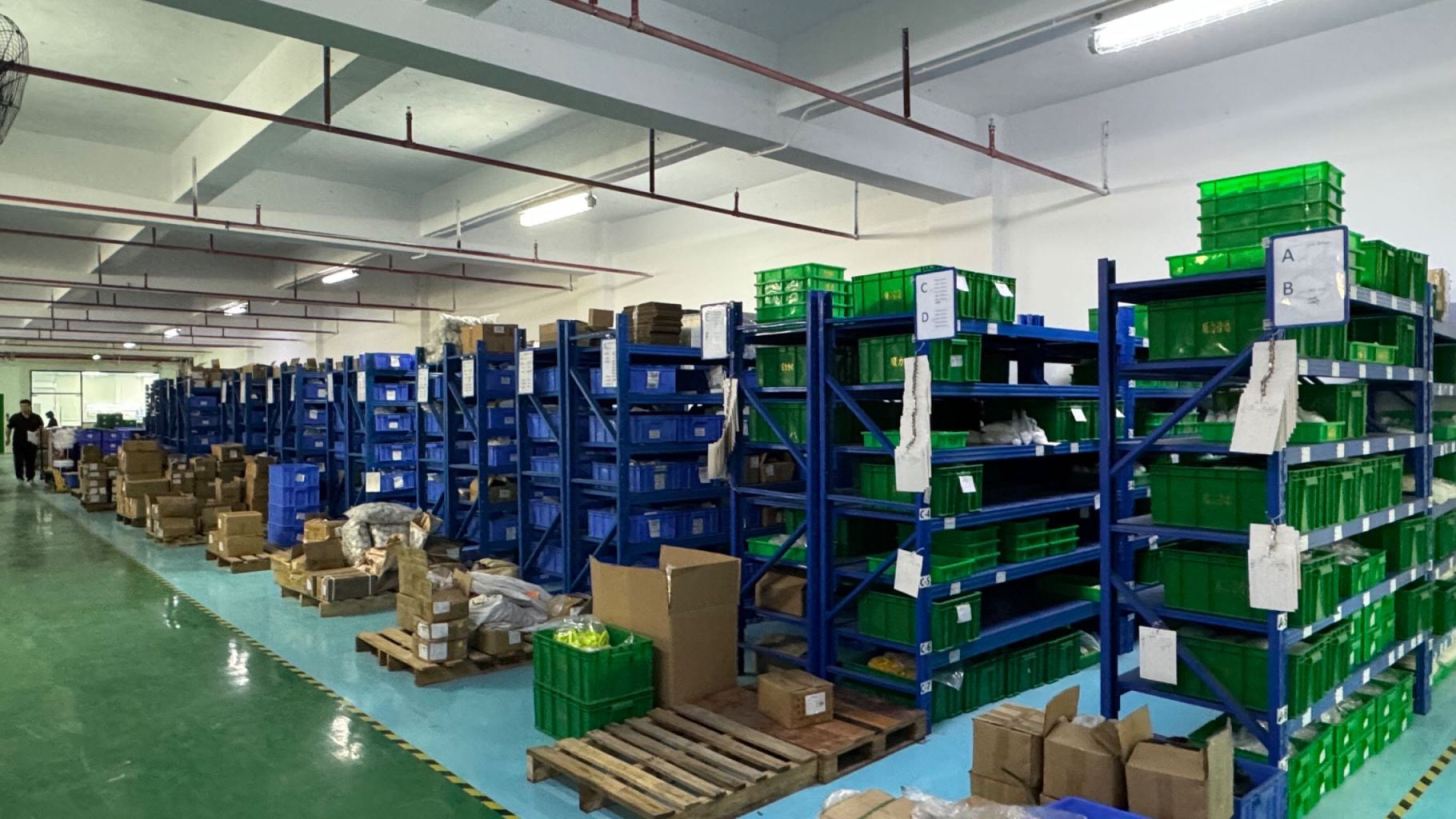
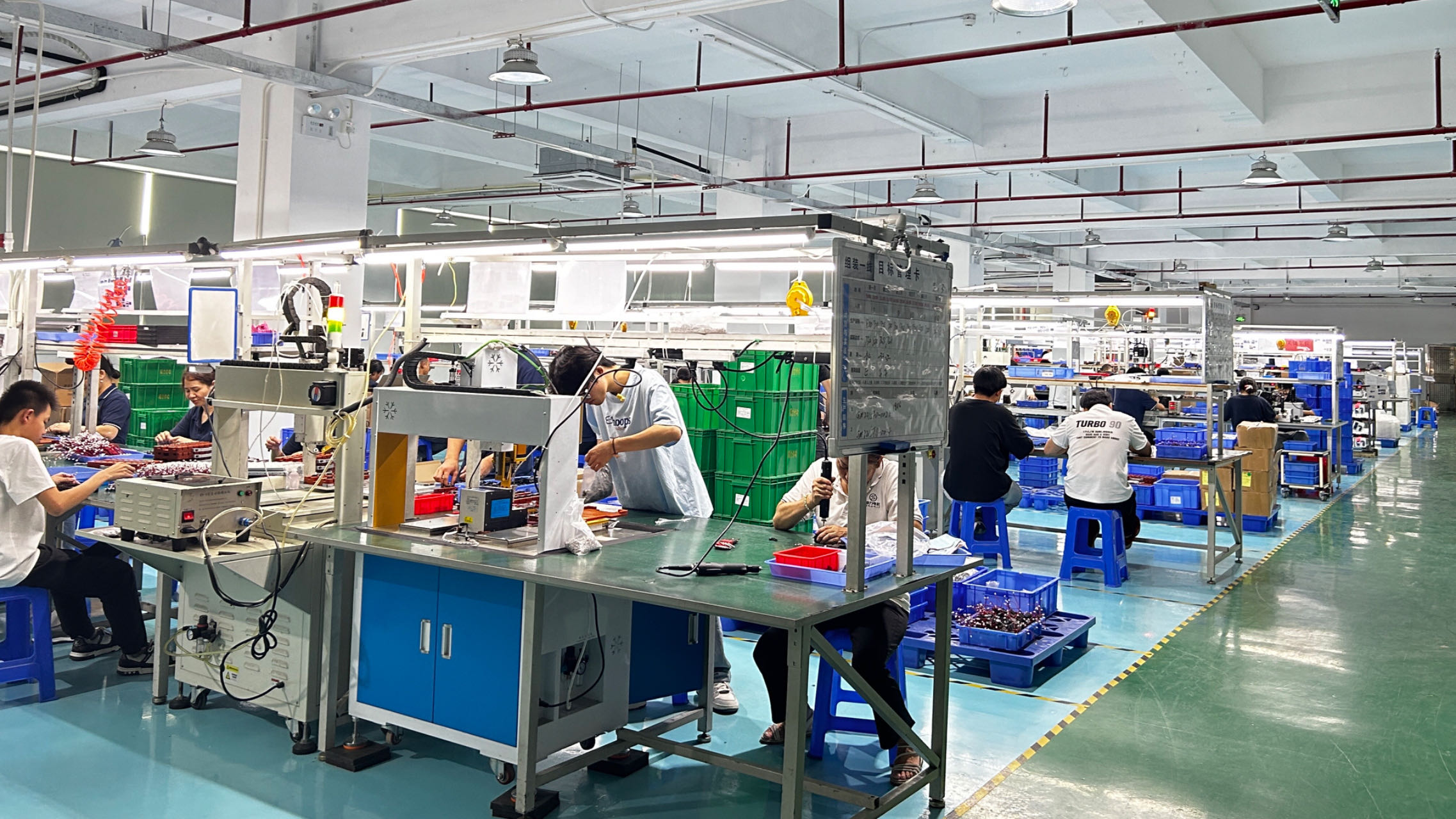
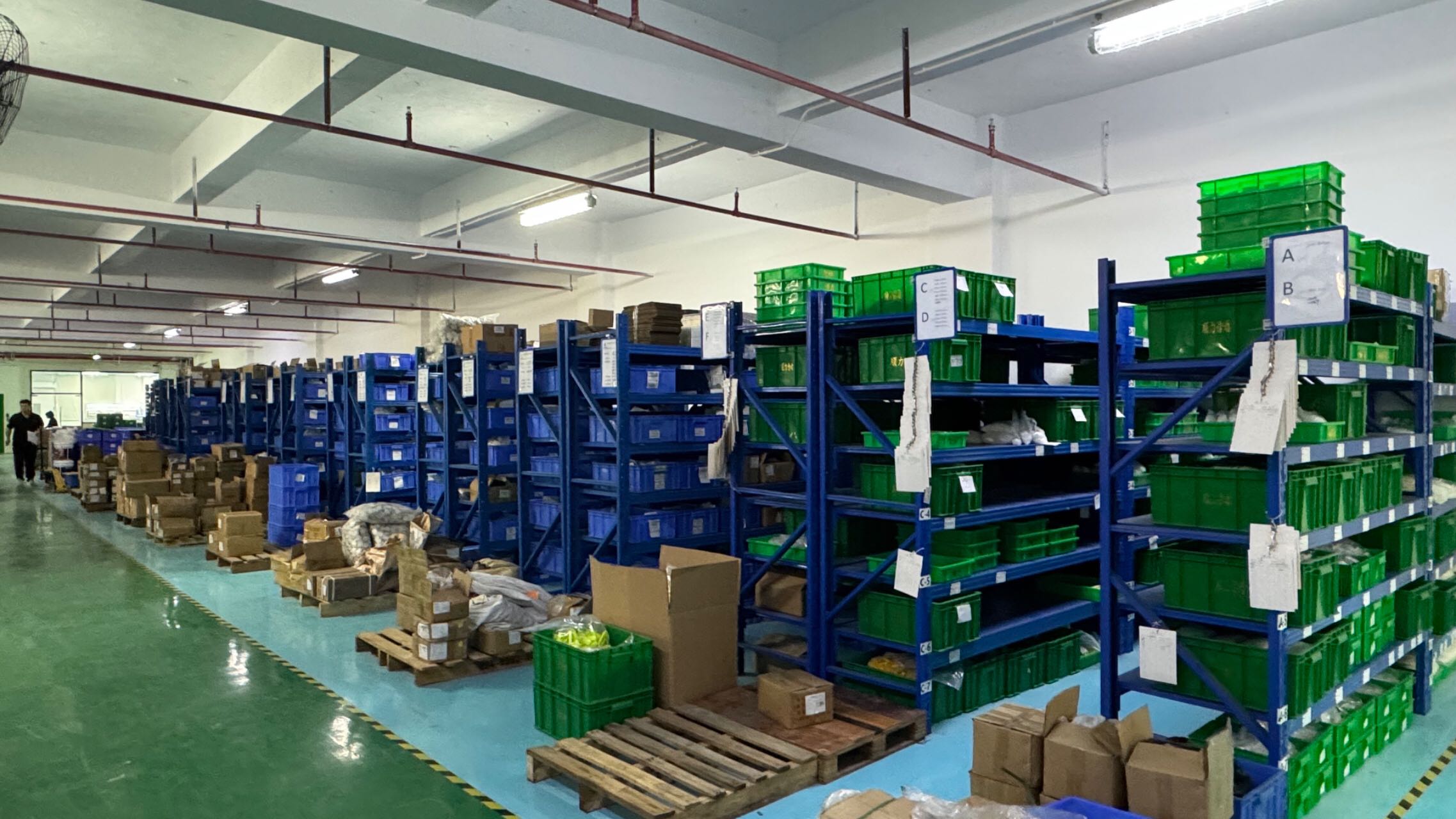
Transparent visual overview of our vertically integrated manufacturing pipeline.
Raw Material Inspection
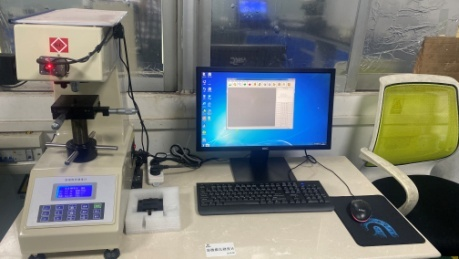
Metallurgical testing of gear steels and copper wire purity checks.
Winding & Soldering
Automated rotor winding and precise soldering for structural integrity.
Precision Assembly
Cleanroom assembly of planetary and worm gear reduction units.
100% Load Testing
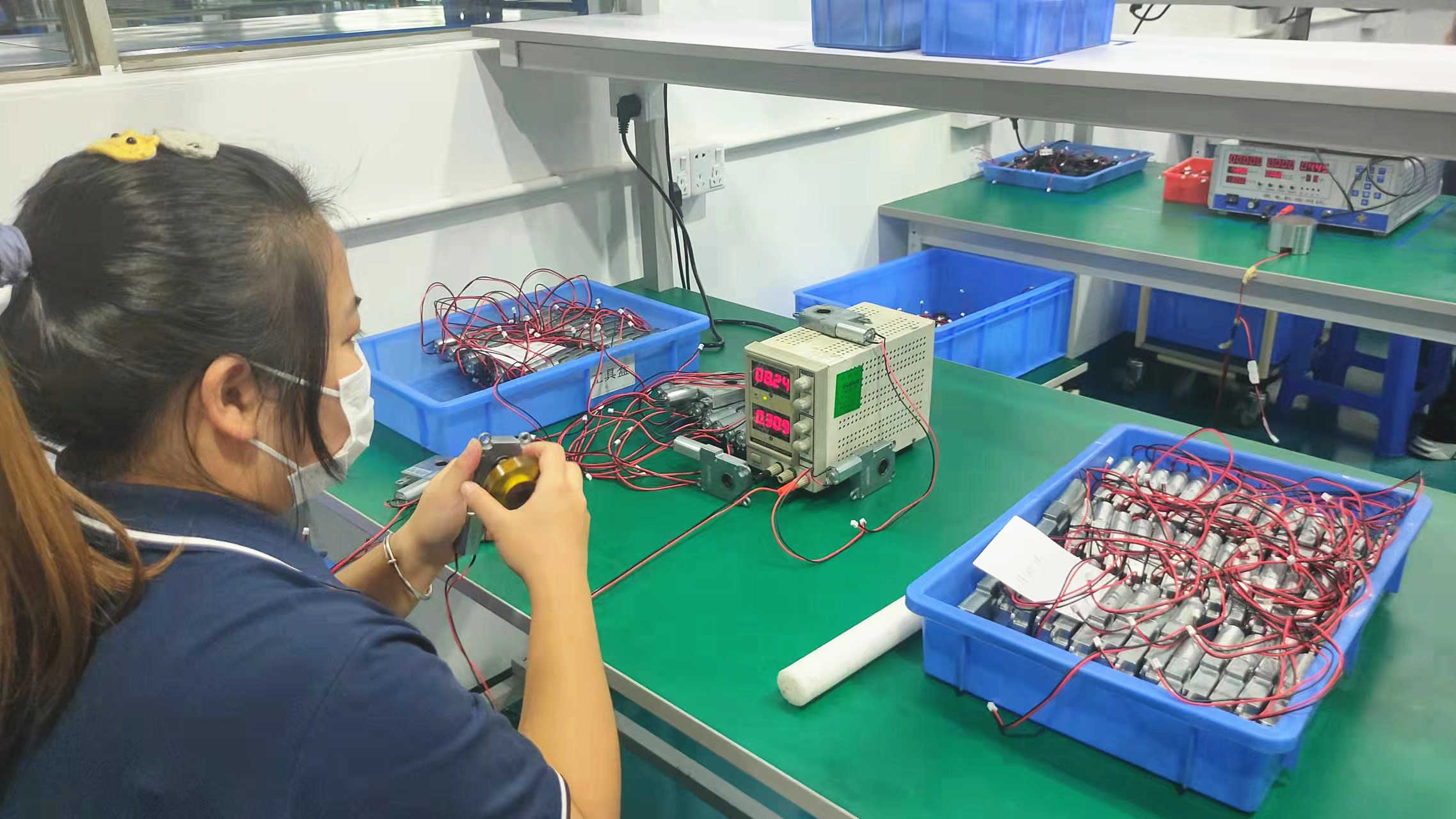
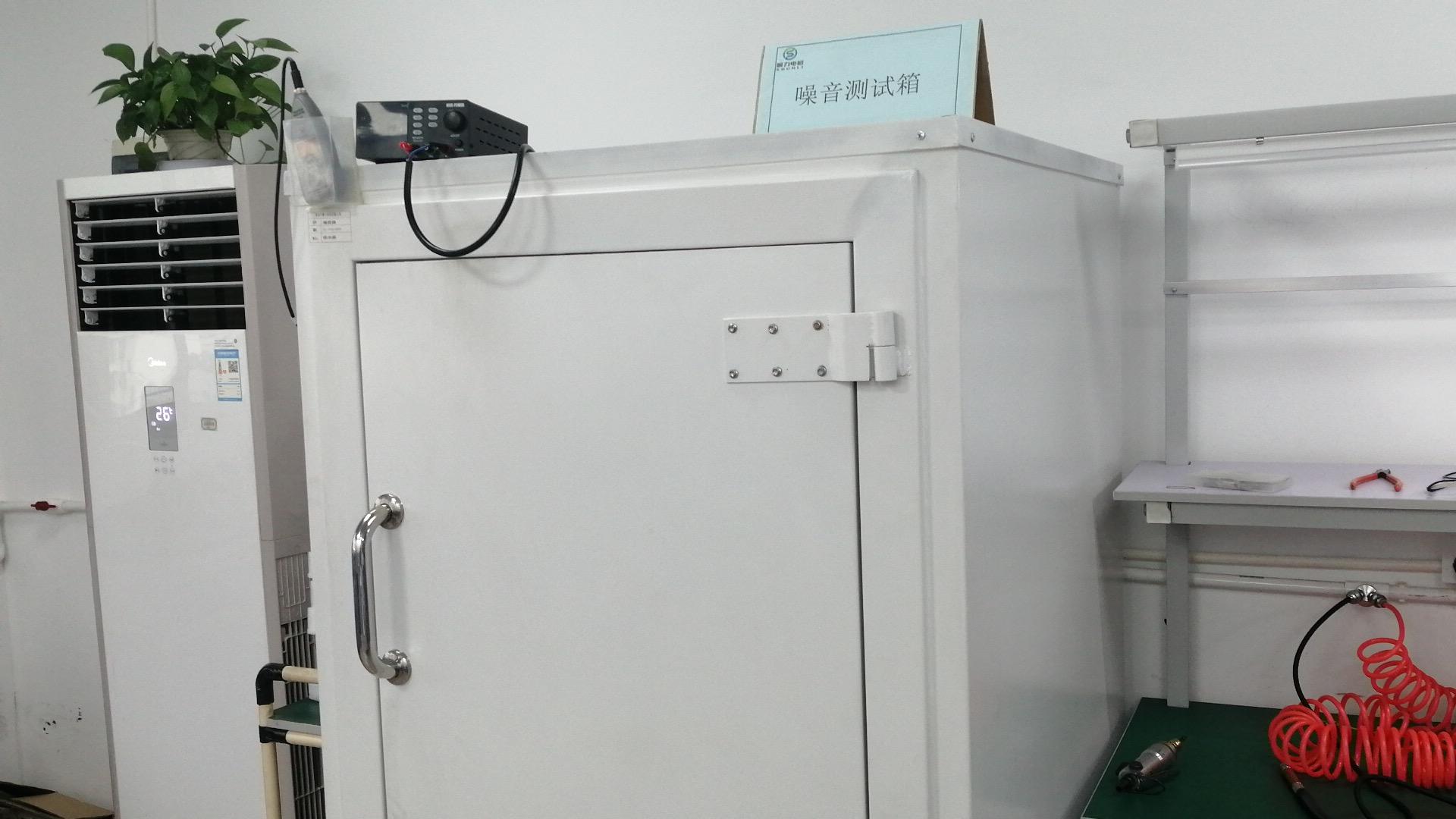
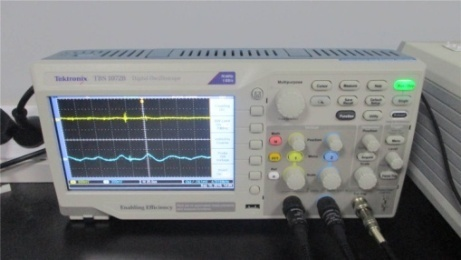
Acoustic verification and dynamic back-EMF efficiency matching.
Packing & Shipping
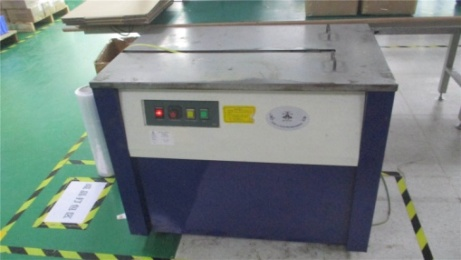
Eco-friendly moisture-barrier storage and global logistics staging.

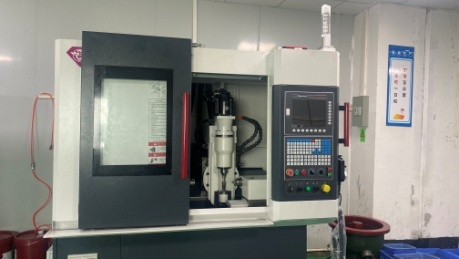
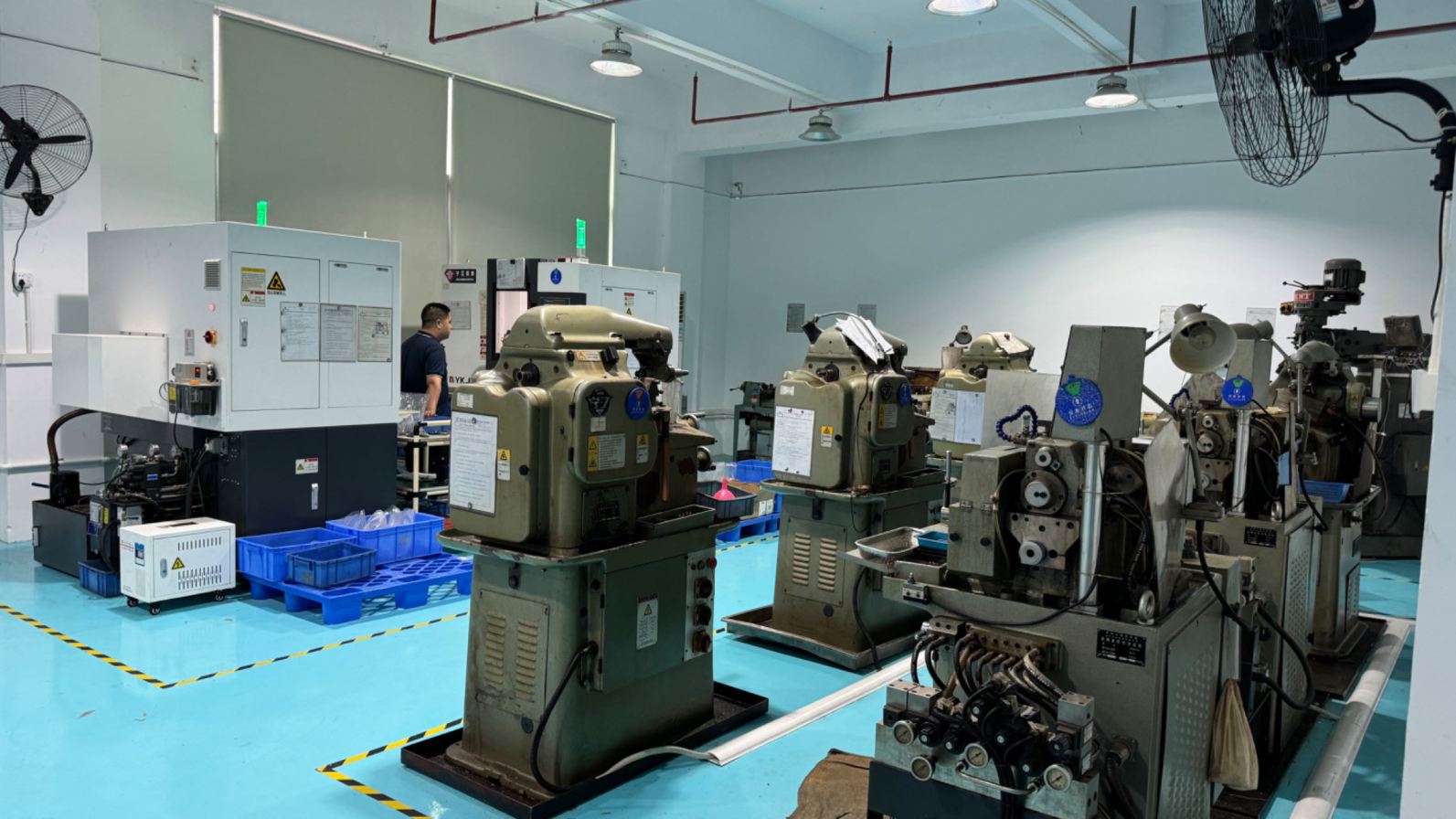
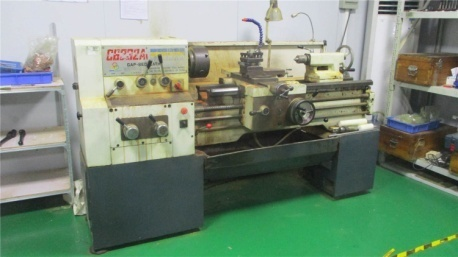
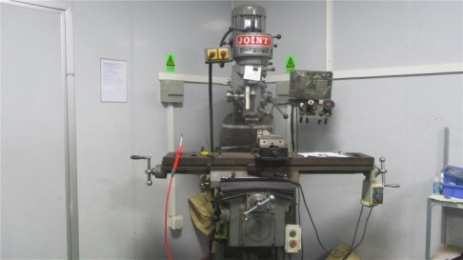
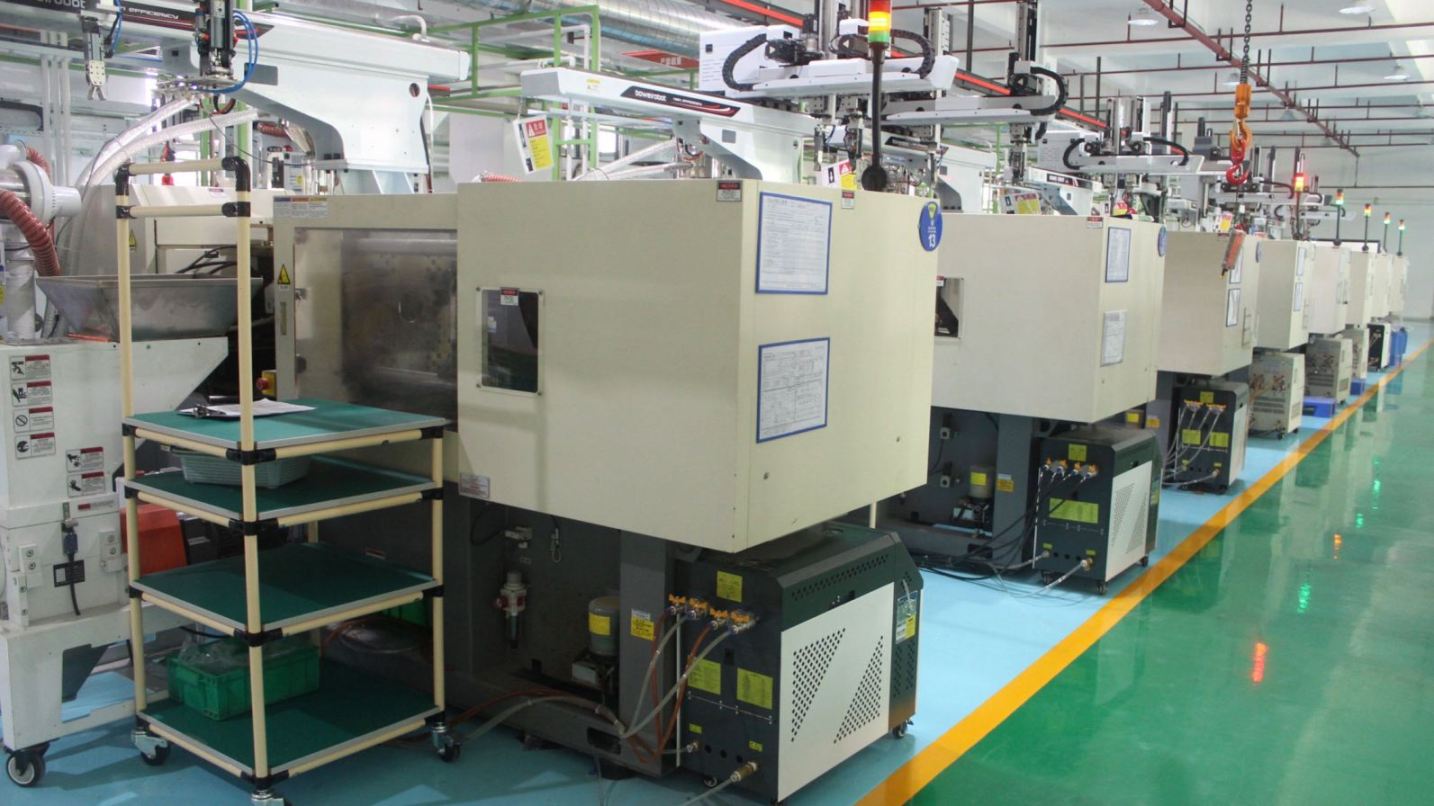
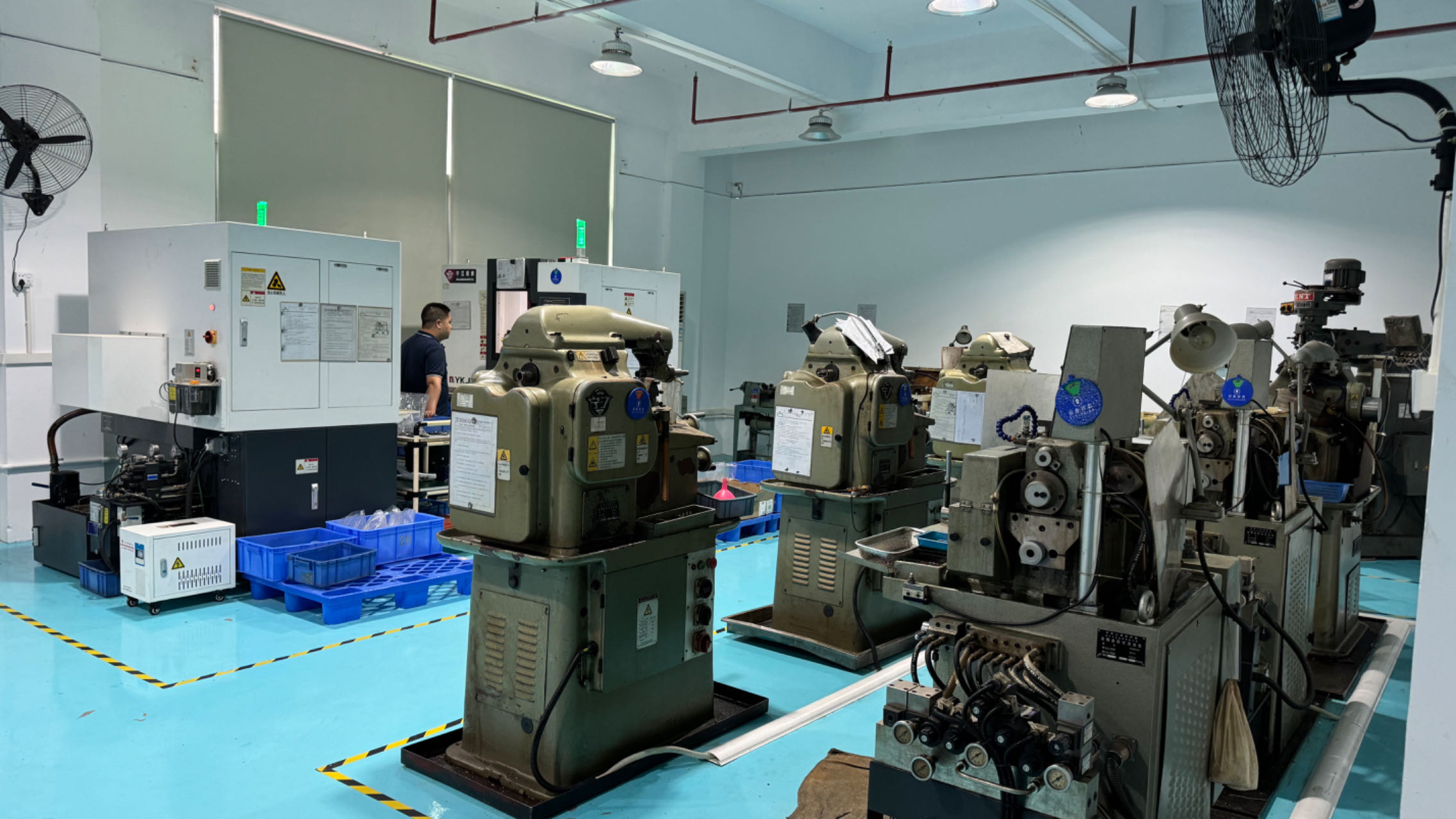
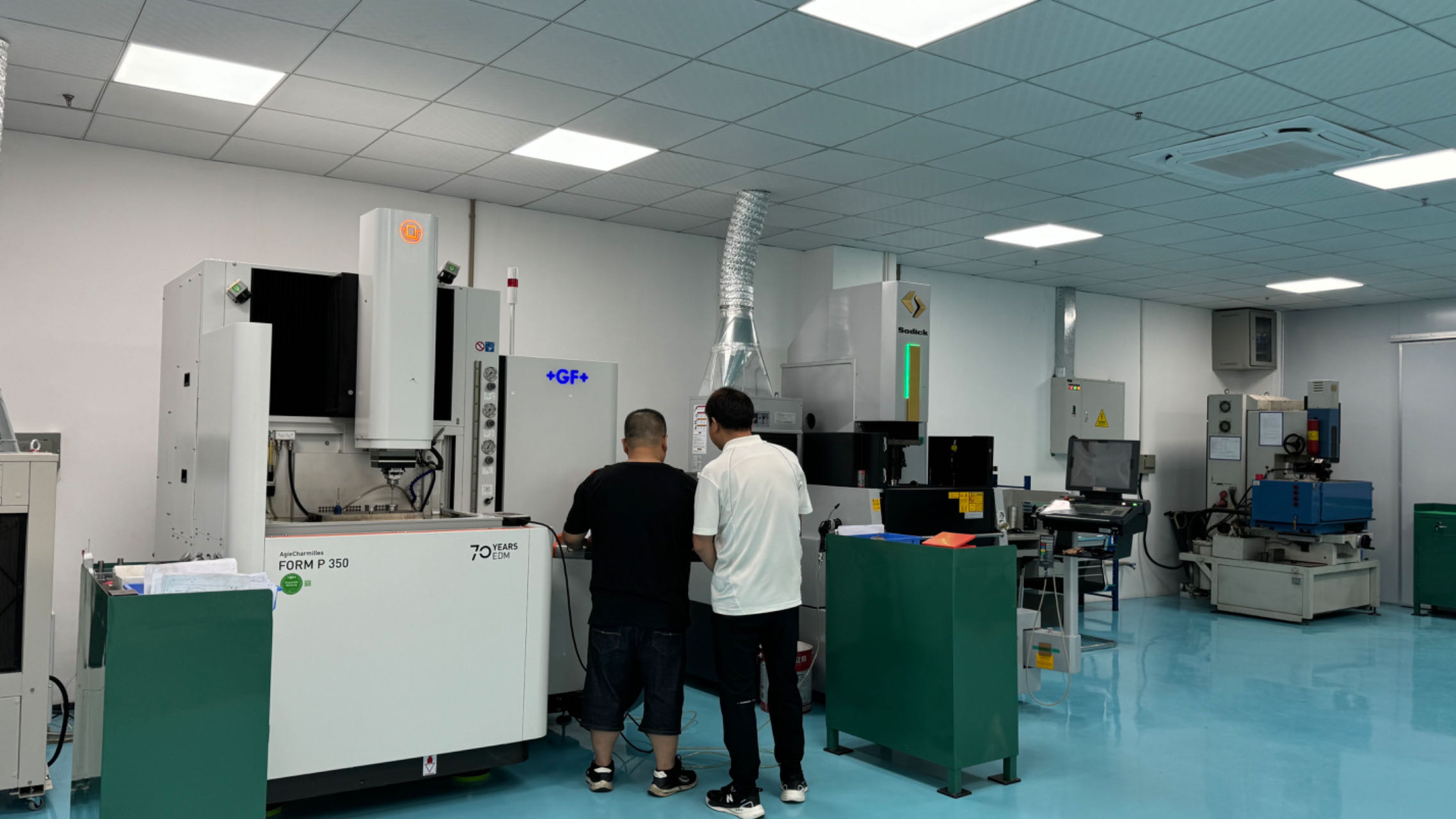
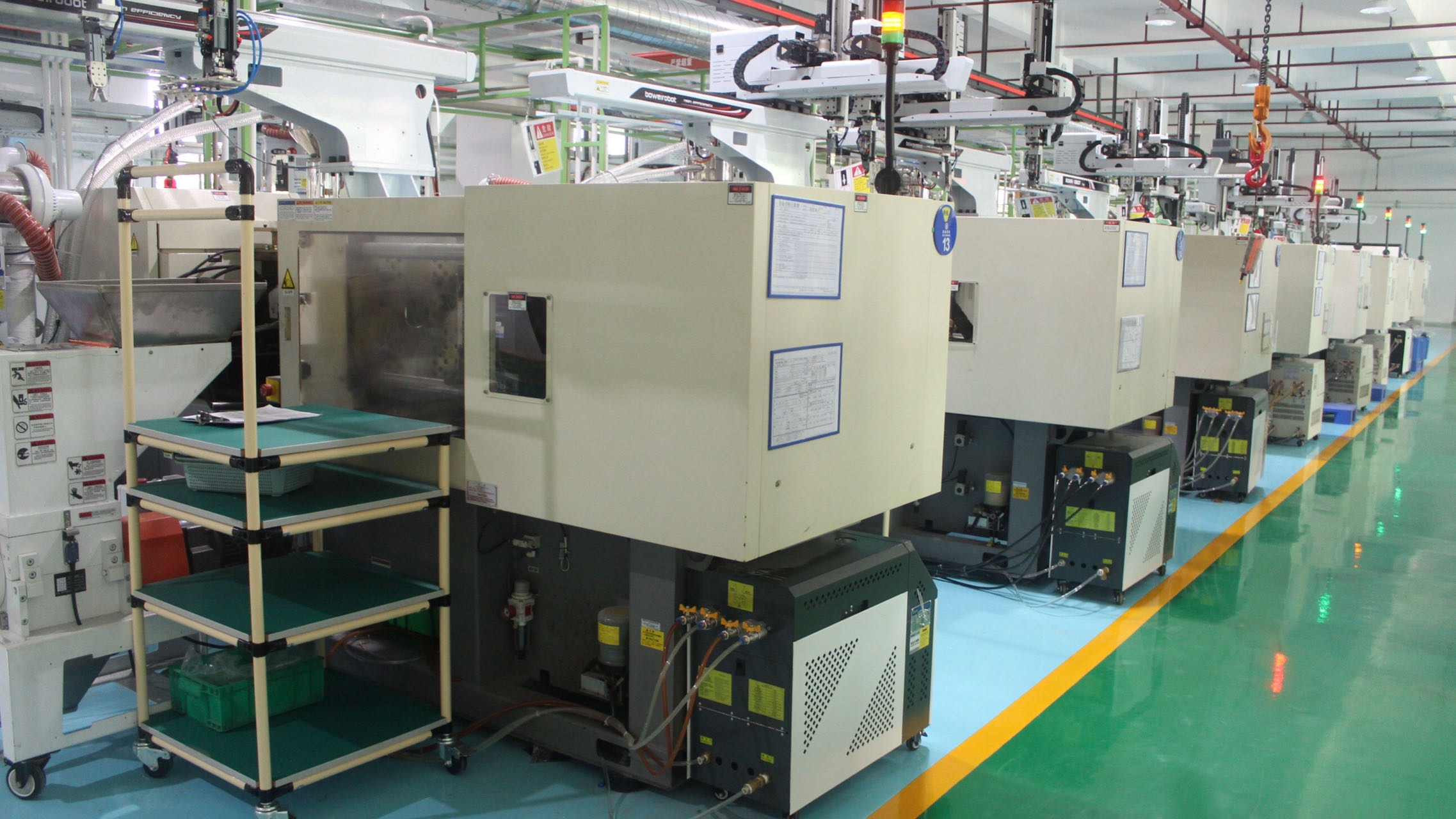
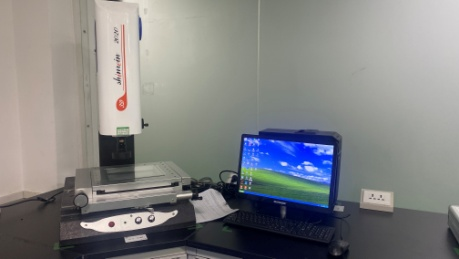
Ultra-precision Japanese and domestic machinery ensuring micron-level machining tolerances.
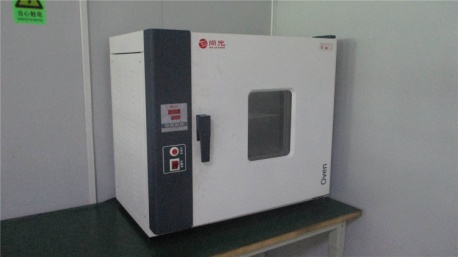
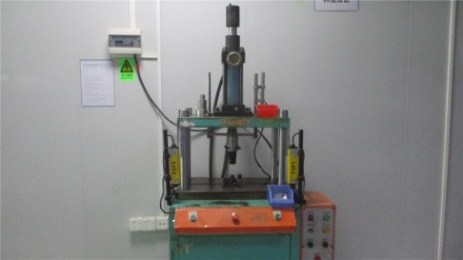
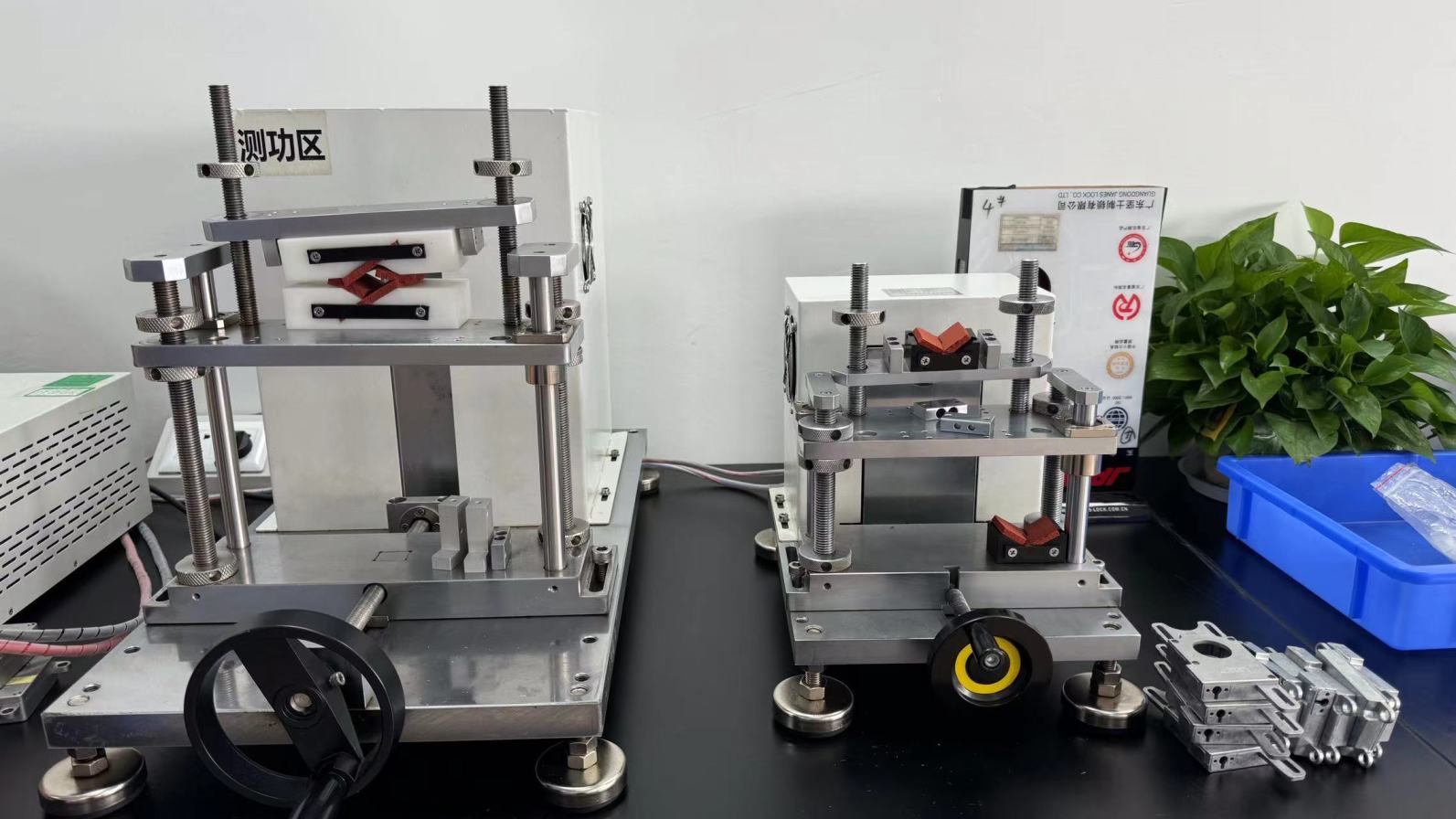
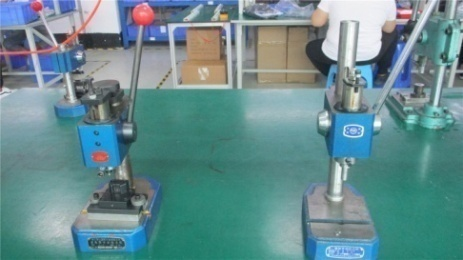
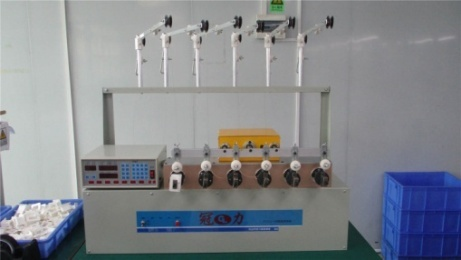
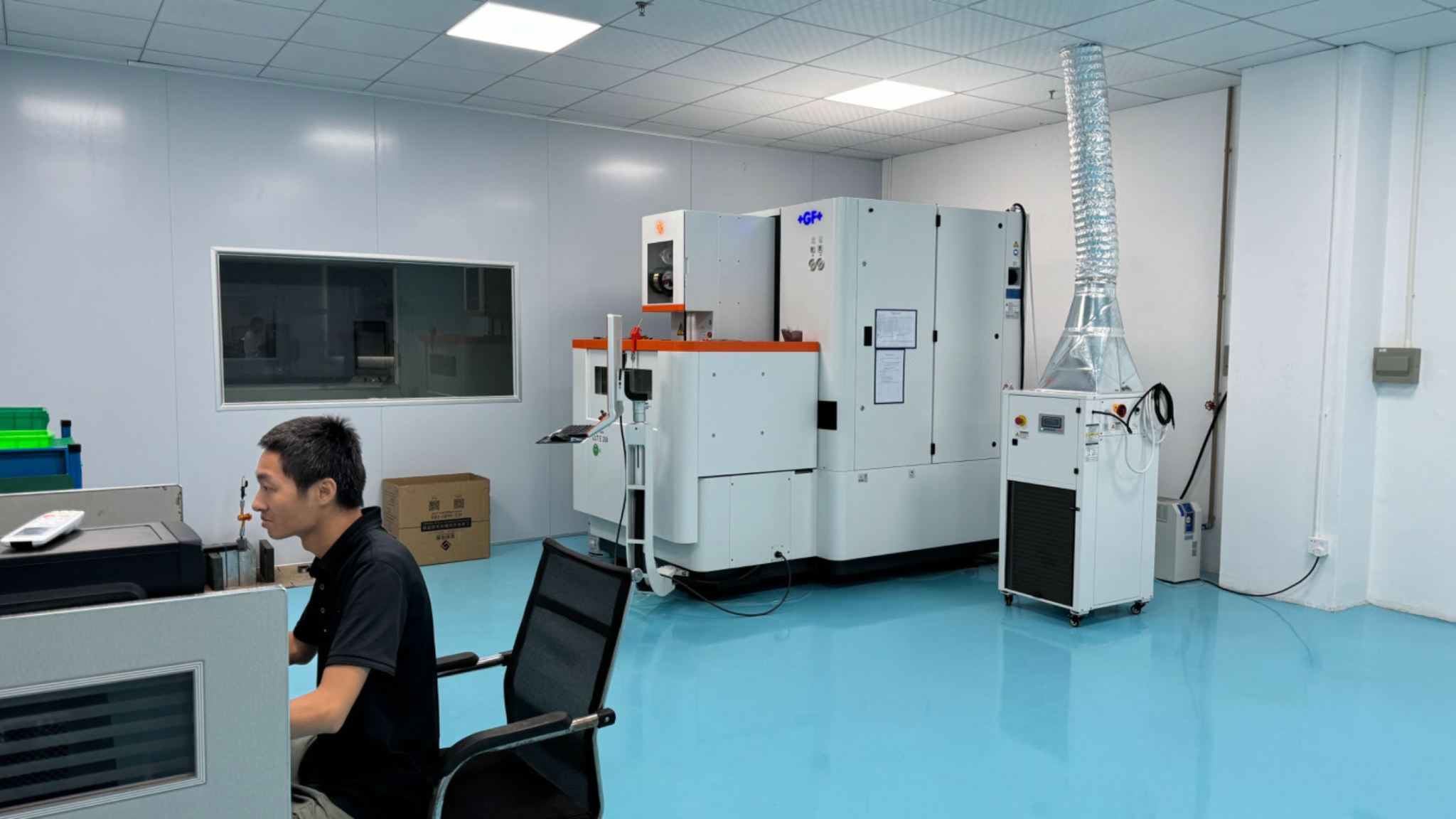
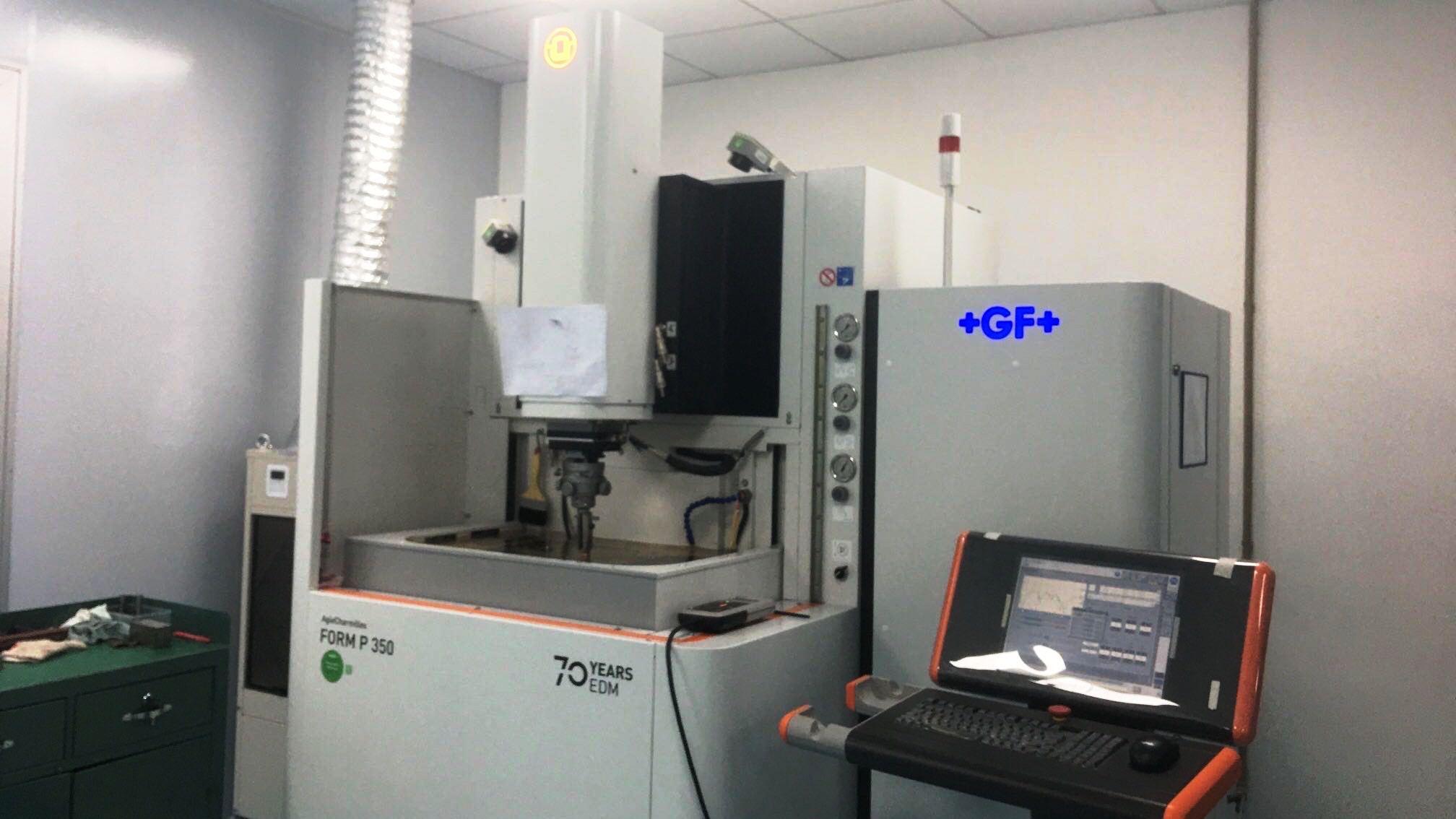
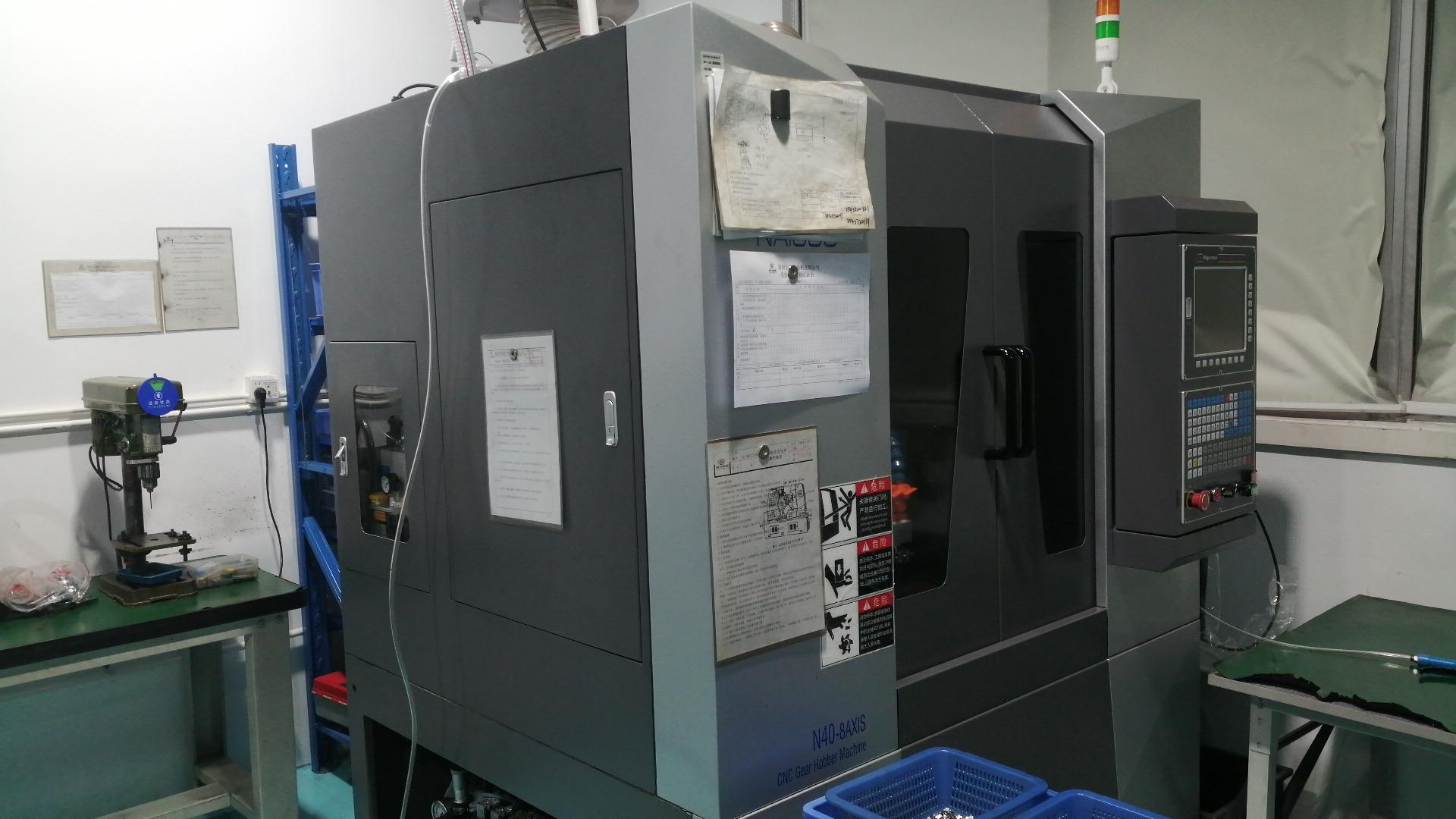
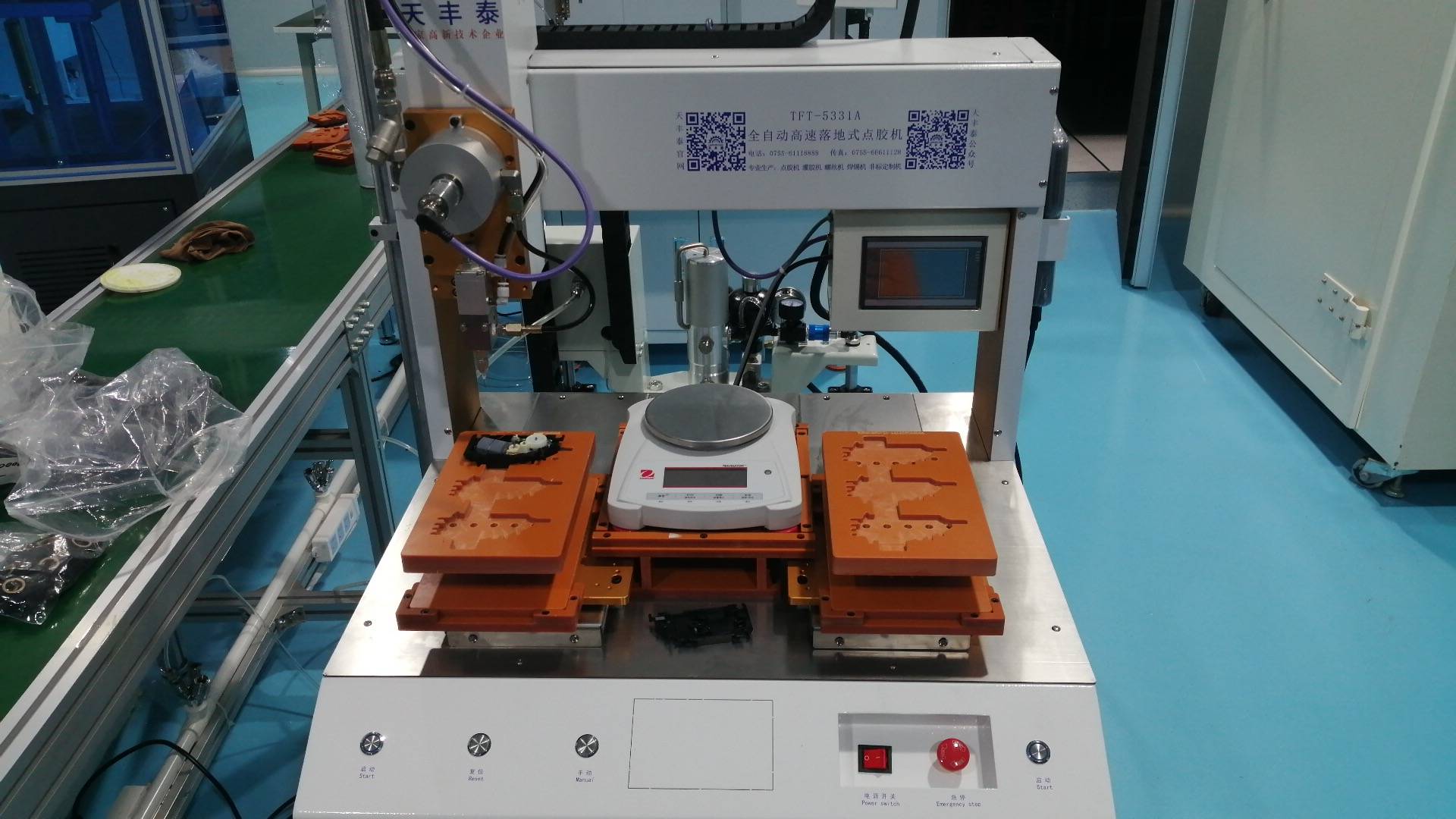

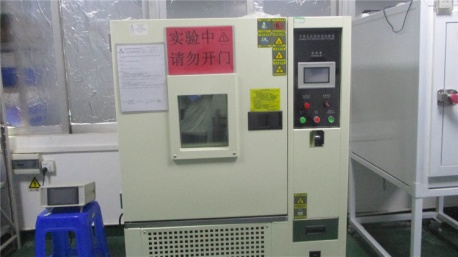
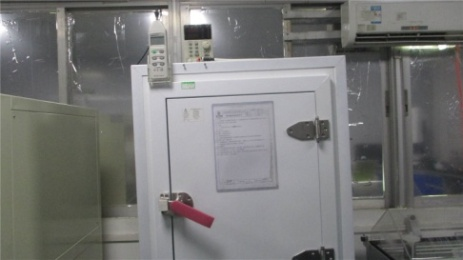
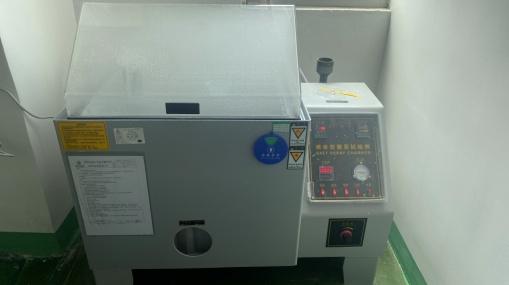
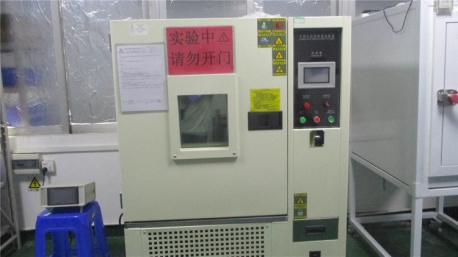
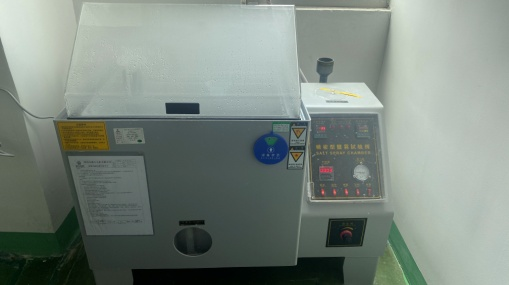
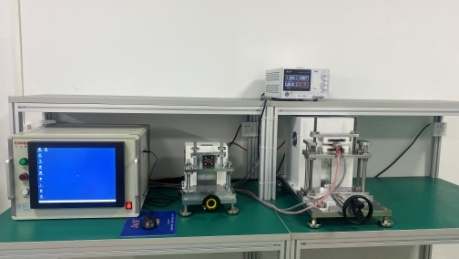
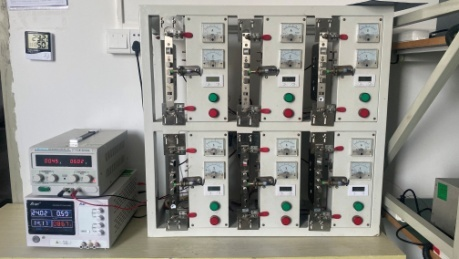
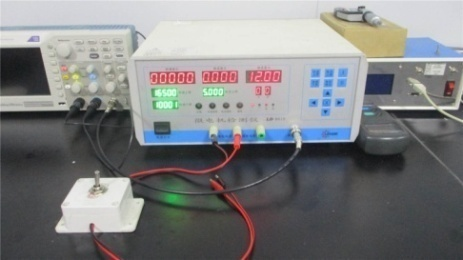
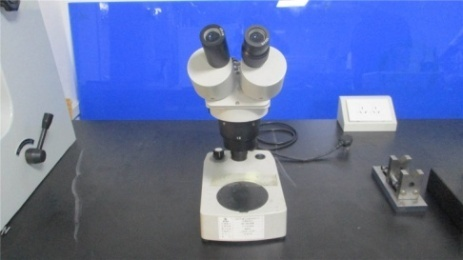
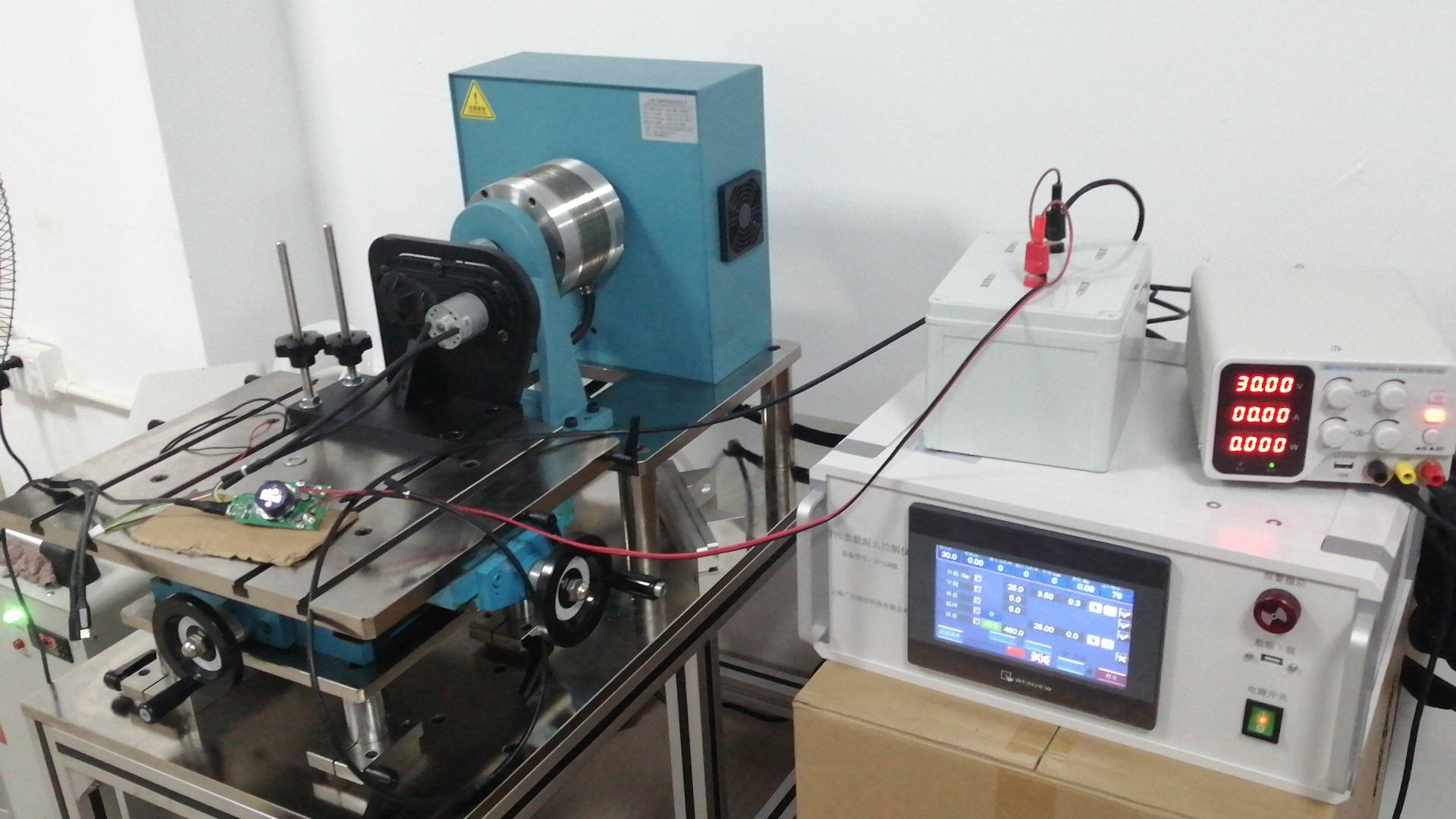
Underwriting performance reliability through mechanical and environmental testing protocols.
Choosing the optimal DC gear motor requires understanding the trade-offs of electromechanical power transmission. A DC motor typically operates most efficiently at high rotational speeds (3,000 to 15,000 RPM) where its torque output is relatively low. For applications requiring high force at low velocities (such as robotic joints, medical syringe actuators, or automated locks), direct coupling is inefficient. Incorporating a gearhead provides speed reduction and torque amplification according to:
Where i represents the gear reduction ratio, and η represents the mechanical efficiency of the gear train.
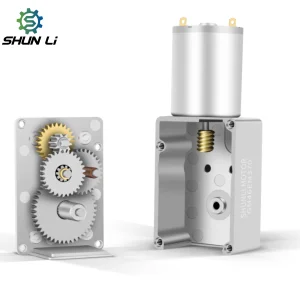
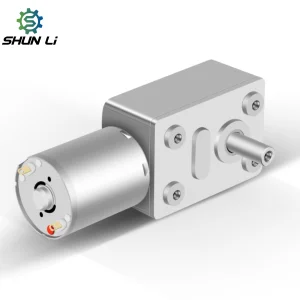
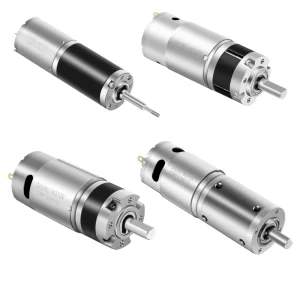
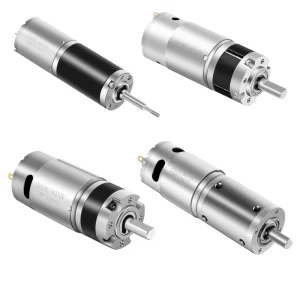
Planetary vs. Worm Gear Configurations: The gearbox structure determines the transmission path of physical forces. Planetary gearboxes share radial loads across multiple planet gears orbiting a central sun gear, providing high power density, compact axial size, and minimal backlash. This makes them ideal for precision servos, robotic limbs, and high-performance equipment. Conversely, worm gear reducers feature a perpendicular layout. The sliding contact between the worm shaft and worm gear offers high reduction ratios in a single stage, quiet operation, and self-locking capabilities, preventing back-driving in applications like vending machines, smart locks, or security gates.
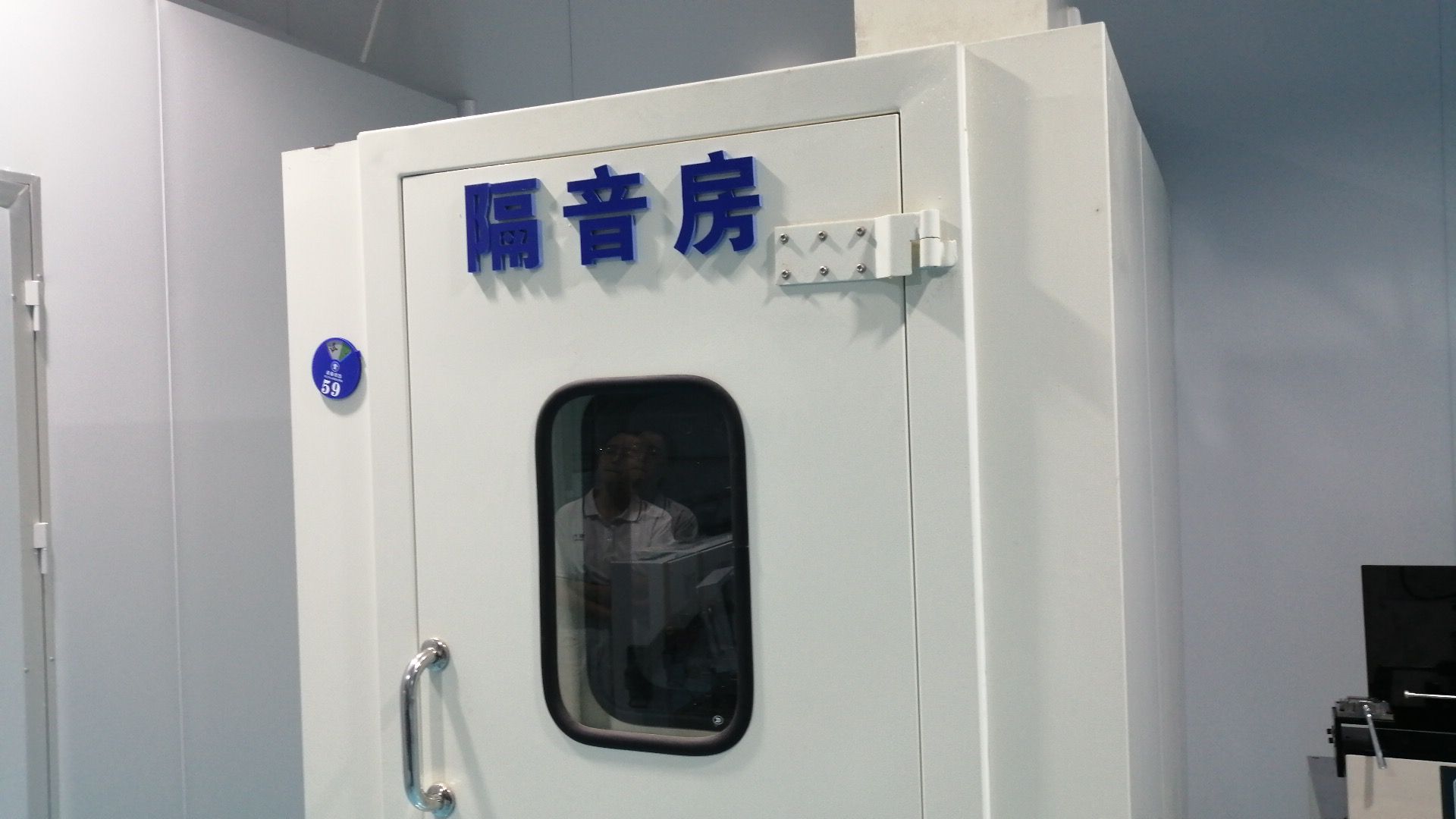
Acoustic and Thermal Optimization: Mechanical noise in micro gearboxes is primarily driven by tooth engagement impact and structural resonance. Goaxis Pro addresses this through precise tooth profile grinding, isotropic super-finishing, and targeted material selection (such as high-strength engineering plastics like POM or PEEK for high-speed input stages, and heat-treated alloy steels for high-torque output stages). We utilize state-of-the-art anechoic chambers to refine noise profiles, maintaining sound emission limits below 40 dB for high-end consumer products and medical devices.
The miniaturization of electromechanical drives requires constant engineering innovation. Our research and development pipeline focuses on three key areas:
Answers to common design and integration questions from project engineers.
Engineered for precise control, extended lifespans, and demanding operating environments.
 Goaxis Pro